




Israel-Hezbollah Conflict Drives Defense Tech Boom | Cross-Border Seller Opportunities in Security Equipment & Relief Supplies
- Escalating drone warfare creates $2B+ defense export surge; humanitarian crisis drives emergency supply demand across Jewish diaspora networks; sellers can capitalize on security equipment, relief merchandise, and community support platforms



























Overview
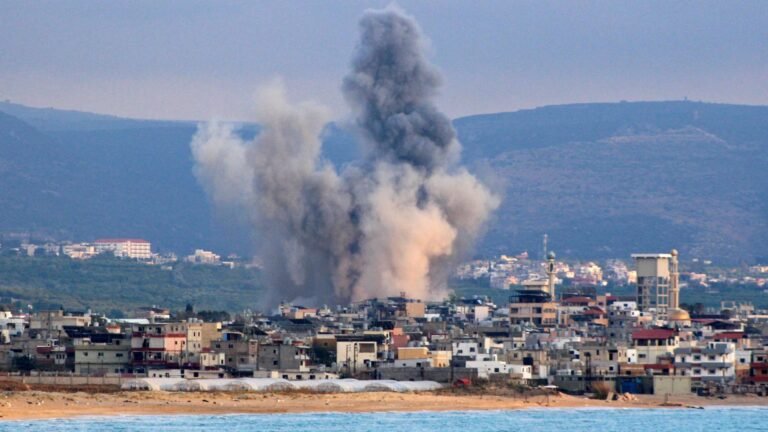
The Israel-Hezbollah conflict escalating since March 2, 2026, represents a significant cross-border commerce opportunity spanning three distinct seller segments: defense technology exports, emergency relief supplies, and community-driven fundraising merchandise. The news reveals a multi-layered market dynamic with immediate and strategic implications for e-commerce sellers.
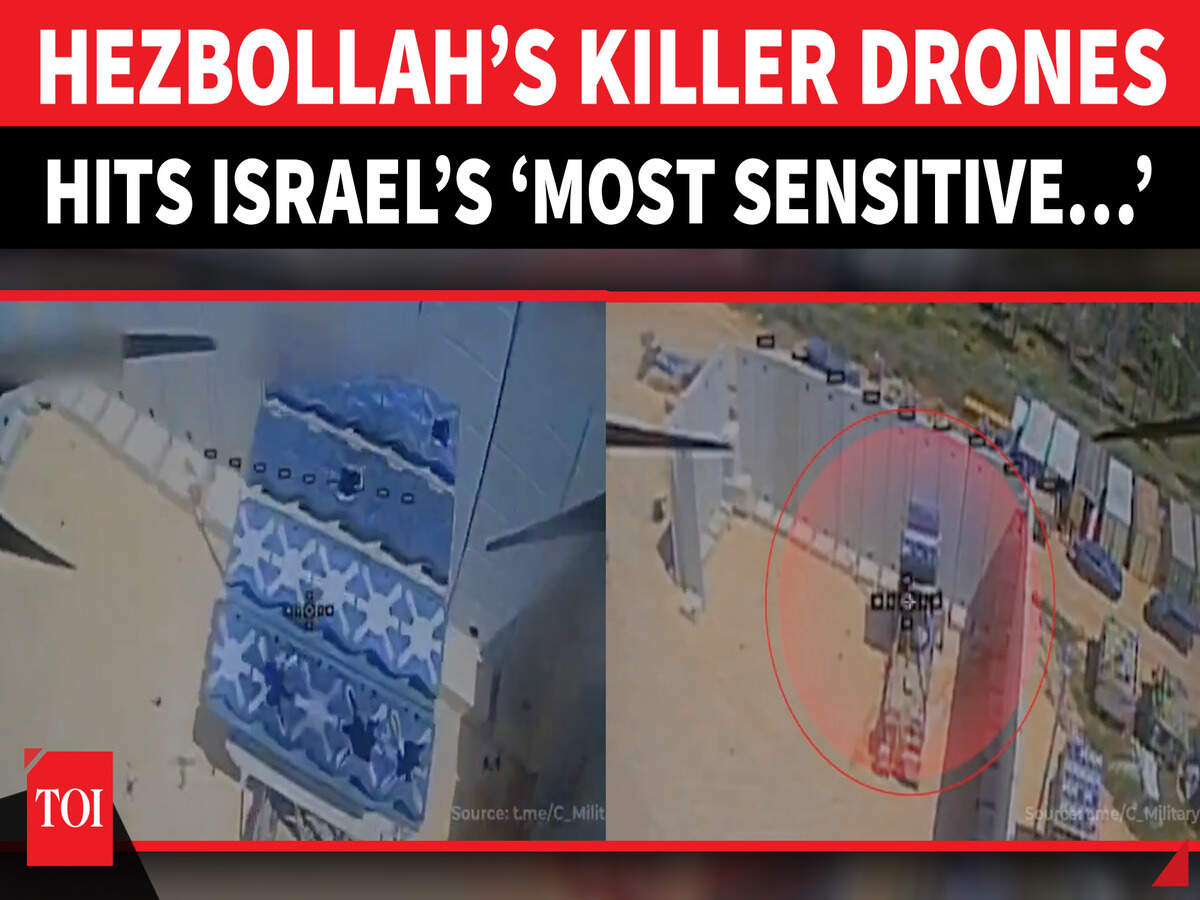
Defense Technology Export Boom: Elbit Systems, Israel's largest defense contractor, reported significant Q1 2024 revenue and profit gains with Nasdaq shares rising 8% following CEO Bezhalel Machlis's announcement of expanded drone-defense hardware development. Israeli defense exports have surged substantially since the Gaza war began in 2023, with particular strength in European, U.S., Asia-Pacific, and UAE markets. The global demand encompasses munitions, laser systems, electronic warfare equipment, and night-vision devices. This creates B2B opportunities for sellers specializing in defense-adjacent electronics, industrial components, and technical documentation platforms. Sellers with expertise in military-grade equipment sourcing, compliance documentation, and export licensing can position themselves as intermediaries for defense contractors seeking cross-border supply chain partners.
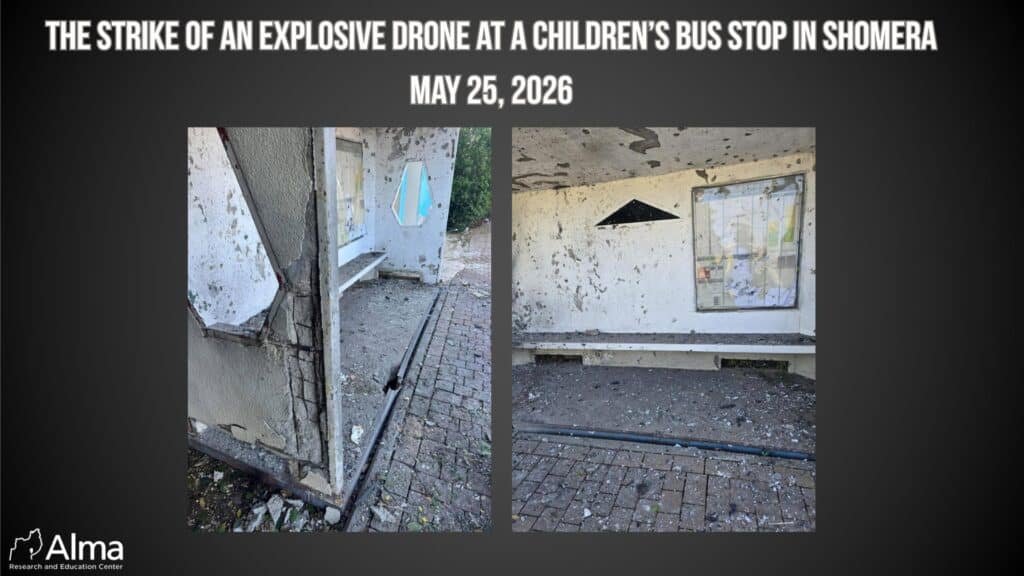
Emergency Relief Supply Chain: The Daily Giving Israel Emergency Fund (established May 26-27, 2026) mobilizes Jewish diaspora support for northern Israel civilians affected by Hezbollah drone attacks. The initiative partners with Magen David Adom, United Hatzalah, Paamonim, and Brothers for Life to deliver medical treatment, food aid, medication, essential supplies, and financial crisis guidance. This represents a humanitarian supply chain opportunity for sellers of: emergency medical kits, non-perishable food products, hygiene supplies, trauma support materials, and community care packages. The fund's emphasis on "severe economic burden created by displacement and business disruption" signals demand for affordable bulk supplies targeting affected families—a niche where Amazon FBA sellers and Shopify merchants can establish dedicated relief product categories.
Community Fundraising Merchandise: The global Jewish solidarity framework creates opportunities for branded merchandise, community support products, and cause-related e-commerce. Sellers can develop: Israeli-themed apparel, solidarity bracelets, educational materials about the conflict, and digital fundraising tools. The initiative's partnership model with established organizations (Magen David Adom, United Hatzalah) suggests demand for platform integration with charitable giving systems—an opportunity for Shopify app developers and Amazon sellers offering cause-commerce solutions.
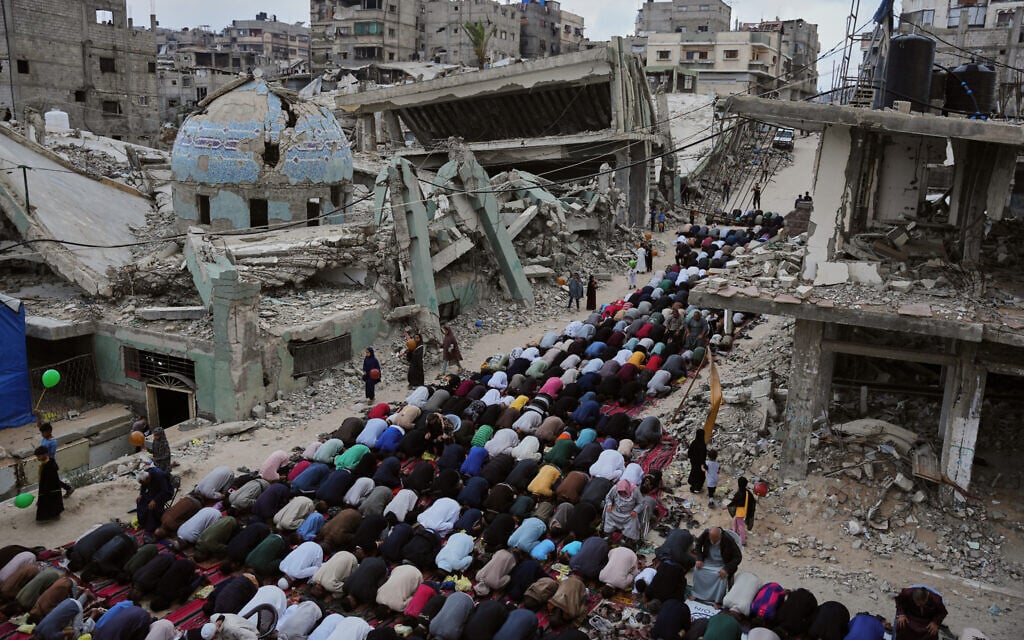
Market Scale & Timeline: With 24 soldiers killed since March 2026 and over 3,000 lives lost in Lebanon, the humanitarian crisis shows no signs of resolution. Military talks scheduled at the Pentagon indicate prolonged conflict duration, suggesting sustained demand for relief supplies through at least Q3 2026. The defense export surge reflects multi-year contracts, indicating stable B2B opportunities for suppliers.
Questions 8
How can cross-border sellers capitalize on Israel's defense technology export surge?
Israeli defense exports have surged substantially since 2023, with Elbit Systems reporting Q1 2024 revenue gains and 8% stock appreciation. Sellers can target B2B opportunities in electronic components, laser systems, night-vision equipment, and electronic warfare technology. The strongest growth markets are Europe, U.S., Asia-Pacific, and UAE. Sellers should establish compliance expertise in ITAR (International Traffic in Arms Regulations) and export licensing, then position themselves as supply chain intermediaries for defense contractors. This requires specialized knowledge but offers high-margin B2B contracts with multi-year duration.
What are the market size estimates for Israel defense exports?
Israeli defense exports surged 'substantially' since Gaza war began in 2023, though exact figures aren't disclosed in the news. Elbit Systems alone reported significant Q1 2024 revenue and profit gains with 8% stock appreciation. Industry context suggests Israeli defense exports typically range $5-7B annually, with current surge potentially reaching $8-10B. The growth spans munitions, laser systems, electronic warfare equipment, and night-vision devices across Europe, U.S., Asia-Pacific, and UAE. Sellers should research specific category growth rates through trade publications and Elbit's investor relations reports to identify highest-opportunity segments.