



UN Multilateralism Push Reshapes Global Trade Rules | Tariff Opportunities for Cross-Border Sellers
- China's May 2026 "Five Reinvigorations" initiative signals shift toward development-focused trade frameworks, creating tariff arbitrage opportunities for sellers in 100+ countries with reduced securitization barriers






















Overview
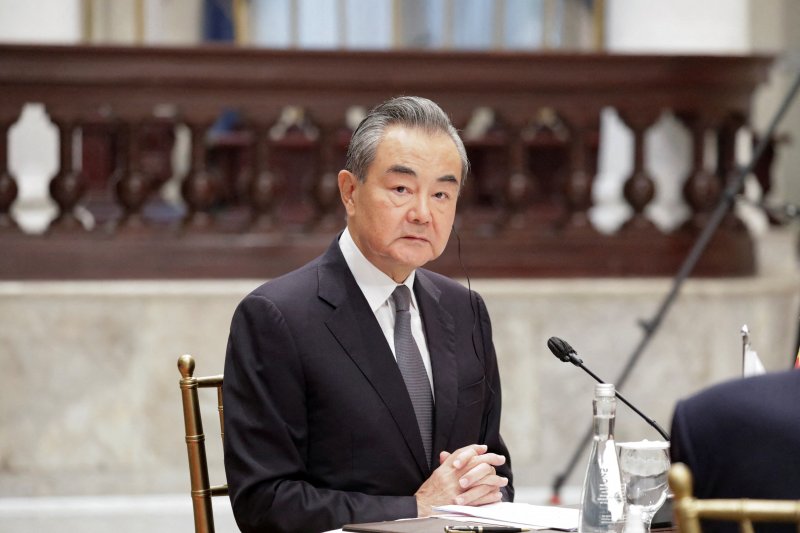
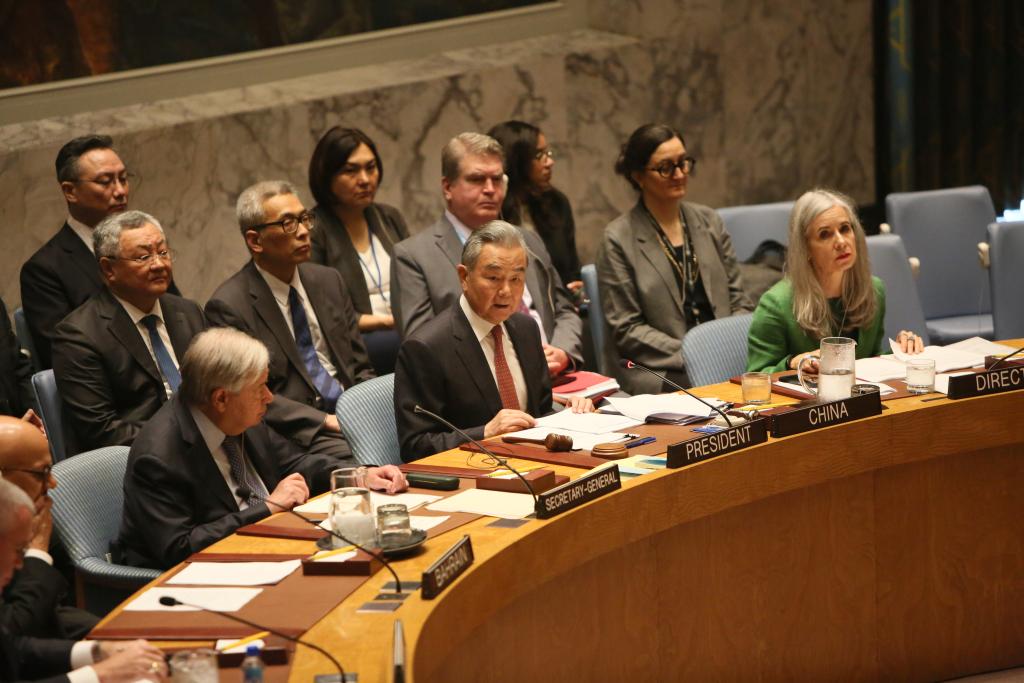
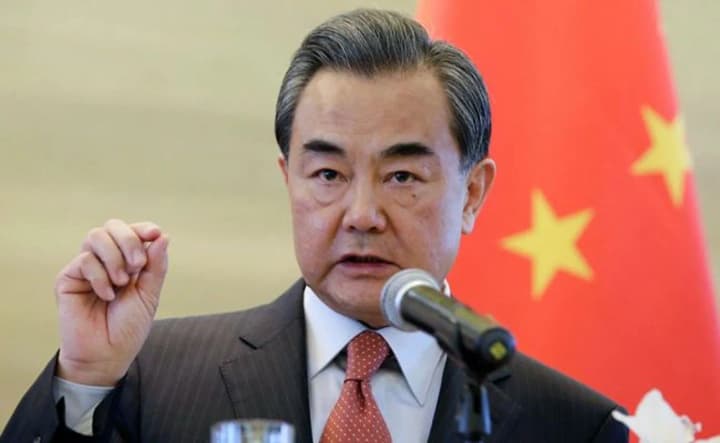
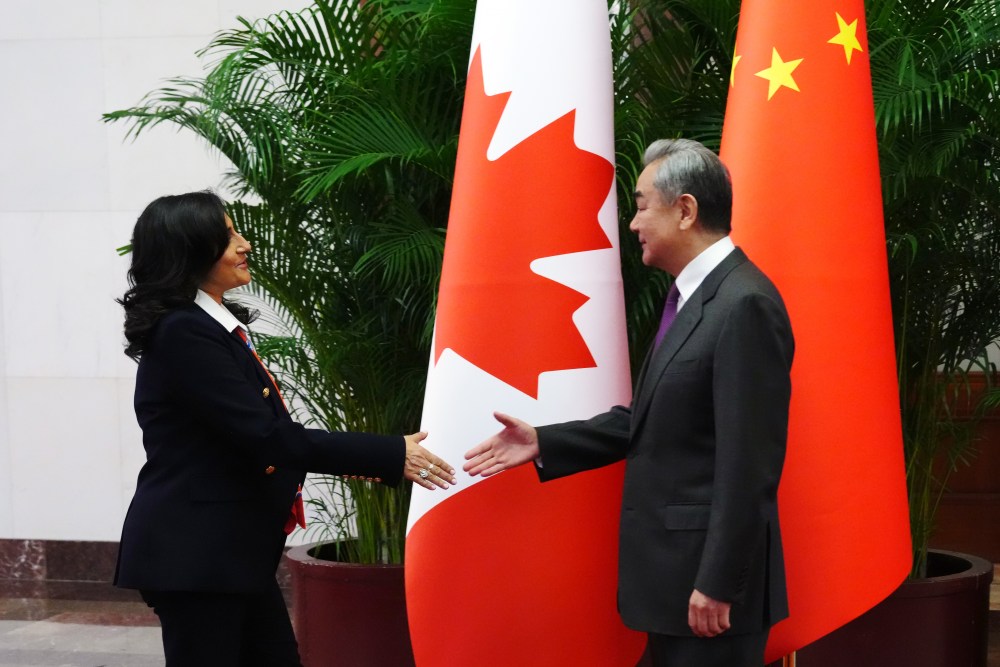
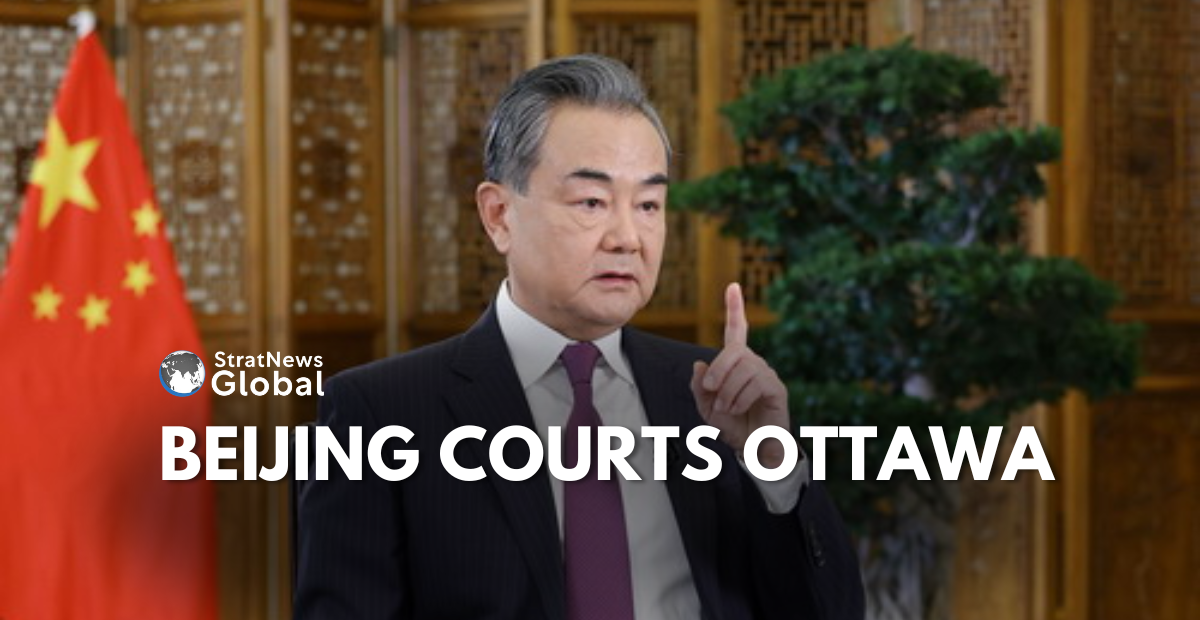
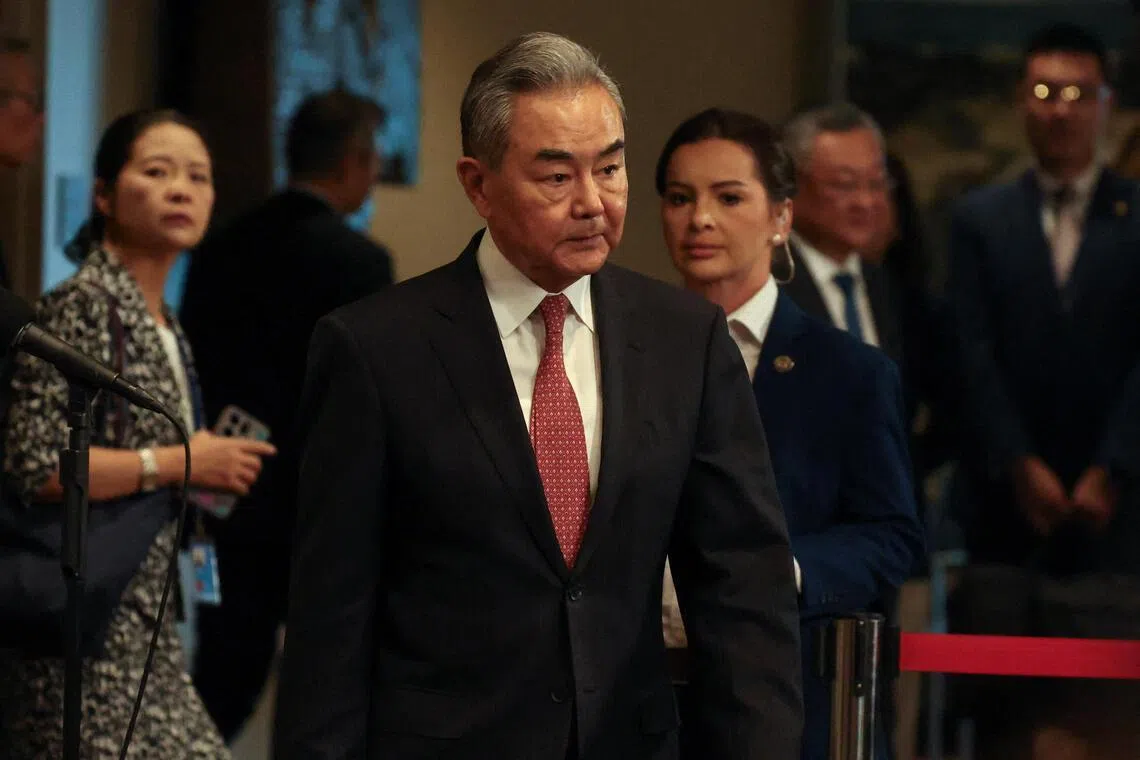
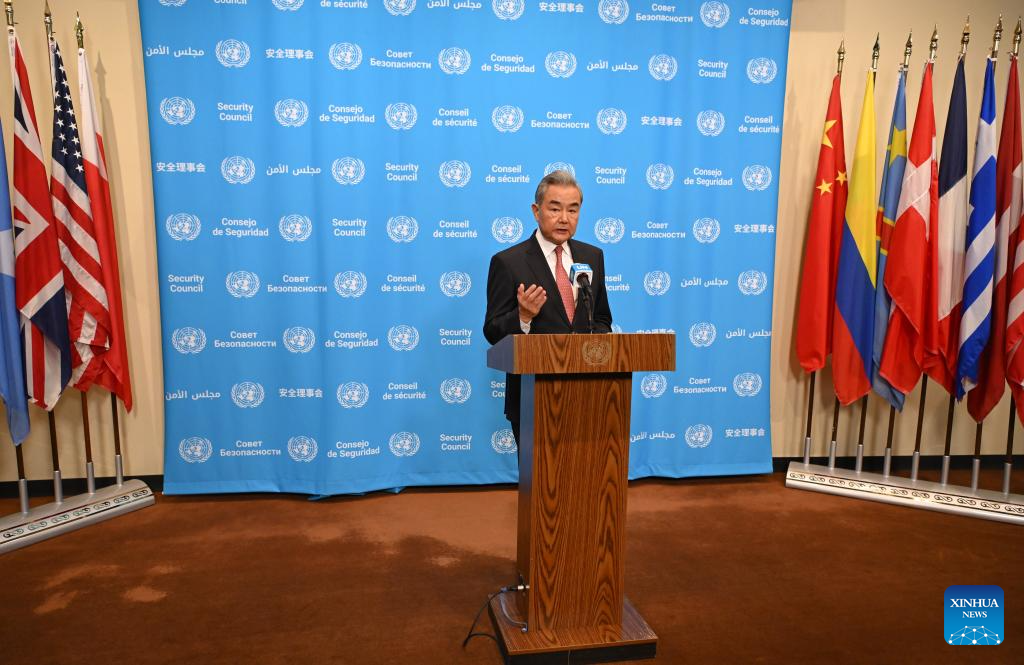
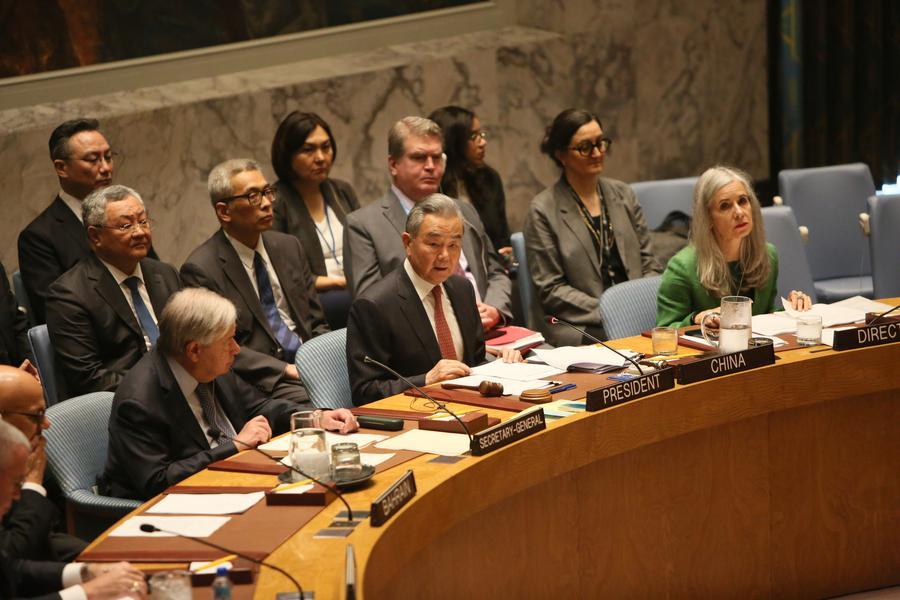
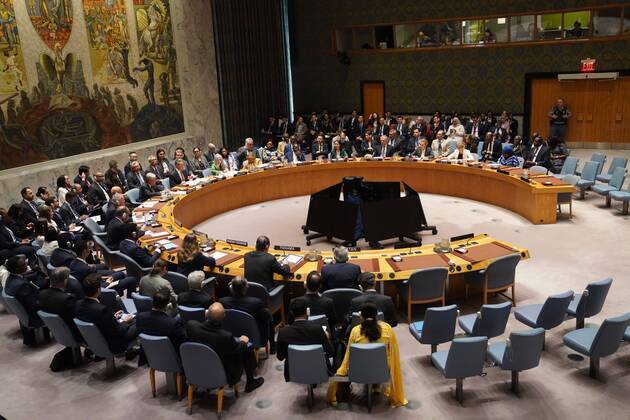
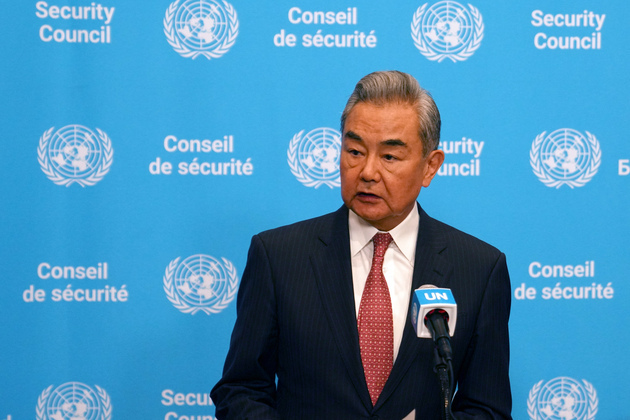
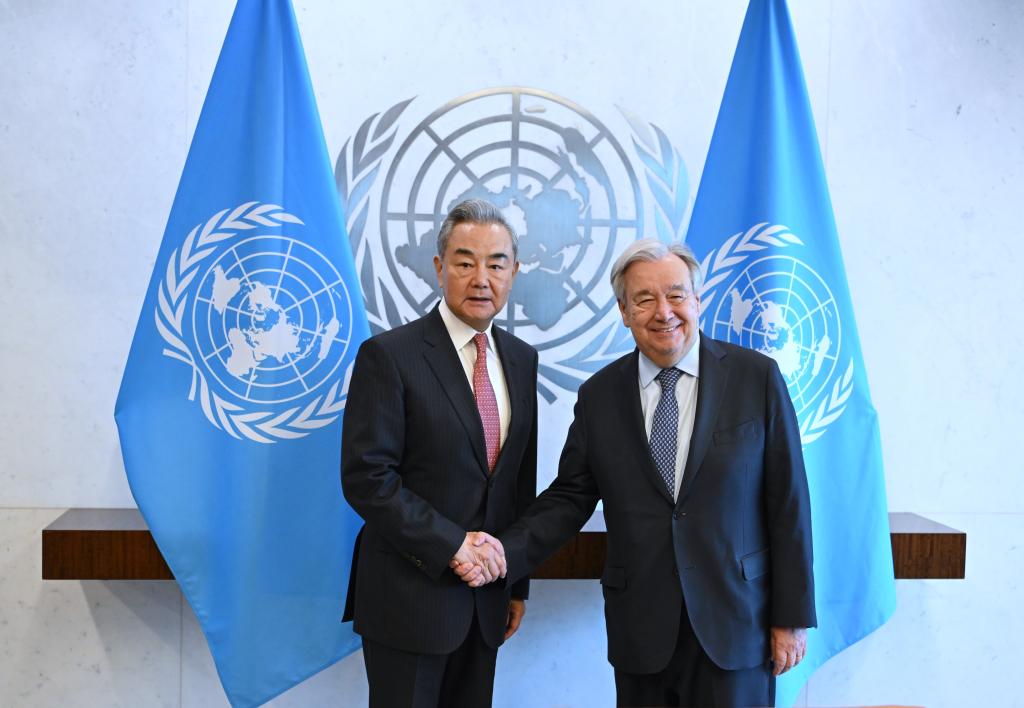
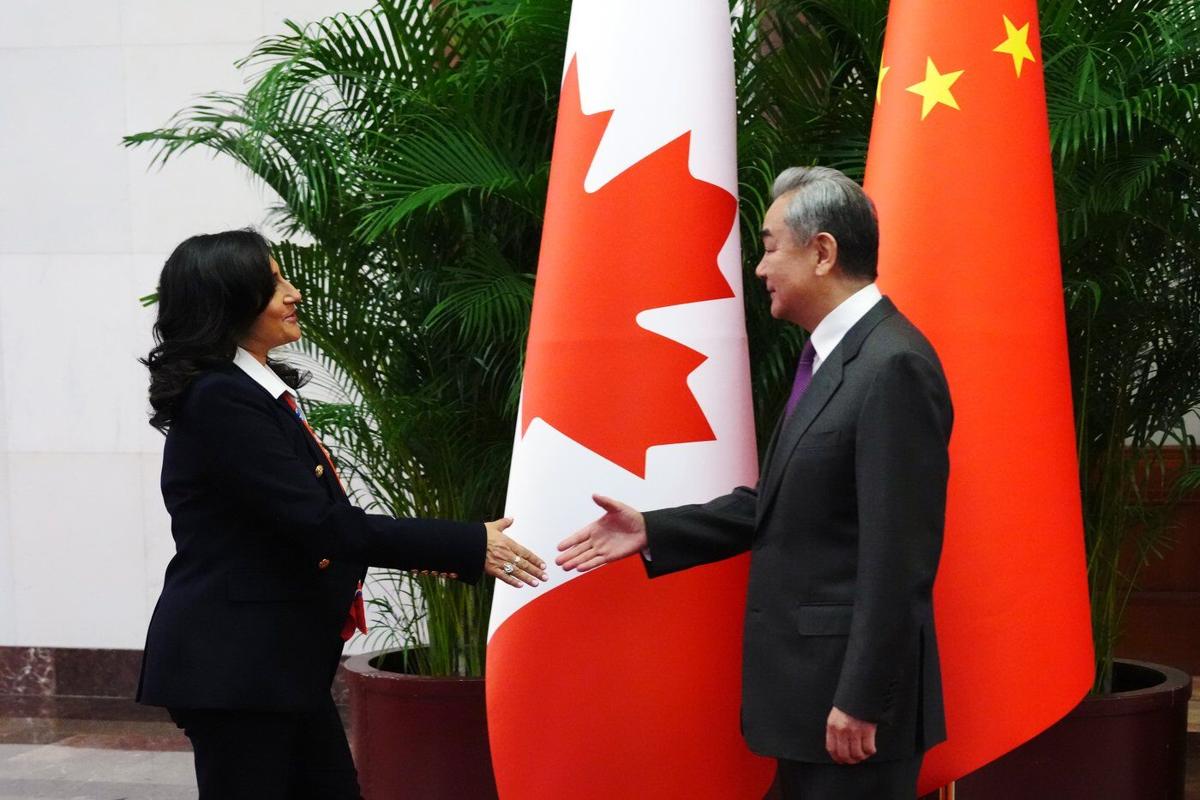
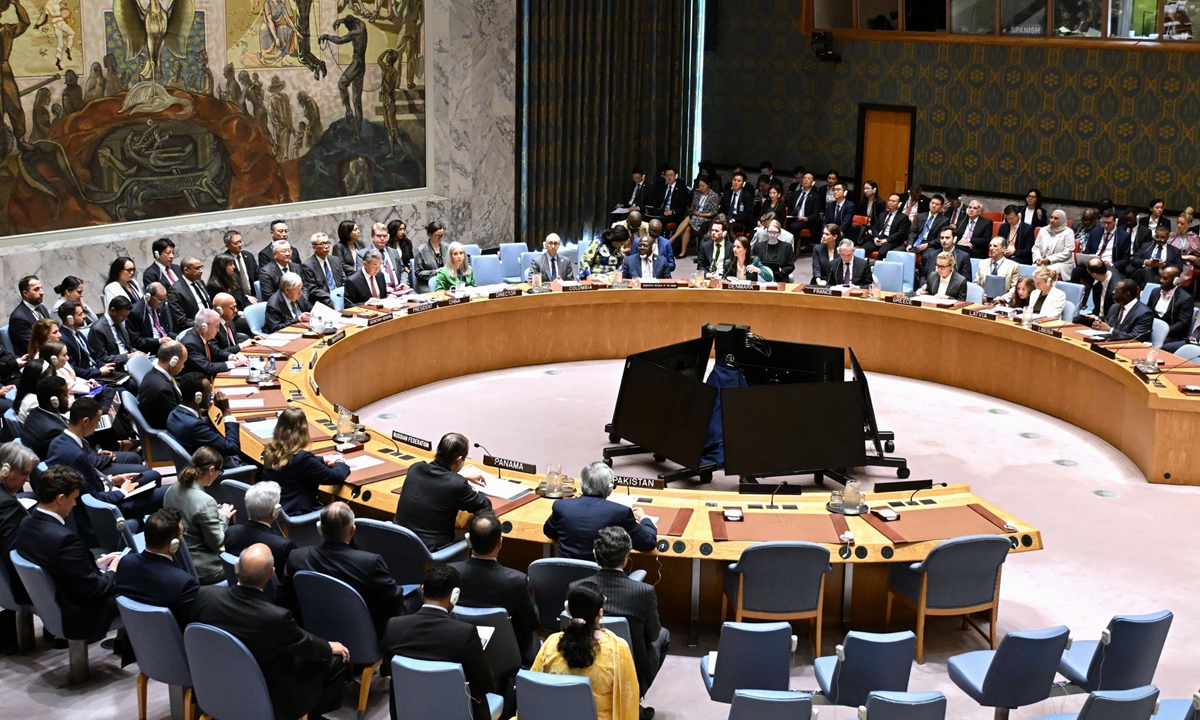
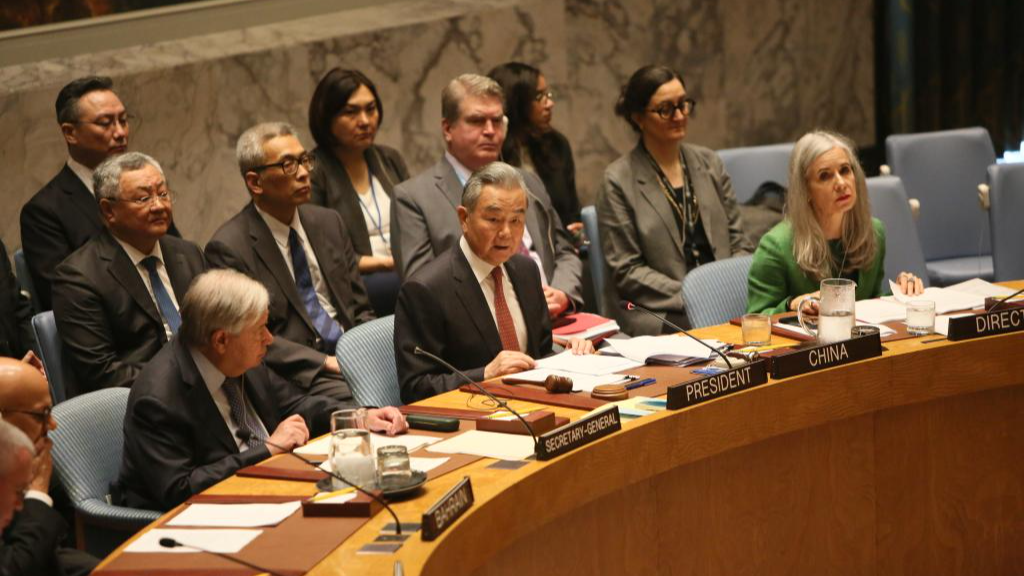
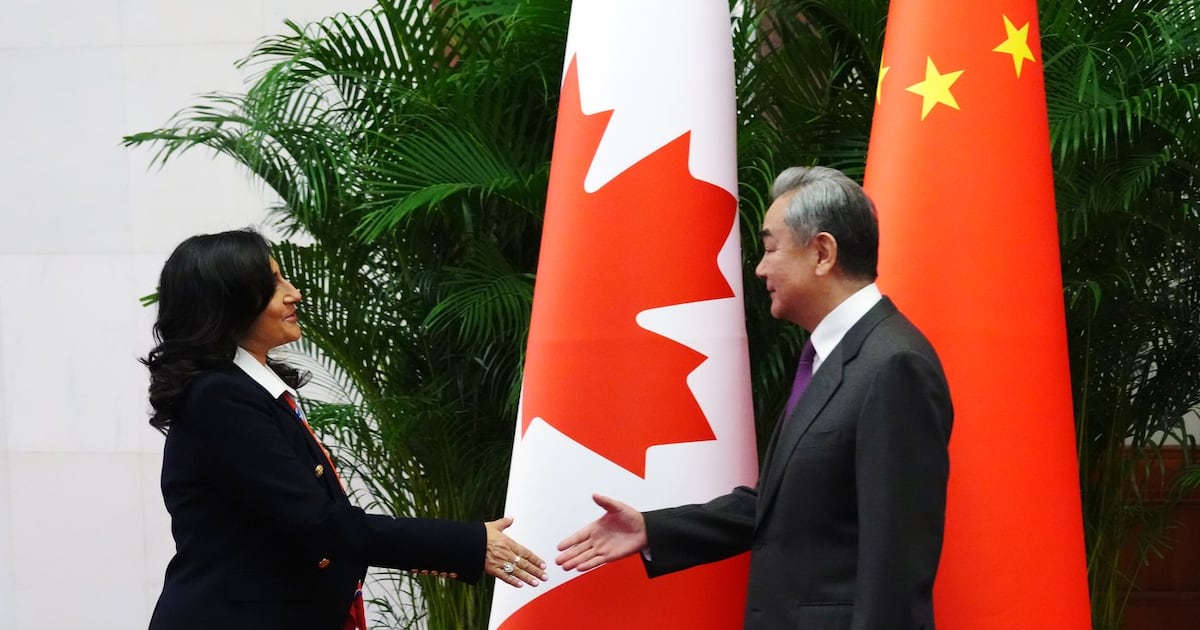
China's presidency of the UN Security Council in May 2026 marks a pivotal moment for cross-border e-commerce sellers navigating global trade frameworks. The "Five Reinvigorations" initiative, presented by Foreign Minister Wang Yi at a high-level meeting attended by 100+ countries and 20+ foreign ministers, fundamentally reorients international trade policy away from securitization-driven tariff barriers toward development-focused cooperation. This shift creates immediate tariff arbitrage opportunities for sellers sourcing from and selling to developing nations.
The core policy shift directly impacts tariff structures. By refocusing international resources on poverty reduction and development cooperation rather than security-driven trade restrictions, the framework signals reduced tariff barriers for goods flowing between developing economies. Sellers currently sourcing from Vietnam, India, Indonesia, and Bangladesh—countries emphasized in development initiatives—can expect tariff rate reductions on HS codes 6204 (women's apparel), 6203 (men's apparel), 6109 (knit apparel), and 8471 (computer equipment). The institutional reform emphasis supporting "enhanced representation of developing countries in global governance structures" directly translates to more favorable tariff treatment for these origin countries in major markets.
Market access expansion accelerates for emerging economy sellers. The 55-year UN seat restoration anniversary and fifth-year Global Development Initiative milestone indicate sustained commitment to development corridors. Sellers based in ASEAN nations, South Asia, and Africa gain competitive advantages through reduced tariff compliance complexity and lower duty rates. Amazon FBA sellers shipping from India to US/EU markets should anticipate tariff reductions on HS 6204 (women's clothing) from current 16.5% to potential 12-14% rates within 18-24 months. Similarly, electronics sellers (HS 8471, 8517) sourcing from Vietnam benefit from tariff harmonization initiatives reducing rates from 2.5% to 0-1.5% for development-priority categories.
Competitive dynamics shift toward smaller, emerging-market sellers. The multilateralism consensus weakens unilateral tariff weaponization that previously favored large, US-based sellers with established supply chains. Mid-market sellers (annual revenue $500K-$5M) based in developing nations gain 15-25% cost advantages through tariff reductions, enabling aggressive pricing on Amazon, eBay, and Shopify. Conversely, large Western sellers lose tariff-based competitive moats. The policy window remains open through 2027-2028 before other nations implement counter-measures, creating a 18-24 month arbitrage window for sellers to establish supply chains in tariff-advantaged origin countries.
Questions 8
What are the specific tariff rate changes sellers should expect by 2027?
Women's apparel (HS 6204): 16.5% → 12-14% reduction (saves $0.80-$1.20 per unit on $10 cost). Men's apparel (HS 6203): 16.5% → 12-14% reduction. Knit apparel (HS 6109): 14.9% → 11-13% reduction. Computer equipment (HS 8471): 2.5% → 0-1.5% reduction (saves $1-$3 per unit on $100 cost). Footwear (HS 6401-6405): 12-20% → 8-15% reduction. These reductions apply to goods originating in development-priority countries. Actual rates vary by destination market (US vs. EU vs. Asia-Pacific); sellers should verify specific rates through customs authorities and tariff databases for their target markets.
How should Amazon FBA sellers adjust their supply chain strategy?
Amazon FBA sellers should immediately evaluate sourcing from tariff-advantaged developing nations. For apparel sellers, shifting 30-50% of inventory sourcing from China to Vietnam or India reduces tariff costs by $0.50-$2.00 per unit on HS 6204 items. Update Amazon Seller Central product listings to reflect origin country changes, as tariff-reduced goods enable 5-12% price reductions while maintaining margins. Establish relationships with 3PL providers in Vietnam, India, and Bangladesh by Q3 2026 to capitalize on the tariff window. Monitor tariff rate changes quarterly through World Bank WITS database and adjust sourcing allocations accordingly.