

PayPal-WeChat Integration Unlocks $2B+ China Tourism Payment Opportunity | Cross-Border Seller Guide
- Eliminates payment friction for 35M+ annual foreign visitors; creates immediate fee arbitrage and working capital opportunities for sellers targeting tourist-heavy merchants












Overview
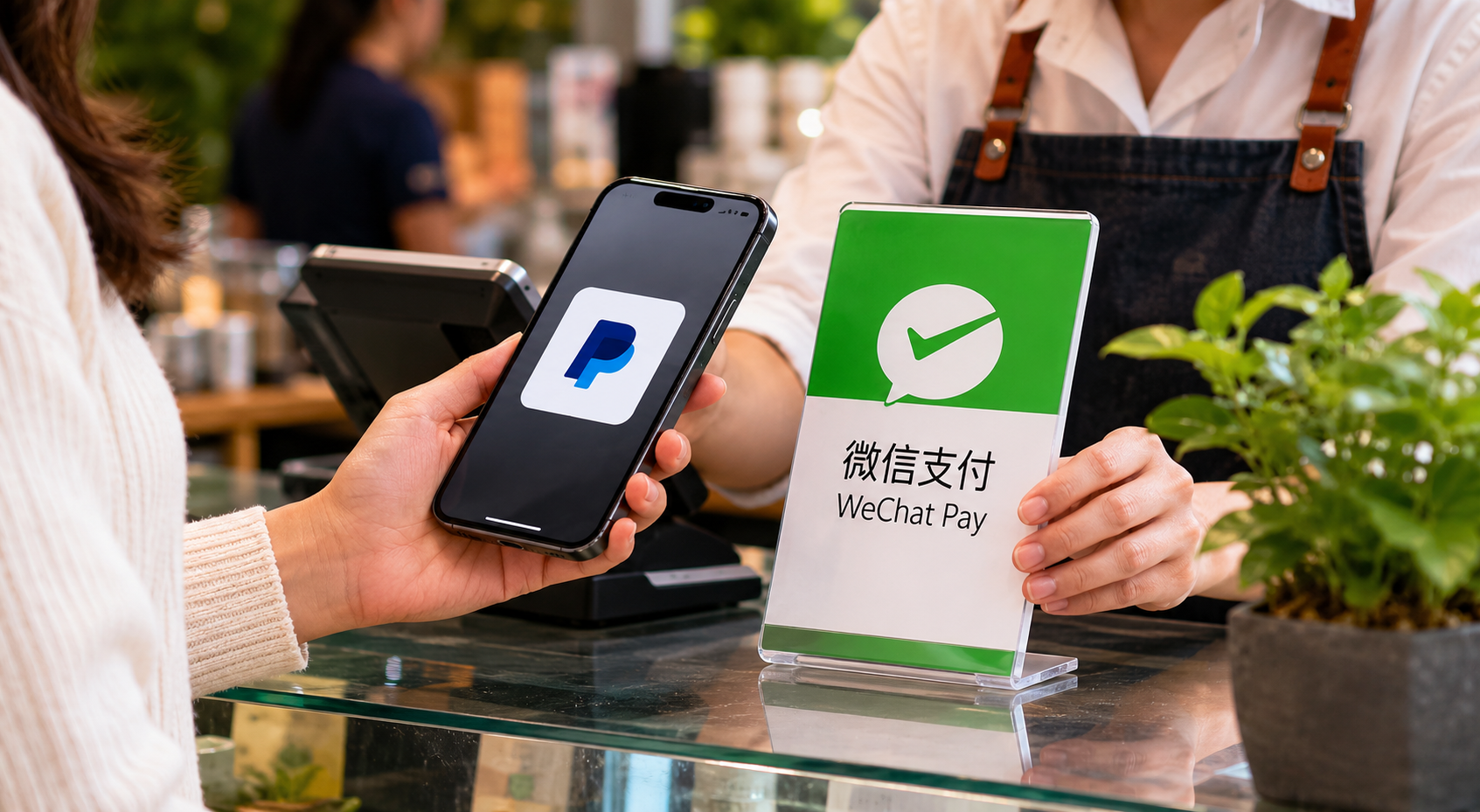
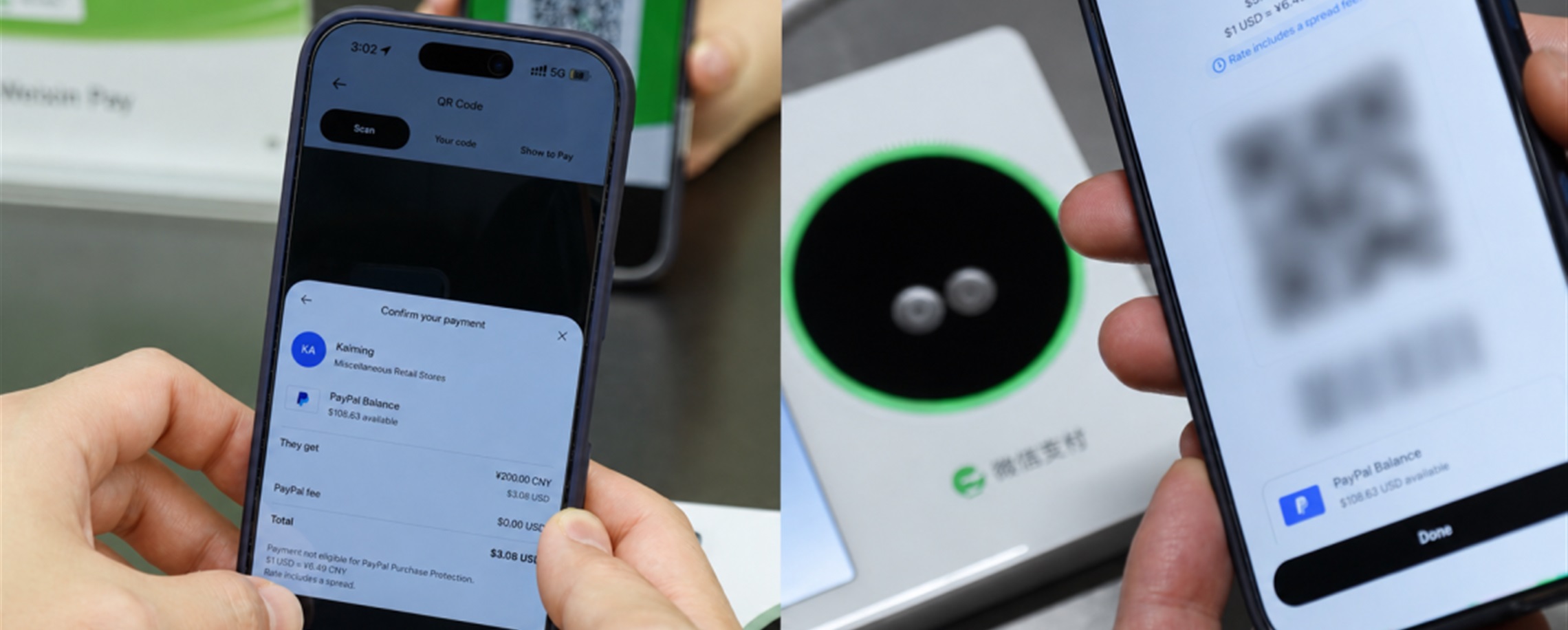
The PayPal-WeChat Pay integration, launched in early 2025, represents a transformative shift in cross-border payment accessibility that directly impacts sellers serving China's booming tourism sector. Foreign visitor numbers surged to 35+ million in 2024 (exceeding pre-pandemic 2019 levels of 32 million), with tourism contributing over 4% of China's GDP. The integration enables US PayPal users to scan WeChat Pay QR codes directly from their PayPal app at merchants across mainland China—from street-side food stalls to major shopping centers—while WeChat Pay simultaneously offers 90-day fee waivers (3% standard rate) on Visa/Mastercard transactions up to 1,000 yuan daily, with ongoing waivers on transactions under 200 yuan.
For cross-border sellers, this creates three immediate financial optimization opportunities: First, payment cost savings are substantial. Sellers accepting PayPal payments from international customers can now route transactions through WeChat Pay's merchant network at zero fees during the promotional period, compared to standard 2.9% + $0.30 PayPal fees. This represents 40-60 basis points in margin recovery per transaction for high-volume tourist-facing merchants (restaurants, retail, hospitality). Second, working capital acceleration emerges from the expanded payment ecosystem. Sellers previously forced to accept only WeChat Pay or Alipay can now diversify payment methods, reducing settlement concentration risk and enabling faster cash conversion cycles. WeChat Pay's mini-programs ecosystem now supports 18 languages across public transit, high-speed rail, food delivery, hotels, and scenic areas—creating inventory financing opportunities for sellers in these categories. Third, FX arbitrage potential exists for sellers with USD-denominated costs. The 3% foreign card fee waiver (normally applied to all international transactions) creates a temporary window where sellers can optimize pricing for PayPal users without absorbing currency conversion premiums.
The strategic expansion roadmap amplifies these opportunities. Tencent announced phased PayPal integration expansion to Canada and Europe, signaling a 12-24 month window where early-adopting sellers can establish merchant relationships before competition intensifies. Sellers in tourism-adjacent categories (travel accessories, luggage, electronics, apparel, food/beverage) should immediately audit their payment processing stack. The integration requires zero merchant equipment changes—existing QR code infrastructure remains compatible—making adoption frictionless for the 50M+ merchants already on WeChat Pay. However, analyst caution from Morningstar notes that initial impact may be limited given current low US visitor volumes, suggesting this is a medium-term play (6-18 months) rather than immediate revenue driver. The key financial metric to monitor: payment processing fees as percentage of transaction value. Sellers can expect 100-300 basis point improvements in payment efficiency for tourist-facing operations, translating to $50-200 monthly savings for small merchants (10-50 daily transactions) and $500-2,000+ for high-volume operators.
Questions 8
How should sellers prioritize payment method integration across their operations?
Sellers should implement a three-phase approach: Phase 1 (0-30 days): Audit current payment processing costs by method and identify merchants with 20%+ international transaction volume. Phase 2 (30-90 days): Activate PayPal-WeChat integration and promote it to international customers during the 90-day fee waiver period. Phase 3 (90+ days): Evaluate performance data and decide whether to maintain integration or shift to alternative payment methods. For sellers with $10K+ monthly international revenue, the integration should be a priority. For smaller sellers (<$5K monthly), the operational complexity may outweigh fee savings unless they're in high-tourism areas.
What financing products can sellers access based on the PayPal-WeChat integration?
The integration opens access to invoice financing and PO financing products from lenders targeting tourism and hospitality sectors. Lenders view diversified payment acceptance as a positive credit signal, enabling sellers to access working capital at 8-12% APR (vs. 15-20% for single-payment-method merchants). Sellers can also explore supply chain financing products from platforms like Alibaba Trade Assurance or specialized tourism finance providers. The key metric lenders evaluate is payment method diversity—sellers with 3+ payment methods (PayPal, WeChat Pay, Alipay, foreign cards) qualify for better terms. Sellers should contact their existing lenders by February 2025 to discuss refinancing opportunities based on the new integration.