


Starship Booster Failure Delays Satellite Internet Expansion | Seller Logistics Impact
- FAA investigation into May 22 booster crash may delay Starlink deployment by 4-8 weeks, affecting future satellite internet availability for e-commerce logistics hubs and rural seller fulfillment networks







Overview
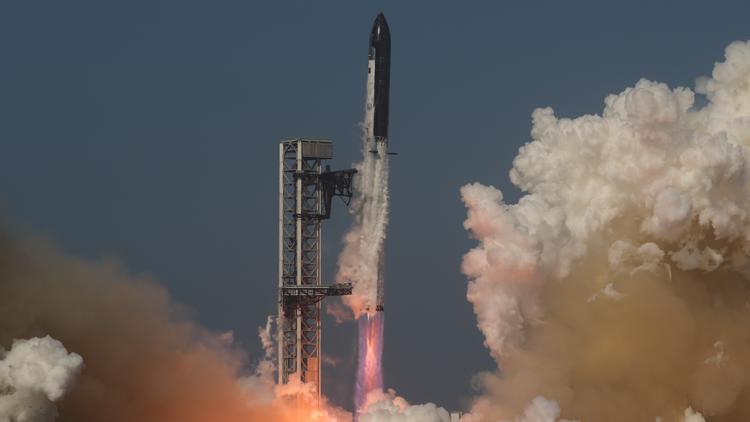
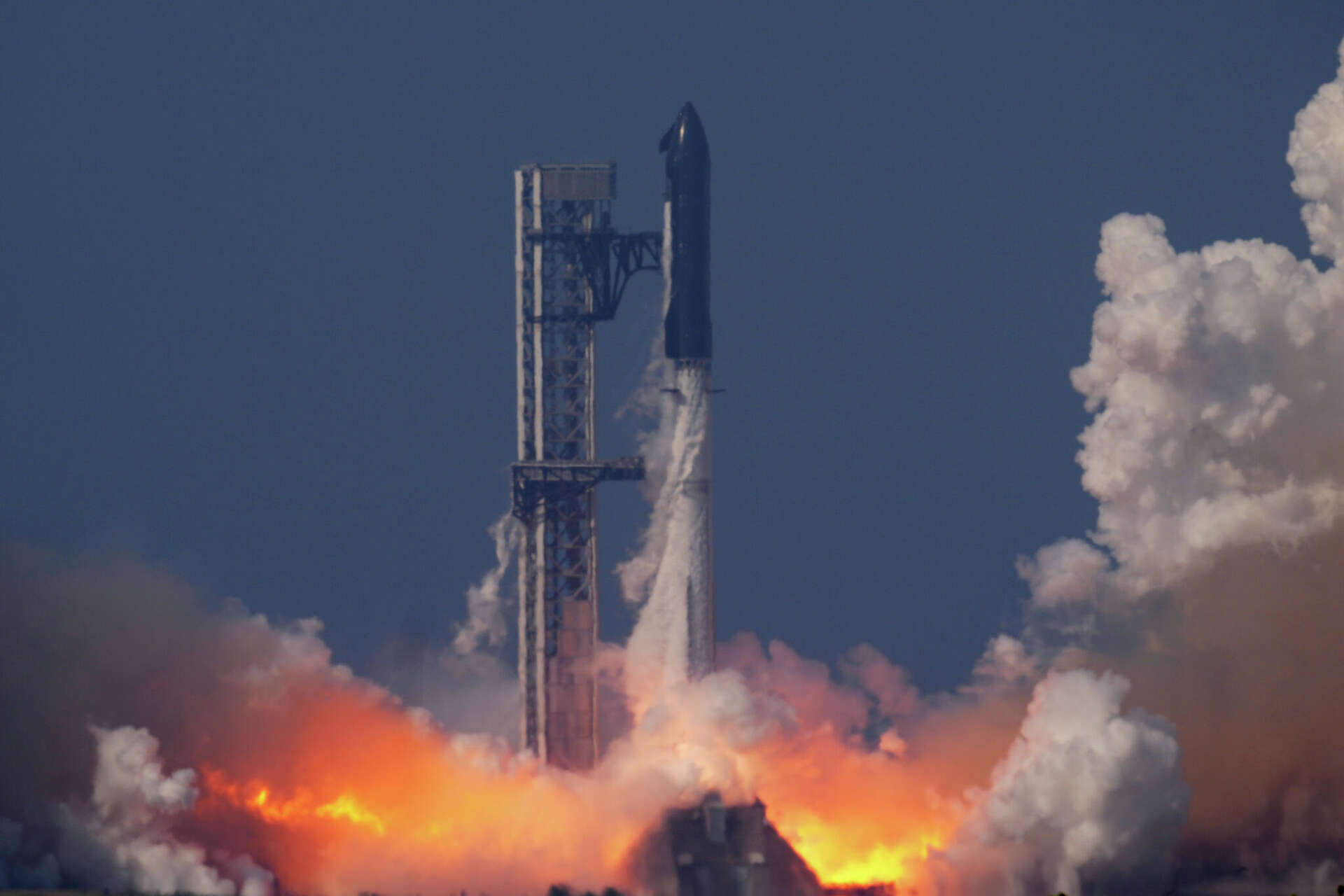
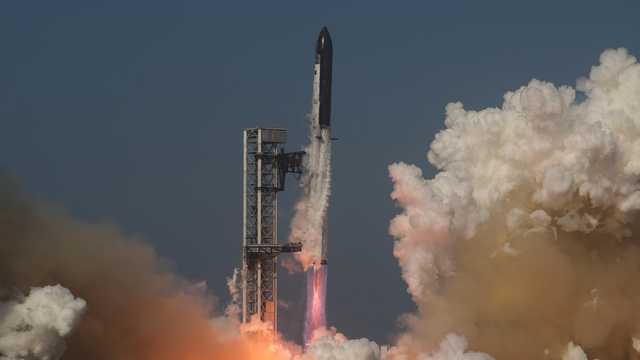
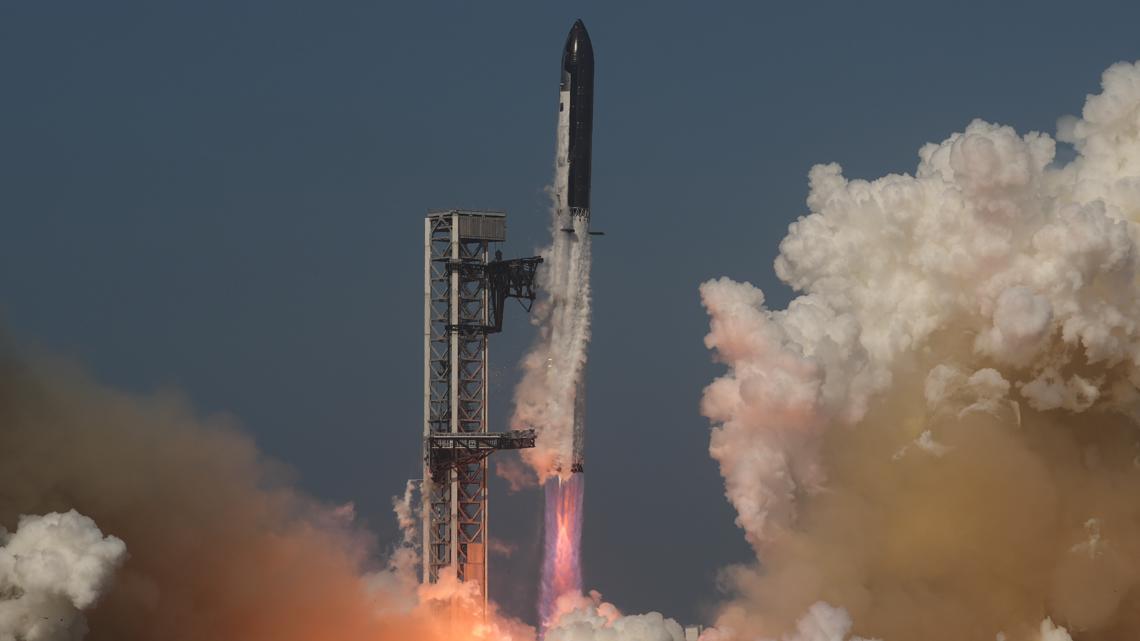
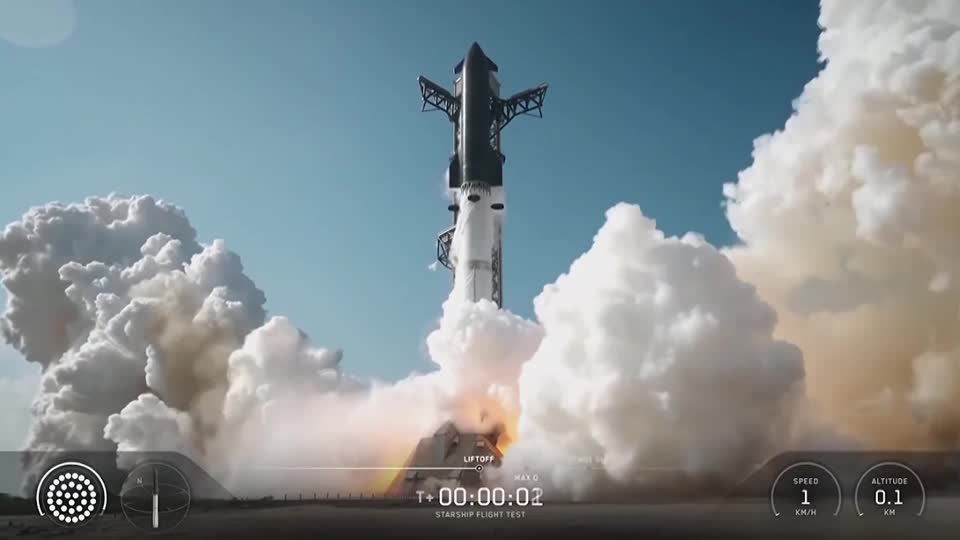
The FAA's formal mishap investigation into SpaceX's Starship Flight 12 booster failure on May 22, 2025, represents a critical inflection point for satellite internet infrastructure that underpins modern e-commerce logistics. The Super Heavy booster experienced catastrophic failures of multiple Raptor 3 engines during its boostback burn, plummeting into the Gulf of Mexico at approximately 1,500 km/h after the maneuver ended prematurely after less than 20 seconds. While the incident caused no public damage, it triggered aircraft departure delays and airborne holding events, demonstrating how aerospace setbacks cascade through transportation networks that sellers depend on.
The investigation timeline directly impacts Starlink deployment schedules. SpaceX has invested over $15 billion in Starship development, positioning it as central to expanding the Starlink satellite network—a critical infrastructure project for delivering broadband to underserved regions where e-commerce fulfillment centers and rural sellers operate. The FAA must approve SpaceX's final mishap report and corrective actions before resuming operations. Precedent suggests the investigation may conclude within approximately one month (similar to Blue Origin's New Glenn investigation approved in May 2024), but any extended timeline delays Starlink constellation completion by 4-8 weeks. This directly affects sellers in rural markets who depend on satellite internet for inventory management, order processing, and real-time marketplace synchronization.
For cross-border sellers, the implications extend to logistics infrastructure modernization. Starlink's expanded coverage enables 3PL providers and fulfillment networks to establish distribution hubs in previously underserved regions, reducing shipping times and costs for sellers serving secondary markets. The booster failure highlights technical challenges in developing fully reusable heavy-lift systems—the foundation for cost-effective satellite launches. Industry experts note such test failures are expected during development, but they extend timelines and increase costs, potentially raising satellite internet service fees by 5-10% for commercial users. Sellers relying on satellite-based inventory tracking systems in remote warehouses should monitor Starlink service pricing and consider backup connectivity solutions through traditional ISPs or competing satellite providers like Amazon's Project Kuiper (still in development).
The investigation also reveals supply chain vulnerabilities in advanced propulsion systems. Flight 12 addressed early shutdowns of Raptor engines during ascent and upper stage operations, indicating manufacturing or quality control issues in engine production. If the investigation identifies systemic defects in Raptor 3 engine design or production, it could delay not only Starship flights but also impact SpaceX's broader commercial launch cadence, affecting satellite deployment schedules for Amazon's Project Kuiper and other constellation projects that compete with Starlink. Sellers dependent on satellite-based logistics should diversify connectivity strategies and monitor both SpaceX and Amazon's satellite internet timelines.
Questions 7
What supply chain risks does the Raptor 3 engine failure pose for satellite launch schedules?
Flight 12 experienced early shutdowns of one Raptor engine during ascent and one during upper stage operations, indicating potential manufacturing or quality control defects in Raptor 3 engine production. If the investigation identifies systemic propulsion issues, it could delay not only Starship flights but also impact SpaceX's commercial launch cadence for satellite constellation projects. This affects competing satellite internet providers like Amazon's Project Kuiper, which relies on similar heavy-lift launch capacity. Sellers dependent on satellite-based inventory tracking or logistics systems should diversify connectivity strategies and monitor both SpaceX and Amazon's satellite deployment timelines. Engine production delays could increase launch costs by 10-15%, potentially raising satellite internet service fees for commercial users by 5-10%.
How does the Starship booster failure delay affect Starlink satellite internet availability for sellers?
The FAA mishap investigation may extend Starlink deployment by 4-8 weeks, delaying satellite internet coverage expansion to rural regions where e-commerce fulfillment hubs operate. SpaceX has invested $15 billion in Starship development specifically to reduce launch costs and accelerate Starlink constellation completion. The booster failure—caused by multiple Raptor 3 engine failures during boostback burn on May 22, 2025—requires FAA approval of corrective actions before flights resume. Sellers operating remote warehouses or serving rural markets should monitor Starlink service availability timelines and consider backup connectivity through traditional ISPs or competing satellite providers. The investigation precedent (Blue Origin's New Glenn investigation took approximately one month) suggests operations could resume by late June 2025, but any technical complexity extends this timeline.