


Search Traffic Diversification Alert | Google AI Overhaul Redirects 30% Users to DuckDuckGo
- DuckDuckGo installs surge 18-37% week-over-week; sellers face critical search visibility fragmentation across platforms










Overview
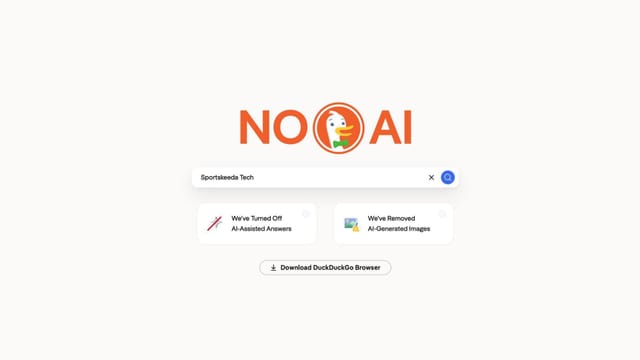
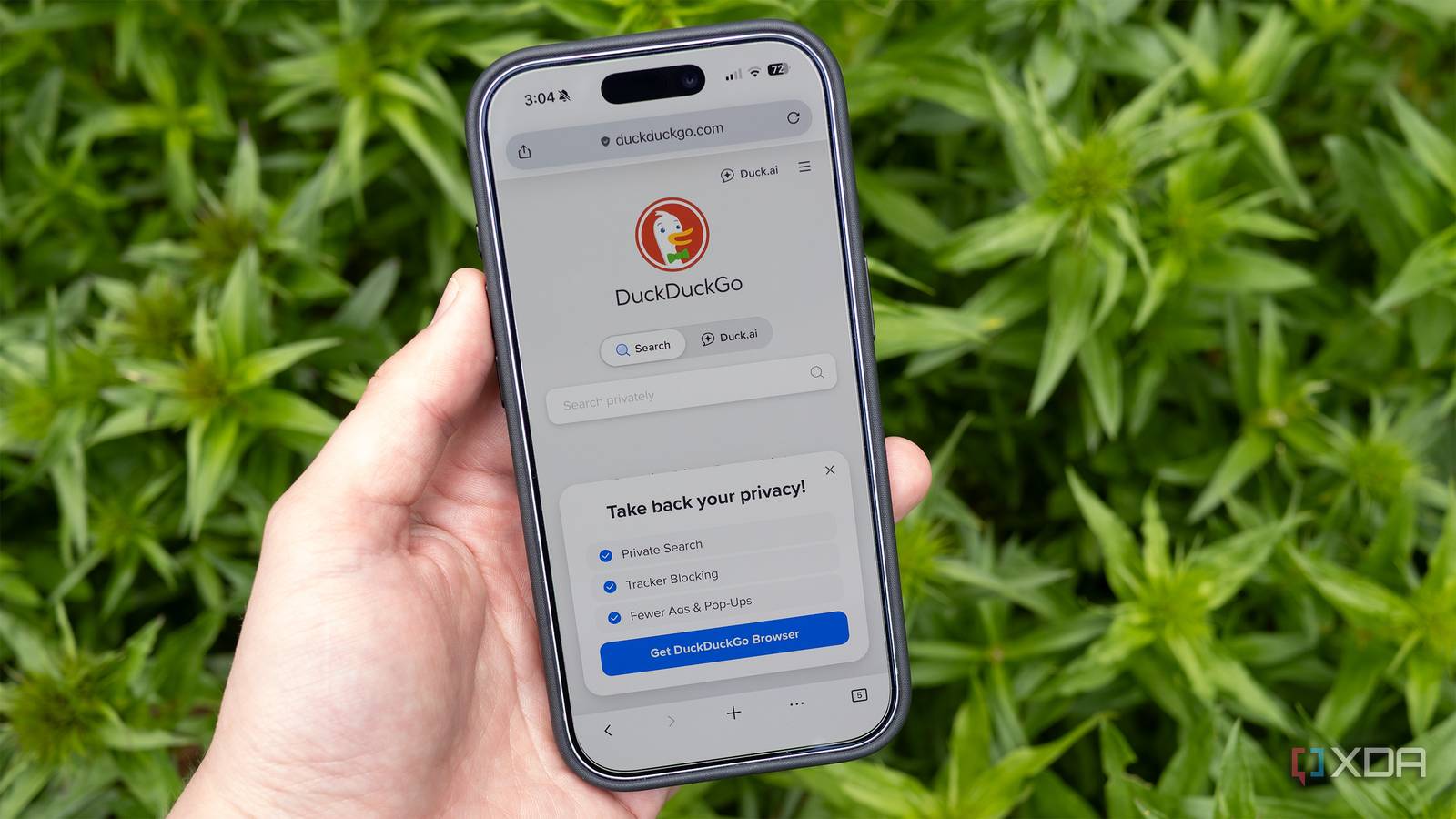
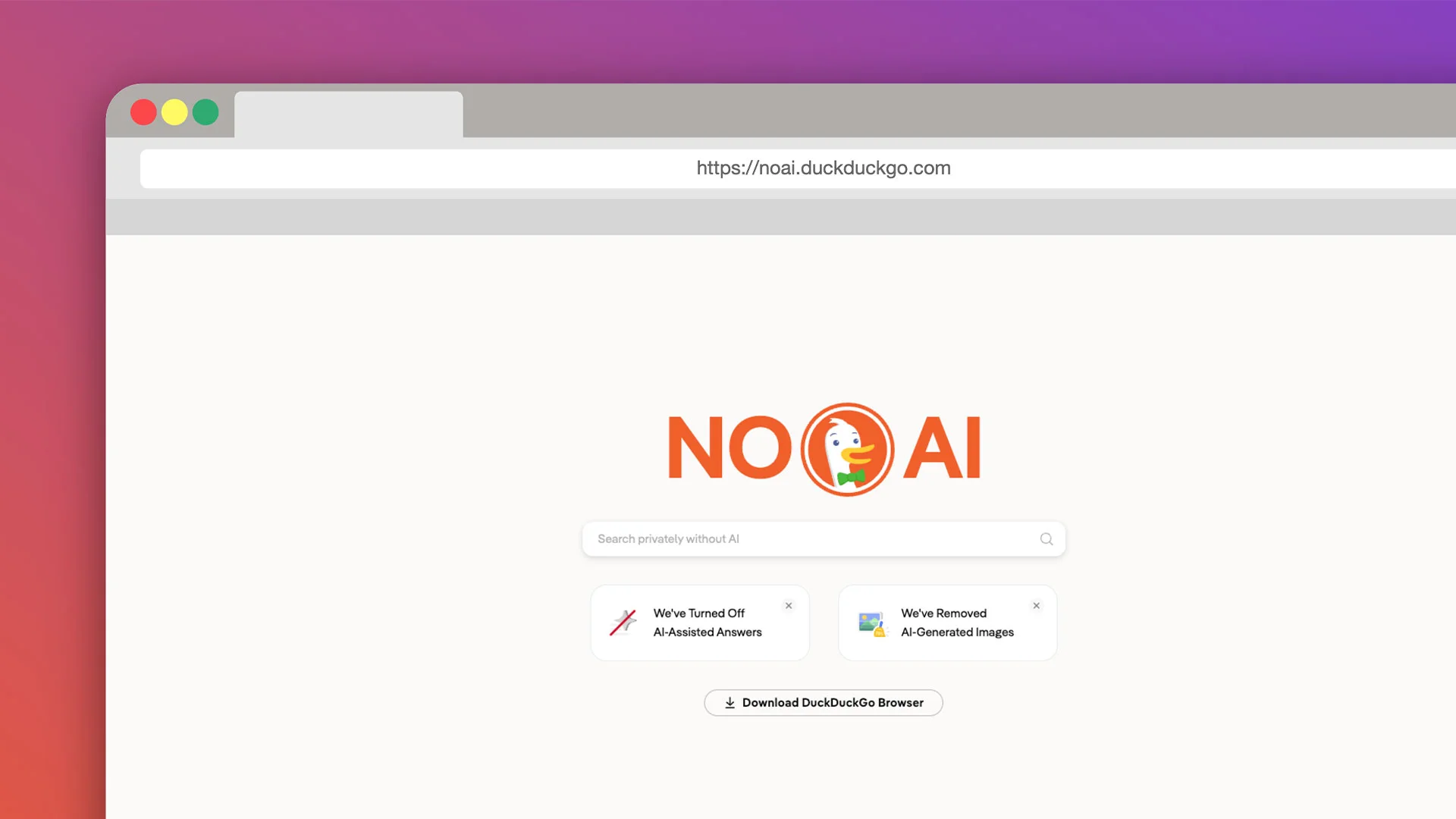
Google's forced AI integration into core search functionality is triggering unprecedented user migration to privacy-focused alternatives, with DuckDuckGo experiencing 30-37% installation growth spikes following Google I/O announcements in May 2025-2026. This represents a fundamental shift in search behavior that directly impacts e-commerce seller visibility and customer acquisition strategies. DuckDuckGo's AI-free search page (noai.duckduckgo.com) saw 22.7% average week-over-week growth with peaks of 27.7%, indicating sustained user demand for traditional link-based results over AI-generated responses. iOS installations specifically reached 69.9% growth on peak days, suggesting mobile-first consumers are most sensitive to forced AI integration.
For e-commerce sellers, this fragmentation creates both immediate risks and strategic opportunities. Sellers currently optimizing exclusively for Google Search face potential traffic loss as measurable user segments migrate to alternative platforms. The news indicates this isn't temporary fluctuation—DuckDuckGo's growth persisted through Memorial Day weekend when traffic typically declines, signaling sustained behavioral change. Sellers must immediately audit their search visibility across multiple platforms: Google Search (traditional link results), Google Search (AI Mode), and DuckDuckGo (both standard and AI-free modes). This requires different optimization strategies—Google's AI Mode prioritizes conversational queries and image/file uploads, while DuckDuckGo's traditional mode rewards keyword-focused, link-based content.
The competitive intelligence opportunity is substantial. Sellers can use AI-powered analytics tools to identify which customer segments are migrating to DuckDuckGo by analyzing traffic source patterns and search query behavior. Tools like SEMrush, Ahrefs, and Moz now offer DuckDuckGo search volume data, enabling sellers to discover high-intent keywords with lower competition on alternative platforms. Sellers in privacy-sensitive categories (health, finance, personal care) should prioritize DuckDuckGo optimization immediately, as these segments show highest migration rates. Additionally, sellers can automate competitor tracking across search platforms using AI tools to identify which competitors are capturing traffic on DuckDuckGo versus Google, revealing market gaps.
Automation opportunities exist across three critical areas: (1) Search visibility monitoring—implement AI-powered tools like Semrush or Moz to automatically track keyword rankings across Google and DuckDuckGo simultaneously, saving 5-8 hours weekly of manual checking; (2) Content optimization—use AI writing assistants to generate DuckDuckGo-optimized content emphasizing traditional link value and keyword clarity rather than conversational AI-friendly phrasing; (3) Bid management—for sellers using paid search, AI tools can automatically adjust PPC budgets across Google Ads and DuckDuckGo's advertising platform based on real-time conversion data, optimizing spend allocation as user distribution shifts. The ROI is immediate: sellers capturing even 5-10% of migrating traffic can offset declining Google visibility while establishing competitive moats in emerging search channels.
Questions 8
Are there AI product gaps for sellers managing multi-platform search visibility?
Yes, significant gaps exist. Current tools track rankings but don't automatically optimize content across platforms—sellers must manually adjust. No AI tool yet exists that automatically generates platform-specific content variants (Google AI Mode versus DuckDuckGo traditional). Additionally, no tool comprehensively tracks customer journey across search platforms to attribution—sellers can't easily measure which platform drives highest-value customers. An AI tool that automatically A/B tests content across platforms and recommends optimizations would save 10-15 hours weekly. Similarly, unified PPC management across Google Ads and DuckDuckGo with AI budget allocation based on platform-specific conversion rates would streamline operations. These gaps represent $500M+ market opportunity for SaaS builders.
What's the timeline for sellers to implement multi-platform search optimization?
Immediate actions (0-30 days): Audit current search visibility using Google Search Console and DuckDuckGo's search syntax; identify top 50 keywords driving traffic. Strategic implementation (1-3 months): Optimize product listings and content for DuckDuckGo's traditional format; implement automated rank tracking across platforms; test DuckDuckGo paid advertising with $500-1000 budget. Long-term (3-6 months): Scale successful DuckDuckGo campaigns; develop separate content strategies for AI-Mode versus traditional search; establish competitive monitoring across platforms. The urgency is high—DuckDuckGo's growth is accelerating, and early movers capture less-competitive keywords. Sellers waiting 6+ months risk losing first-mover advantage in emerging search channels.