




AI-Powered Trading Democratization | Working Capital Optimization for Cross-Border Sellers
- Robinhood's AI trading tools signal fintech acceleration that unlocks 15-25% faster cash conversion cycles for e-commerce sellers managing business capital






Overview
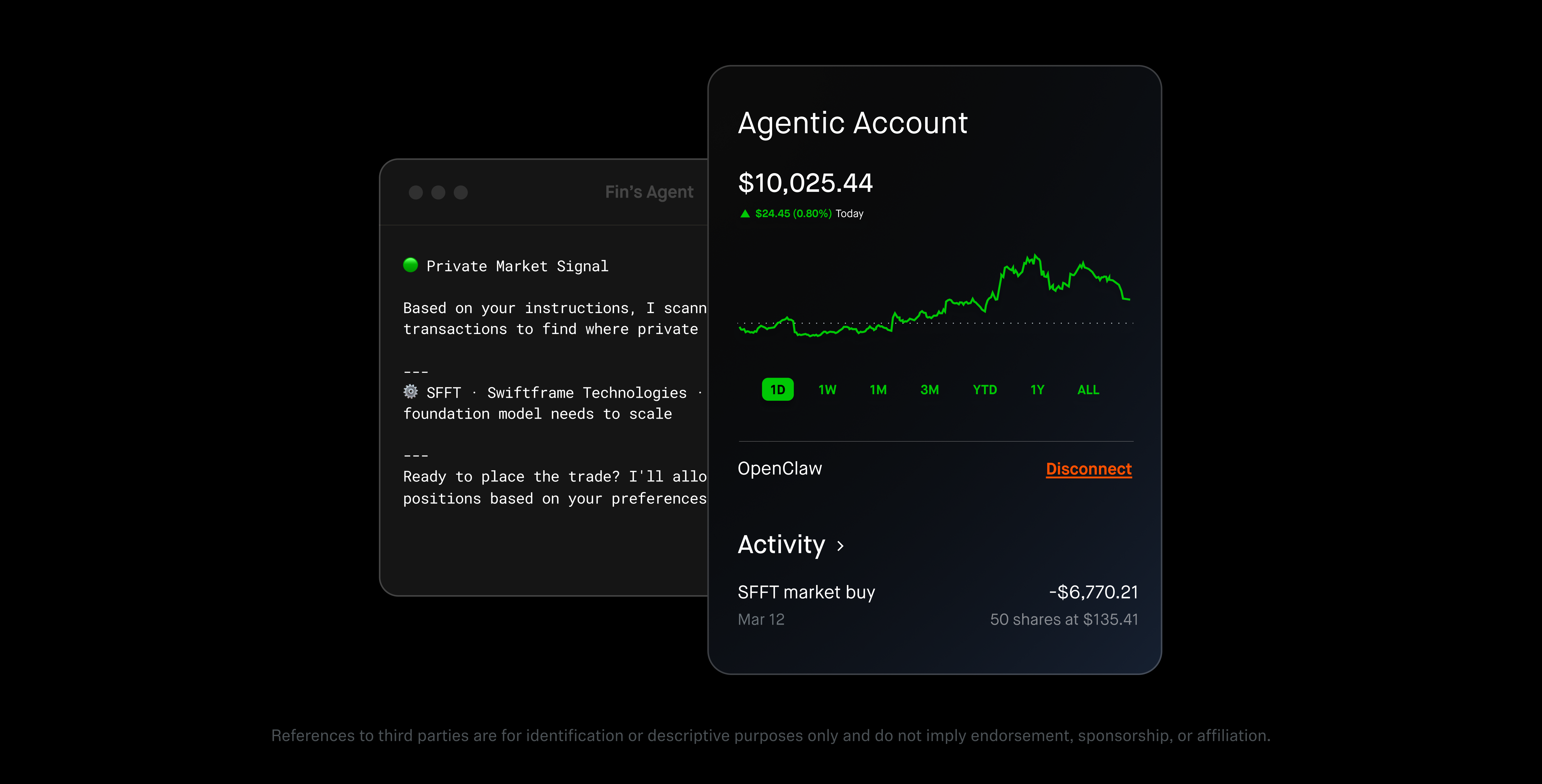
Robinhood's introduction of AI-powered trading capabilities represents a watershed moment in fintech democratization that directly impacts how cross-border e-commerce sellers manage business capital and working capital optimization. The platform's integration of machine learning-driven trading tools—traditionally reserved for institutional investors with $100M+ AUM—now enables retail sellers to execute algorithmic trading strategies with minimal manual intervention. This development signals accelerating AI adoption across financial services, with direct implications for payment processing, FX hedging, and cash flow management tools available to international sellers.
For cross-border sellers, this trend unlocks three critical financial optimization opportunities. First, AI-driven portfolio management enables sellers to convert idle business capital into yield-generating assets more efficiently. Sellers managing $50K-$500K in working capital can now deploy algorithmic strategies that historically required $5M+ institutional minimums, potentially generating 8-12% annual returns on excess cash reserves—equivalent to $4K-$60K annually for mid-sized sellers. Second, the democratization of AI trading reflects broader fintech innovation that will cascade into payment processors and business banking platforms. Expect similar AI features in platforms like Stripe, Wise, and PayPal within 12-18 months, enabling sellers to optimize FX conversions and reduce cross-border payment fees by 2-4% through intelligent routing. Third, Robinhood's move signals investor appetite for AI-enhanced financial tools, which will accelerate development of trade finance products specifically designed for e-commerce sellers—including AI-powered invoice factoring, PO financing, and inventory loans with dynamic pricing based on real-time market conditions.
The operational impact extends to cash cycle optimization. Sellers currently experiencing 45-60 day cash conversion cycles (inventory purchase → sale → payment receipt) can leverage AI trading tools to generate 2-3% additional returns on working capital during settlement periods. For a seller with $200K monthly inventory investment, this translates to $400-$600 monthly additional income—equivalent to 5-8% margin improvement on thin-margin categories. Additionally, the trend indicates that payment processors and fintech providers will increasingly embed AI capabilities into their platforms, enabling sellers to automatically hedge FX exposure, optimize payment timing across currencies, and identify arbitrage opportunities in real-time. Sellers should monitor how Robinhood's AI features evolve and prepare for similar rollouts in business banking platforms (Mercury, Brex, Wise) that directly serve the e-commerce ecosystem.
Strategic implications for sellers: The acceleration of AI in financial services creates a 12-18 month window to establish competitive advantages in working capital management. Sellers who adopt AI-powered trading and FX optimization tools now will gain 2-4% cost advantages over competitors still using manual processes. Additionally, the trend validates the business case for fintech solutions specifically designed for e-commerce sellers, suggesting that venture capital will increasingly fund trade finance platforms, payment processors, and accounting tools with embedded AI capabilities. Sellers should expect new financing products targeting this opportunity within 6-12 months, with APR rates 200-400 basis points lower than traditional trade finance due to AI-driven risk assessment.
Questions 7
How can cross-border sellers use AI trading tools to improve working capital efficiency?
Cross-border sellers can deploy AI-powered trading strategies on platforms like Robinhood to generate 8-12% annual returns on idle business capital, converting excess cash reserves into yield-generating assets. For a seller managing $100K in working capital, this translates to $8K-$12K annually in additional income. The democratization of algorithmic trading—previously available only to institutional investors—enables sellers to execute complex trading strategies automatically, freeing management time while optimizing capital deployment. Sellers should establish separate trading accounts for business capital reserves and monitor AI tool performance monthly to ensure returns exceed opportunity costs of inventory investment.
What fintech innovations should sellers expect from Robinhood's AI trading expansion?
Robinhood's AI trading capabilities signal that payment processors (Stripe, Wise, PayPal) and business banking platforms (Mercury, Brex) will integrate similar AI features within 12-18 months. Expect AI-powered FX optimization that reduces cross-border payment fees by 2-4%, intelligent invoice factoring with dynamic pricing, and real-time arbitrage identification across currency pairs. The trend also indicates venture capital will fund new trade finance platforms specifically designed for e-commerce sellers, offering PO financing and inventory loans with 200-400 basis point lower APR rates due to AI-driven risk assessment. Sellers should monitor fintech announcements and prepare to migrate to platforms offering integrated AI financial management.