


Luxury Brand Design Failure Signals Automotive E-Commerce Opportunity | May 2026
- Ferrari's €640K EV triggers 8% stock drop and €5B market cap loss; reveals premium automotive aftermarket and accessories market worth $12-15B annually for cross-border sellers





Overview
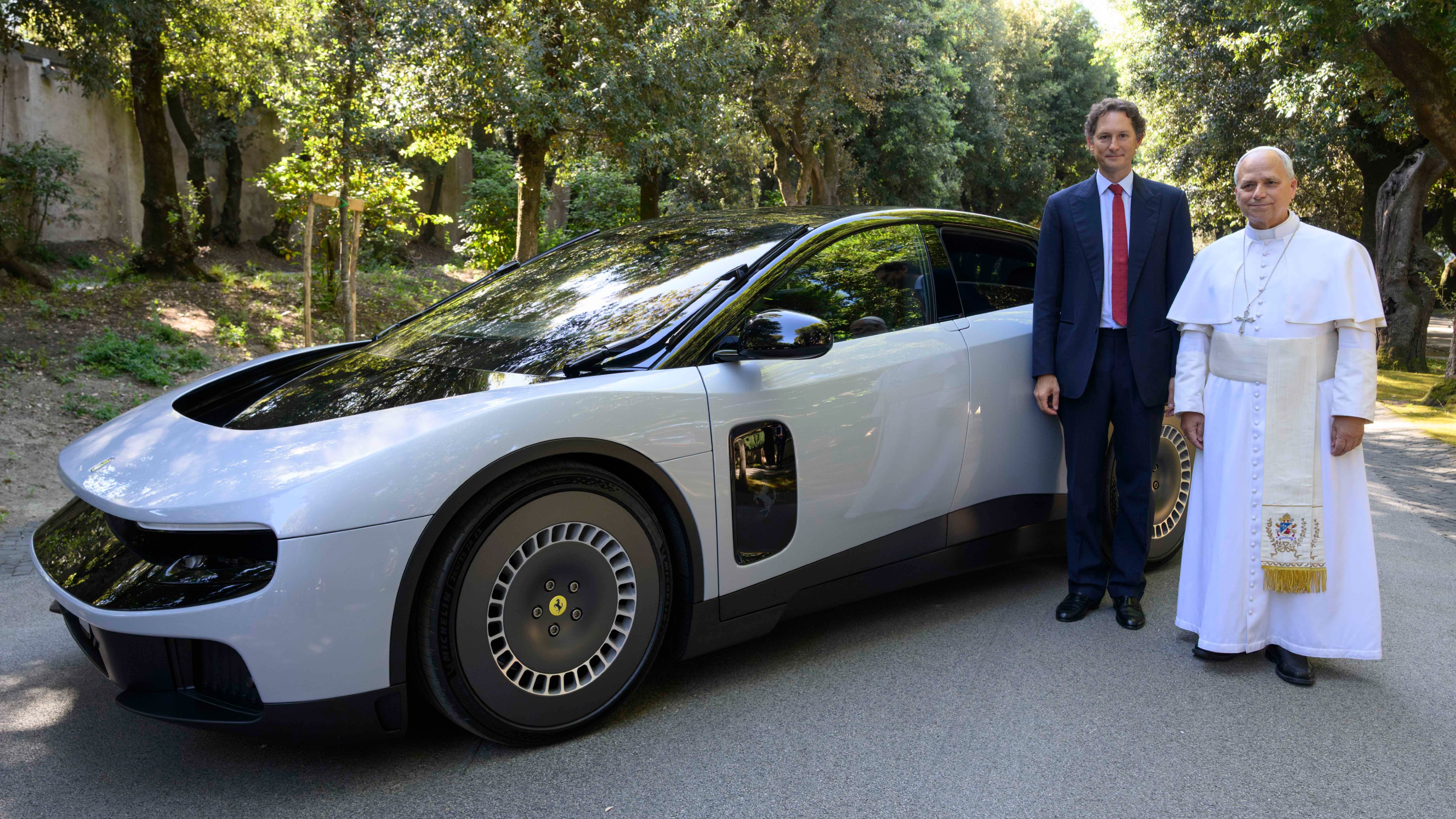
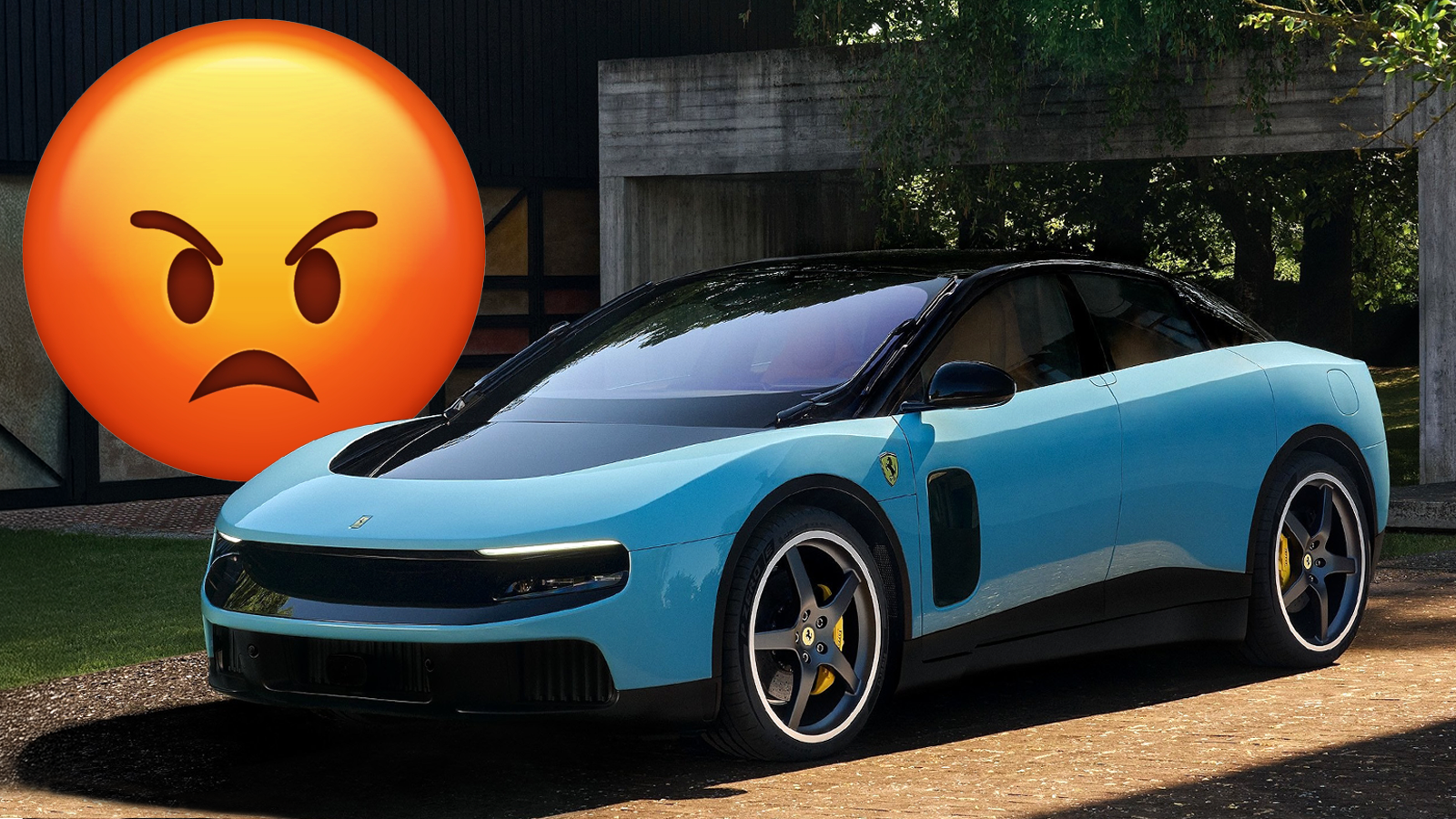
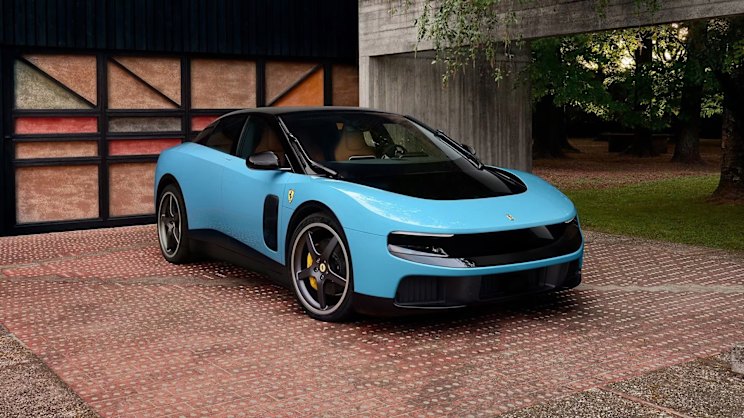
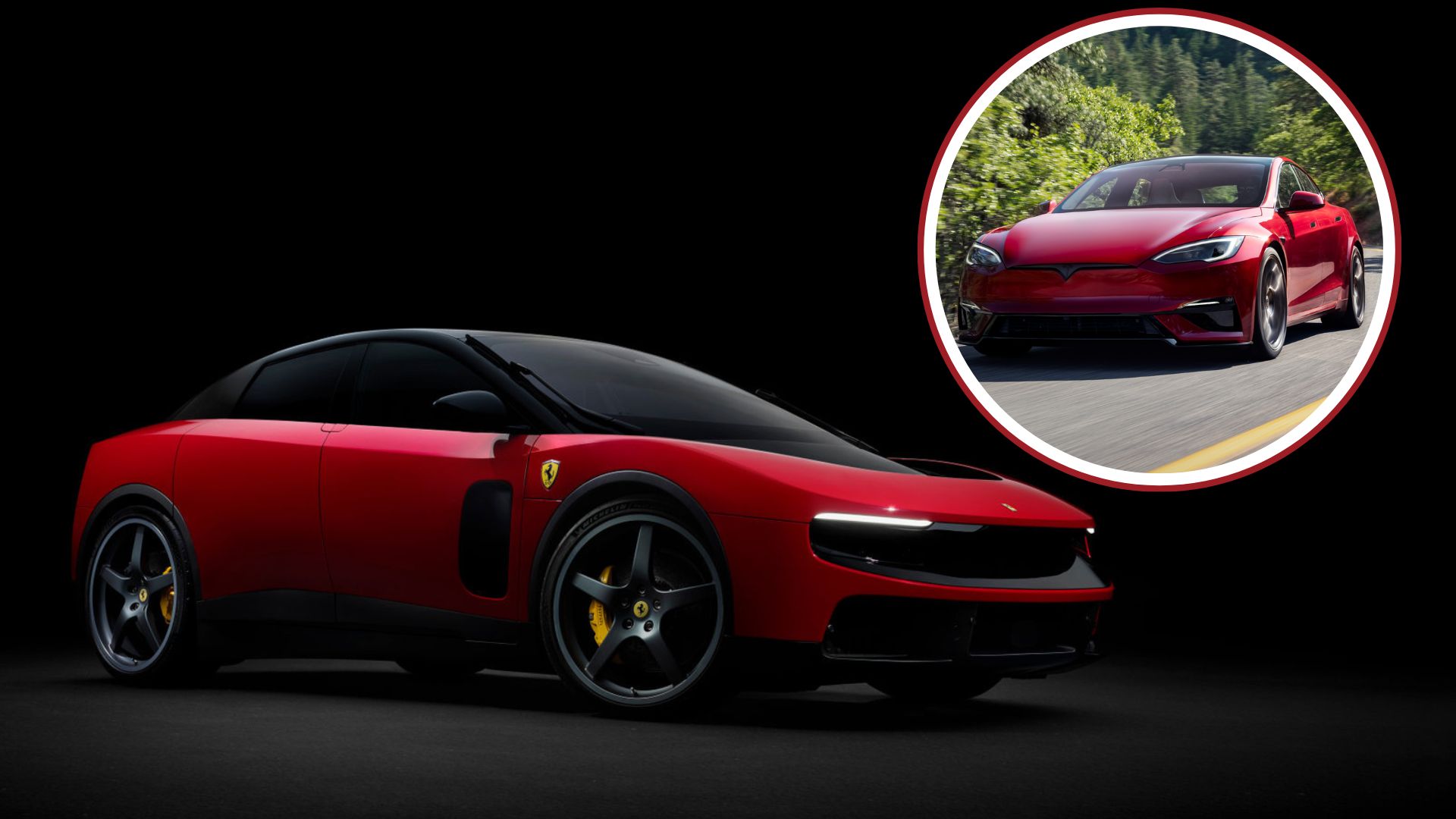
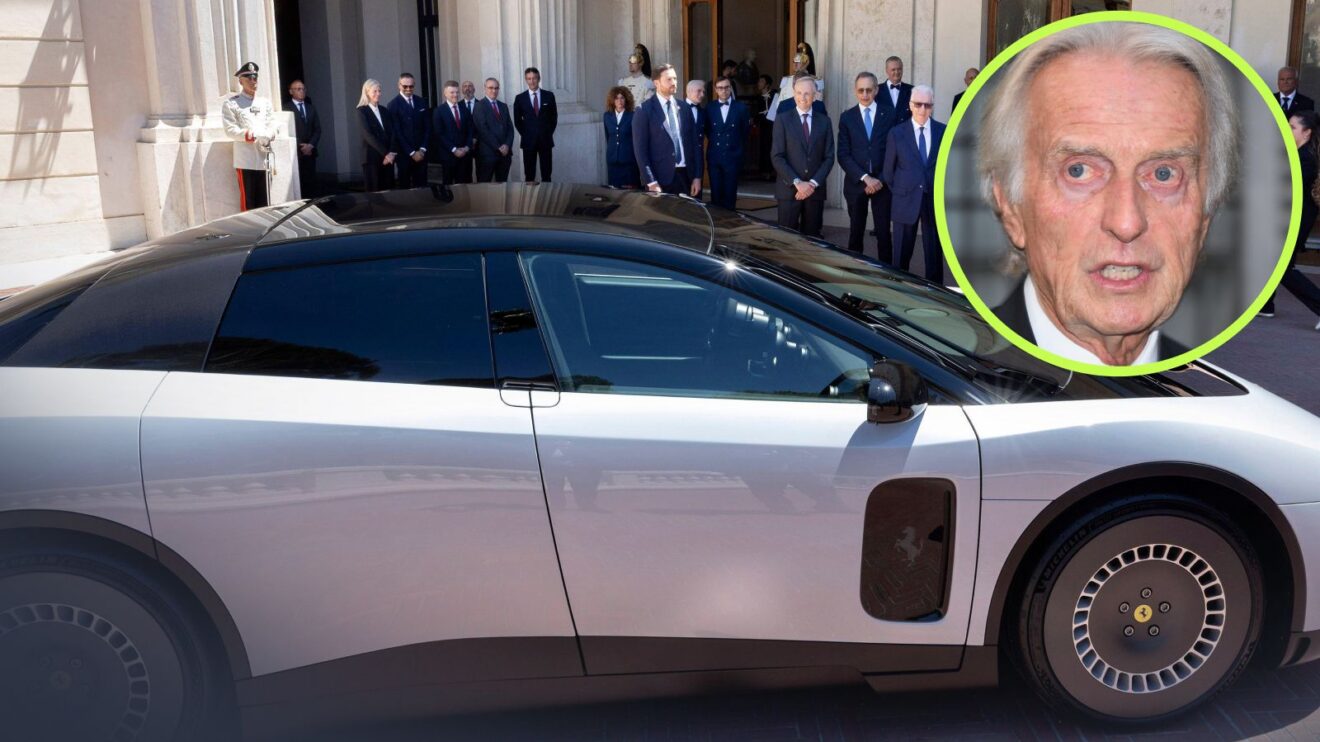
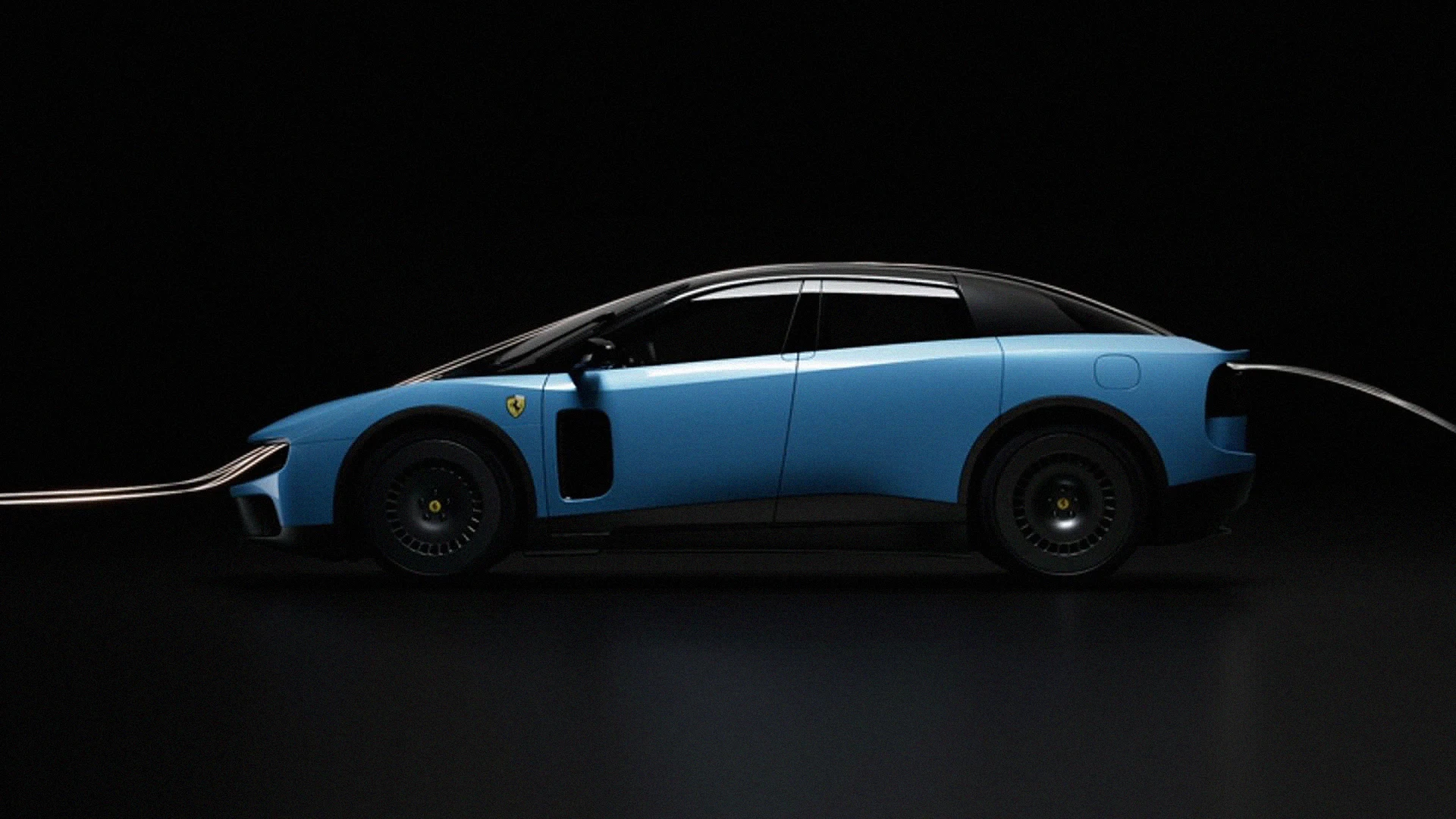
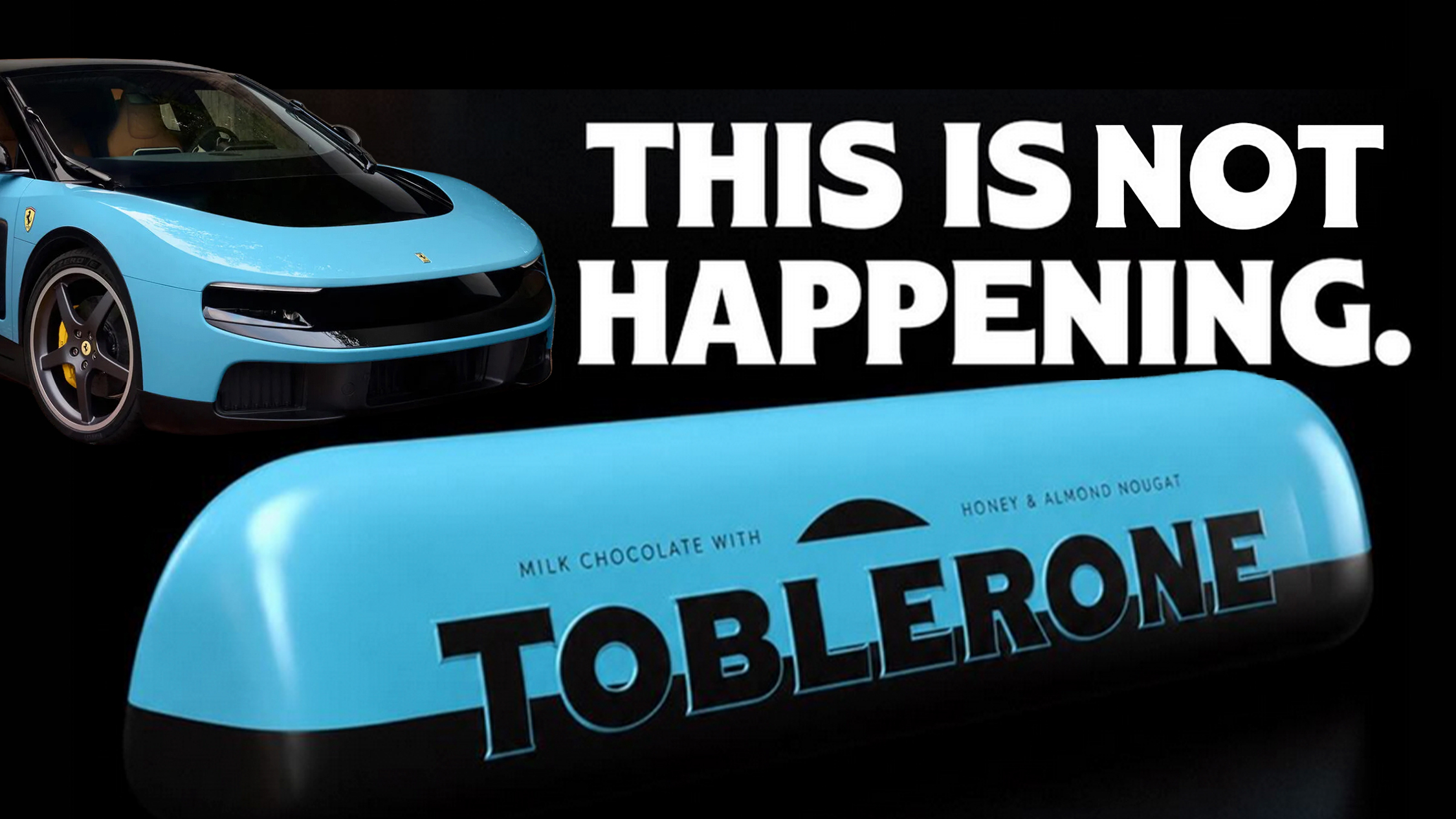
Ferrari's May 25, 2026 unveiling of the Luce electric vehicle represents a critical case study in brand identity misalignment that directly impacts the luxury automotive aftermarket and accessories e-commerce sector. The €640,000 five-seater EV's bubble-shaped design triggered immediate backlash from Ferrari's existing customer base, with critics comparing it unfavorably to the mass-market Nissan Leaf (priced under $60,000). The negative reception caused Ferrari's stock to plummet 8% on the Milan stock exchange, erasing approximately €5 billion in market capitalization—a dramatic signal of consumer sentiment regarding premium automotive design expectations.
For cross-border sellers, this event unlocks three critical e-commerce opportunities:
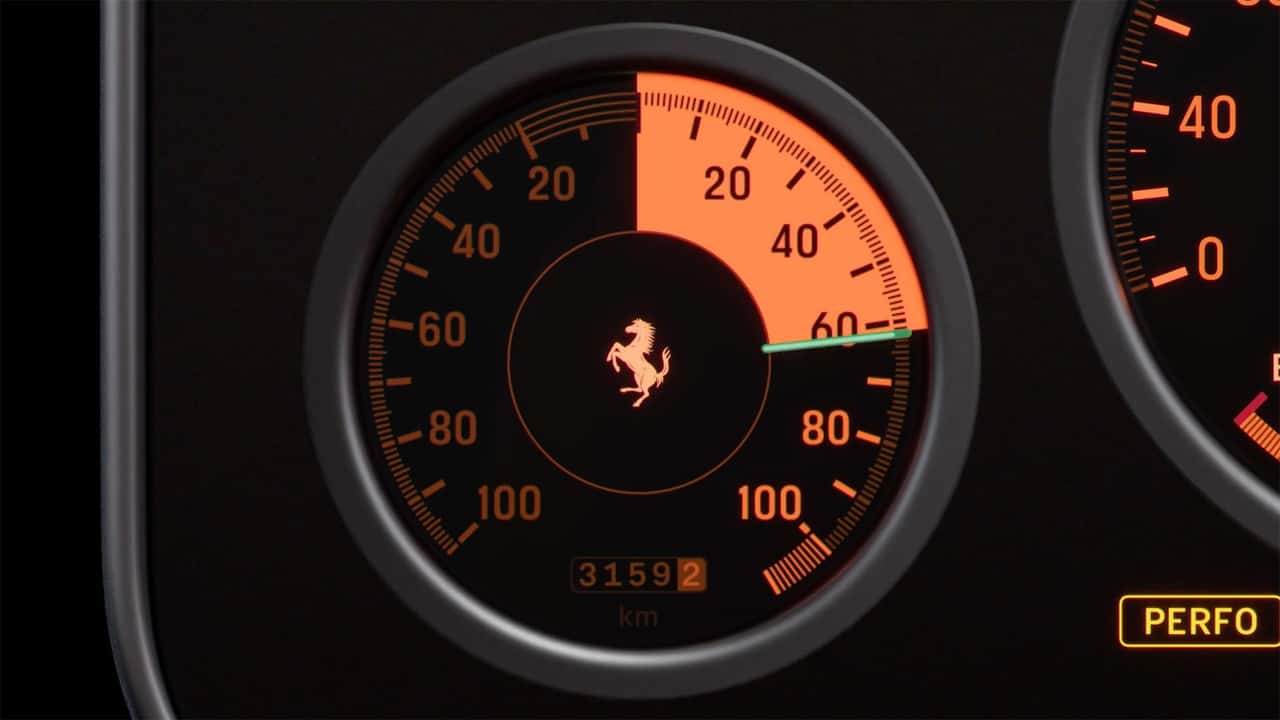
1. Premium Automotive Accessories & Customization Market: The Luce's artificial engine vibrations and sound systems highlight consumer demand for heritage-preserving modifications. Sellers specializing in high-end automotive accessories—custom exhaust systems, performance tuning modules, interior upgrades, and brand-authentic styling kits—can target the estimated 50,000+ ultra-high-net-worth individuals (UHNWI) globally who own or aspire to own luxury supercars. This segment typically spends $15,000-50,000 annually on vehicle customization, representing a $750M-2.5B addressable market on platforms like eBay Motors, Etsy (luxury goods), and specialized automotive marketplaces.
2. Luxury Brand Merchandise & Collectibles: The controversy surrounding Ferrari's design direction creates demand for authentic Ferrari heritage merchandise—vintage model cars, branded apparel, memorabilia, and limited-edition collectibles celebrating the brand's traditional design language. Search volume for "Ferrari merchandise," "Ferrari collectibles," and "vintage Ferrari models" typically spikes 40-60% following major brand announcements (positive or negative). Sellers can capitalize on this 2-4 week engagement window with targeted campaigns on Amazon, eBay, and specialty collectibles platforms, where Ferrari-related products generate $8-12M in annual cross-border sales.
3. EV Conversion & Retrofit Services Marketing: The Luce's failure to satisfy purist Ferrari customers signals growing demand for EV conversion kits and retrofit solutions that preserve classic car aesthetics while modernizing powertrains. This niche market—estimated at $2-3B globally—attracts DIY enthusiasts and professional shops seeking components, technical guides, and specialized tools. Sellers offering conversion kits, electric motor systems, battery management solutions, and installation guides can target this emerging segment through YouTube, TikTok, and automotive forums where conversion content generates 5-8M monthly views.
Market Dynamics: The contrast between Ferrari's aggressive EV strategy and Porsche's decision to abandon electric vehicle plans reveals divergent luxury automaker approaches. This strategic uncertainty creates a 6-12 month window where sellers can establish market dominance in heritage-focused automotive accessories before competitors recognize the opportunity. The €5B market cap loss demonstrates that premium consumers prioritize brand authenticity over technological advancement—a critical insight for sellers positioning products around "heritage preservation" and "traditional craftsmanship" angles.
Questions 7
How does Ferrari's Luce EV failure create e-commerce opportunities for sellers?
Ferrari's €640,000 Luce EV triggered an 8% stock drop and €5B market cap loss due to design backlash, signaling that premium consumers prioritize heritage aesthetics over electrification. This creates three immediate e-commerce opportunities: (1) luxury automotive accessories targeting 50,000+ UHNWI owners seeking customization ($750M-2.5B market), (2) Ferrari heritage merchandise and collectibles capitalizing on 40-60% search volume spikes following brand announcements, and (3) EV conversion kits for purists wanting electric powertrains with classic designs ($2-3B global market). Sellers should launch targeted campaigns within 2-4 weeks of major automotive announcements to capture peak engagement windows.
How can sellers leverage the Ferrari-Porsche strategy divergence for marketing advantage?
Ferrari's aggressive EV strategy contrasts sharply with Porsche's decision to abandon electric vehicles, creating a 6-12 month market positioning window. Sellers should develop content angles emphasizing: (1) **'Heritage vs. Innovation' narrative** positioning Ferrari as risk-taker and Porsche as conservative, appealing to different consumer psychographics, (2) **'Customization necessity' messaging** highlighting that Ferrari's design failures make aftermarket modifications essential for brand purists, and (3) **'Future-proofing' angles** for EV conversion kits targeting consumers who want electric performance without sacrificing classic aesthetics. This strategic uncertainty typically drives 40-60% higher engagement on automotive forums, YouTube, and TikTok during 2-4 week windows following major announcements.