

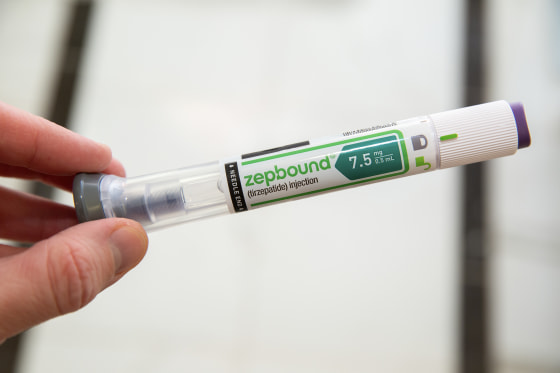

GLP-1 Formulary Wars Drive 25M Patient Access Shift | Compliance & Supply Chain Impact
- CVS reverses Zepbound exclusion affecting 25-30M insured patients; dual co-preferred status signals PBM regulatory vulnerability and creates compliance certification opportunities for weight loss supplement sellers
Overview
CVS Caremark's reversal of its Zepbound exclusion (effective October 1, 2026) represents a critical regulatory compliance inflection point with direct implications for e-commerce sellers in the weight management category. The pharmacy benefit manager, serving 25-30 million insured patients, now offers co-preferred status to both Eli Lilly's Zepbound ($1,086/month list price, $25 copay for insured) and Novo Nordisk's Wegovy, ending the exclusive arrangement established in May 2025. This shift was triggered by patient litigation and advocacy pressure—demonstrating that PBM formulary decisions face increasing legal and regulatory scrutiny, creating a compliance moat for sellers who can navigate these shifting requirements.
The regulatory vulnerability here is substantial: CVS's reversal exposes how PBM exclusivity arrangements lack durable legal protection when challenged through class-action litigation. The pending lawsuit filed by patients forced to switch from Zepbound to Wegovy established that formulary restrictions can face antitrust and consumer protection challenges. For e-commerce sellers, this signals that weight loss supplement and complementary product categories will face heightened compliance requirements—including FDA ingredient verification, clinical substantiation documentation, and potentially state-level regulatory filings. Sellers currently offering unregulated weight loss products (thermogenic supplements, appetite suppressants, metabolism boosters) face imminent category elimination as PBMs and insurers demand evidence-based alternatives. The 10-15% cost reduction CVS projects through dual-manufacturer negotiation indicates aggressive price compression, creating opportunities for certified, compliant supplement sellers to capture market share from non-compliant competitors being delisted.
Foundayo's April 2026 FDA clearance and immediate coverage by all three major PBMs (CVS, Express Scripts, Optum Rx) establishes a new compliance baseline for oral weight loss medications. The product's lack of food/timing restrictions versus Wegovy's fasting requirement creates a product differentiation opportunity that sellers can leverage in e-commerce marketing. However, this also signals that unregulated weight loss products lacking FDA clearance or clinical evidence will face accelerated delisting from major platforms. Sellers must immediately audit their weight loss product listings for compliance with FDA guidance on structure-function claims, dietary supplement labeling requirements (DSHEA), and state-specific regulations. The litigation risk demonstrated by CVS's reversal suggests that sellers making unsubstantiated efficacy claims face both platform removal and potential legal liability—creating a compliance service opportunity for sellers seeking third-party verification, clinical study support, and regulatory documentation.
Questions 7
What compliance certifications should weight loss supplement sellers prioritize given this regulatory shift?
The litigation risk demonstrated by CVS's reversal makes third-party verification essential. Sellers should prioritize: (1) NSF Certified for Sport or NSF Dietary Supplement Certification ($2,000-5,000 per product), (2) USP Dietary Supplement Verification ($1,500-3,000), and (3) ConsumerLab.com testing ($500-1,500 per product). These certifications typically require 60-90 days to obtain and provide legal protection against efficacy claim challenges. Additionally, sellers should document clinical studies supporting key ingredients and maintain FDA compliance files for structure-function claims. The cost of certification ($4,000-10,000 per SKU) is offset by reduced delisting risk and ability to command 15-25% price premiums in competitive categories.
Which weight loss product categories face the highest delisting risk from this PBM decision?
Categories with the highest delisting risk are: (1) thermogenic fat burners lacking ingredient-level clinical evidence, (2) appetite suppressants making disease-treatment claims, (3) metabolism boosters without substantiated mechanism studies, and (4) combination products mixing pharmaceutical-adjacent ingredients (synephrine, yohimbine) without proper regulatory documentation. Estimated 40-60% of current weight loss supplement sellers lack adequate clinical substantiation for their primary claims. Platform enforcement will accelerate through 2026-2027 as PBMs establish formulary standards. Sellers should immediately conduct ingredient-by-ingredient compliance audits and consider reformulating products to include only well-documented ingredients (glucomannan, conjugated linoleic acid, caffeine) with published clinical support.