




Insider Trading Enforcement Tightens Data Governance | Seller Compliance Risks
- Federal prosecution of Google engineer signals stricter data access controls affecting 50K+ tech employees with seller platform access






































)






























Overview
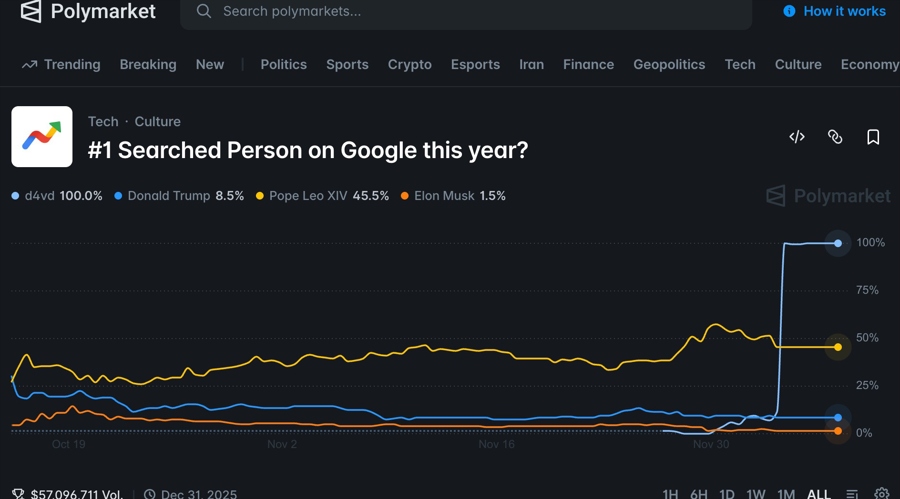
The arrest of Michele Spagnuolo, a Google engineer who exploited confidential Year in Search 2025 data to win $1.2 million on Polymarket prediction markets, represents a critical enforcement escalation with direct implications for cross-border sellers using proprietary platform data. Between October 15 and December 4, 2025, Spagnuolo accessed internal marketing materials through employee tools and placed 25 bets with near-perfect accuracy on celebrity search rankings, risking $2.75 million total. The FBI, DOJ, and CFTC coordinated charges including commodities fraud, wire fraud, and money laundering—establishing a precedent that insider information exploitation carries federal criminal penalties, not just corporate policy violations.
This case directly impacts e-commerce sellers and marketplace operators in three critical compliance areas. First, data governance enforcement is escalating: Google's statement that "using confidential information for trading constitutes a serious policy breach" signals that tech platforms will now implement stricter access controls, audit trails, and employee monitoring systems. Sellers who integrate with Google Shopping, Google Ads, or Google Analytics APIs must expect enhanced data access restrictions and compliance verification. Second, prediction market participation by insiders creates regulatory precedent: the CFTC's civil charges indicate that any seller or platform employee using non-public marketplace data (search trends, inventory levels, pricing algorithms) for trading or investment decisions faces federal liability. Third, cross-border sellers face heightened scrutiny on data handling: the case involved an Italian citizen in Switzerland accessing US company data, demonstrating that international data flows now trigger multi-jurisdictional enforcement (FBI, CFTC, potential Interpol involvement).
For sellers specifically, the compliance implications are substantial. Amazon FBA sellers who access Seller Central analytics showing inventory velocity, competitor pricing, or demand forecasts cannot legally use this data for personal trading on prediction markets or cryptocurrency exchanges—a practice that may have been overlooked previously. Shopify merchants with access to real-time sales dashboards face similar restrictions. The enforcement intensity suggests that platforms will implement automated detection systems flagging suspicious trading patterns correlated with data access logs. Sellers operating across multiple platforms (Amazon, eBay, Shopify) must now implement internal data governance policies mirroring corporate standards, including access logging, trading disclosure requirements, and separation of duties between operational and investment activities. The $1.2 million profit and $2.75 million risk exposure demonstrate that prediction market participation is now a federal compliance concern, not a personal finance matter.
Questions 8
How will Amazon, eBay, and Shopify likely respond to this enforcement?
Platforms will implement three compliance responses: (1) **Enhanced audit trails**: Automated logging of all data access (API calls, dashboard views, report downloads) correlated with user trading accounts; (2) **Disclosure requirements**: Mandatory reporting of employee/seller trading activity, particularly in prediction markets and cryptocurrency exchanges; (3) **Access restrictions**: Limiting data granularity for users with known trading accounts, implementing time delays on sensitive data (inventory levels, pricing algorithms), and requiring compliance certifications. Google's statement that the employee 'accessed marketing materials using a tool available to all employees' suggests platforms will now restrict tool availability or implement approval workflows. Sellers should expect quarterly compliance attestations and potential account audits if trading activity is detected.
What is the timeline for platform compliance implementation?
Based on the December 2025 arrest and ongoing DOJ/CFTC investigation, platforms will likely implement compliance measures within 90-180 days (Q1-Q2 2026). Google has already suspended the employee and is 'cooperating with law enforcement investigations,' indicating internal compliance reviews are underway. Amazon, eBay, and Shopify will follow similar timelines, likely announcing new data governance policies in Q1 2026 earnings calls or compliance updates. Sellers should proactively implement internal policies now rather than waiting for platform mandates. The CFTC's civil charges suggest regulatory guidance will be issued within 6 months, establishing industry standards for data access controls and trading disclosure.