
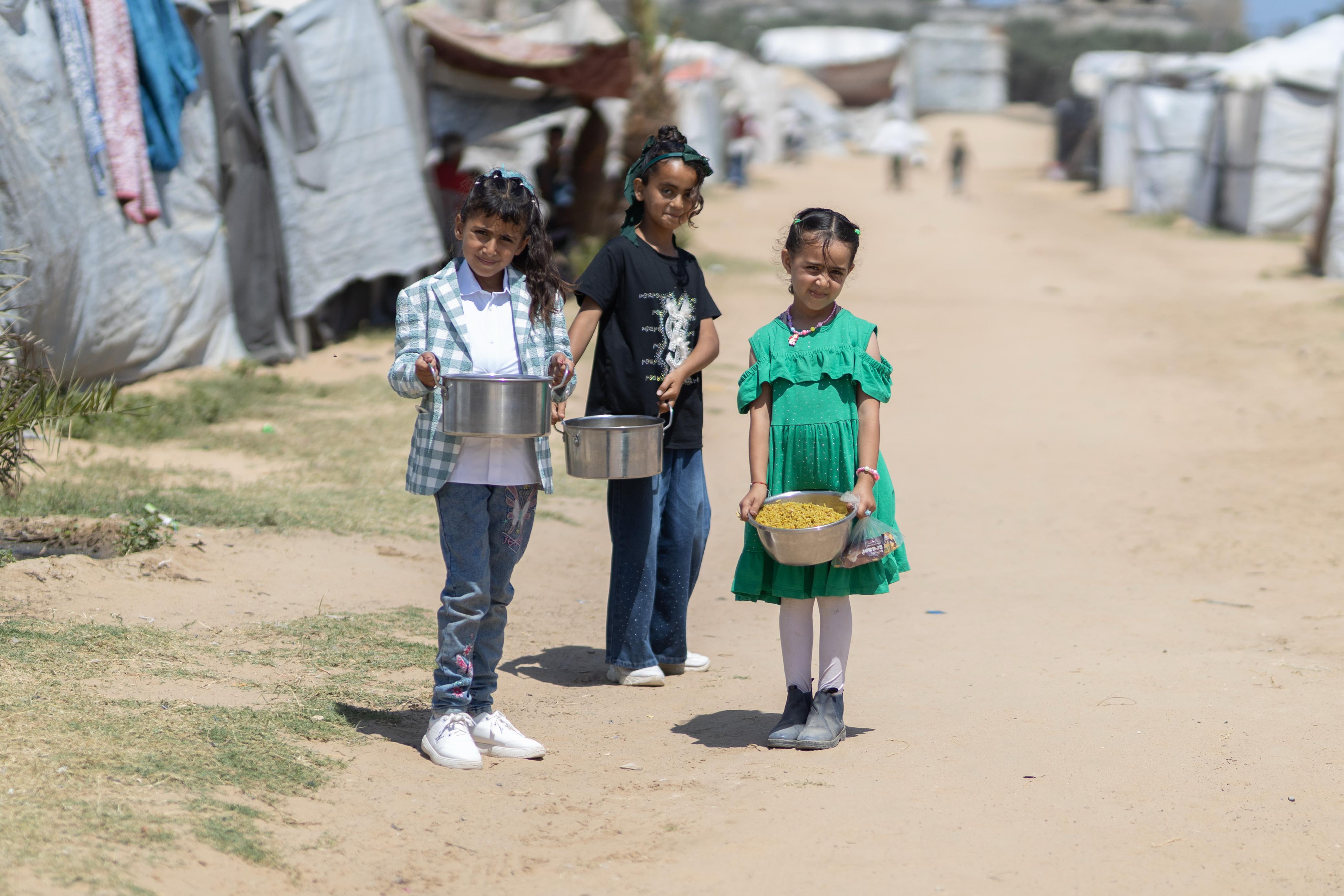

Middle East Supply Chain Crisis | 800% Price Inflation Reshapes Regional E-Commerce Demand
- Shipping costs surge 8x pre-war levels; livestock market collapse creates $2B+ frozen meat import opportunity for cross-border sellers targeting Middle East markets



















Overview
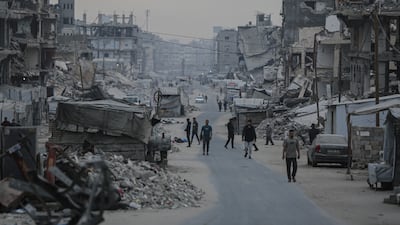
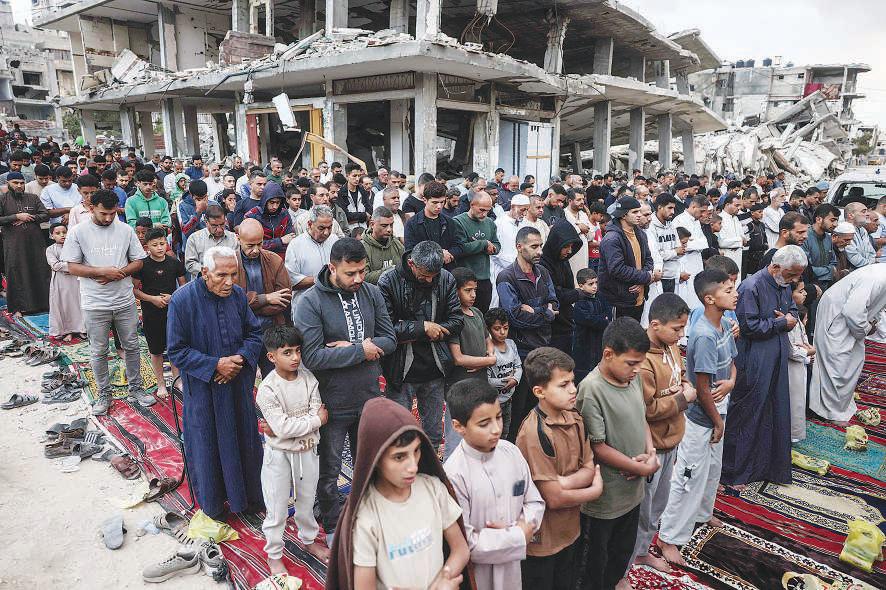
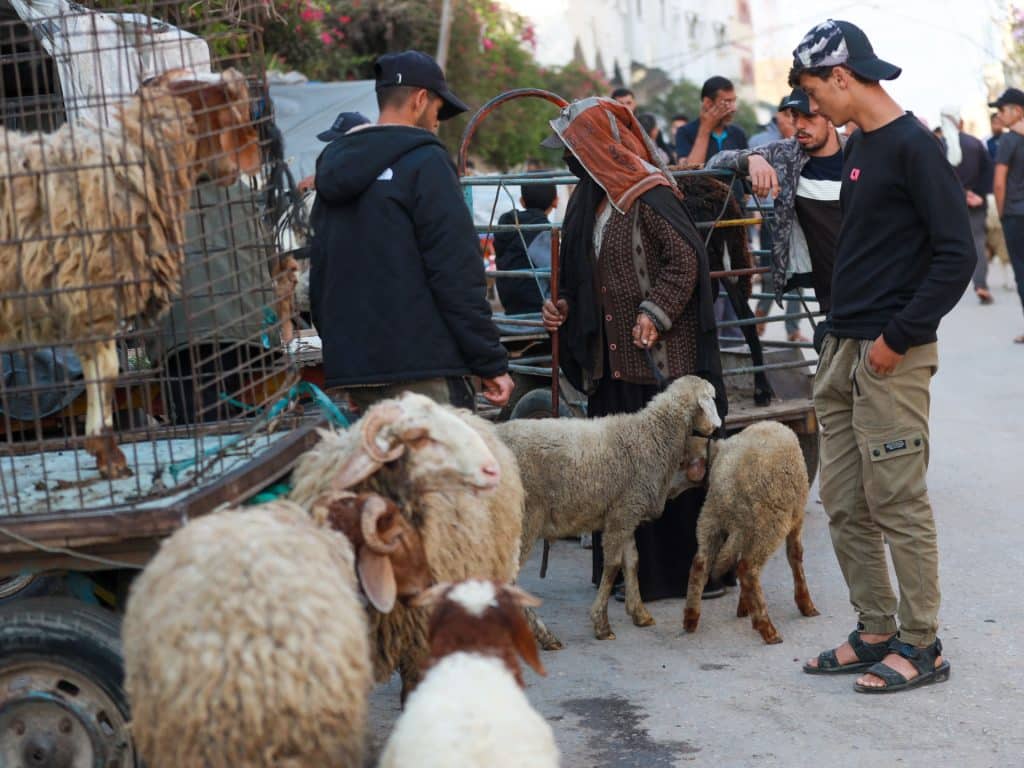
The Gaza conflict has created a critical supply chain disruption with direct implications for cross-border e-commerce sellers operating in or trading with Middle Eastern markets. According to Al Jazeera reporting, livestock prices have skyrocketed 800-1,200% since October 2023—sheep prices rising from 350-500 shekels to 4,500-17,000 shekels—while shipping costs into Gaza have increased approximately 8x pre-war levels. Clothing import costs have surged from 250 shekels to 2,000 shekels per box, directly impacting retail pricing structures across the region. This represents a fundamental market restructuring where frozen meat imports (80% from Israel sourcing Argentine/Uruguayan products, 20% from Egypt) now dominate Gaza's markets as live animal imports remain blocked.
For cross-border sellers, this creates three distinct opportunities and challenges: First, the collapse of traditional livestock commerce has created massive demand for frozen meat products, canned goods, and shelf-stable protein alternatives—categories that historically underperformed in the region but now represent essential consumer purchases. Merchant Amjad Akram reports families are limiting purchases to essentials only, indicating a shift toward value-oriented, non-perishable food products. Second, the 8x shipping cost increase signals that sellers must recalibrate pricing strategies and supply chain logistics for Middle Eastern markets; traditional margin structures become unsustainable at current freight rates. Third, the closure of crossings and restrictions on financial transfers have disrupted both commercial supply chains and charitable donation projects, creating compliance risks for sellers engaged in humanitarian commerce or payment processing to the region.
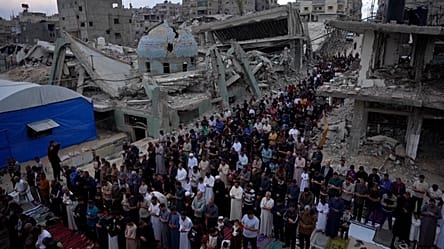
The broader market context reveals consumer behavior transformation: Over 90% of Gaza's livestock farms have been destroyed or damaged, eliminating local production capacity for 5+ years. This forces permanent import dependency for protein sources, creating sustained demand for frozen meat, canned goods, and shelf-stable alternatives. The Ruya charitable foundation previously slaughtered 300-400 animals per season but has ceased operations entirely, indicating that even institutional buyers have shifted to imported frozen products. Families are replacing traditional Eid sacrifices with canned meat—a behavioral shift that signals permanent category migration. For sellers, this means the region's consumer preferences have fundamentally shifted from fresh/local to imported/processed goods, requiring inventory repositioning and marketing strategy adjustments. The humanitarian crisis has accelerated adoption of non-perishable, imported food products by 3-5 years compared to normal market evolution.
Questions 8
How do geopolitical supply chain disruptions affect inventory planning for cross-border sellers?
The Gaza crisis demonstrates how geopolitical conflicts create cascading effects on regional trade infrastructure, shipping costs, and market accessibility. Sellers must implement geopolitical risk monitoring into inventory planning—tracking border closures, shipping route disruptions, and sanctions changes that affect Middle Eastern markets. Current conditions show that traditional supply routes have become unreliable, with shipping costs increasing 8x and crossing closures disrupting financial transfers. Sellers should diversify supplier sources (not relying solely on Israeli or Egyptian imports), maintain 60-90 day safety stock for essential categories, and establish alternative payment processing methods for restricted regions. Implement quarterly geopolitical risk assessments and adjust inventory levels accordingly; consider shifting 20-30% of Middle Eastern inventory to regional 3PL providers to reduce exposure to border disruptions.
What long-term market opportunities exist from the Gaza supply chain restructuring?
The permanent shift from local livestock production to imported frozen/canned goods creates sustained 5-10 year demand for shelf-stable food products in Gaza and surrounding regions. This represents a $2B+ market opportunity for cross-border sellers specializing in frozen meat, canned vegetables, powdered milk, and protein alternatives. The humanitarian crisis has accelerated adoption of imported food products by 3-5 years compared to normal market evolution, creating first-mover advantages for sellers establishing supplier relationships now. Additionally, the collapse of traditional Eid commerce creates opportunities in alternative celebration products—canned/frozen meal kits, festive packaged goods, and value-oriented family bundles. Sellers should develop Middle East-specific product lines and establish long-term supplier agreements to capture this structural market shift.