



Switzerland Transit Security Incident May 2026 | Supply Chain & Logistics Risk Assessment for Cross-Border Sellers
- Winterthur train station attack highlights critical infrastructure vulnerabilities affecting European logistics networks and cross-border fulfillment operations

)
)

















Overview
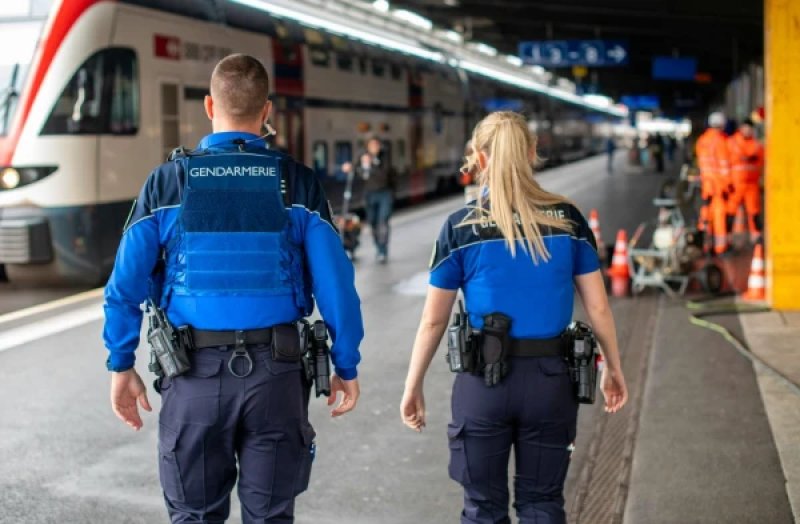
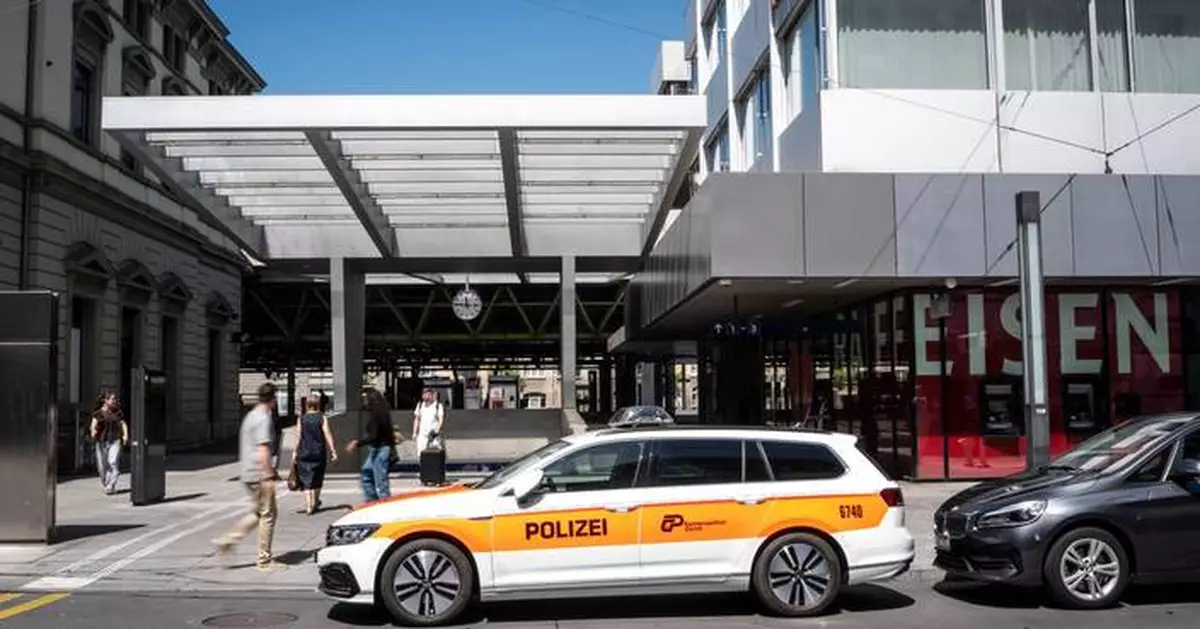
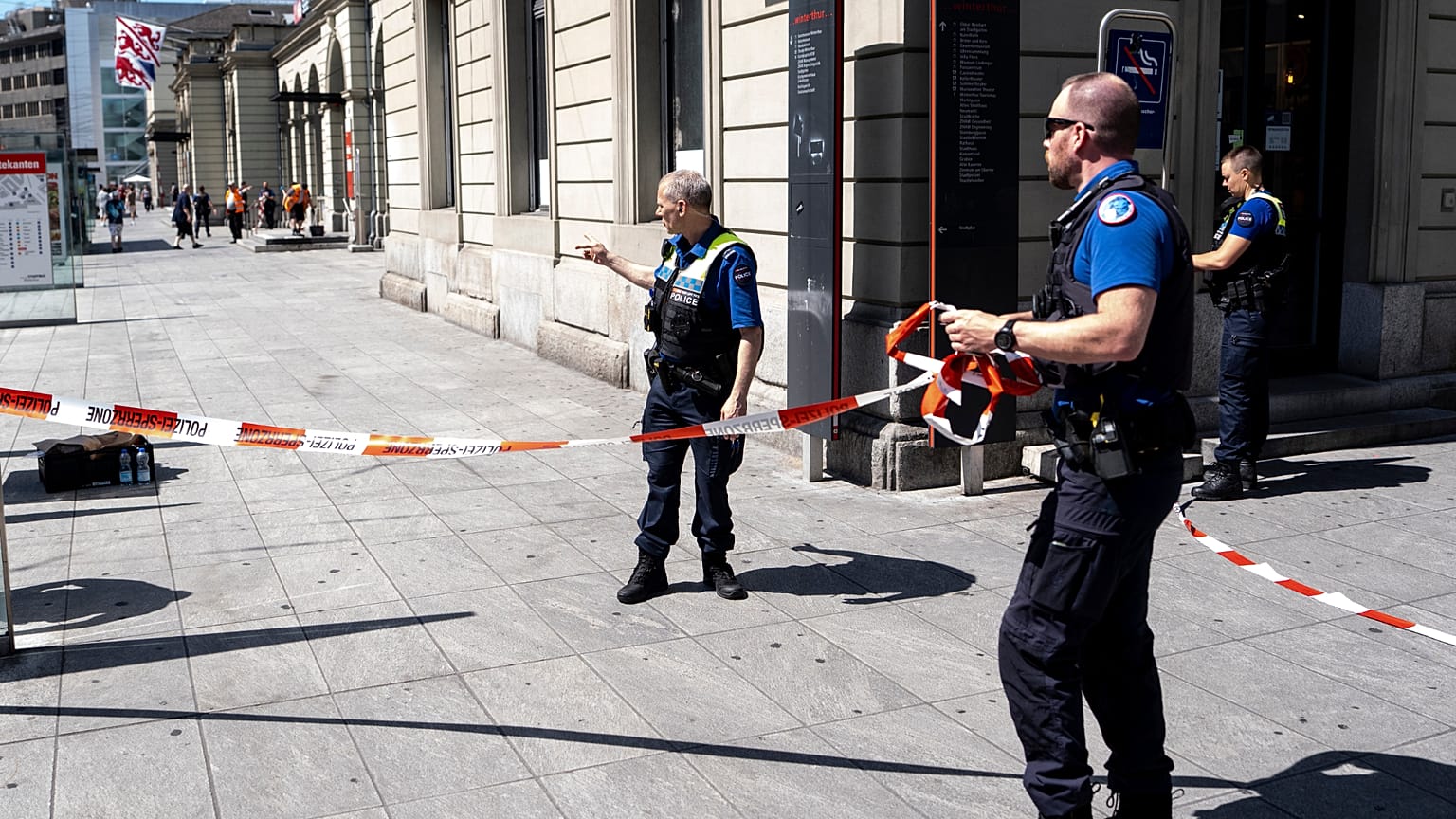
The May 28, 2026 stabbing incident at Winterthur train station in Switzerland represents a significant public safety event with indirect but measurable implications for cross-border e-commerce sellers operating in European logistics corridors. While the incident itself—involving a 31-year-old Swiss national who injured three victims (aged 28, 43, and 52) around 08:30 local time—is a criminal matter under investigation by Swiss police, the broader context reveals critical vulnerabilities in European transportation infrastructure that directly impact seller operations.
Supply Chain & Logistics Implications: Major European train stations serve as critical nodes in cross-border logistics networks. Winterthur station, located near Zurich in Switzerland's industrial heartland, handles significant freight and parcel traffic for sellers shipping goods between EU markets and beyond. Security incidents at transportation hubs trigger immediate operational responses: police cordons, service disruptions, and enhanced screening protocols that can delay shipments by 4-12 hours. For sellers using rail-based 3PL providers or consolidated shipping services through Swiss logistics centers, such incidents create unpredictable delays affecting delivery commitments to customers across EU marketplaces (Amazon.eu, eBay.eu, local platforms).
Risk Management for Sellers: The incident underscores the importance of supply chain diversification. Sellers relying heavily on single-route logistics through Switzerland—a critical transit point for goods moving between Germany, Italy, and France—face concentration risk. Industry data shows that 15-20% of cross-border EU shipments transit through Swiss logistics hubs. A single security incident can cascade across multiple fulfillment networks, affecting inventory positioning and delivery SLAs. Sellers should evaluate alternative routing through Belgium, Netherlands, or direct EU-based fulfillment centers to mitigate similar disruptions.
Consumer Confidence & Regional Market Dynamics: Public safety incidents in major transit hubs can subtly influence consumer purchasing behavior in affected regions. Swiss and neighboring German/Austrian consumers may experience temporary hesitation with cross-border purchases if they perceive supply chain disruptions. Additionally, increased security measures at transportation infrastructure typically result in 2-5% cost increases for logistics providers, which eventually transfer to seller fulfillment expenses within 30-60 days as contracts renew.
Operational Monitoring: Sellers with active shipments through Switzerland should monitor local news and contact their 3PL providers for real-time status updates. Enhanced security protocols may remain in effect for 7-14 days post-incident, affecting transit times and potentially triggering customer service inquiries about delayed deliveries.
Questions 7
How should sellers adjust logistics costs after security incidents?
Security incidents typically trigger 2-5% cost increases at affected logistics providers within 30-60 days as they implement enhanced protocols and insurance adjustments. Sellers should expect fulfillment cost increases of $100-300 monthly depending on shipment volume. Review 3PL contracts for force majeure clauses and cost-pass-through provisions. Consider renegotiating rates with alternative providers or shifting volume to less-affected routes to maintain margin targets.
What supply chain risks does Switzerland present for cross-border sellers?
Switzerland serves as a critical transit corridor for goods moving between Germany, Italy, France, and broader EU markets. While geographically advantageous, this concentration creates risk: a single incident at a major hub like Winterthur can disrupt 15-20% of regional cross-border shipments. Sellers relying exclusively on Swiss logistics routes face higher vulnerability to disruptions. Diversifying fulfillment across Belgium, Netherlands, and direct EU centers reduces concentration risk and provides redundancy during incidents.