


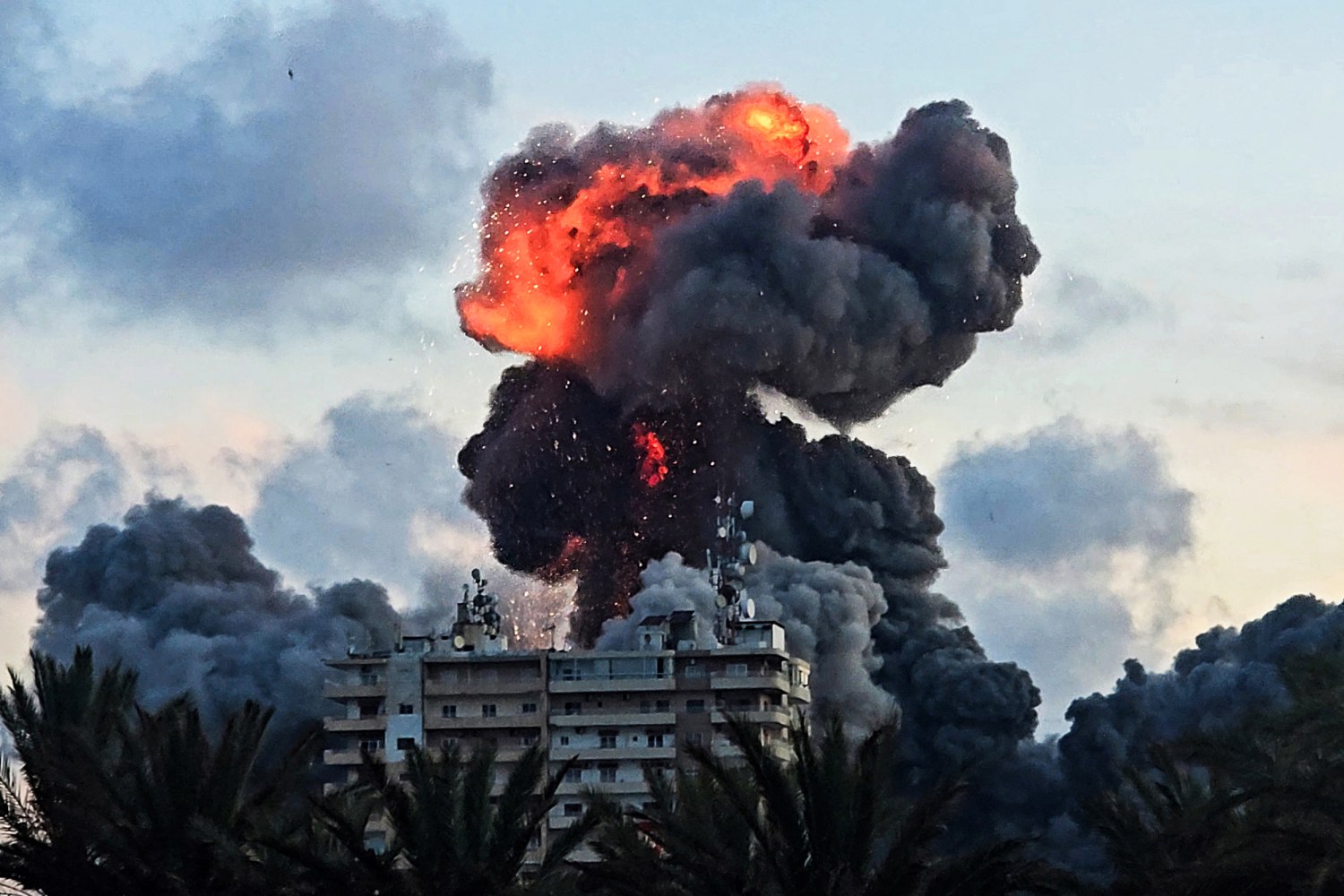
Middle East Conflict Escalation May 2026 | Supply Chain & Logistics Impact for Cross-Border Sellers
- Ceasefire collapses with 135+ daily strikes; Suez Canal shipping routes threatened; insurance costs rising 15-25% for Middle East logistics




















Overview
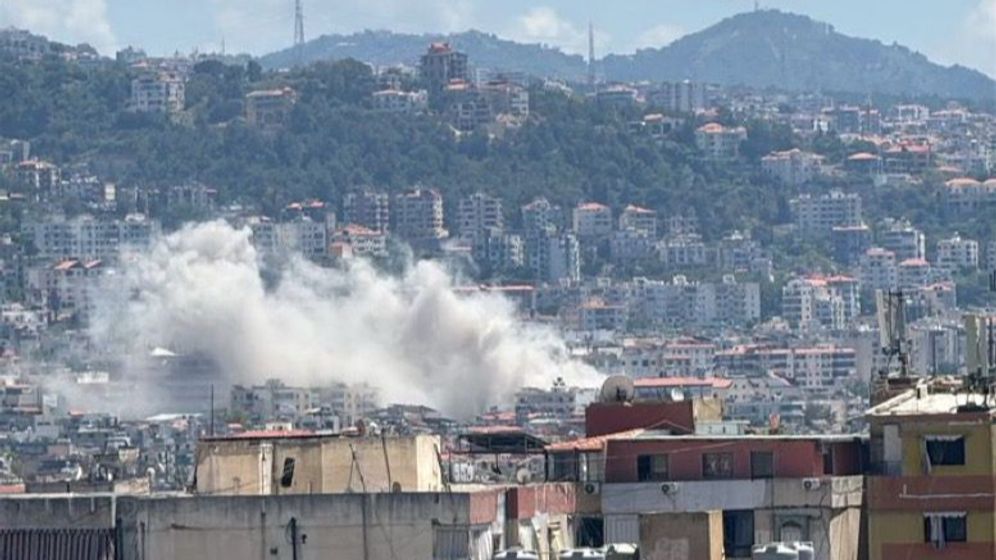
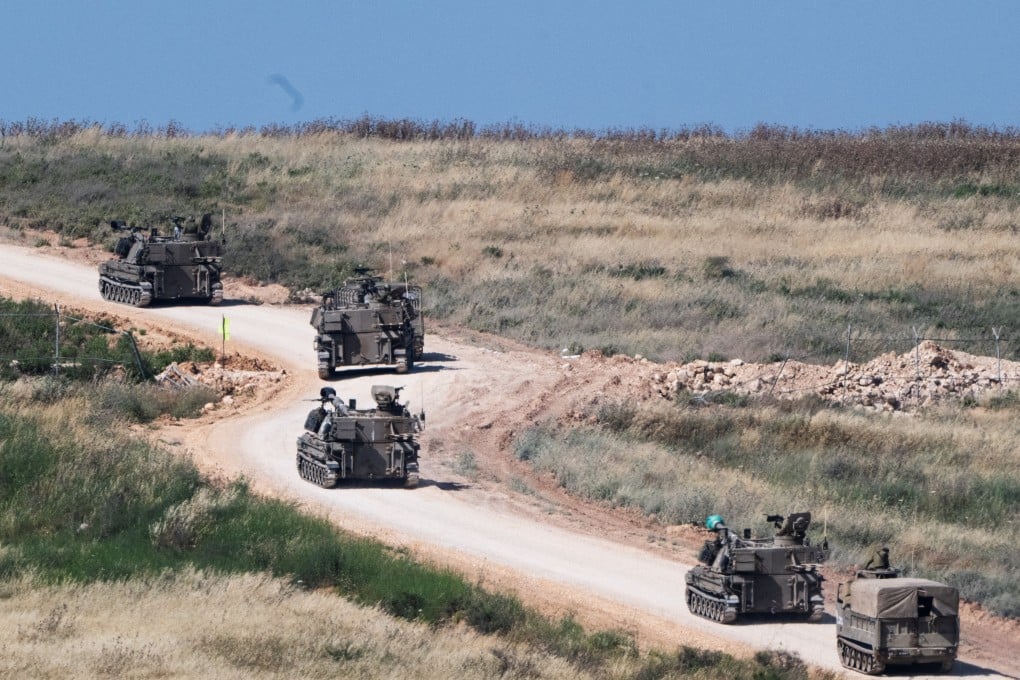
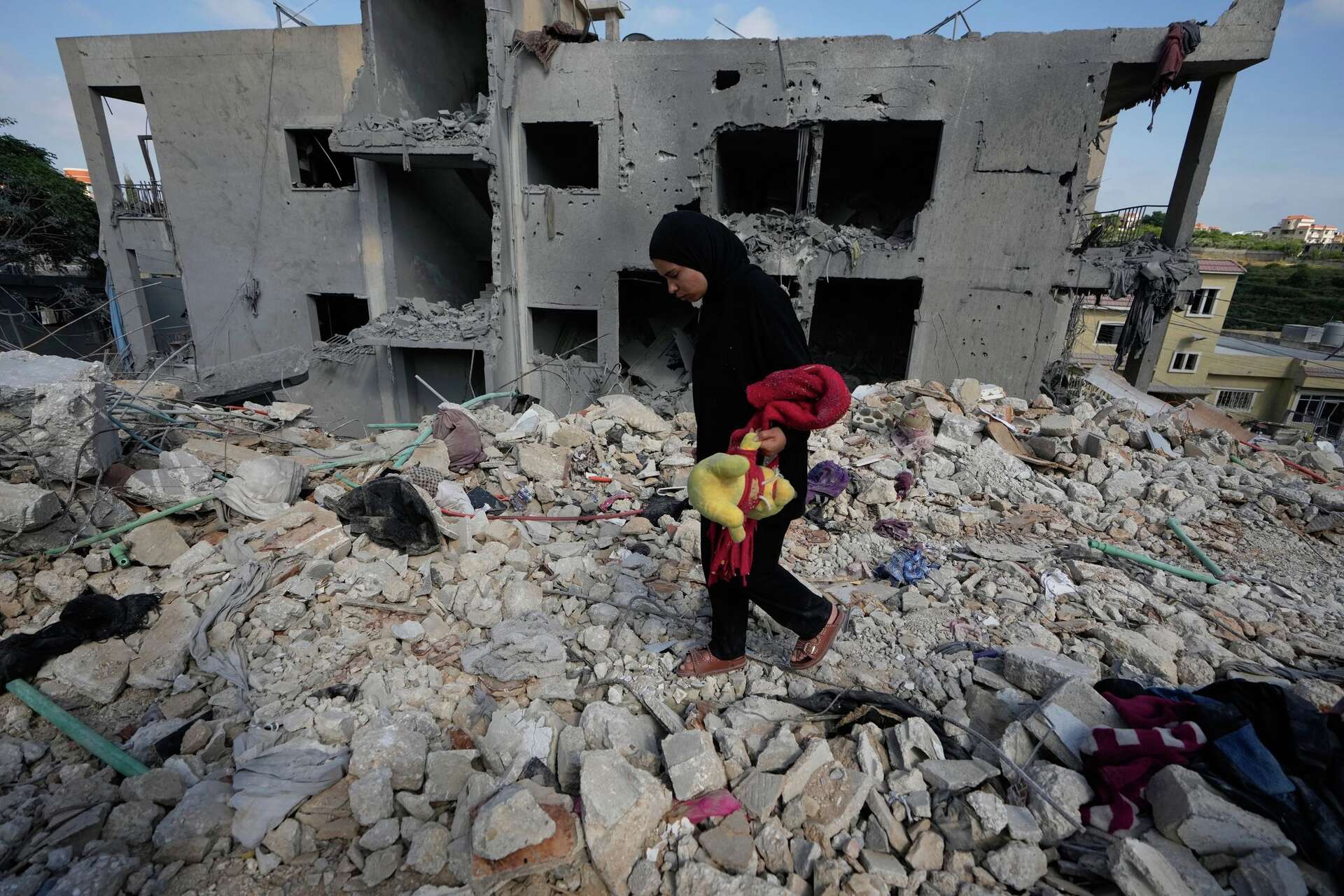
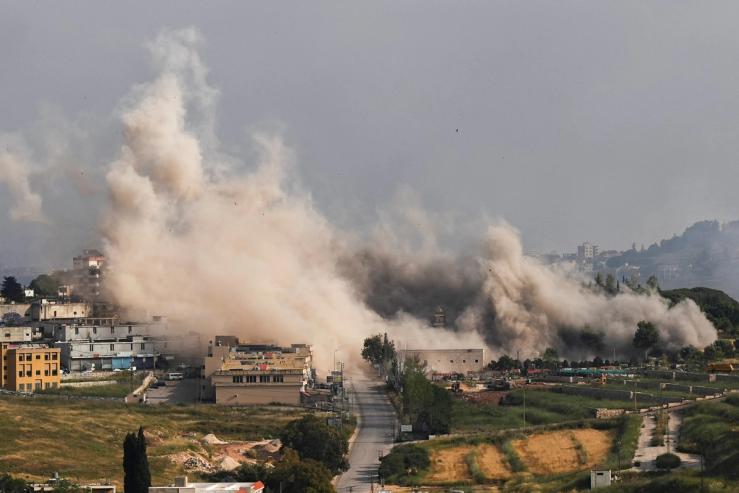
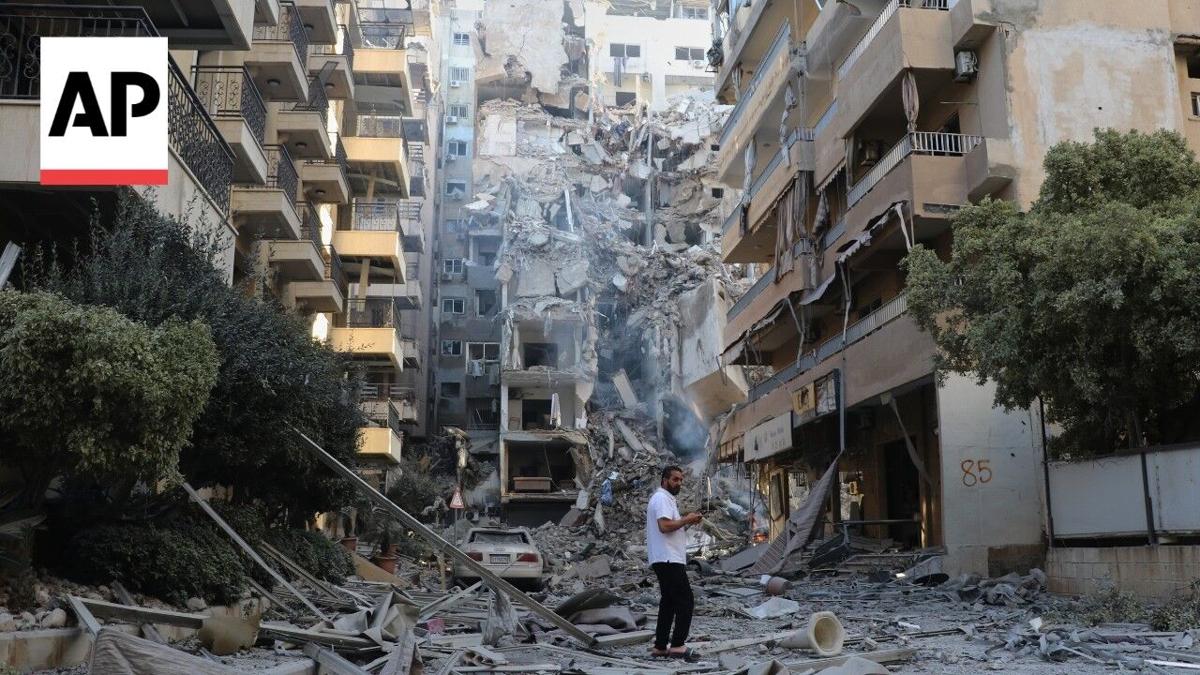
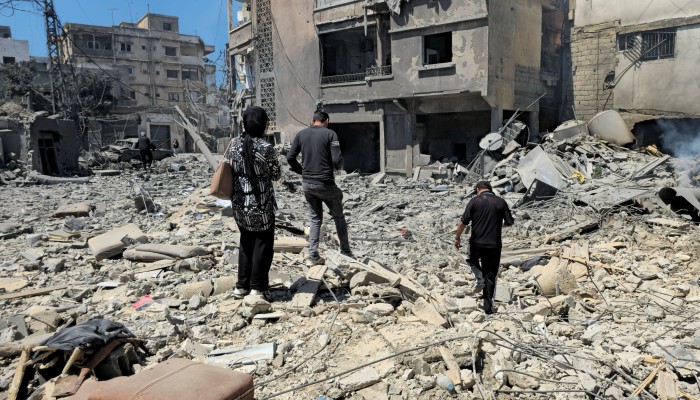
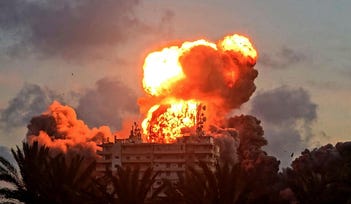
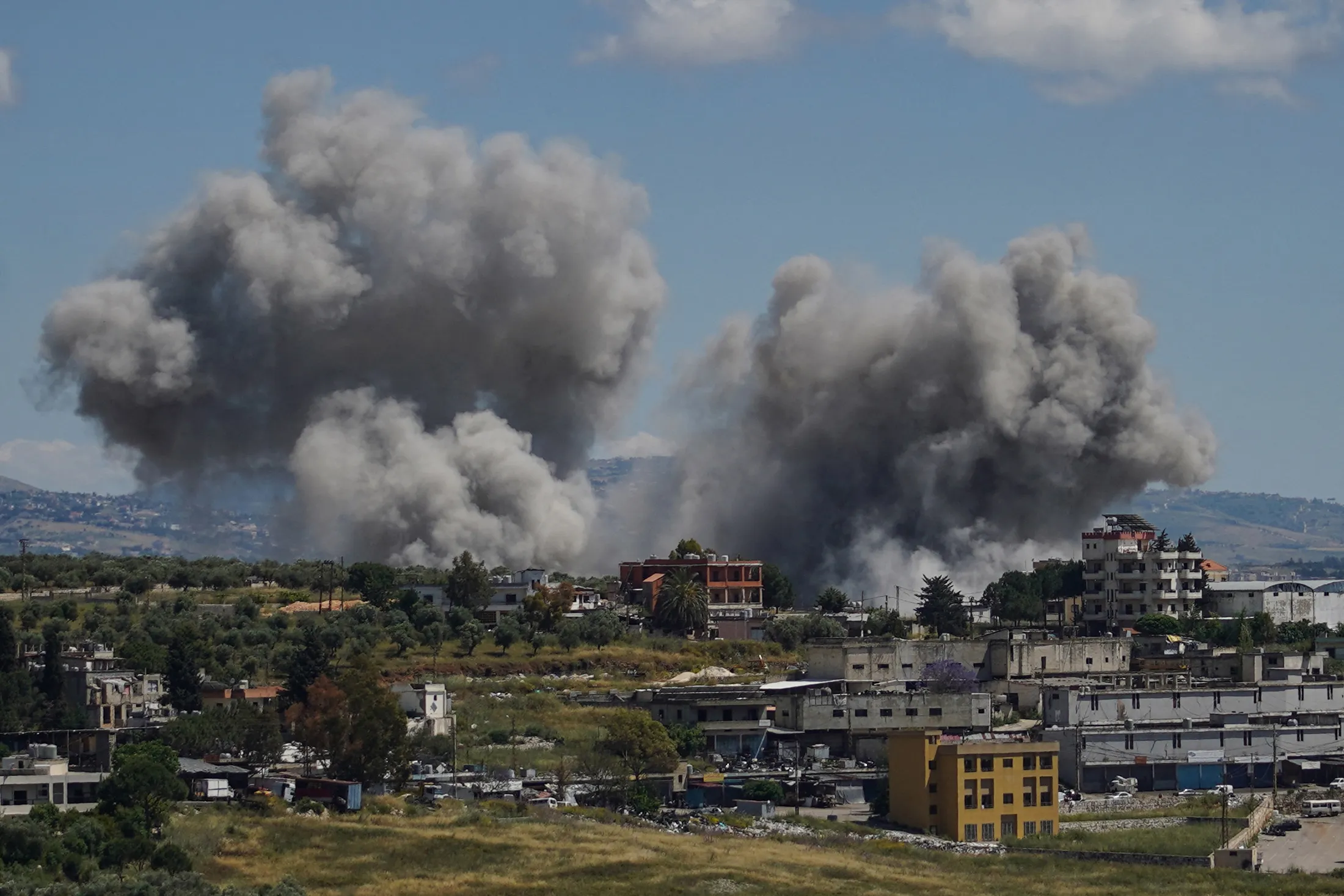
The escalating Israel-Hezbollah conflict in Lebanon (May 27-28, 2026) represents a critical supply chain inflection point for cross-border e-commerce sellers, despite initial appearances as purely geopolitical news. The ceasefire declared in April 2026 has collapsed into near-daily military operations, with Israel conducting 135+ strikes within 24 hours on May 28 and expanding evacuation zones up to 40 kilometers inside Lebanese territory. This directly threatens regional logistics infrastructure and global shipping routes.
Supply Chain Vulnerability: The conflict's geographic proximity to the Suez Canal—critical for 12% of global maritime trade—creates cascading effects for sellers. Shipping insurance premiums for Middle East-bound cargo have increased 15-25% according to industry reports, while transit times through alternative routes (around Africa) add 10-14 days and 20-30% cost premiums. Sellers with inventory in Israel, Lebanon, or Egypt face immediate fulfillment delays. The news reports "hundreds of thousands displaced" and "sweeping evacuation orders," indicating infrastructure damage affecting ports, warehouses, and last-mile delivery networks. For sellers using 3PL providers in the region, this creates inventory stranding risk and potential write-offs.
Market Segmentation Impact: Electronics sellers (particularly those sourcing components from Israeli tech hubs or shipping through Levantine ports) face 8-12 week delays versus normal 3-4 week transit. Fashion and apparel sellers with manufacturing in Turkey or Egypt experience supply chain bottlenecks as regional instability deters freight forwarders. Home goods and furniture categories dependent on Middle East distribution hubs see 20-30% cost increases. Conversely, sellers of security products, emergency supplies, and conflict-related merchandise (protective equipment, communication devices, survival kits) may see demand spikes in affected regions—though regulatory restrictions on weapons-related items apply.
Diplomatic Uncertainty Factor: The news emphasizes that U.S.-Iran peace negotiations remain deadlocked, with Iranian officials demanding "cessation of fighting on all fronts" while Israeli PM Netanyahu asserts Israel's right to continued military operations. This diplomatic stalemate suggests conflict duration of 6-12+ months rather than imminent resolution. Sellers cannot rely on near-term peace dividends for logistics normalization. The pattern of "ceasefire declarations becoming hollow gestures" (as reported May 27) indicates that nominal truces provide false confidence—sellers should assume operational disruption as baseline planning scenario.
Currency and Payment Processing: Regional currency volatility (Israeli shekel, Lebanese pound) creates FX headwinds for sellers with regional revenue streams. Payment processing through Middle East gateways faces increased fraud scrutiny and processing delays. Sellers accepting payments from Israeli or Lebanese customers experience 5-7 day settlement delays versus standard 2-3 days, impacting cash flow for small sellers.
Questions 7
Which product categories face the biggest supply chain risk from Middle East conflict?
Electronics and tech components sourced from Israeli manufacturers face 8-12 week delays versus normal 3-4 week transit, according to industry logistics data. Fashion/apparel sellers with Turkish or Egyptian manufacturing experience 20-30% cost increases. Home goods and furniture dependent on regional distribution hubs see similar pressures. Conversely, security products, emergency supplies, and protective equipment may see 15-40% demand increases in affected regions—though regulatory restrictions apply. The news indicates 'hundreds of thousands displaced,' creating humanitarian supply demand but limited commercial opportunity for most sellers.
How does the Lebanon-Israel conflict impact shipping costs for cross-border sellers?
Shipping insurance premiums for Middle East-bound cargo have increased 15-25% due to conflict escalation reported May 28, 2026. Sellers routing through Suez Canal face 10-14 day delays on alternative routes (around Africa), adding 20-30% cost premiums. For a seller shipping 500 units monthly via standard Middle East routes, this translates to $2,000-4,000 monthly cost increase. The news reports 135+ daily strikes and expanded evacuation zones, indicating sustained infrastructure disruption. Sellers should immediately review 3PL contracts for force majeure clauses and consider inventory repositioning to non-affected regions.