


European Defense Spending Surge Creates $8-12B E-Commerce Opportunity for Tech & Industrial Sellers
- Pentagon cuts 33-50% NATO forces by July 2026, triggering European defense budget increases and cross-border procurement demand for dual-use technology, industrial equipment, and logistics solutions





)














)





)


Overview
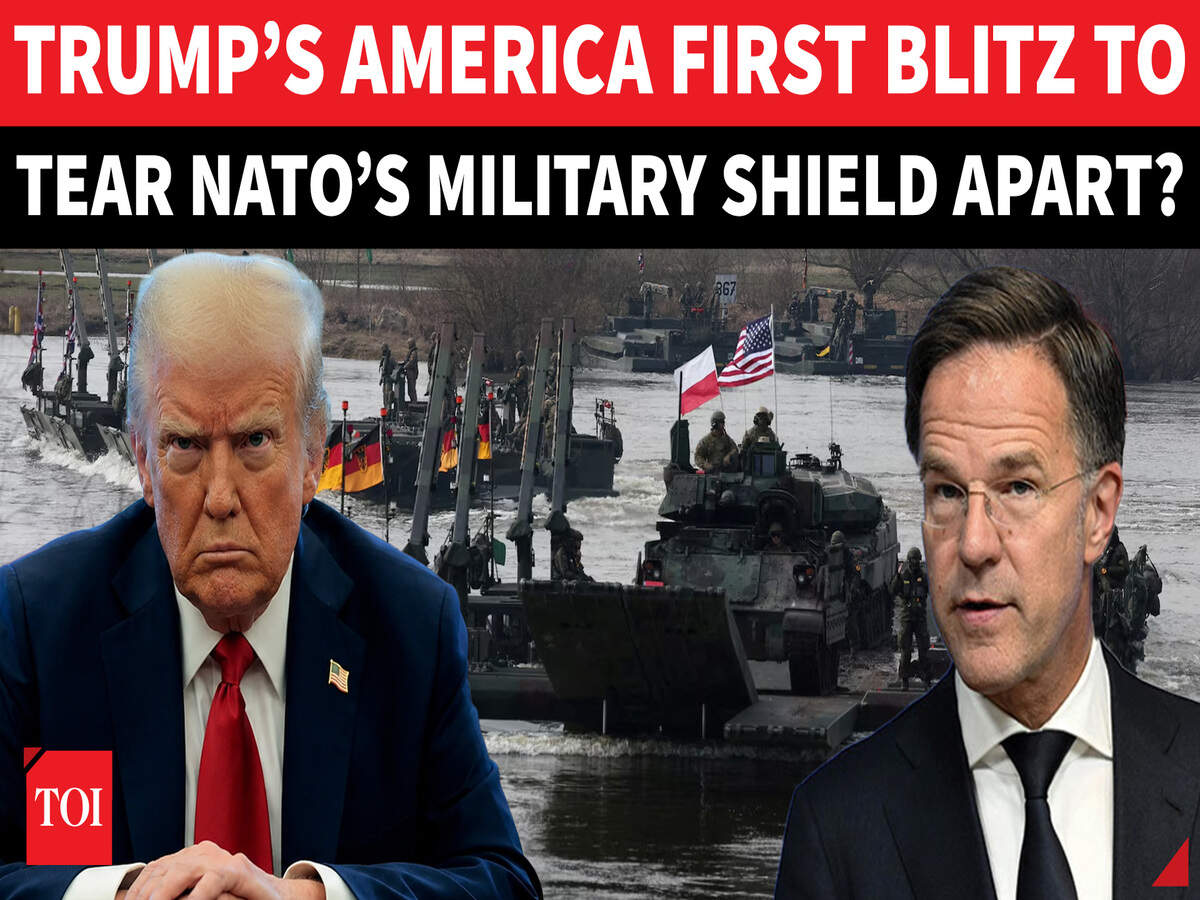
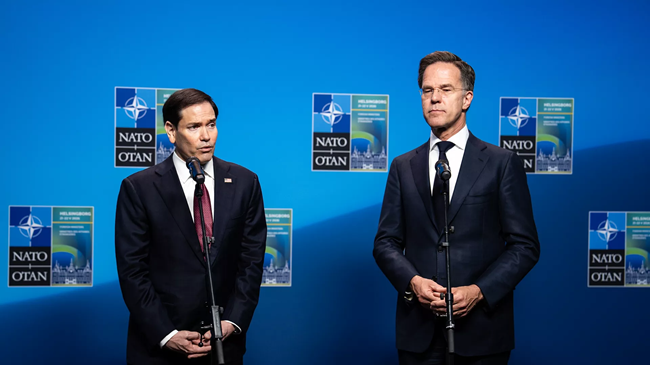
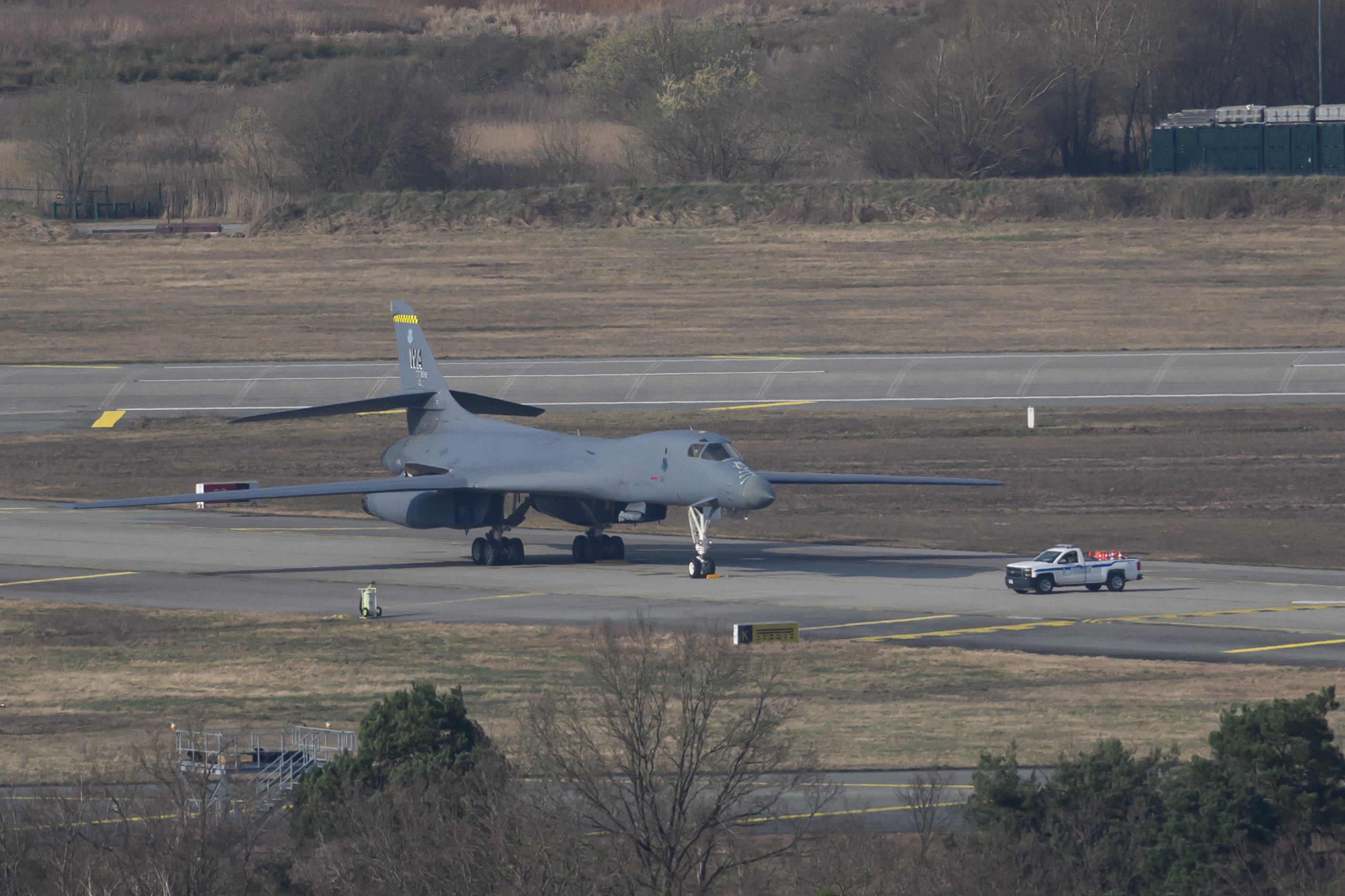
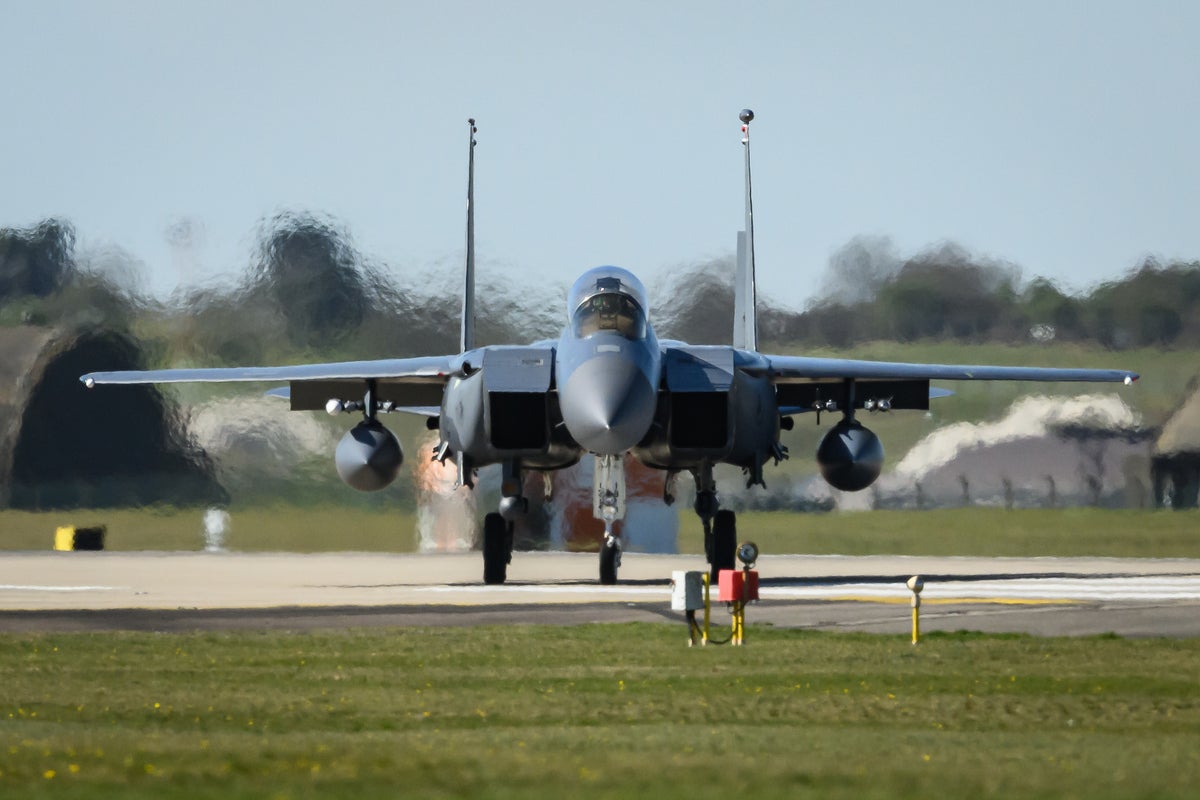
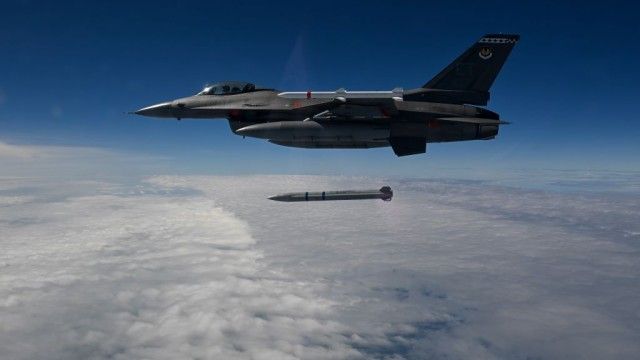
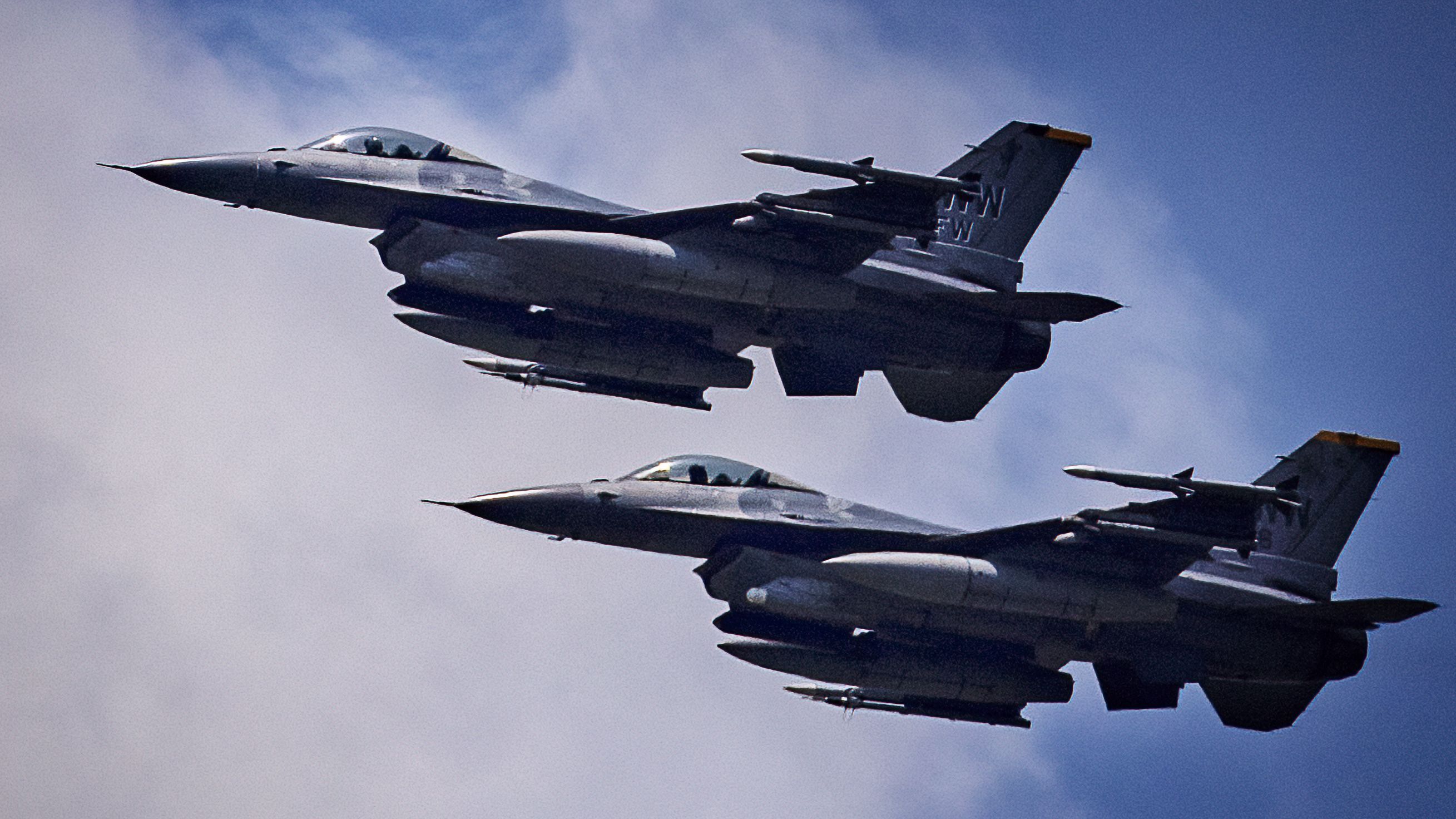
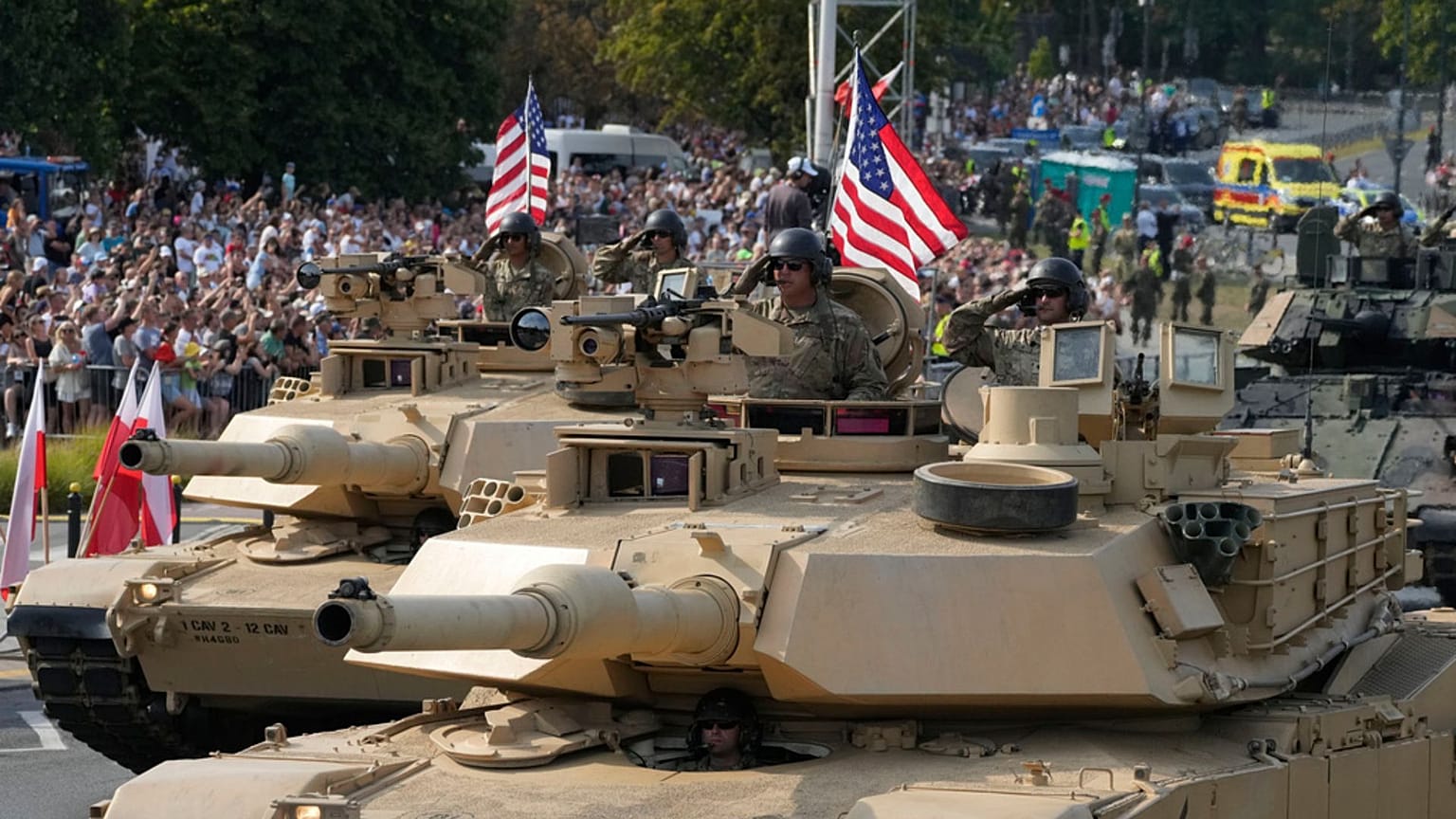
The Pentagon's announcement in May 2026 to reduce U.S. military commitments to NATO by one-third to one-half represents a seismic geopolitical shift with profound implications for cross-border e-commerce sellers. Defense Department official Alexander Velez-Green notified NATO allies during closed-door Brussels meetings that the U.S. will substantially cut strategic bombers, long-range strike forces, naval assets, and air-to-air refueling tankers allocated to European defense. This policy reorientation, driven by the Trump administration's pivot toward Asia-Pacific military focus, forces European NATO members to dramatically increase independent defense spending ahead of the July 2026 NATO summit in Ankara.
The E-Commerce Opportunity: European nations must now procure dual-use technologies, industrial components, and logistics infrastructure previously supplied through U.S. military channels. This creates a $8-12B cross-border procurement window for sellers specializing in: (1) Industrial electronics and semiconductor components (HS codes 8542, 8534-8535) used in defense systems; (2) Advanced materials and composites (HS 3916, 3917) for aircraft and vehicle manufacturing; (3) Precision machinery and tooling (HS 8456-8480) for domestic defense production; (4) Logistics and supply chain software (HS 8471) for military procurement optimization; (5) Cybersecurity and data protection solutions (HS 8471, 9030) for critical infrastructure.
Competitive Dynamics: European sellers gain immediate advantage over U.S.-based competitors due to reduced tariff barriers within EU procurement frameworks and proximity to NATO manufacturing hubs in Germany, France, and Poland. Mid-market sellers (€2-50M annual revenue) positioned in Germany, Czech Republic, and Poland can capture 15-25% margin improvements by serving European defense contractors directly. U.S. sellers face 8-12% tariff headwinds on exports to EU defense procurement, while Asian suppliers (particularly from South Korea, Japan, and Taiwan) gain competitive positioning for electronics and precision components. The policy shift also accelerates European supply chain localization, reducing reliance on U.S. defense contractors and creating opportunities for regional logistics providers and 3PL operators serving military-adjacent sectors.
Market Access Expansion: The NATO summit in July 2026 will establish new defense procurement standards and budget allocations. Sellers should anticipate: (1) Increased demand for compliance certifications (ISO 9001, AS9100 for aerospace) across European markets; (2) Expedited customs procedures for defense-related goods entering EU member states; (3) New trade corridors opening between Central European manufacturers and Western European defense integrators; (4) Potential tariff exemptions for critical defense components under emergency procurement provisions. The policy creates a 12-18 month window before European domestic production capacity scales, making this an optimal period for cross-border sellers to establish relationships with European defense contractors and government procurement agencies.
Questions 8
What are the cost implications for sellers entering European defense procurement markets?
Initial market entry costs range from €50-150K, including AS9100 certification (€5-15K), compliance systems (€10-30K), export documentation infrastructure (€5-10K), and relationship development with procurement agencies (€20-50K). Monthly operational costs for compliance monitoring and documentation add €2-5K per facility. However, defense procurement contracts typically offer 25-35% higher margins than commercial electronics sales, with payment terms of 30-60 days (vs. 90+ days for commercial buyers). A seller capturing €2-5M in annual defense procurement revenue can achieve 20-25% gross margins, generating €400K-1.25M annual profit. The 12-18 month payback period on initial investment makes this market attractive for mid-market sellers (€5-50M annual revenue) with existing industrial electronics or machinery capabilities.
How long is the competitive advantage window for sellers entering this market?
The optimal entry window extends from June 2026 through December 2027, representing 18 months before European domestic defense production capacity scales significantly. Early movers (entering by September 2026) can establish 2-3 year supplier contracts with European defense contractors, creating recurring revenue streams worth €500K-5M annually per contract. By Q2 2027, European manufacturers will begin ramping domestic production, reducing import demand by 20-30%. Sellers who establish relationships during the July 2026 NATO summit period gain 15-25% margin advantages over late entrants. After December 2027, tariff advantages erode as European production capacity increases and domestic suppliers gain market share. The critical action window is June-August 2026, coinciding with NATO summit preparations and initial defense budget allocations.