
Digital Identity Verification Compliance | TSA Acceptance Creates New Seller Opportunities in Travel Tech & Biometric Authentication
- Samsung Wallet integration at 250+ US airports signals government-backed digital ID adoption; creates compliance service gaps and authentication product opportunities for cross-border sellers managing business travel and identity verification solutions






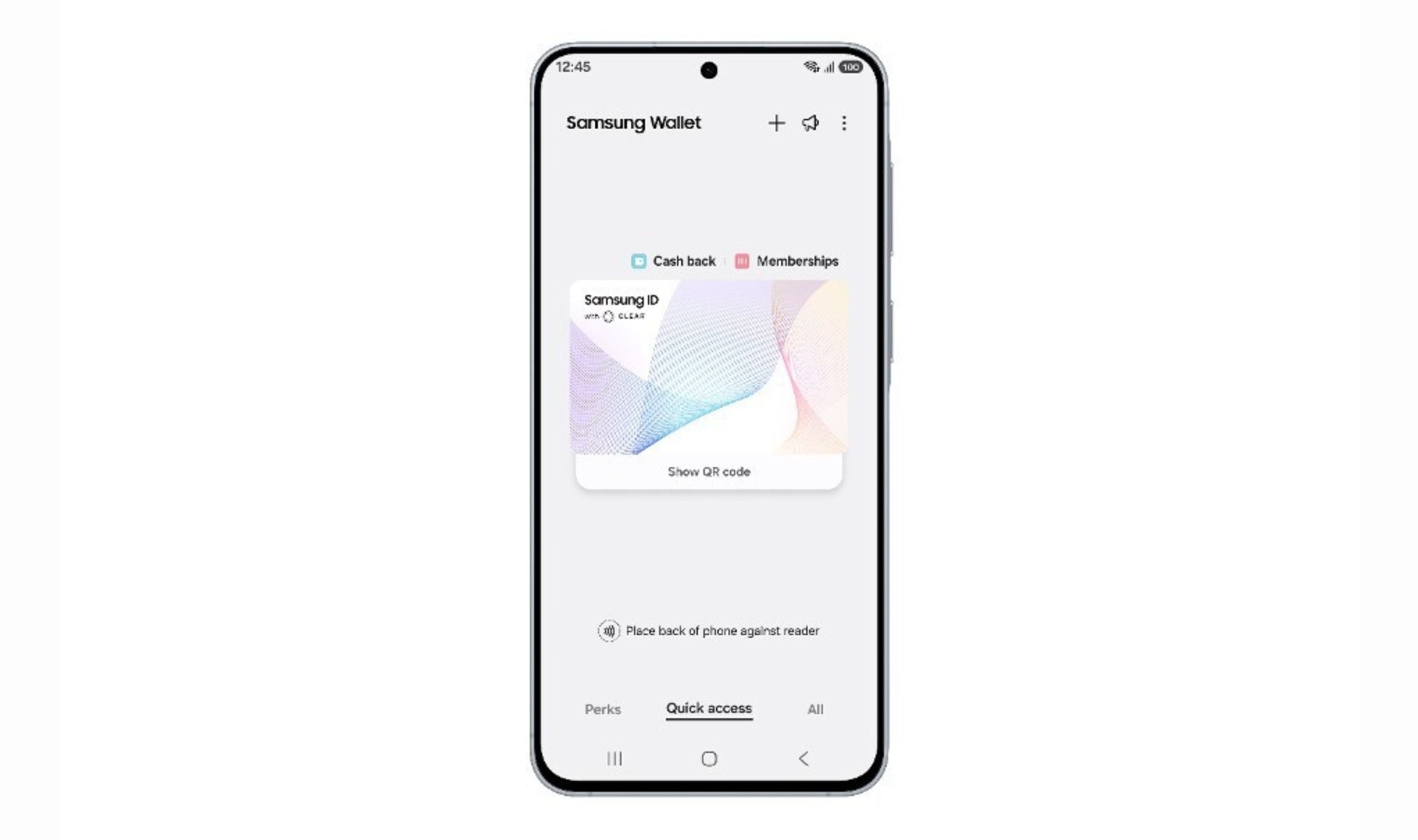




Overview
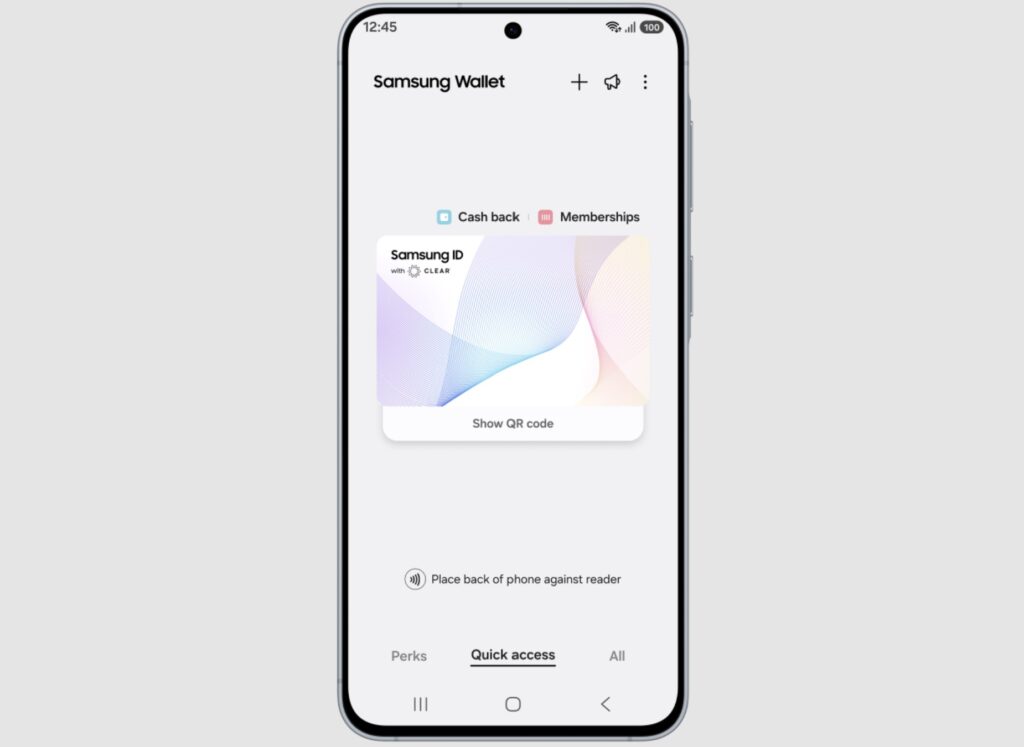
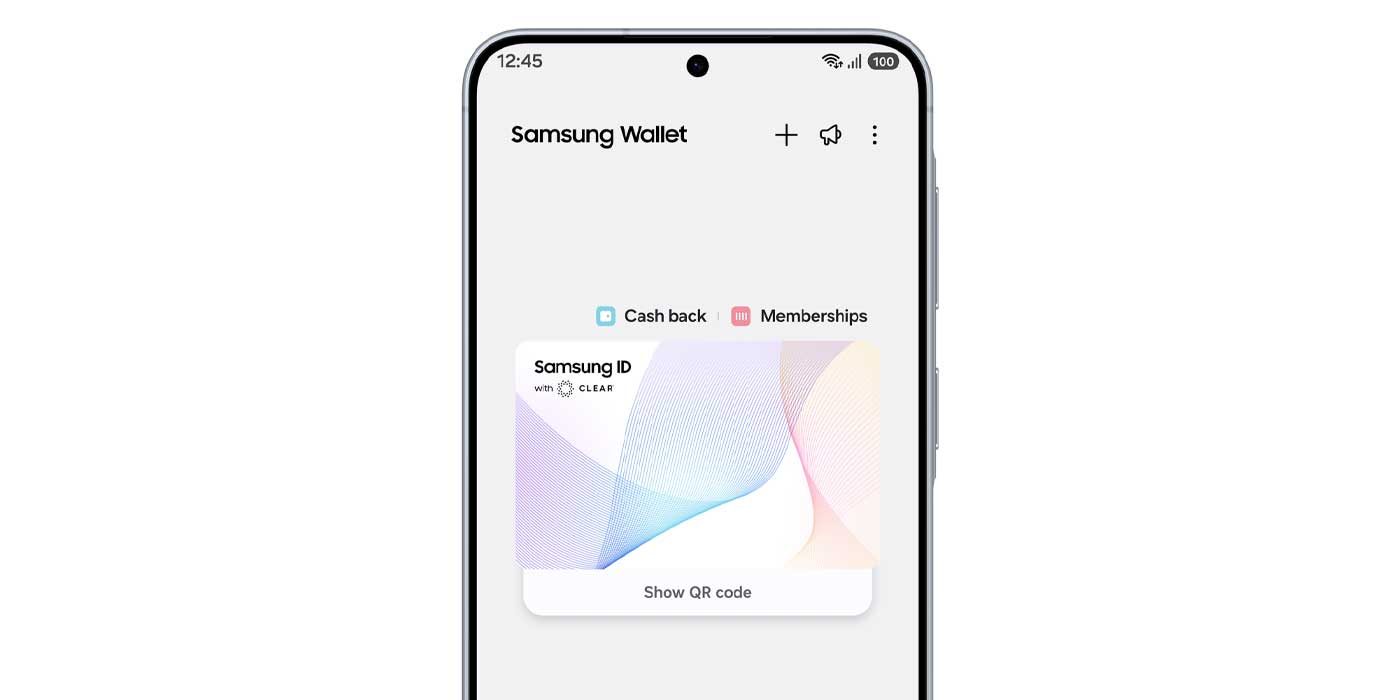
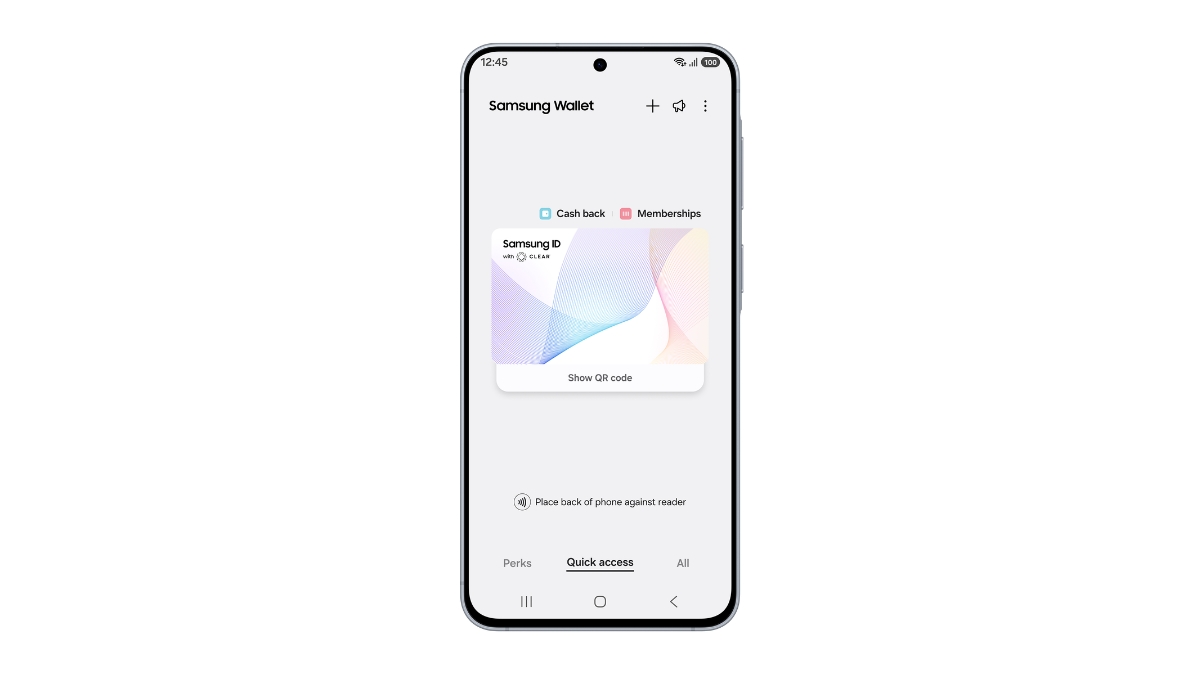
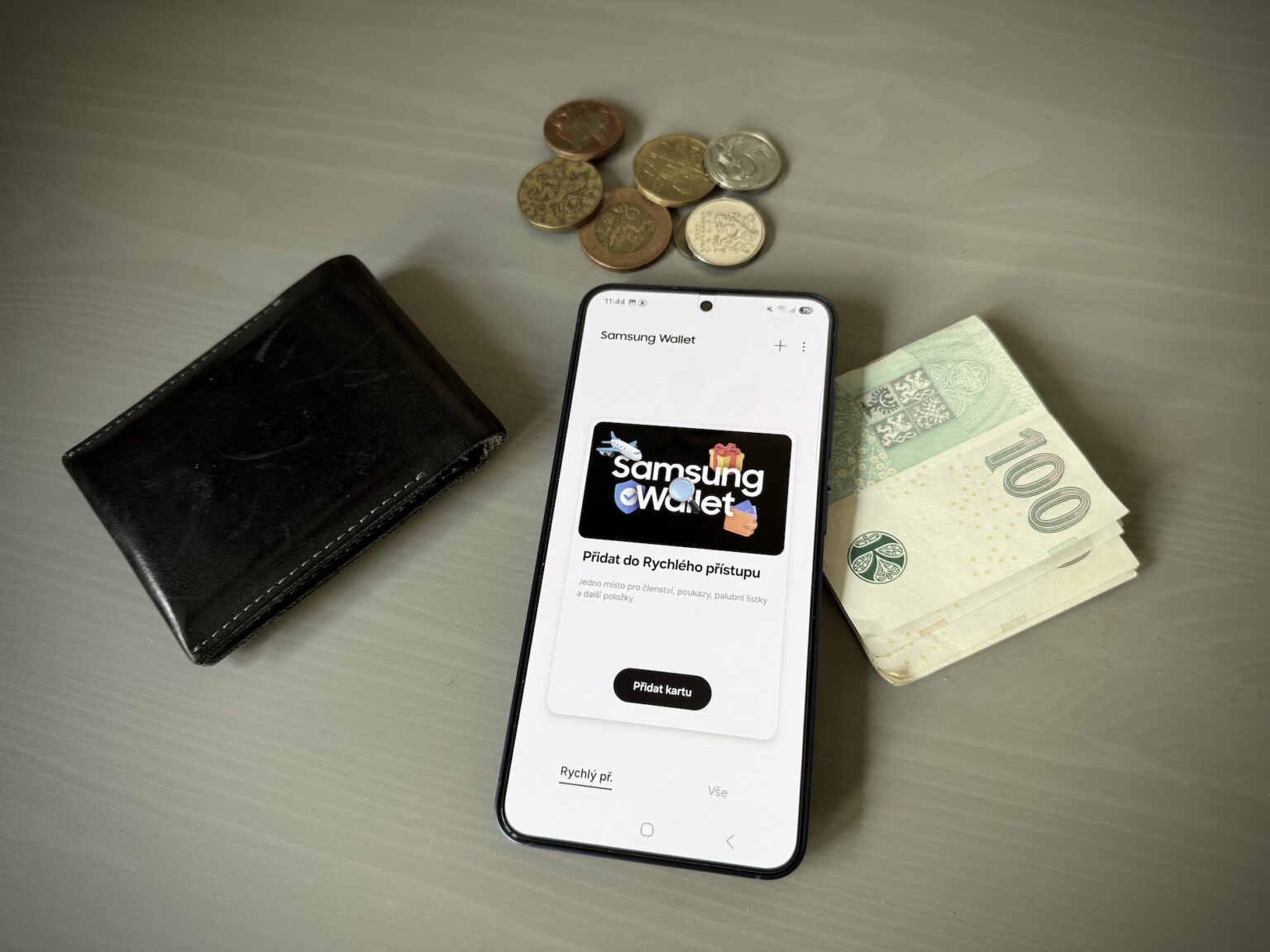
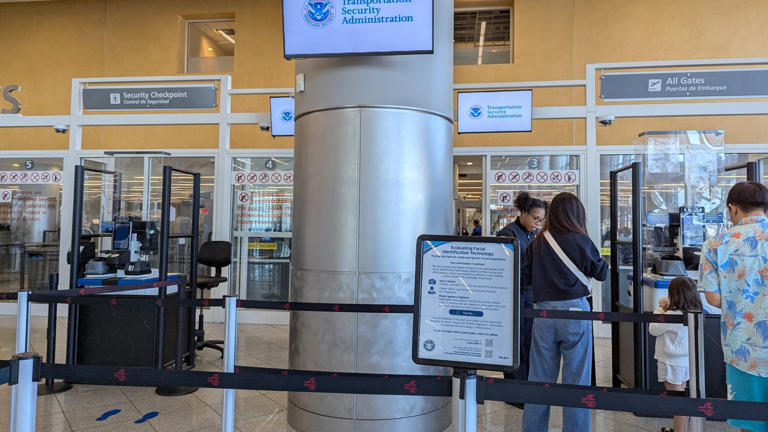
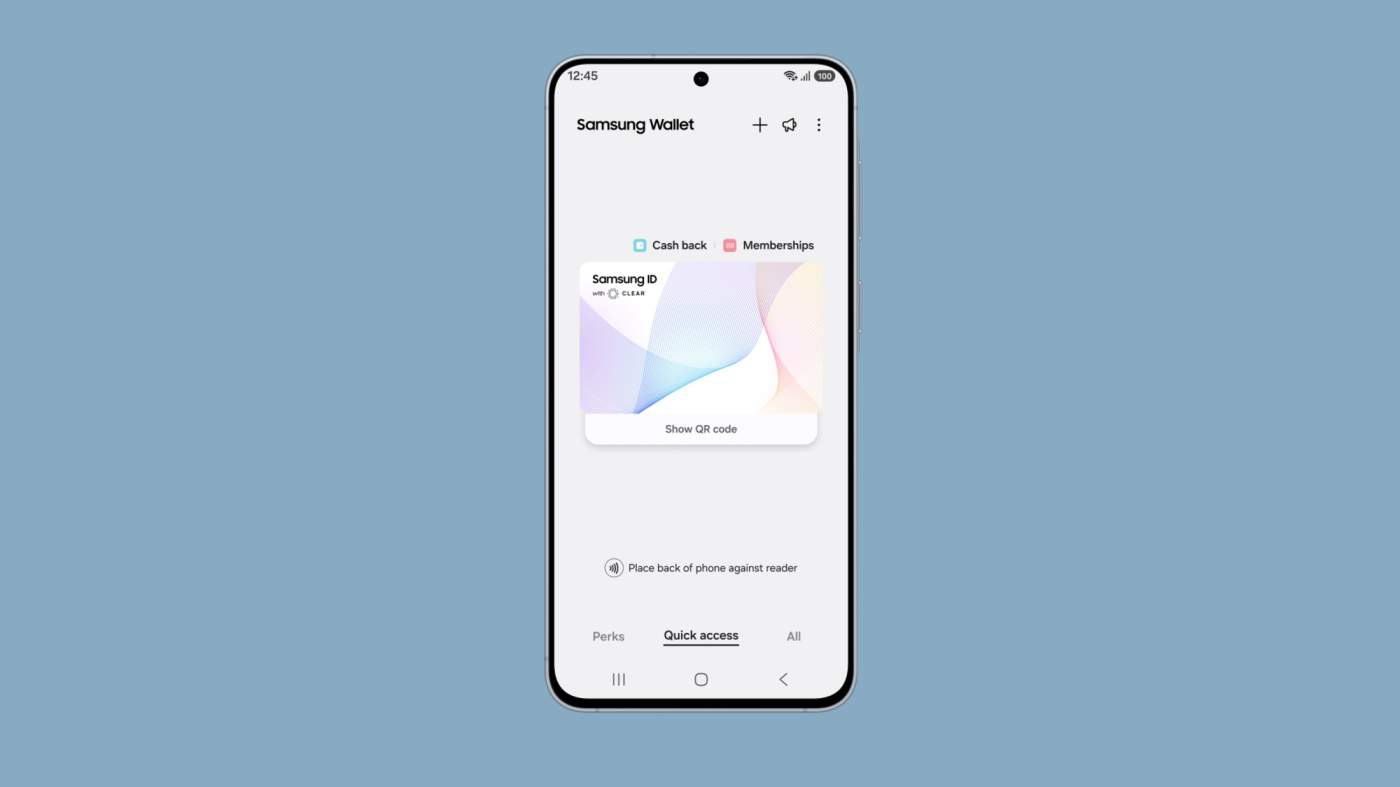
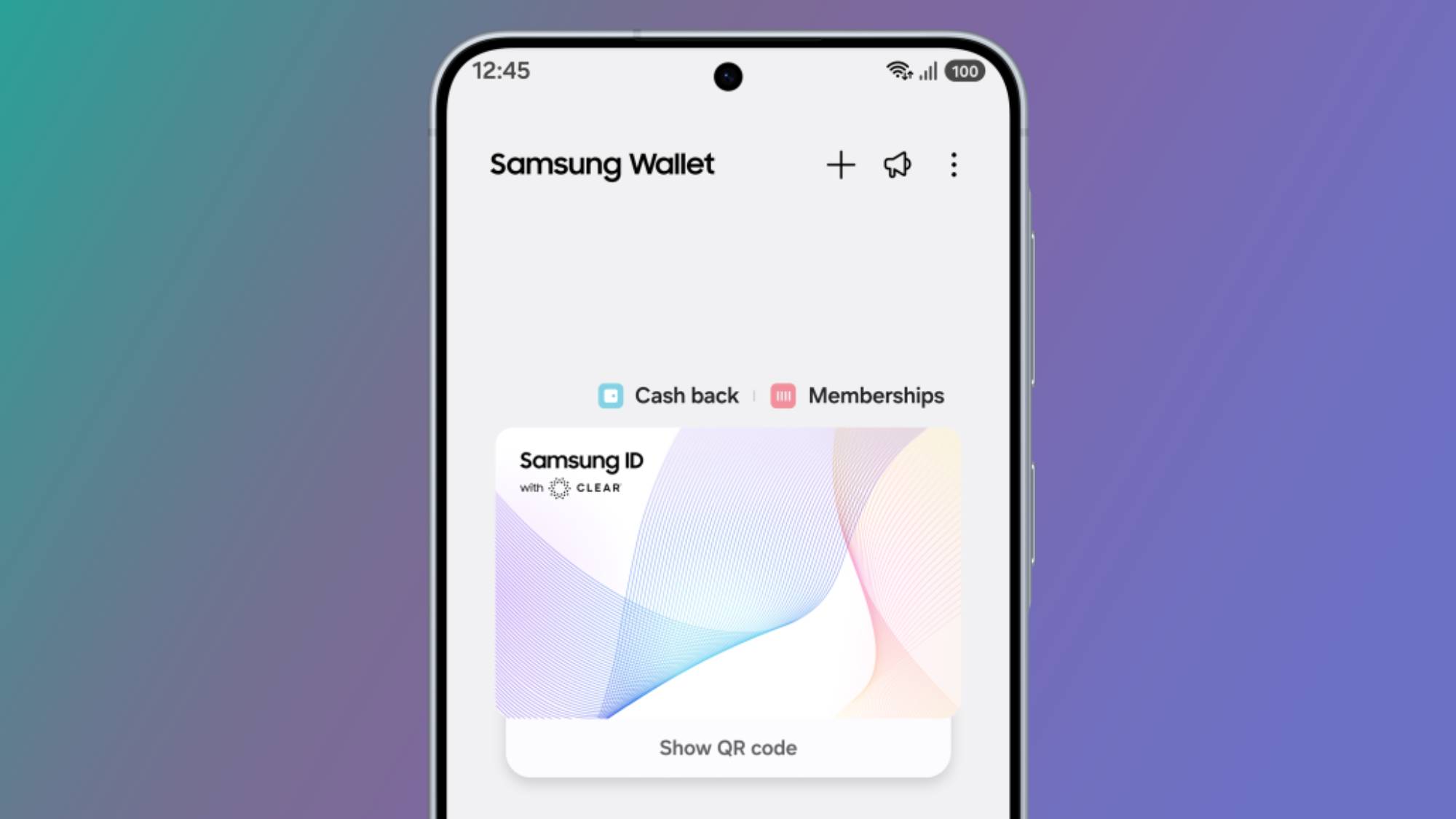
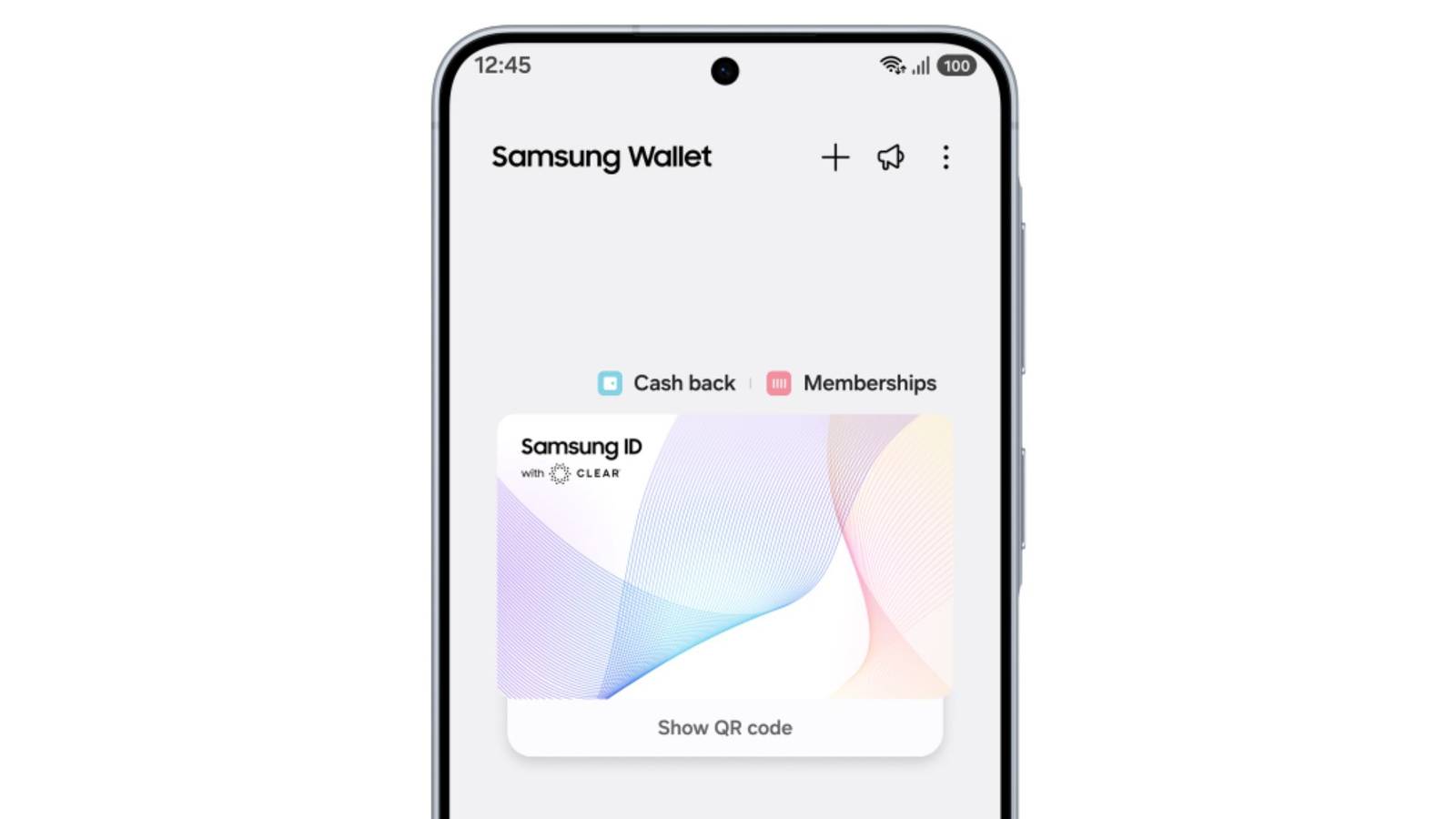
Samsung's May 2026 partnership with CLEAR to integrate digital identity verification into Samsung Wallet represents a critical regulatory milestone: government-backed acceptance of smartphone-based biometric authentication at 250+ TSA checkpoints nationwide. This development signals accelerating digital identity standardization in high-security environments, creating immediate compliance service opportunities and longer-term product category expansion for sellers.
The regulatory acceptance barrier is now established. TSA's approval of digital credentials (Samsung ID with CLEAR, Apple Wallet digital IDs, and state-issued digital driver's licenses) demonstrates government willingness to adopt smartphone-based authentication for official identity verification. This creates a compliance moat: sellers offering identity verification solutions, biometric authentication tools, or travel-tech products now have regulatory precedent supporting their market entry. The $209 annual CLEAR membership fee structure shows the market's willingness to pay for verified identity services—a pricing model applicable to B2B compliance solutions.
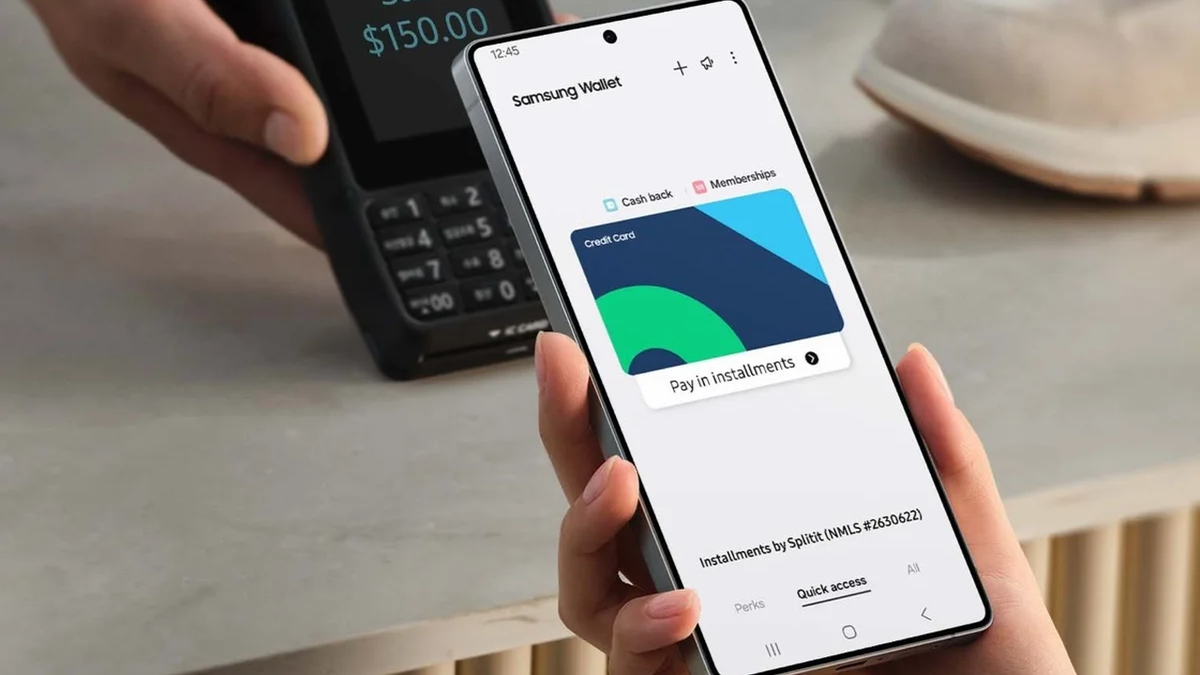
For cross-border sellers and supply chain professionals, this development signals three immediate compliance opportunities: (1) Digital identity verification services for business travel documentation—sellers can develop or resell compliance tools helping merchants verify customer identities for high-value transactions, reducing fraud risk in cross-border sales; (2) Biometric authentication integration into e-commerce platforms—the Samsung Knox encryption and fingerprint/PIN authentication layers demonstrate consumer acceptance of device-level security, creating demand for similar solutions in payment processing and account verification; (3) Travel document management software—the elimination of physical ID requirements creates demand for digital document storage, encryption, and verification platforms targeting business travelers and logistics professionals.
The competitive landscape reveals a three-platform race. Samsung's integration follows Apple Wallet's earlier digital ID support and Google's parallel initiatives, indicating platform consolidation around digital identity. This creates a compliance service gap: sellers need tools to manage identity verification across multiple platforms (Samsung, Apple, Google) with different security standards and regulatory requirements. The news explicitly notes that "a boarding pass may still be required" at TSA checkpoints—meaning digital ID alone is insufficient, creating demand for integrated travel verification solutions combining identity, boarding, and payment data.
Regulatory enforcement intensity is rising. The TSA's acceptance of digital credentials at 250+ checkpoints (representing major US airports) indicates government infrastructure investment in digital identity systems. This precedent will likely accelerate adoption in other regulated sectors: financial services (KYC/AML compliance), healthcare (patient verification), and e-commerce (age verification for restricted products). Sellers offering compliance solutions in these categories should expect regulatory tailwinds and increased customer demand for identity verification capabilities. The biometric authentication requirement (fingerprint/PIN) establishes a security standard that will likely become mandatory across regulated industries, creating certification and compliance service opportunities.
Questions 8
How does Samsung's digital ID integration affect sellers managing business travel and cross-border shipments?
Samsung's integration of CLEAR digital IDs into Samsung Wallet (announced May 2026) reduces friction in airport security for business travelers, enabling faster identity verification at 250+ TSA checkpoints without physical documents. For sellers managing cross-border logistics, this signals accelerating digitization of identity verification in regulated environments. The biometric authentication requirement (fingerprint/PIN) and Samsung Knox encryption establish security standards that will likely become mandatory across industries. Sellers should expect increased customer demand for integrated travel verification solutions combining identity, boarding, and payment data. The news notes that 'a boarding pass may still be required,' indicating demand for multi-document verification platforms that consolidate identity, travel, and payment credentials.
What are the fastest compliance paths for sellers offering identity verification solutions?
The fastest path is integrating existing digital identity standards (NIST SP 800-63-3 for authentication, ICAO standards for travel documents) into e-commerce platforms. Samsung's implementation demonstrates the technical requirements: fingerprint/PIN authentication, on-device encryption, and platform-specific security (Samsung Knox). Sellers can achieve compliance in 3-6 months by: (1) adopting NIST-compliant authentication protocols, (2) implementing device-level encryption matching Samsung/Apple standards, (3) obtaining TSA/government approval for specific use cases. The regulatory acceptance timeline is accelerating—TSA approved digital IDs at 250+ checkpoints, indicating government infrastructure investment. Sellers should prioritize compliance certification within 6 months to capture demand from business travelers and cross-border logistics professionals.