




Infrastructure Warfare Emerges as Russia's Strategic Pressure Tactic Against Ukraine
- Critical energy infrastructure targeting signals a new dimension of geopolitical conflict








Overview
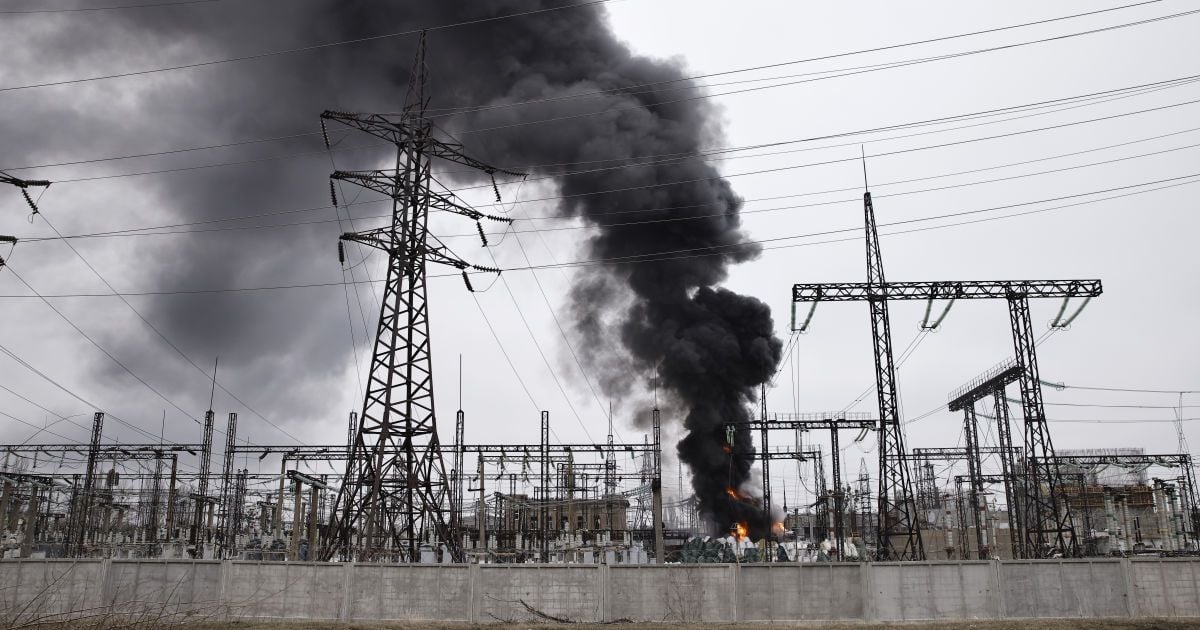
The ongoing conflict between Russia and Ukraine has entered a critical phase of strategic infrastructure warfare, where power systems have become the primary battleground for geopolitical pressure. The Washington Post's reporting reveals a sophisticated approach that transcends traditional military confrontation, focusing instead on systematically destabilizing Ukraine's critical energy infrastructure.
Strategic Infrastructure Targeting as Psychological Warfare represents the core of Russia's current approach. By conducting massive, coordinated strikes against Ukraine's electrical grid during winter, Russian forces are executing a calculated strategy designed to undermine national resilience. These attacks are not merely tactical military operations but represent a deliberate attempt to create widespread humanitarian stress and potentially force Ukraine into a more vulnerable negotiating position.
The unprecedented intensity of energy infrastructure attacks highlights an evolving model of conflict where critical civilian systems become primary pressure points. Unlike previous winter campaigns, these strikes are significantly more aggressive, causing extensive and prolonged power outages across multiple regions. This approach demonstrates a nuanced understanding of modern warfare—where economic and infrastructure disruption can be more effective than direct military engagement.
The broader geopolitical context adds layers of complexity to these attacks. Occurring simultaneously with ongoing peace negotiations and concurrent with White House diplomatic pressure, these infrastructure strikes represent a multidimensional strategy. Russia appears to be simultaneously pursuing military, diplomatic, and psychological pressure tactics, using energy infrastructure as a strategic lever to exhaust Ukraine's resistance and potentially erode international support.
Long-term Implications suggest a fundamental shift in conflict dynamics. By targeting power generation and distribution networks, Russia is signaling a new paradigm of infrastructure warfare designed to create humanitarian pressure while maintaining a veneer of strategic restraint. This approach allows for significant disruption without triggering immediate direct military intervention from international actors.
For policymakers and strategic analysts, these developments underscore the critical importance of infrastructure resilience in contemporary geopolitical conflicts. The ability to protect and rapidly restore critical systems has become as crucial as traditional military capabilities.
Questions 3
What are the potential long-term implications of this strategy?
These attacks signal an evolving model of conflict where critical infrastructure becomes a primary battleground, potentially reshaping international understanding of warfare, diplomatic negotiations, and national resilience strategies.
How are these infrastructure attacks different from previous military strategies?
Unlike traditional warfare, these attacks focus on systematically disrupting critical civilian systems like power grids, representing a new paradigm of 'infrastructure warfare' that aims to exhaust national resistance through economic and psychological pressure.