


Democratic Guardrails Tested: South Korea's Political Crisis Reveals Institutional Resilience
- A Critical Examination of Power Dynamics and Governance Checks in Modern Democratic Systems


















Overview
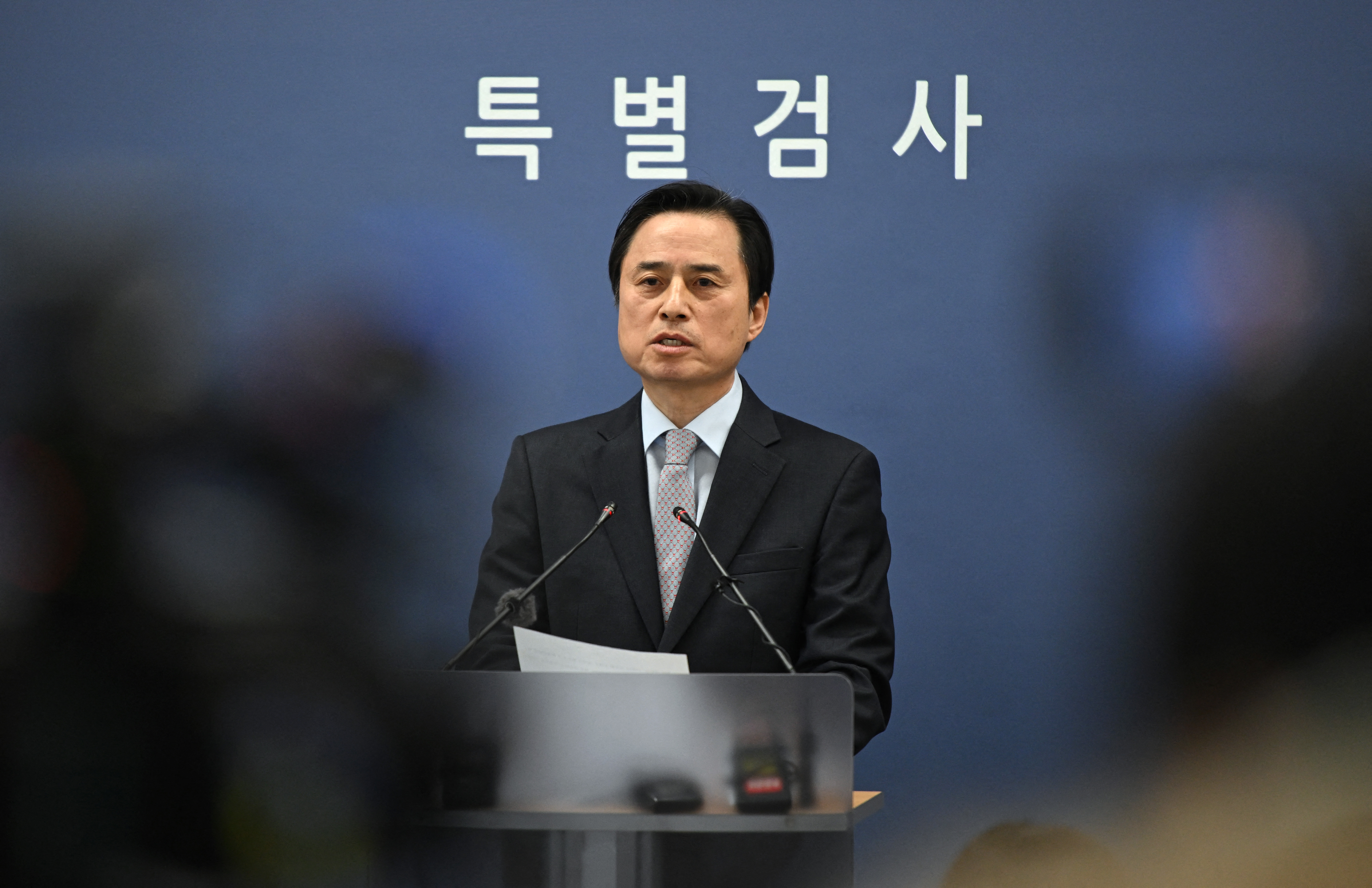
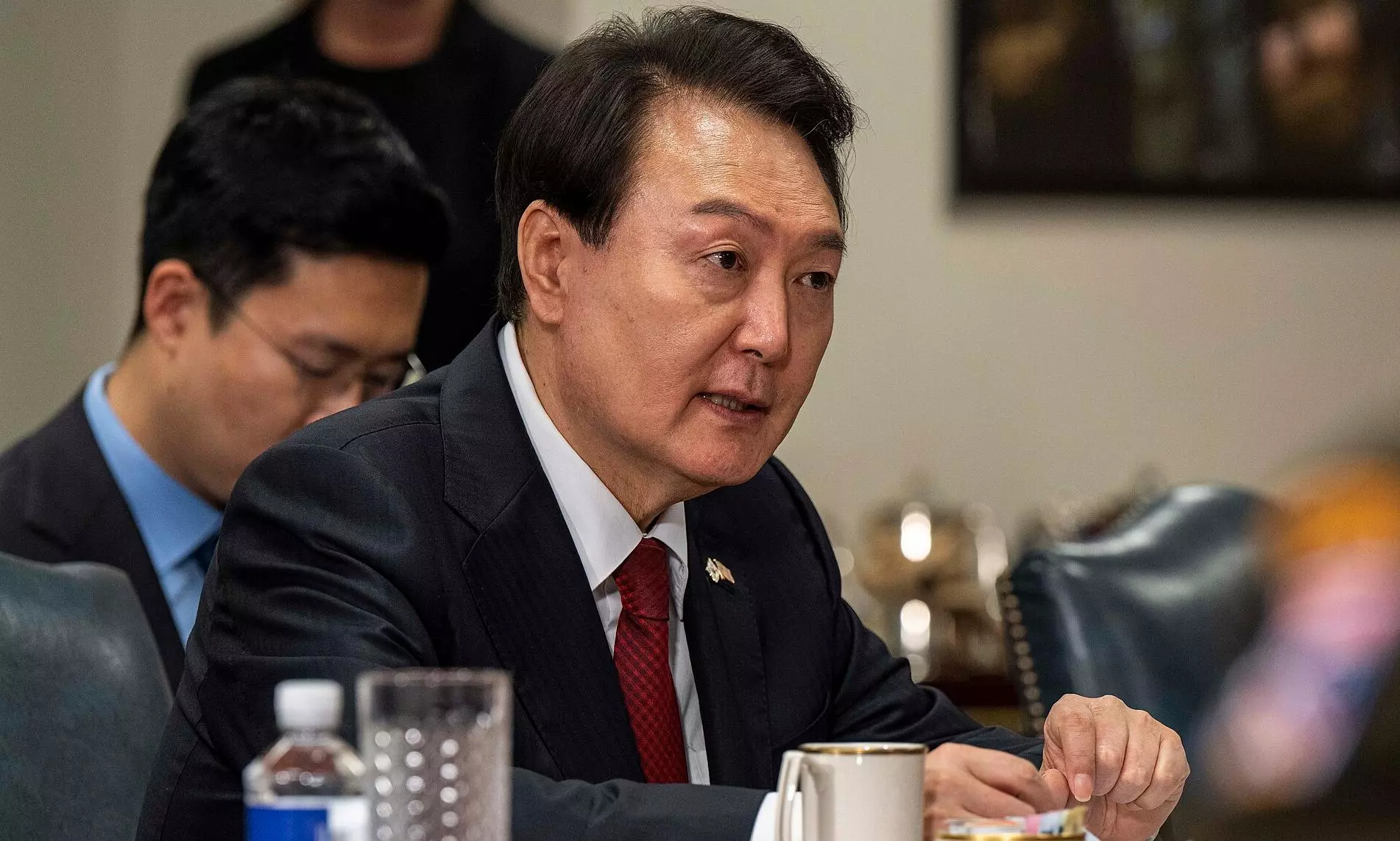
In a dramatic unfolding of South Korean political dynamics, the attempted power consolidation by former President Yoon Suk Yeol has exposed the critical importance of institutional checks and balances in preventing democratic backsliding. The special counsel's six-month investigation revealed a calculated scheme that goes far beyond a simple political maneuver—it represents a systematic attempt to manipulate democratic processes through strategic military and political maneuvering.
Key Strategic Insights: The investigation uncovered a meticulously planned effort to declare martial law, involving 24 individuals across military and political spheres. Yoon's strategy involved multiple layers of manipulation, including provocative actions designed to trigger a potential military confrontation with North Korea, strategic military appointments, and attempts to portray election results as fraudulent. Critically, these efforts were systematically dismantled by South Korea's robust democratic institutions—lawmakers, including members of Yoon's own party, quickly moved to overturn the martial law declaration within six hours.
The most striking aspect of this political crisis is not just the attempted power grab, but the system's resilience. Within a remarkably short period, South Korea demonstrated its democratic maturity: Yoon was impeached on December 14th and removed from office by April 4th. The special prosecutor's investigation resulted in serious legal consequences, with potential life imprisonment or death penalty charges for insurrection—signaling an uncompromising stance against executive overreach.
Geopolitically, the attempted provocation of North Korea adds another layer of complexity. Despite strategic drone propaganda flights and attempts to lure a military response, North Korea did not engage—likely due to its ongoing involvement in supporting Russia's war in Ukraine. This restraint further underscores the calculated nature of Yoon's political strategy and the intricate diplomatic tensions in the Korean peninsula.
The broader implications extend beyond South Korea. This case serves as a critical case study in how democratic systems can be simultaneously vulnerable to manipulation and resilient in their self-correction mechanisms. The swift and decisive response—involving parliamentary action, judicial review, and legal prosecution—demonstrates the importance of institutional safeguards in preventing authoritarian tendencies.
Questions 3
How did South Korean democratic institutions respond to the attempted power grab?
The institutions demonstrated remarkable resilience. Lawmakers quickly overturned the martial law declaration within six hours, initiated impeachment proceedings, and supported a special counsel investigation that resulted in indictments against 24 individuals, including Yoon and senior government officials.
What specific actions did Yoon take to attempt consolidating power?
Yoon orchestrated a complex plan involving strategic military appointments, removing opposition defense officials, conducting provocative drone flights near North Korea, and attempting to declare martial law. He sought to suspend parliamentary powers and replace the legislature with an emergency body, while portraying election results as potentially fraudulent.