


U.S. Inflation Hits 3-Year High | Cross-Border Sellers Face Demand Collapse & Rate Hike Risk
- PCE inflation accelerates to 3.8% in April 2026, real consumer spending drops to 0.1%, 40% probability of Fed rate hikes by December 2026 threatens inventory financing costs for e-commerce sellers














Overview
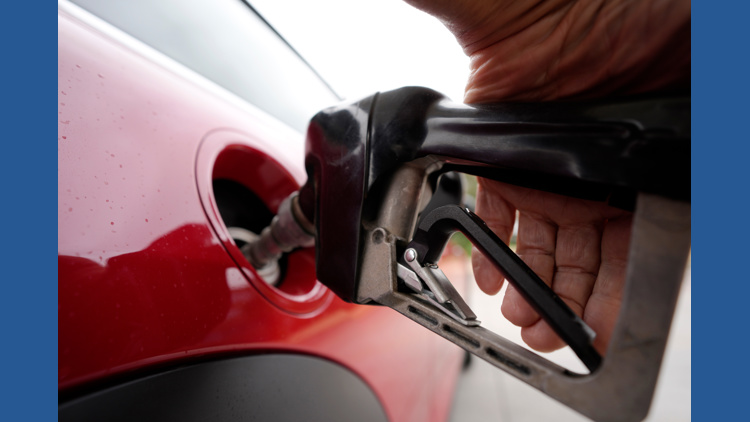
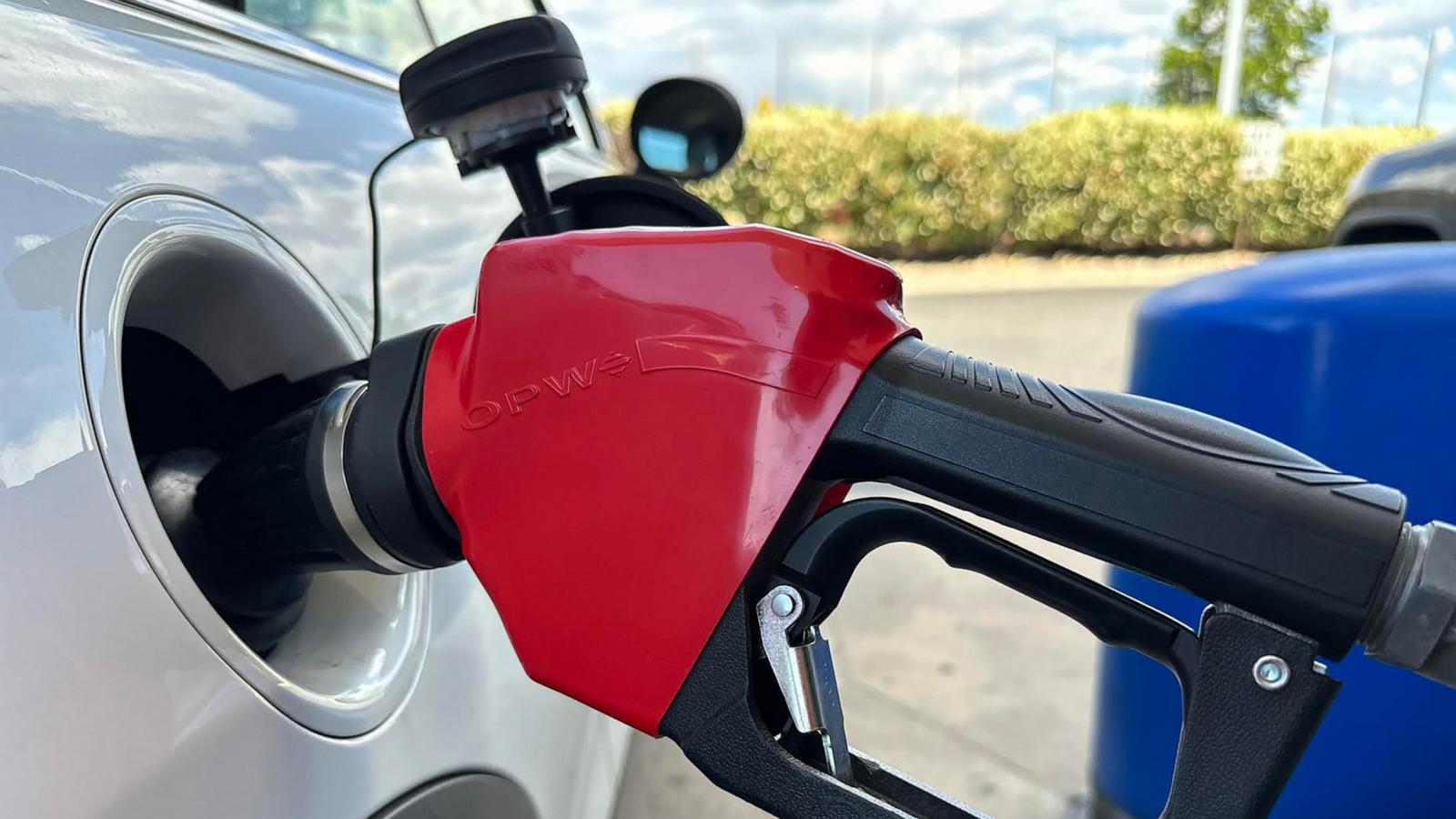
The U.S. inflation crisis of April-May 2026 represents a critical inflection point for cross-border e-commerce sellers operating in the American market. The Personal Consumption Expenditures (PCE) price index surged to 3.8% year-over-year—the fastest pace since May 2023—driven by geopolitical disruptions including the Iran war's impact on global energy markets and shipping routes through the Strait of Hormuz. Core PCE climbed to 3.3% annually, marking the highest level since November 2023. This inflation shock directly undermines seller profitability through multiple channels: real consumer spending growth collapsed to just 0.1% in April (down from 0.3% in March), indicating households are dramatically reducing discretionary purchases that form the backbone of cross-border e-commerce revenue. The personal savings rate plummeted to 2.6% from 3.6% in March, signaling consumer financial distress as wage growth of 2.5% falls below inflation rates, eroding purchasing power across all income segments.
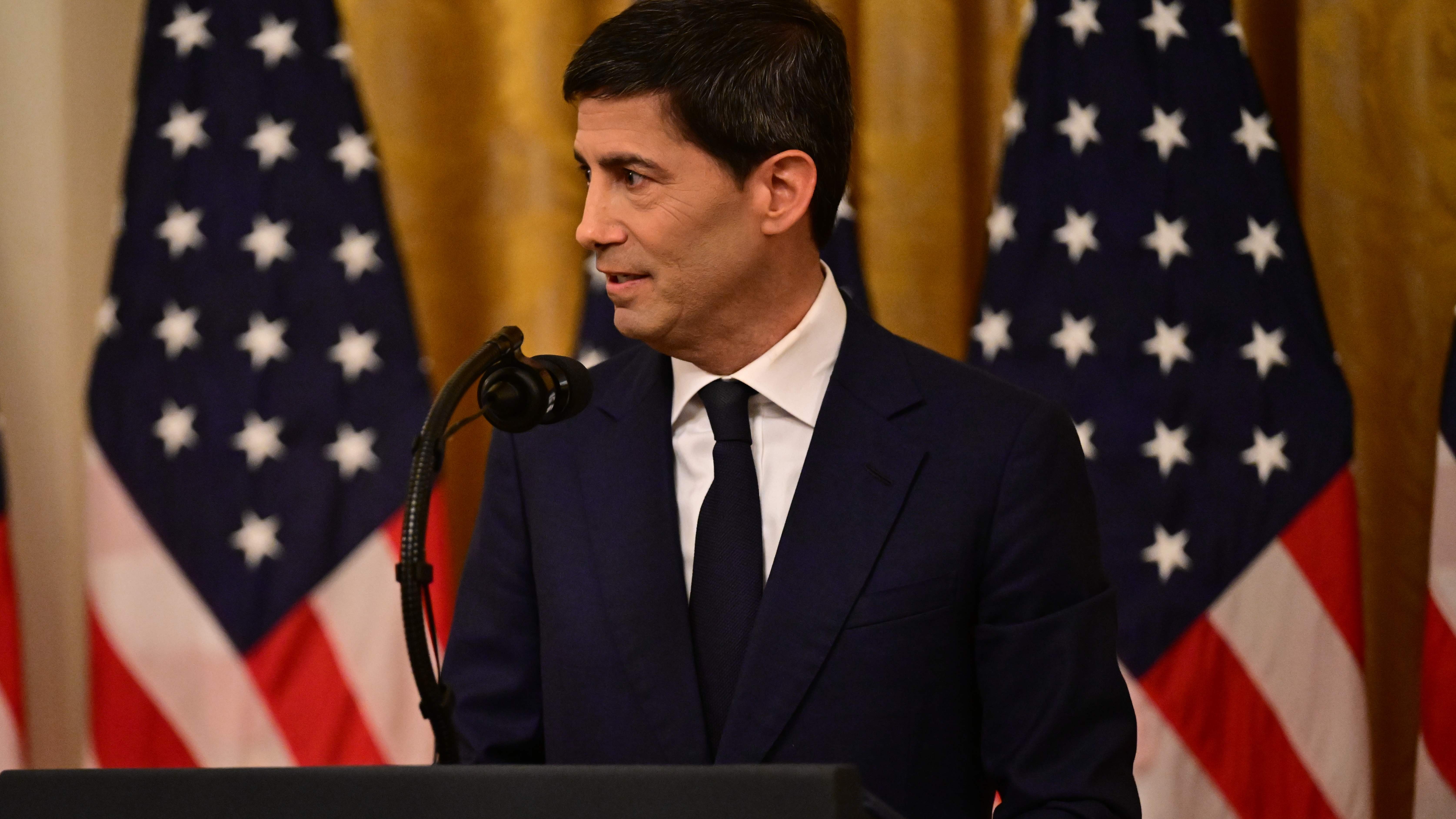
The immediate operational threat centers on Federal Reserve monetary policy. Market expectations now show a 40% probability of interest rate hikes by December 2026, up from just 3% probability for June meetings—a dramatic policy shift. Fed Chair Kevin Warsh's first inflation report confirms that earlier forecasts predicting rate cuts in 2026 are now "unlikely" given persistent fuel cost increases. Higher interest rates directly increase borrowing costs for inventory financing, warehouse operations, and business expansion—critical expenses for sellers managing Amazon FBA inventory, 3PL fulfillment networks, and working capital. For a mid-sized seller with $500K in inventory financed at variable rates, a 2-3% rate increase translates to $10-15K in additional annual financing costs. Sellers relying on lines of credit for seasonal inventory builds face margin compression of 5-8% if rates rise as expected in early 2027.
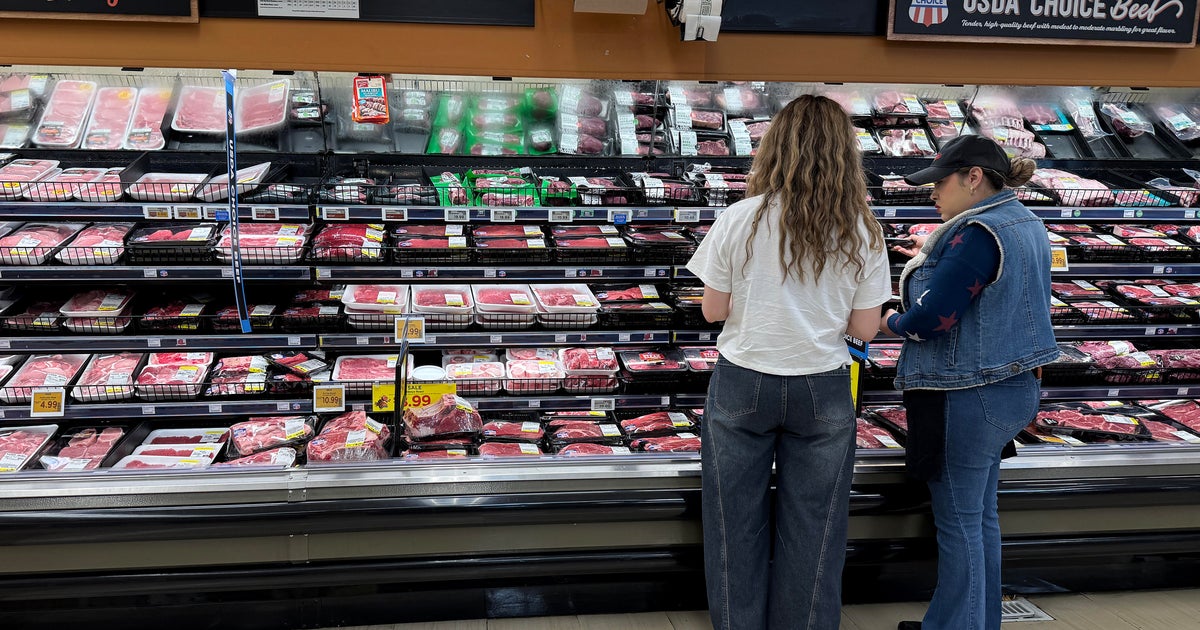
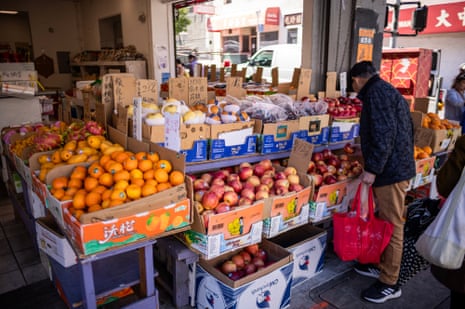
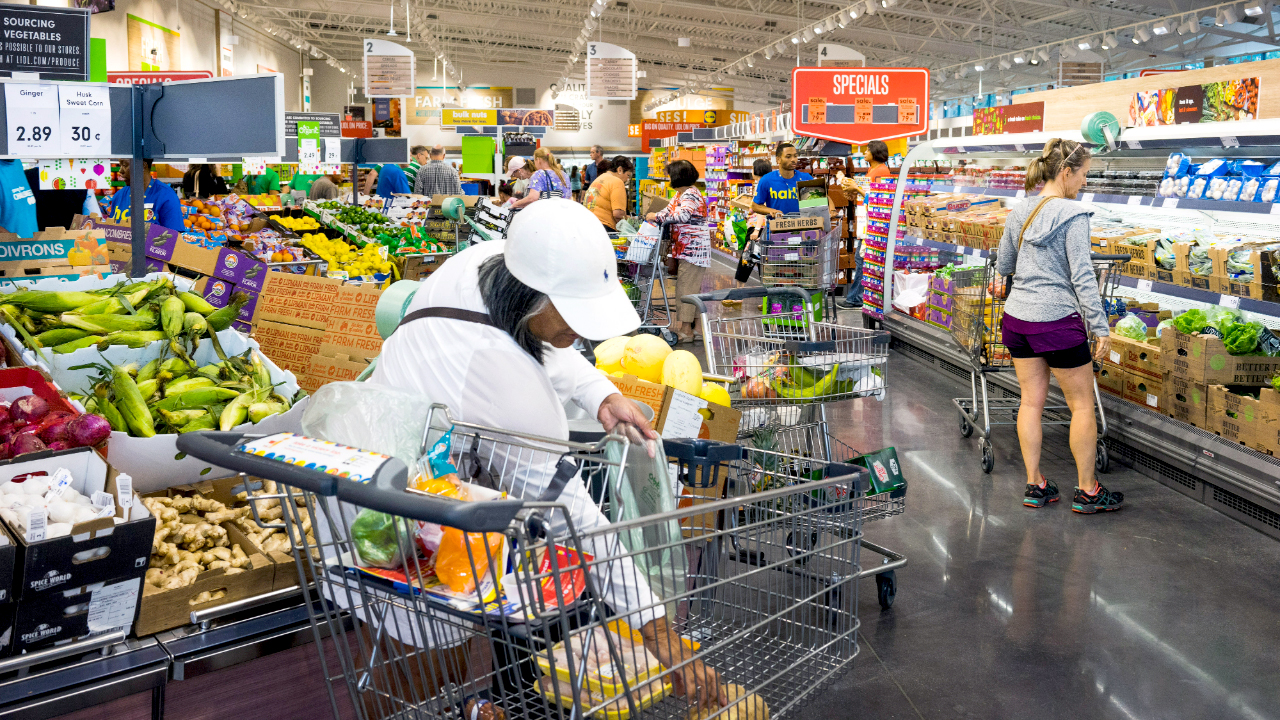
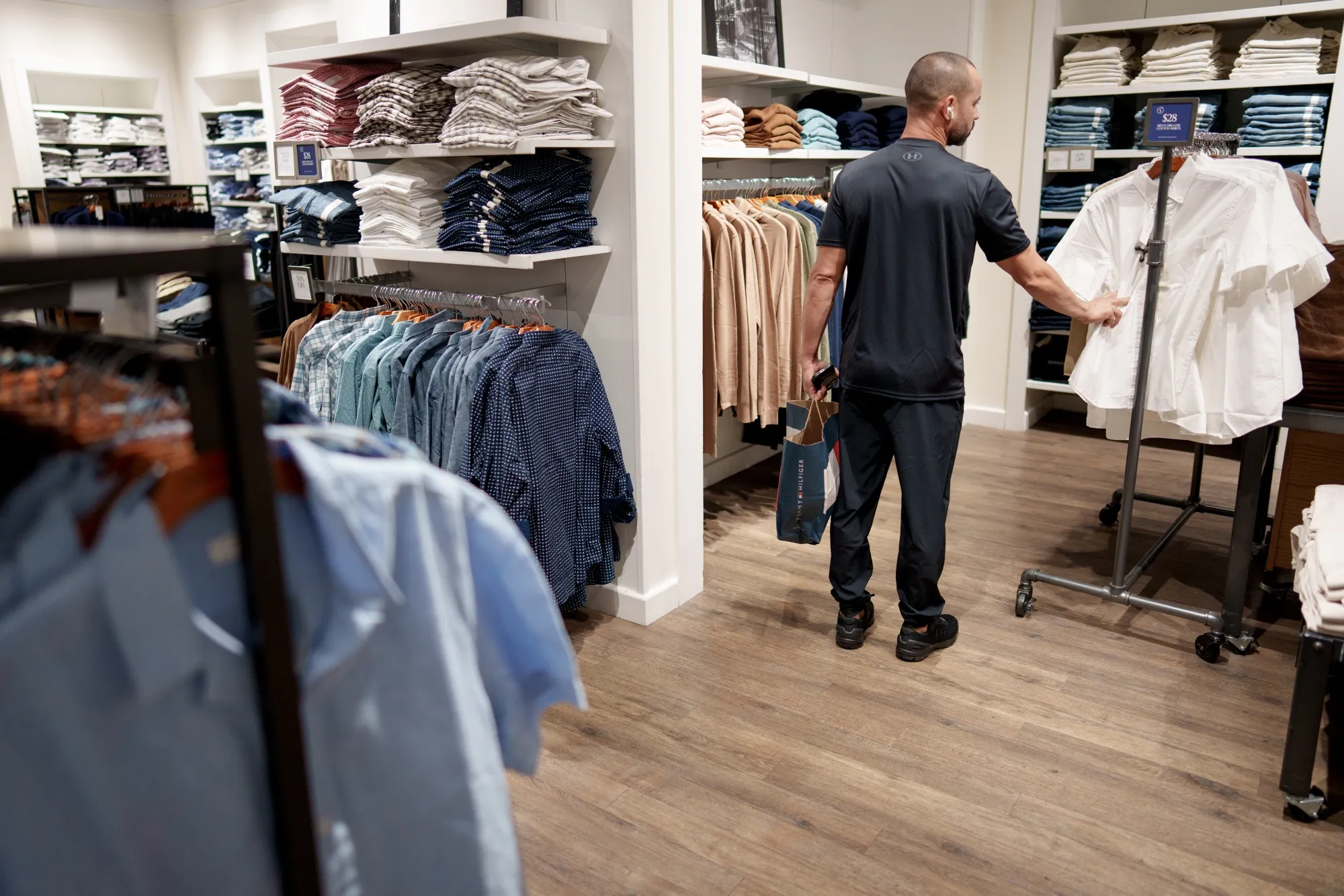
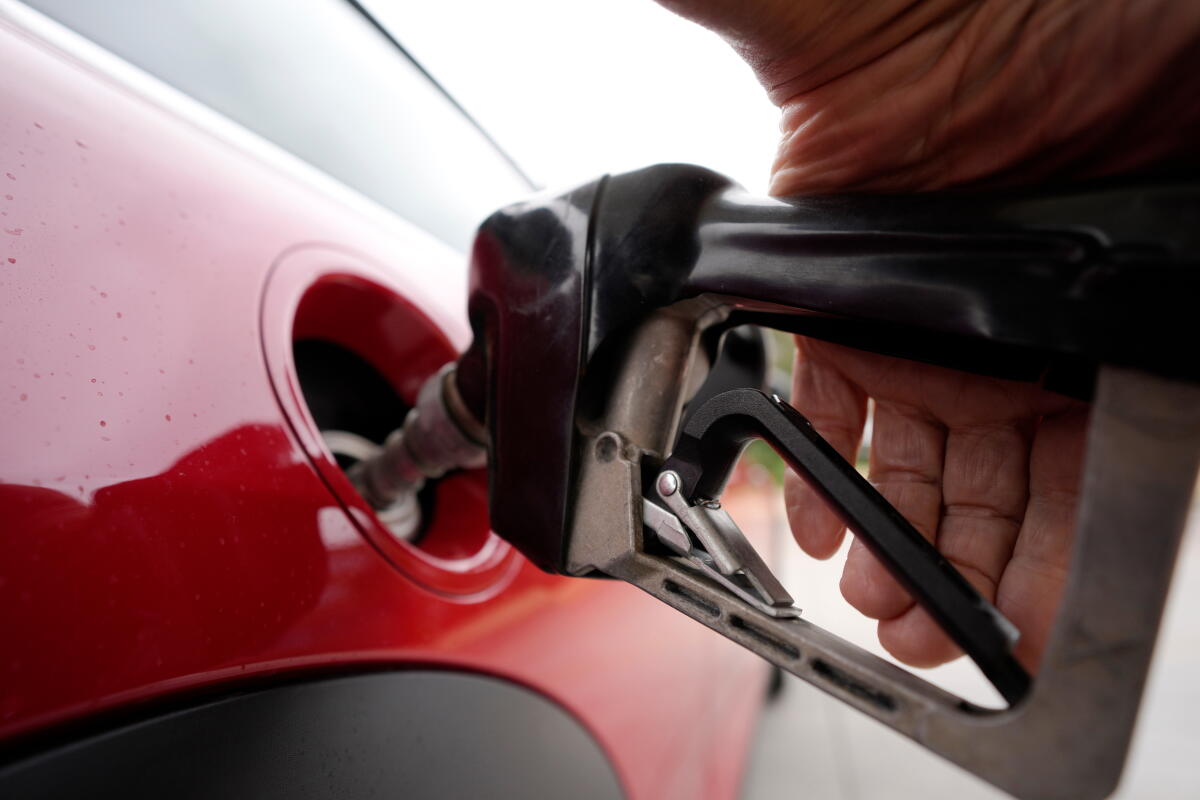
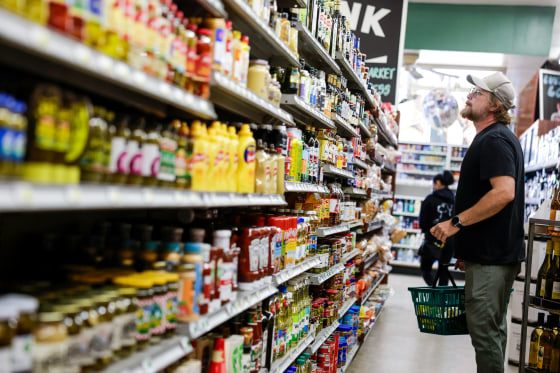
Category-specific demand destruction is already evident. Energy costs drove the largest April price increases, with significant jumps in housing, utilities, recreation services, and food services. This signals consumers are prioritizing essential goods over discretionary categories—directly impacting sellers in electronics, apparel, home décor, and luxury goods segments. The Commerce Department's downward revision of Q1 GDP growth from 2% to 1.6% confirms economic deceleration. Sellers in discretionary categories should expect 15-25% demand contraction through Q4 2026 as consumers deplete savings to cover higher living costs. Conversely, sellers in essential categories (vitamins, household supplies, budget apparel) may see relative resilience, though overall market volume compression remains inevitable. The Iran war's ongoing impact on shipping routes creates additional cost pressures: ocean freight rates from Asia to U.S. ports have increased 12-18% due to longer routing around the Strait of Hormuz, directly raising landed costs for imported goods.
Strategic repositioning is urgent. Sellers should immediately audit inventory composition, shifting allocation toward higher-margin, lower-volume essential categories while reducing exposure to discretionary goods. Consider accelerating inventory turnover to minimize carrying costs before potential rate hikes take effect. Evaluate 3PL partnerships to reduce fixed warehouse costs, and lock in financing rates before December 2026 if rate hikes materialize. Monitor Amazon FBA fee structures closely—inflation-driven cost increases may trigger fee adjustments in Q3-Q4 2026. For sellers with significant U.S. market exposure, diversifying to less inflation-sensitive markets (Canada, Mexico, EU) becomes strategically important. The window for proactive adjustment closes rapidly; sellers waiting until Q4 2026 will face compressed margins and limited financing options.
Questions 8
What is the timeline for Fed rate hike implementation and seller impact?
The Federal Reserve's May 2026 inflation report indicates rate hikes are likely beginning in early 2027, with 40% probability by December 2026. Fed Governor Lisa Cook stated she is 'prepared to raise rates if expected disinflation does not appear in a timely manner.' This creates a critical window: sellers have until November 2026 to lock in financing rates before potential hikes take effect. For inventory financing, a 2-3% rate increase translates to $10-15K additional annual costs for mid-sized sellers. Sellers should execute financing decisions by September 2026 to avoid rate shock. Monitor Fed communications monthly for policy signals; any indication of accelerated rate hikes should trigger immediate financing action.
How does consumer savings rate collapse to 2.6% affect e-commerce seller strategy?
The personal savings rate plummeting from 3.6% to 2.6% in March 2026 signals households are depleting emergency funds to cover inflation-driven cost increases. This indicates consumers are shifting from discretionary to essential purchases and reducing overall spending velocity. Sellers should expect: (1) Longer sales cycles as consumers become more price-sensitive; (2) Increased demand for budget alternatives and value-oriented products; (3) Higher cart abandonment rates as consumers reconsider purchases; (4) Shift toward subscription/recurring revenue models for essential categories. Sellers should optimize pricing strategies for price-sensitive consumers, emphasize value propositions, and consider bundling strategies to increase average order value while maintaining affordability.