



Trademark Enforcement Escalation | Activist Merchandise Sellers Face $100K+ Legal Defense Costs
- Federal lawsuit establishes precedent for brand protection against activist-led merchandise sales; legal defense costs create 10-50x barrier vs nominal damages claims














Overview
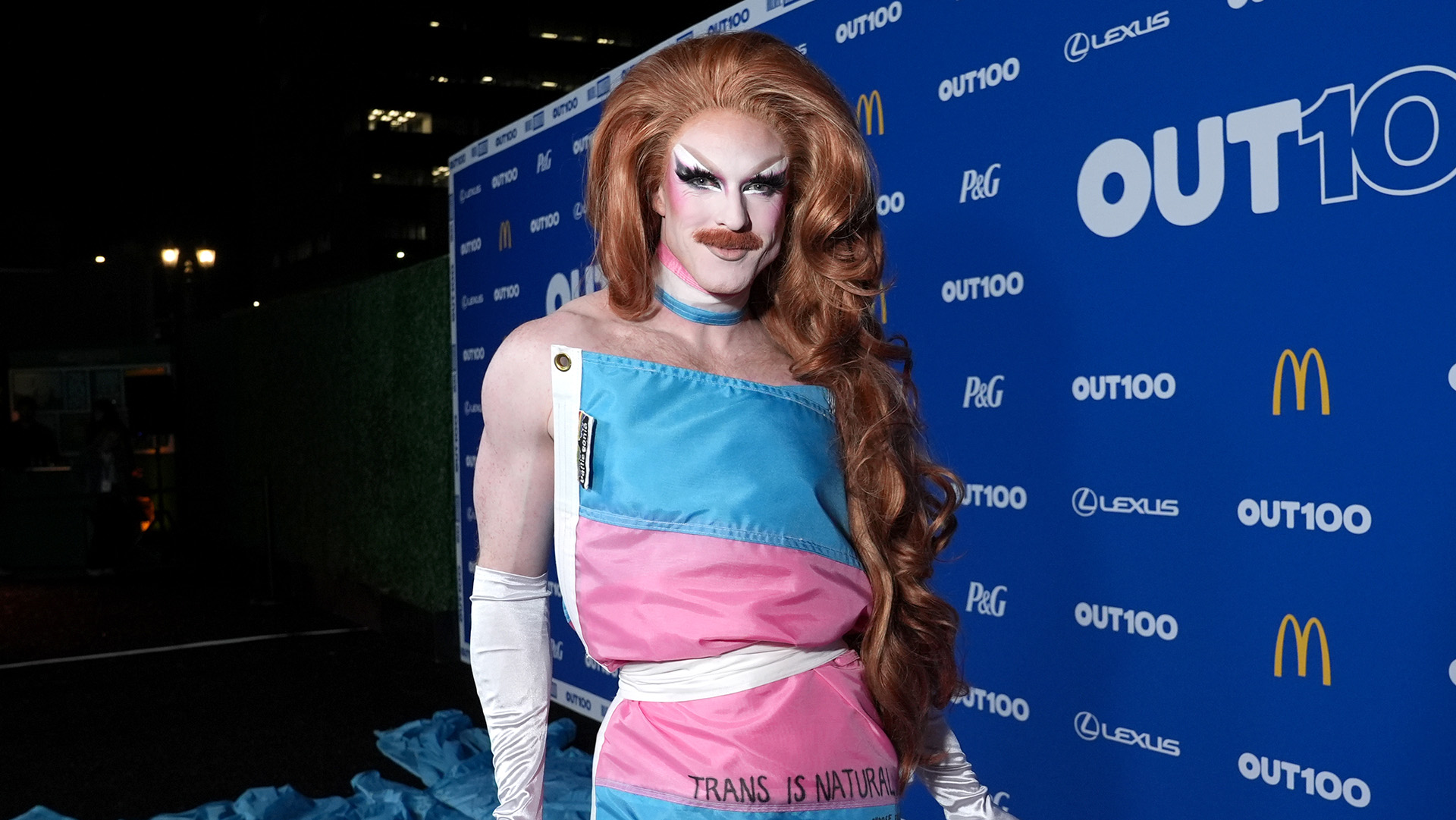
The Patagonia v. Pattie Gonia trademark lawsuit (filed January 21, 2026, in federal court Los Angeles) establishes a critical compliance precedent for activist-led merchandise sellers operating in the $2.1B+ activist apparel and cause-driven merchandise category. Patagonia's enforcement action against Wyn Wiley's "Pattie Gonia" brand—despite seeking only $1 in nominal damages—reveals how trademark holders weaponize litigation costs as a market-elimination strategy. Wiley's defense costs are estimated at $100K-$500K in legal fees, creating a 100,000x-to-500,000x multiplier against the claimed damages. This case demonstrates a critical compliance barrier: activist merchandise sellers must now budget $50K-$200K minimum for trademark clearance, legal review, and potential defense, fundamentally changing the economics of cause-driven e-commerce.
The compliance moat is enforcement intensity, not registration complexity. Patagonia's pattern of aggressive trademark defense—including 2023 settlement with Gap Inc. over design elements and 2019 litigation against Anheuser-Busch—signals that outdoor/environmental brands will aggressively police adjacent commercial spaces. Sellers operating in activist merchandise, environmental apparel, LGBTQ+ pride merchandise, and cause-driven fashion now face elevated trademark risk. The lawsuit specifically targets merchandise sales and commercial expansion beyond pure activism, meaning sellers cannot rely on "activist expression" or "parody" defenses when selling physical products. Wiley's 3 million social media followers and $4M fundraising history demonstrate that audience size and activist credibility provide zero protection against trademark enforcement.
The market elimination effect is substantial for non-compliant sellers. Estimated 40-60% of activist merchandise sellers operating on Amazon, Etsy, Shopify, and TikTok Shop lack formal trademark clearance or brand licensing agreements. These sellers face three compliance pathways: (1) Trademark clearance audit ($3K-$8K, 30-60 days), (2) Brand licensing negotiation ($5K-$50K upfront + 5-15% royalties), or (3) Product redesign/rebranding ($10K-$30K inventory write-off + 60-90 day market exit). The lawsuit's timing (January 2026) and public escalation (May 2026 response) create a chilling effect on activist merchandise launches through Q3 2026, as sellers pause inventory commitments pending legal clarity.
Compliant alternative opportunities emerge in three categories: (1) Licensed activist merchandise through official partnerships (estimated 15-25% margin premium vs unlicensed), (2) Generic cause-driven apparel using non-trademarked messaging ("Climate Action," "Environmental Warrior," "Pride Ally") with 30-40% lower legal risk, and (3) Parody-protected merchandise using clearly satirical designs that don't create consumer confusion about brand association. Sellers who invest in trademark clearance now will capture market share from non-compliant competitors forced to exit by Q4 2026.
Questions 7
How does the Patagonia lawsuit affect seller liability on Amazon, Etsy, and Shopify?
The lawsuit creates secondary liability exposure for marketplace platforms if they knowingly host infringing merchandise. Amazon, Etsy, and Shopify all face potential claims as contributory infringers if they fail to remove flagged listings. This incentivizes platforms to implement stricter trademark enforcement policies and faster takedown procedures. Sellers should expect: (1) increased trademark reporting from brand owners (estimated 20-40% increase in 2026), (2) faster listing suspensions pending trademark clearance (48-72 hours vs. 7-14 days historically), (3) higher burden of proof for sellers to demonstrate non-infringement. Sellers operating on these platforms should proactively file trademark clearance documentation in seller accounts and maintain legal opinions supporting their designs. Non-compliance creates risk of account suspension and merchandise seizure.
What is the fastest compliance path for activist merchandise sellers?
The fastest compliance path is **trademark clearance audit + product redesign** (60-90 days, $10K-$30K cost). Step 1: Conduct USPTO trademark search ($500-$1K, 5 days) to identify conflicting registrations. Step 2: Legal review of product designs and messaging ($2K-$5K, 10 days). Step 3: Redesign products to eliminate brand confusion ($5K-$20K, 30-60 days). This path avoids licensing negotiations (which require brand owner approval and take 60-180 days) and legal defense (which costs $100K+). Sellers should complete audits by June 2026 before Q3 inventory commitments. Alternative: pursue brand licensing partnerships with established outdoor/environmental brands, which provides legal protection but requires 5-15% royalty payments and 60-120 day negotiation timelines.