


AI Content Licensing Compliance | Critical IP Risks for E-Commerce Sellers Using AI Tools
- Landmark CNN v. Perplexity lawsuit establishes precedent for AI-generated content liability; sellers face emerging compliance obligations for product descriptions, customer service, and market research powered by generative AI

















Overview
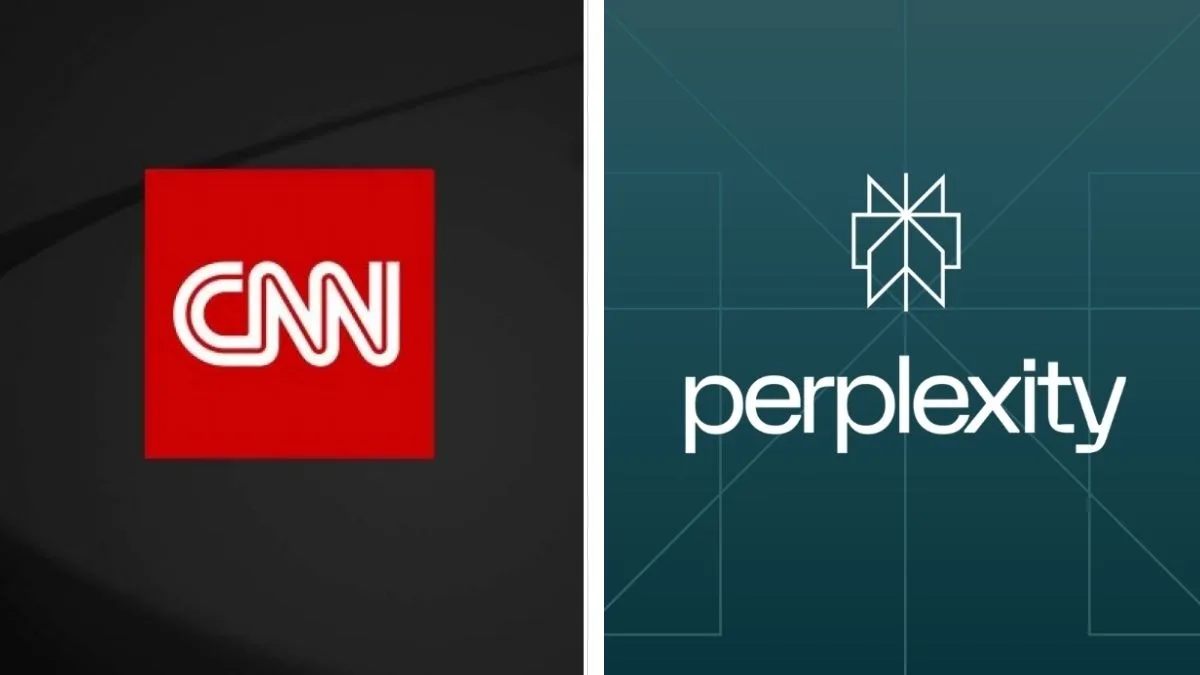
The CNN v. Perplexity lawsuit filed May 28, 2026 in U.S. District Court for the Southern District of New York represents a watershed moment for AI content licensing compliance that directly impacts cross-border e-commerce sellers. CNN alleges Perplexity unlawfully scraped 10,000-17,000 stories, videos, and images using PerplexityBot and Perplexity-User software to train AI products, then generated outputs identical or substantially similar to CNN's original content—establishing a two-phase infringement model (input scraping + output generation) that mirrors how many sellers currently use AI tools.
The compliance barrier is crystallizing rapidly. This lawsuit joins a coordinated wave of major publisher litigation: The New York Times, Chicago Tribune, News Corp, Encyclopedia Britannica, Yomiuri Shimbun, Wall Street Journal, Reddit, and Dow Jones have all filed similar suits against Perplexity within 24 months. Anthropic already settled for $1.5 billion, signaling that courts will impose substantial damages for unauthorized content use. Critically, CNN's failed 2025 licensing negotiations demonstrate that "fair use" defenses are weakening—Perplexity's argument that "facts cannot be copyrighted" has been rejected in preliminary responses, and courts are increasingly protecting original expression and creative arrangement, not just bare facts.
For e-commerce sellers, the operational risk is immediate and quantifiable. Sellers using AI tools (ChatGPT, Claude, Perplexity, or similar) to generate product descriptions, competitor analysis, market research summaries, or customer service responses now face potential liability if those tools trained on copyrighted content without licensing. The lawsuit establishes that even after being blocked from accessing content (CNN blocked Perplexity's bot), continued use of previously scraped material constitutes ongoing infringement. This creates a compliance timeline: sellers must audit their AI tool usage by Q3 2026 and implement licensed alternatives by Q4 2026 to avoid exposure.
The licensing market is bifurcating into compliant and non-compliant players. Publishers including Gannett, TIME, Le Monde, Der Spiegel, Meta, USA Today, and others have negotiated commercial licensing deals with Perplexity, establishing a precedent that AI companies must pay for content access. CNN itself signed a Meta licensing agreement in December 2025, demonstrating willingness to partner with "responsible industry players." This creates a compliance moat: sellers using licensed AI tools gain competitive protection, while those using unlicensed scraped-content models face litigation risk and potential platform deactivation (Amazon, Shopify, and eBay increasingly enforce IP compliance).
Trademark violations compound the liability exposure. Perplexity falsely represented CNN affiliation and fabricated claims about premium content access—violations that directly parallel how some sellers misrepresent product origins, use competitor brand names in descriptions, or generate misleading AI-powered marketing copy. The lawsuit establishes that omitting attribution, modifying content without disclosure, and displaying inaccurate reproductions alongside registered trademarks constitute separate violations beyond copyright infringement. Sellers face dual liability: copyright claims for content generation + trademark claims for brand misrepresentation.
Questions 7
What is the difference between fair use and copyright infringement in AI-generated content?
The lawsuit demonstrates that courts are narrowing fair use protections for AI companies. Perplexity's defense—that facts cannot be copyrighted—has been rejected in preliminary responses. Copyright law protects original expression and creative arrangement, not bare facts alone. When AI tools generate summaries or descriptions that substantially replicate the structure, phrasing, or creative elements of copyrighted sources, courts now treat this as infringement even if factual content is included. For sellers, this means AI-generated product descriptions that closely mirror competitor listings, manufacturer content, or published reviews may constitute infringement. Safe practice: use AI only to synthesize information from multiple licensed sources, add substantial original analysis, and maintain clear attribution.
How does the CNN v. Perplexity lawsuit affect sellers using AI tools for product descriptions?
The lawsuit establishes that AI companies face liability for training on copyrighted content without licensing, which directly impacts sellers. If you use ChatGPT, Claude, or Perplexity to generate product descriptions, competitor analysis, or market research, you inherit potential liability if those tools trained on unlicensed copyrighted content. The two-phase infringement model (input scraping + output generation) means even if your AI tool generates original-sounding text, it may infringe if trained on copyrighted sources. Sellers should immediately audit AI tool usage and migrate to licensed alternatives (OpenAI Enterprise, licensed Claude API) by Q4 2026 to avoid platform deactivation and legal exposure. Amazon, Shopify, and eBay increasingly enforce IP compliance and may suspend accounts using non-compliant AI tools.