



Strait of Hormuz Shipping Reopening Creates $2-4B Logistics Arbitrage for Cross-Border Sellers
- 21% of global petroleum trade corridor reopening within 30 days; shipping costs expected to drop 8-15% as fuel prices stabilize below $100/barrel



Overview
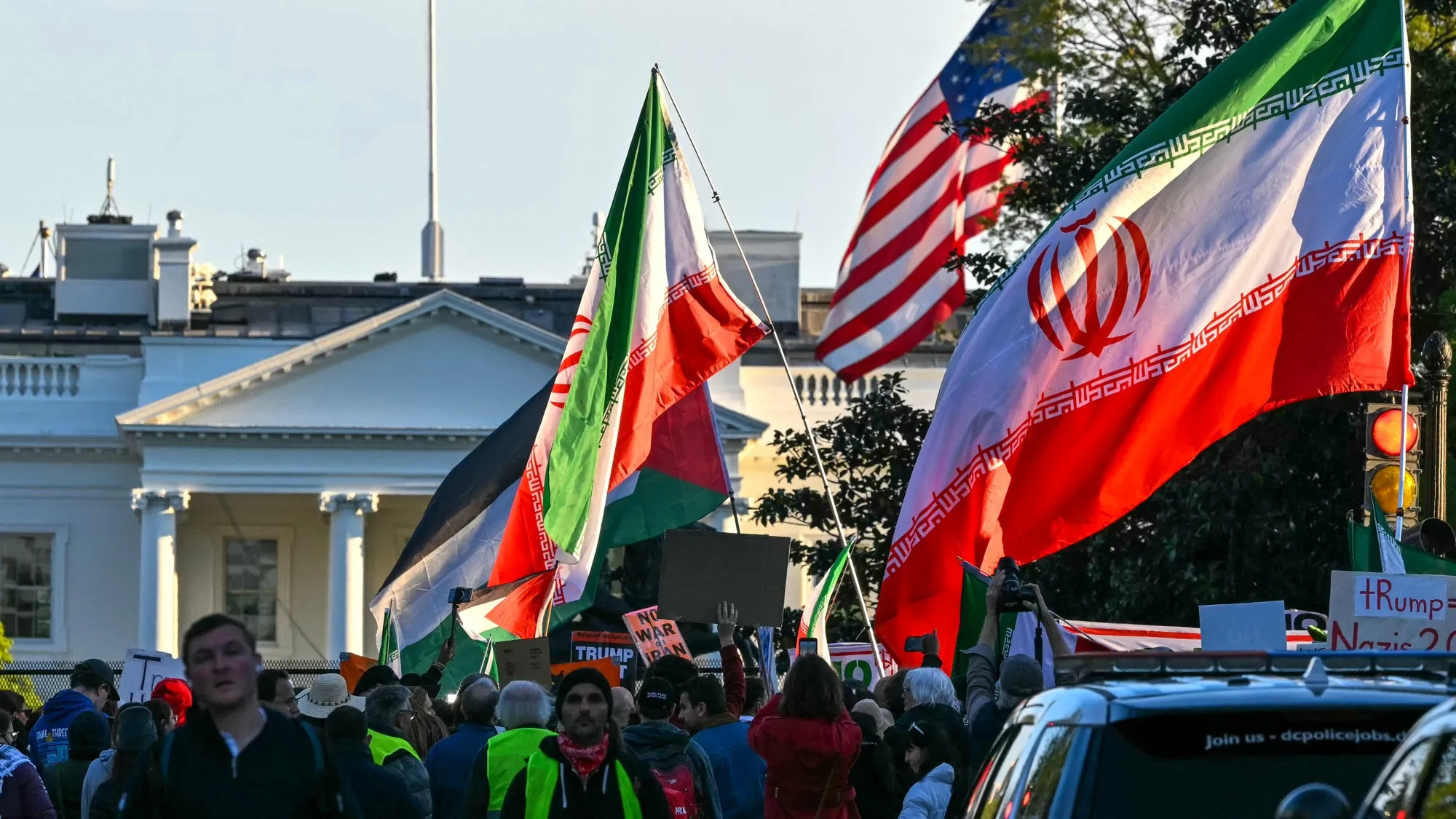
The preliminary US-Iran peace agreement represents a critical inflection point for cross-border e-commerce logistics, with direct implications for shipping costs, supply chain routing, and competitive positioning across seller segments. The 60-day memorandum of understanding (MOU) includes unrestricted shipping through the Strait of Hormuz with no tolls or harassment, mine removal within 30 days, and proportional lifting of the US naval blockade as commercial shipping resumes to pre-war levels. This corridor handles approximately 21% of global petroleum trade—any stabilization directly impacts fuel surcharges embedded in shipping rates for Amazon FBA, eBay Global Shipping, and Shopify logistics partners.
Immediate Shipping Cost Arbitrage: Current oil prices climbed 2% Thursday but remain below $100/barrel, with further downward pressure expected as Strait traffic normalizes. Sellers currently paying 8-15% fuel surcharges on Asia-to-US and Asia-to-EU routes via Middle Eastern corridors will see cost reductions of $0.50-1.50 per unit for standard packages (2-5 lbs). For sellers moving 1,000+ units monthly through 3PL providers, this translates to $500-1,500 monthly savings. The 30-day commercial shipping normalization window creates a critical timing advantage for sellers who lock in carrier contracts before fuel surcharges decline—those who delay face margin compression as competitors capture cost savings.
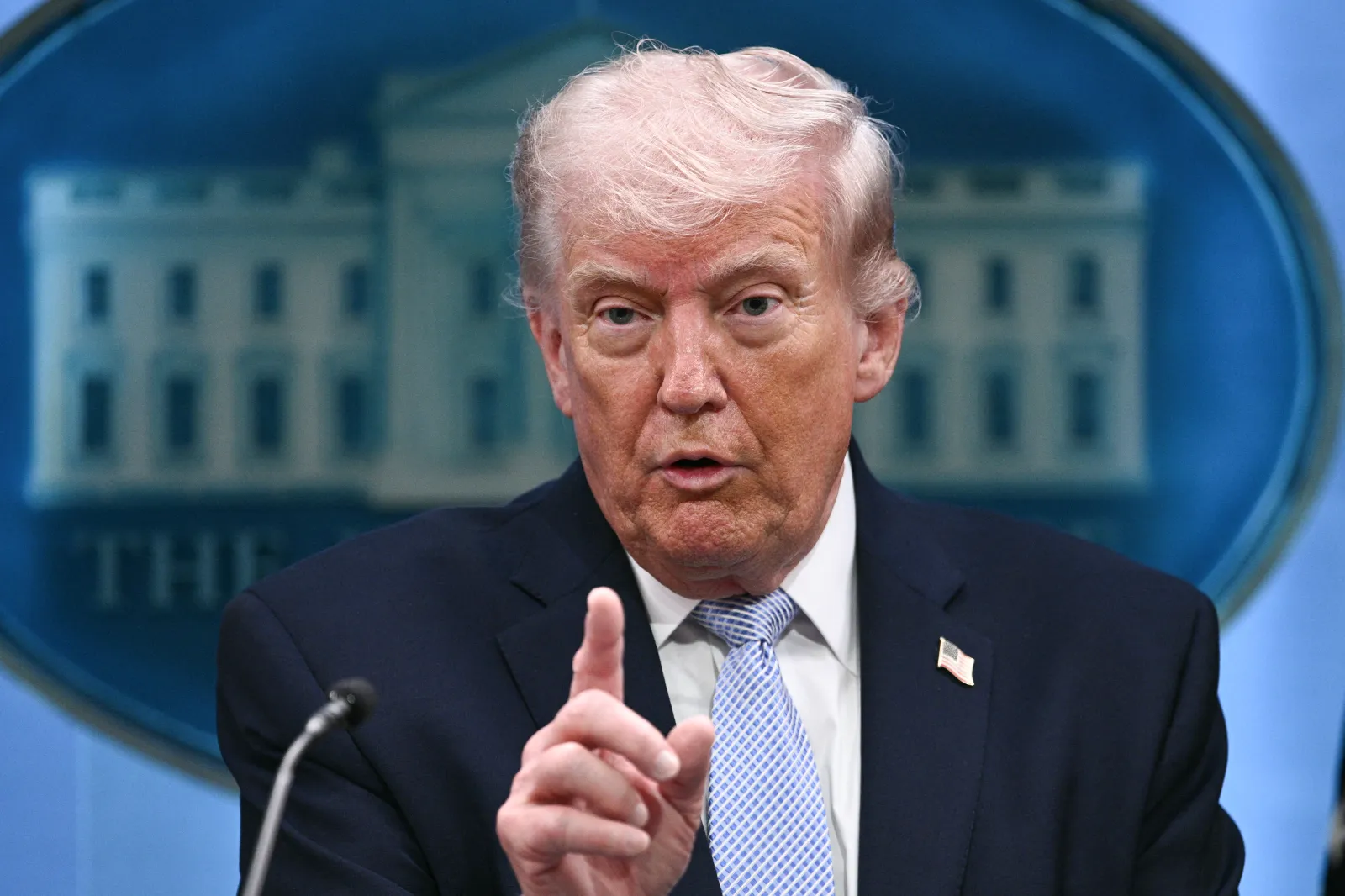
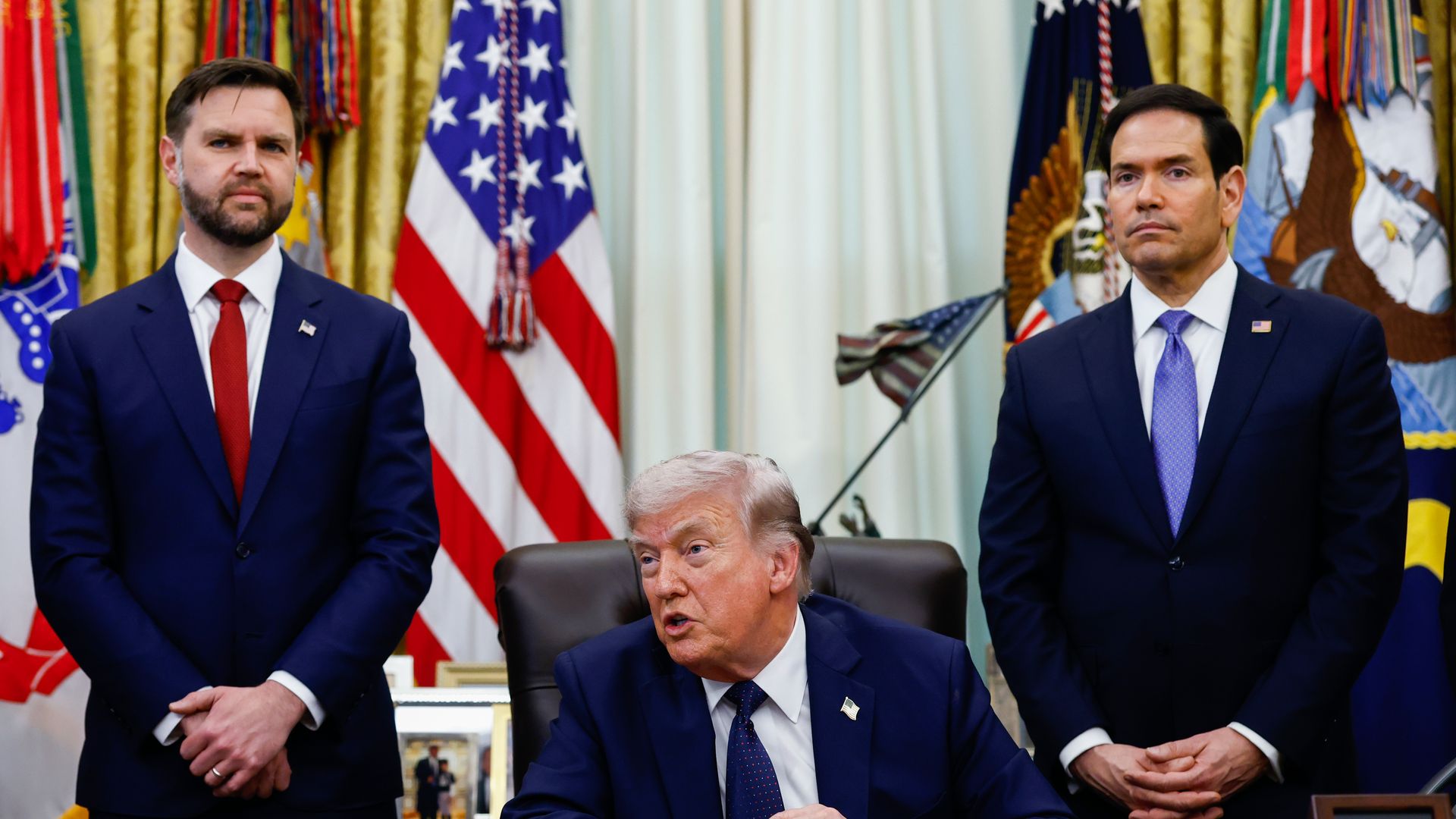
Regional Market Access Expansion: The agreement's $12 billion frozen asset release and sanctions waivers enabling Iran to sell oil freely signal potential market opening for Iranian consumers and businesses. However, verification of Iranian willingness to make nuclear concessions remains pending direct negotiations, creating 60-day uncertainty. Sellers should monitor Iran's economic restructuring opportunity but avoid inventory commitments until Trump grants final approval and UN Security Council ratification completes. The fragile ceasefire established April 8 could collapse if unauthorized vessel passages increase, requiring contingency logistics planning.
Competitive Positioning by Seller Segment: Large sellers (10,000+ monthly units) with existing 3PL contracts benefit most from fuel surcharge reductions—they can renegotiate rates immediately. Mid-market sellers (1,000-5,000 units) should evaluate carrier switching to capture savings. Small sellers relying on Amazon FBA or eBay Global Shipping benefit indirectly as platform logistics costs decline, though pass-through timing varies by platform (typically 30-60 days). Sellers currently sourcing from Vietnam, India, or Indonesia for US/EU markets gain competitive advantage as shipping costs normalize, potentially displacing China-sourced products in price-sensitive categories like electronics accessories, apparel, and home goods.
Questions 8
What compliance considerations apply if Iran market access opens post-agreement?
OFAC (Office of Foreign Assets Control) sanctions remain the primary compliance barrier even if the agreement succeeds. Sellers cannot directly sell to Iranian consumers or businesses without specific OFAC licenses, which are rarely granted for commercial e-commerce. Payment processing through Stripe, PayPal, and Amazon Pay remains prohibited for Iran transactions. If sanctions fully lift (requiring Congressional action beyond executive agreement), sellers must implement robust customer verification, transaction monitoring, and sanctions screening systems. Expect 12-24 months of regulatory uncertainty post-agreement—consult trade compliance counsel before pursuing Iran market opportunities. Focus on indirect market access through authorized Iranian importers or distributors rather than direct-to-consumer sales.
How should sellers adjust sourcing strategies based on Strait of Hormuz reopening?
Sellers currently sourcing from China face margin compression as shipping costs normalize, reducing their cost advantage. Prioritize Vietnam, India, and Indonesia sourcing for price-sensitive categories (electronics accessories, apparel, home goods) where shipping cost differentials were previously masked by Strait disruption premiums. Renegotiate 3PL contracts immediately to lock in fuel surcharge reductions before carriers adjust baseline rates. For sellers with existing China supply chains, evaluate product mix—high-margin items (electronics, branded goods) remain viable from China, while commodity items should shift to Southeast Asian sourcing. Monitor carrier rate cards weekly for 60 days to capture maximum savings window before market equilibrium restores.