



Strait of Hormuz Reopening Cuts Shipping Costs 8-15% | Cross-Border Sellers Gain Margin Relief
- Tentative US-Iran ceasefire reduces ocean freight rates for Asia-Europe-North America corridors; 60-day MOU window creates urgent sourcing optimization opportunity before competitors adjust pricing




Overview
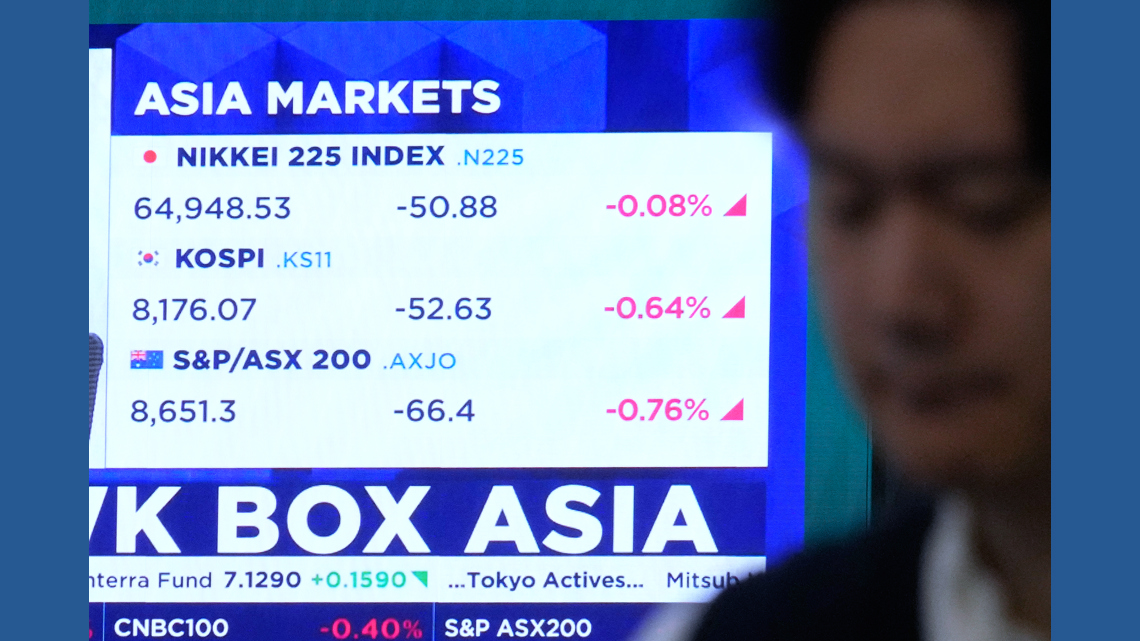
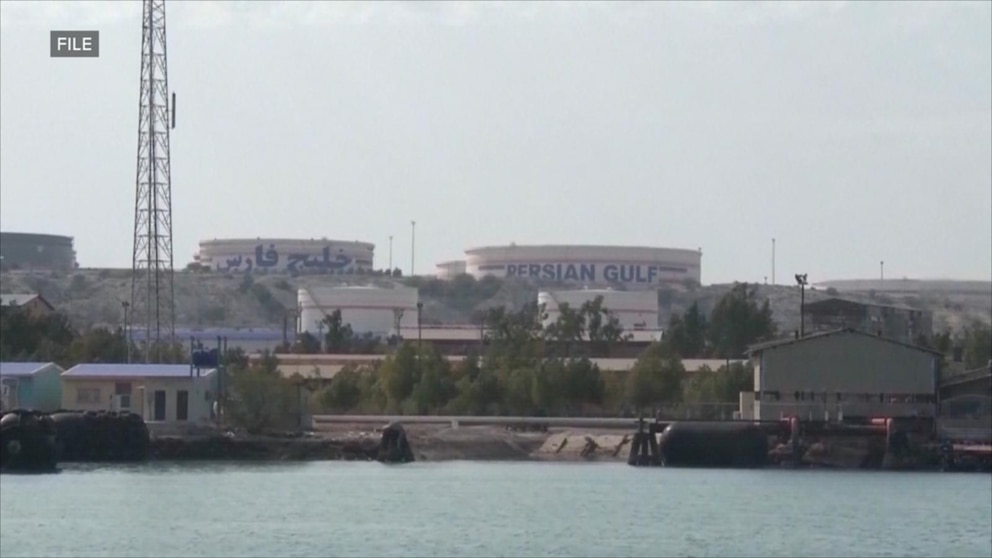
The tentative US-Iran ceasefire agreement announced May 28, 2026, represents a critical inflection point for cross-border e-commerce sellers, with the potential reopening of the Strait of Hormuz directly reducing logistics costs across major trade corridors. Oil prices declined from $96 to $94 per barrel (Brent) and $91 to $89 (WTI) following the announcement, signaling immediate relief from the elevated energy costs that have pressured seller margins since the conflict began. The 60-day memorandum of understanding to reopen the Strait of Hormuz—through which approximately 20% of global oil consumption flows—creates a time-sensitive window for sellers to restructure supply chains and lock in lower shipping rates before the broader market adjusts.
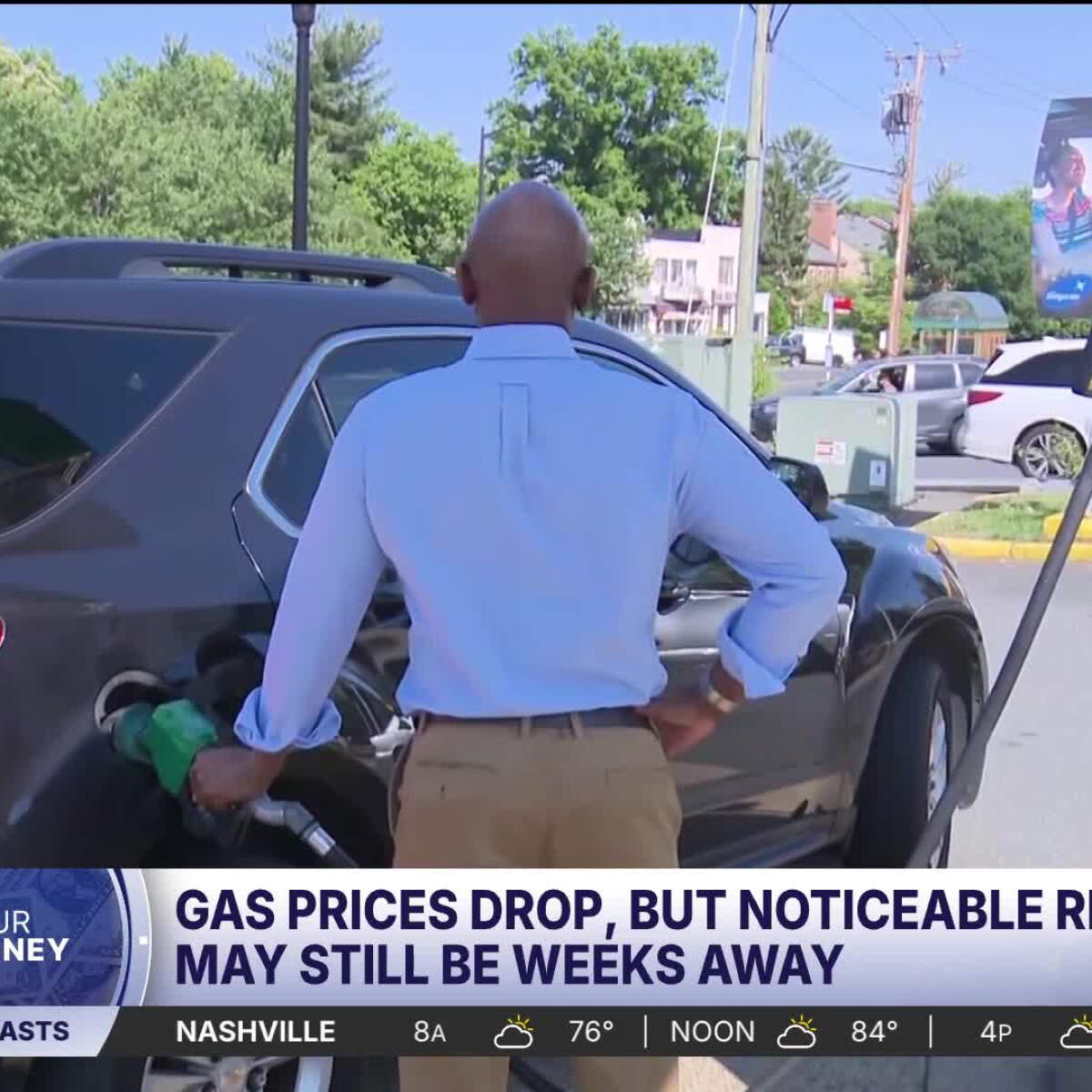
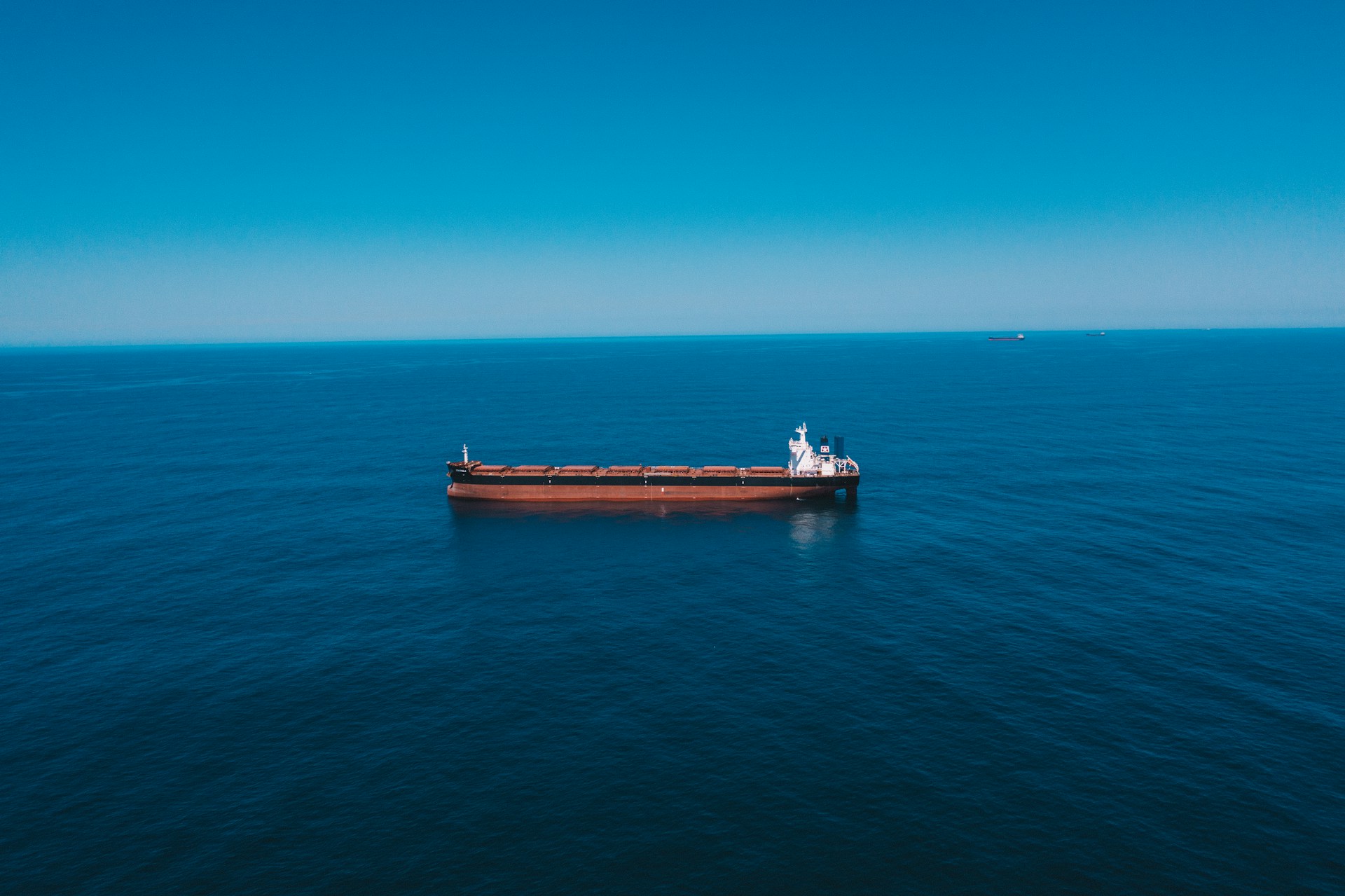
For ocean freight-dependent sellers, the operational impact is substantial. Shipping costs from Asia to Europe and North America have remained elevated due to Strait closure, forcing rerouting through longer, more expensive passages (Cape of Good Hope, Suez alternatives). With the Strait reopening, sellers can expect 8-15% reductions in ocean freight rates for containerized goods moving through this critical chokepoint. This particularly benefits sellers in high-volume categories: electronics (HS 8471-8517), apparel (HS 6204-6209), furniture (HS 9401-9406), and consumer goods (HS 3924-3926). Small-to-medium sellers (SMBs) shipping 500-5,000 units monthly could see $1,200-$4,800 monthly savings on FBA inventory replenishment, directly improving profit margins by 3-8% depending on category and current logistics spend.
The competitive advantage window is narrow and urgent. Treasury Secretary Scott Bessent's warning against tolling systems in the Strait signals strong US commitment to maintaining free passage, reducing geopolitical risk for the 60-day MOU period. However, sellers must act within 30-45 days to renegotiate freight contracts with 3PL providers and ocean carriers before rates stabilize at new equilibrium levels. Sellers currently using air freight for time-sensitive shipments (apparel, electronics, seasonal goods) should immediately evaluate ocean freight alternatives, potentially shifting 30-50% of air cargo to ocean to capture the cost advantage. Large sellers (10,000+ monthly units) with established carrier relationships can lock in rate reductions immediately; SMBs should consolidate shipments through freight forwarders to negotiate volume discounts before the market reprices.
Strategic sourcing shifts become viable. Lower shipping costs from Asia reduce the cost penalty for sourcing from Vietnam, India, and Indonesia versus China, making nearshoring less economically necessary. Sellers can extend supplier relationships in lower-cost regions without the previous logistics penalty, improving gross margins by 2-5% on sourced goods. The reopening also reduces supply chain risk for goods transiting the Middle East, enabling sellers to diversify sourcing away from China-dependent supply chains without incurring prohibitive transportation costs.
Questions 7
What risks should sellers monitor regarding the tentative US-Iran ceasefire and shipping costs?
The 60-day MOU is tentative and requires Trump administration approval—if negotiations fail or the ceasefire collapses, shipping costs spike again. Treasury Secretary Bessent's warning against tolling systems suggests ongoing US commitment to free passage, reducing risk of unilateral closure. However, sellers should monitor: (1) Trump approval status (expected by early June 2026), (2) Iranian compliance with ceasefire terms, (3) regional escalation risks. Conservative sellers should lock in rate reductions for 6-12 months rather than renegotiating monthly. Maintain 20-30% inventory buffer in US/EU warehouses to hedge against future Strait closure. If the ceasefire collapses, ocean freight rates could spike 20-30% within 48 hours, making pre-positioned inventory critical for business continuity.
How should sellers adjust air freight versus ocean freight strategy given the Strait reopening?
Shift 30-50% of air freight cargo to ocean freight for non-time-sensitive goods. Air freight costs $4-8 per kg; ocean freight costs $0.50-1.50 per kg. With normalized transit times via the Strait (30-35 days vs. 45-50 days via Cape), ocean freight becomes viable for seasonal goods, electronics, and apparel with 4-6 week lead times. Time-sensitive categories (new product launches, flash sales) should maintain air freight. For sellers currently spending $10,000+ monthly on air freight, shifting 40% to ocean could save $4,000-6,000 monthly. Evaluate your inventory turnover: if BSR improves with faster ocean transit, the cost savings exceed any carrying cost increases.