



Ukraine's Diplomatic Pivot: Security Guarantees Reshape Geopolitical Landscape
- Emerging peace framework signals strategic realignment with global power dynamics









Overview
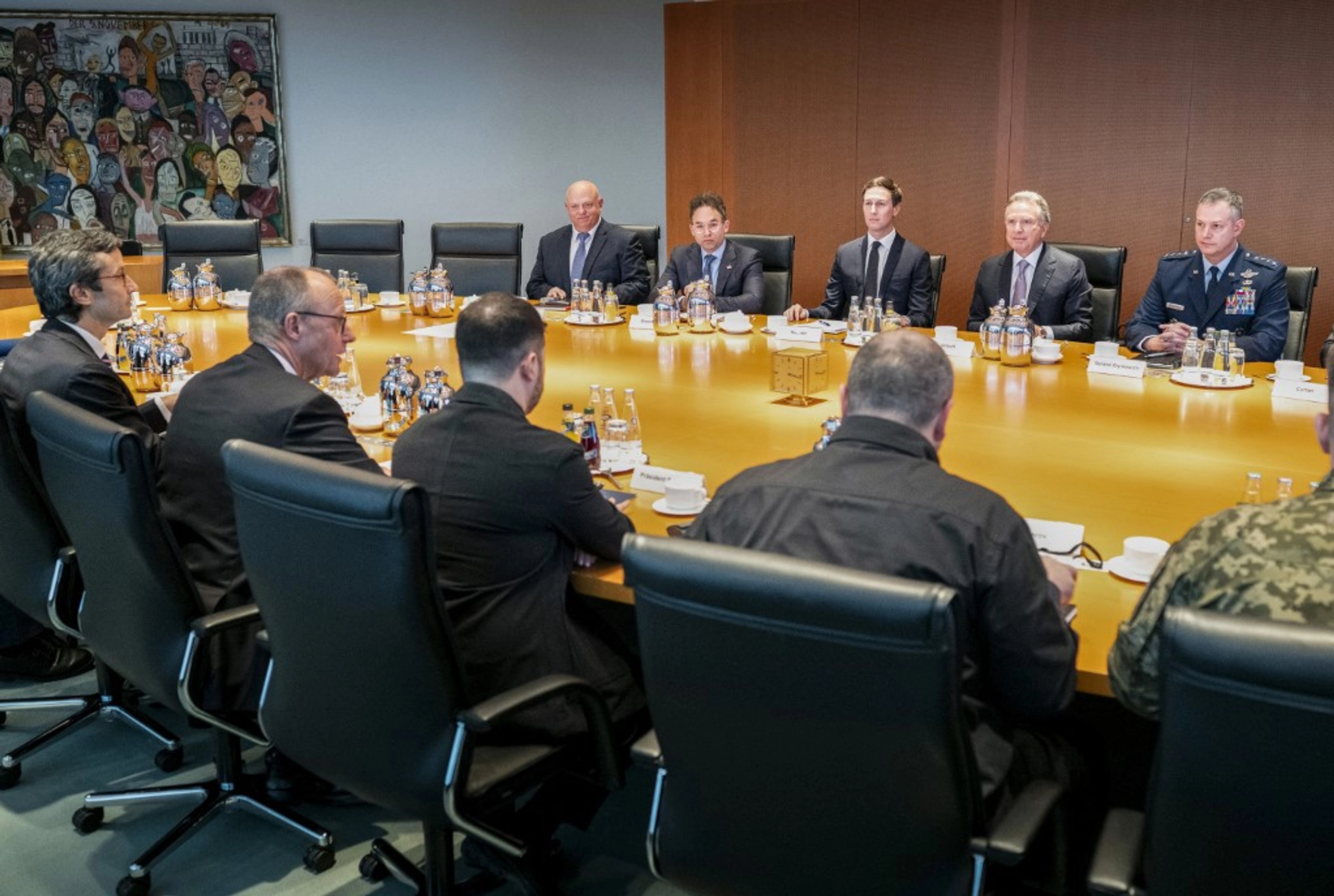
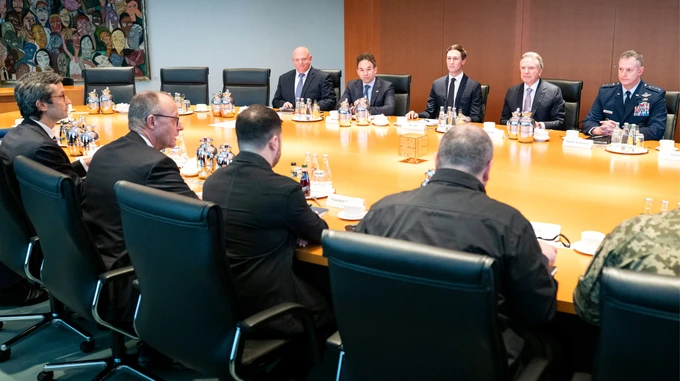
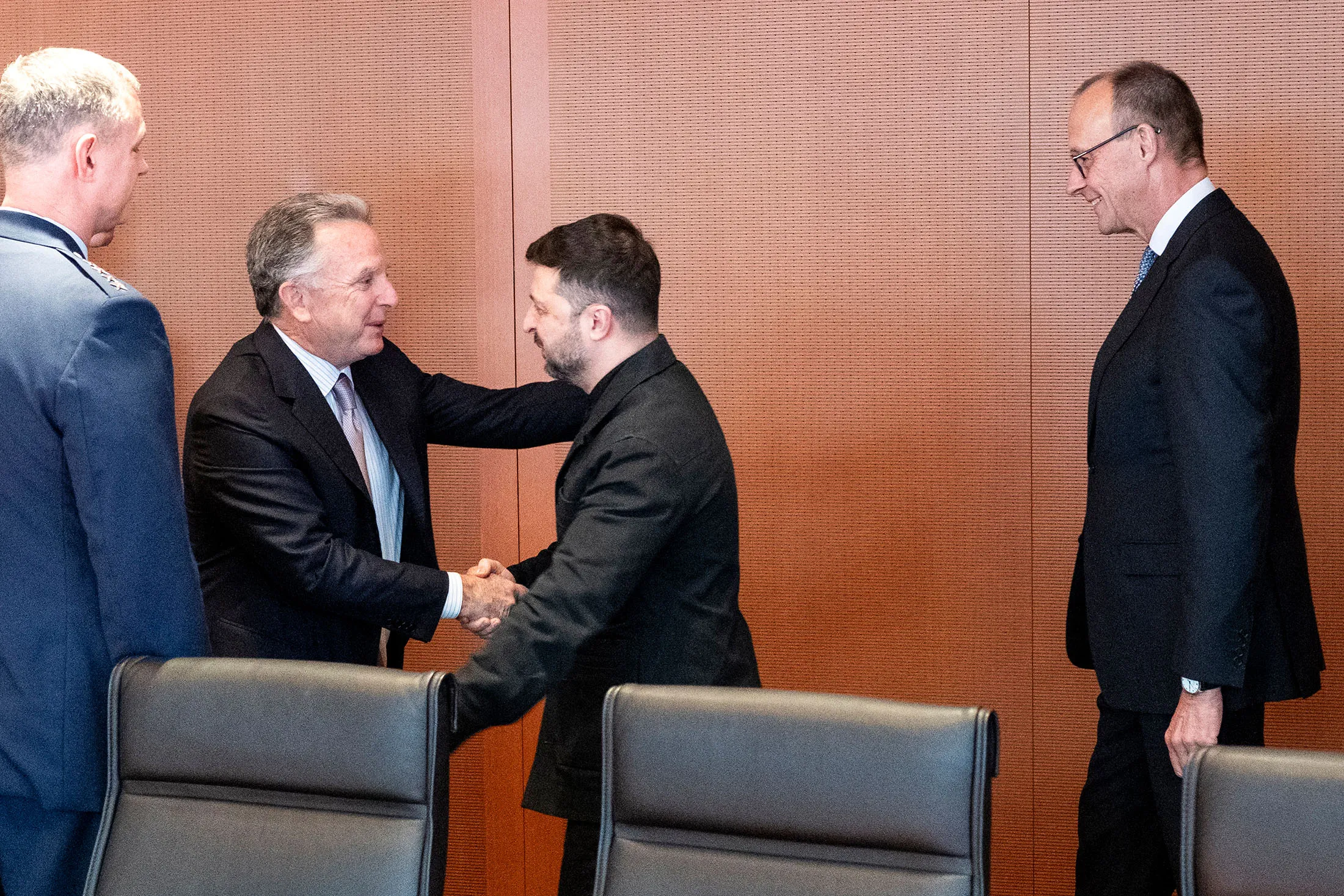
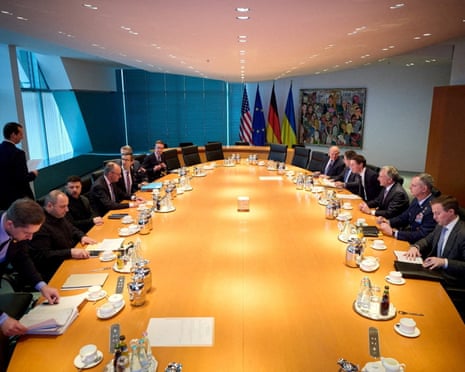
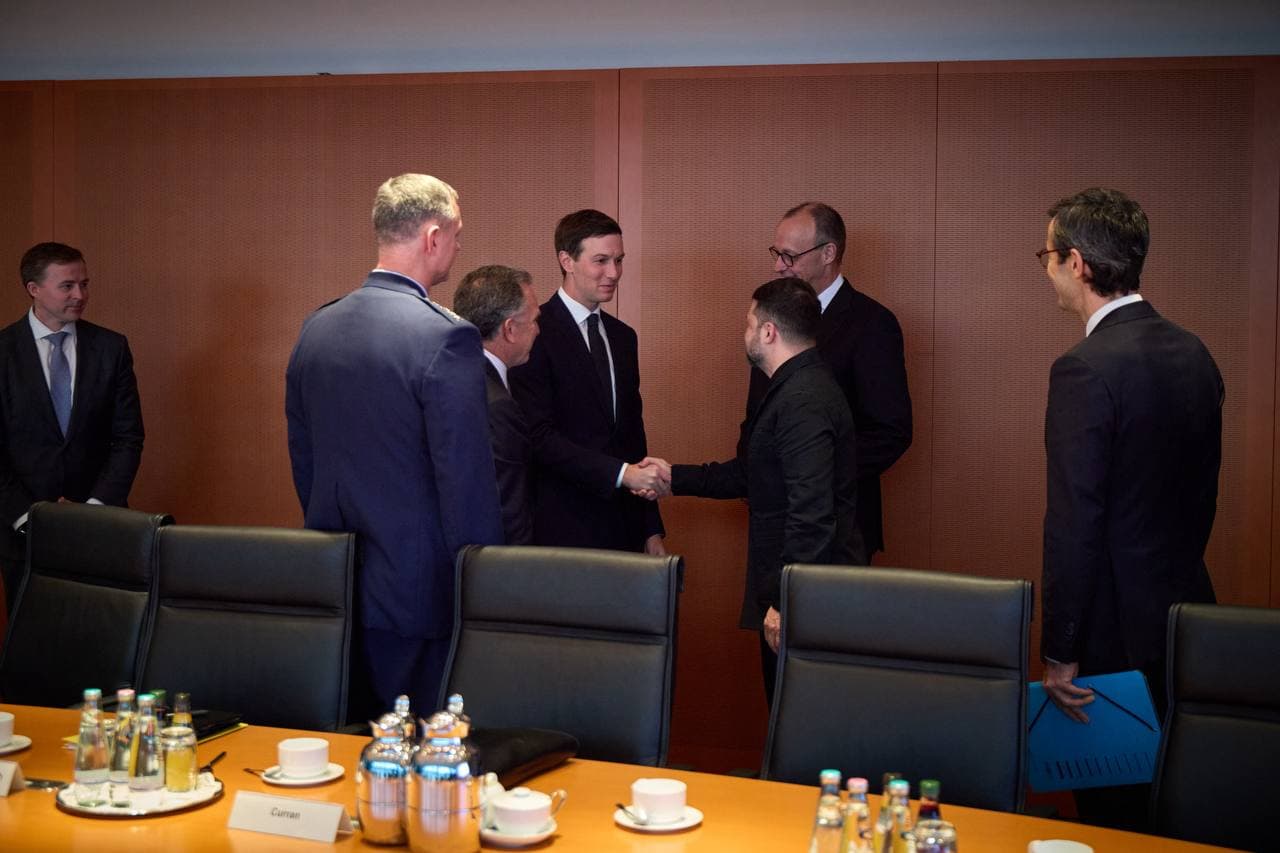
The ongoing diplomatic negotiations in Berlin represent a critical inflection point in the Ukraine-Russia conflict, where geopolitical strategy is being reimagined through unprecedented security compromise. With approximately 90% of core issues reportedly resolved, the emerging framework reveals a nuanced diplomatic breakthrough that challenges traditional conflict resolution approaches.
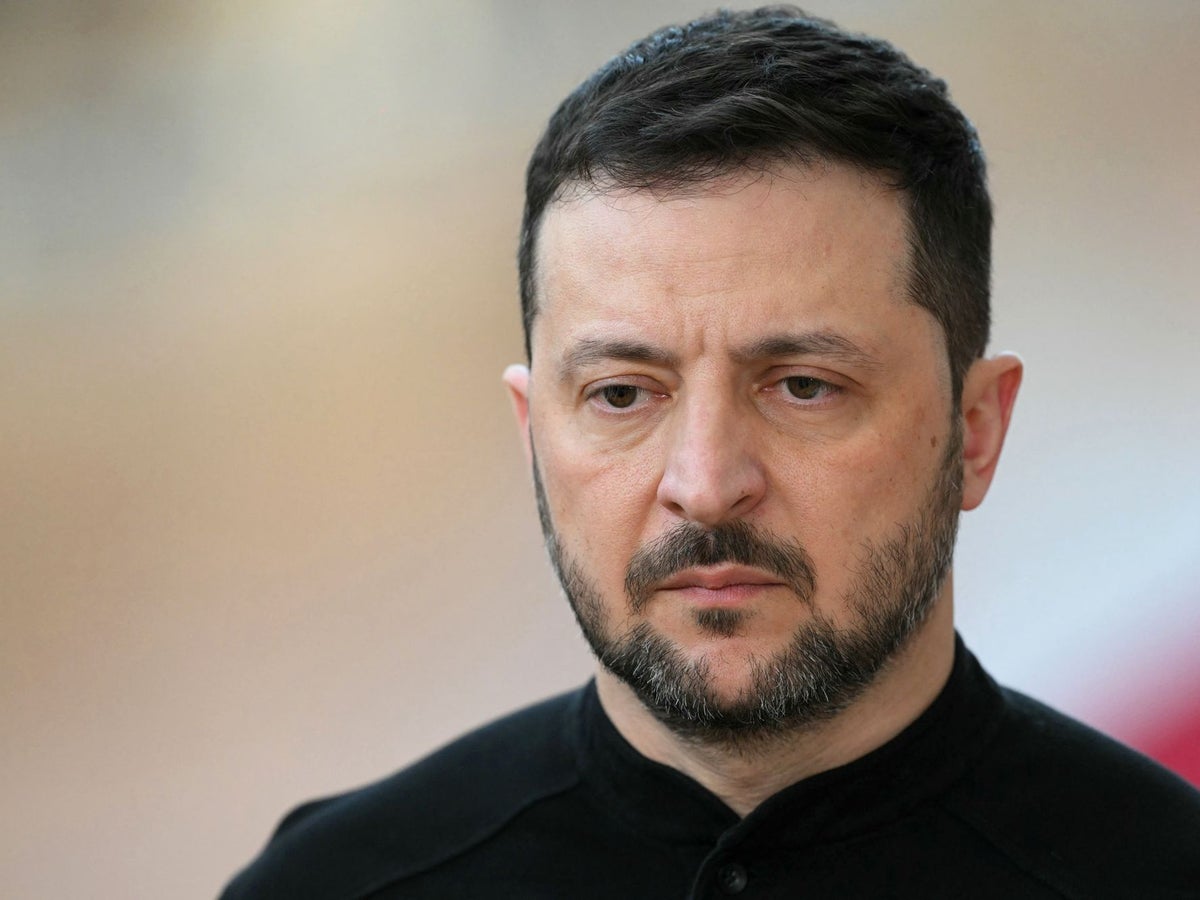
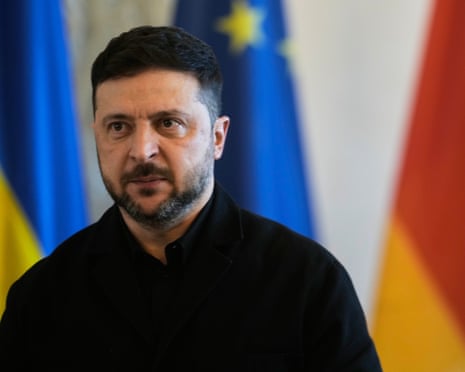
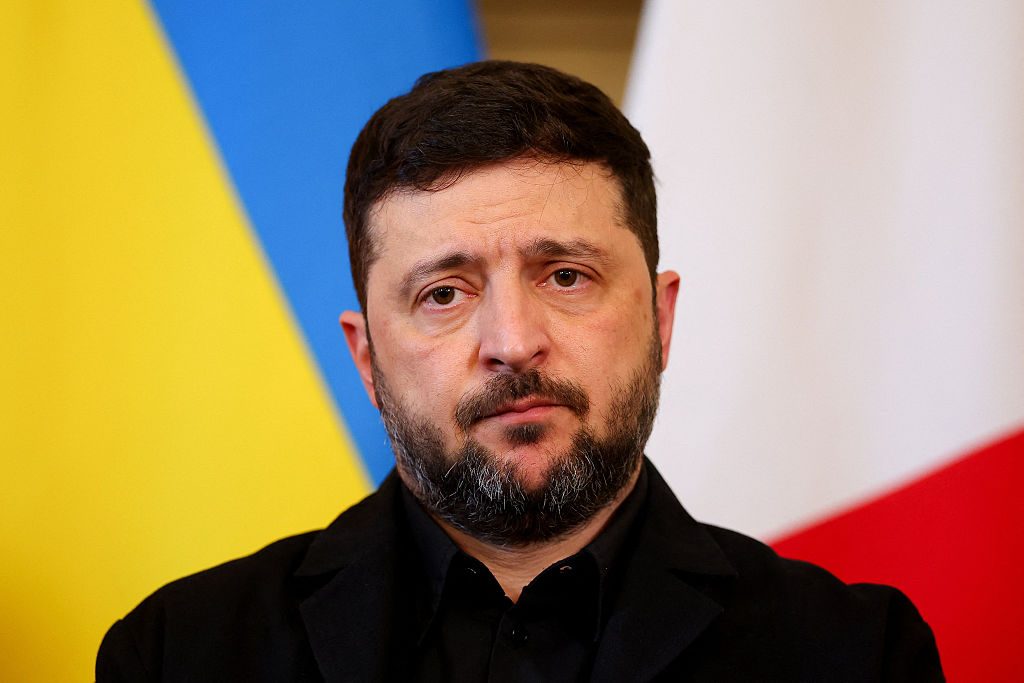
Strategic Compromise as Geopolitical Instrument: Ukrainian President Volodymyr Zelenskyy's willingness to drop NATO ambitions signals a pragmatic recalibration of national security strategy. The proposed "platinum" security guarantees from the United States offer a novel alternative to traditional alliance structures, providing deterrence mechanisms without direct military engagement. This approach represents a sophisticated diplomatic innovation—creating security assurances that balance Ukraine's sovereignty with Russia's strategic concerns.
The negotiations unveil a multilayered diplomatic strategy where territorial concessions are balanced against robust international guarantees. Notably, the proposed framework includes Article 5-like protections without requiring direct troop deployments, a subtle yet significant diplomatic engineering. The involvement of multiple European leaders—from Britain, Denmark, Finland, Norway, Netherlands, Poland, and Sweden—underscores the collaborative nature of this emerging peace framework.
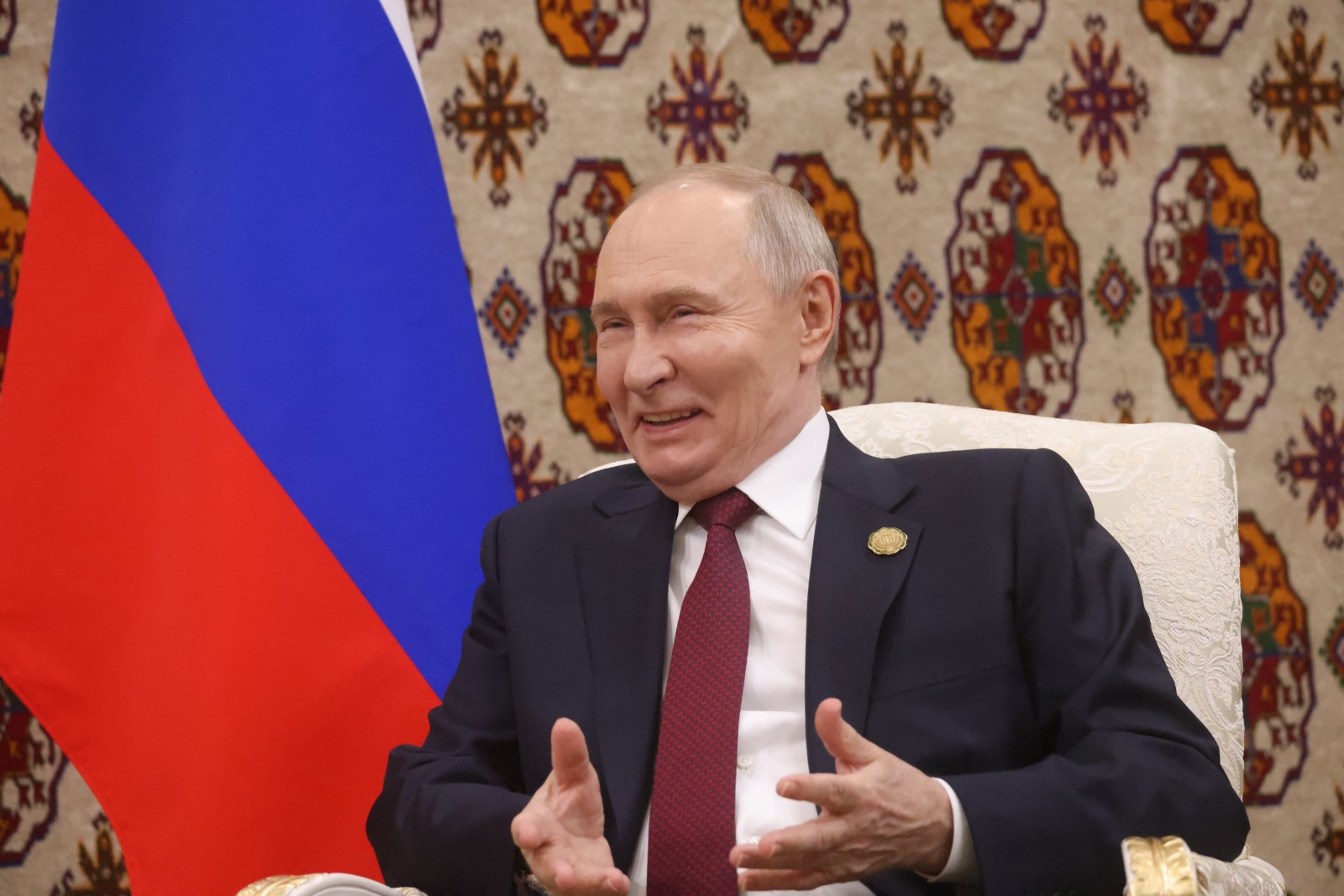
Interestingly, Russia's openness to Ukraine potentially joining the European Union suggests a potential pathway for integration that circumvents traditional NATO expansion concerns. The time-sensitive nature of these guarantees—explicitly noted as not permanent—introduces an additional layer of strategic urgency, compelling all parties to negotiate in good faith.
The broader implications extend beyond immediate conflict resolution. This diplomatic approach demonstrates a sophisticated model of conflict mediation that prioritizes negotiated compromise over zero-sum geopolitical confrontation. By creating flexible security architectures that accommodate multiple stakeholder interests, the negotiations potentially establish a new template for resolving complex international disputes.
Questions 3
How likely are these negotiations to result in a sustainable peace agreement?
With approximately 90% of core issues reportedly resolved and multiple European leaders involved, the negotiations show promising momentum. However, the unresolved territorial disputes and Russia's constitutional claims remain significant challenges that could still derail the process.
What strategic advantages does Ukraine gain from dropping NATO ambitions?
By dropping NATO ambitions, Ukraine opens diplomatic pathways for alternative security arrangements and potentially reduces immediate Russian resistance. The 'platinum' security guarantees offer robust protection while providing a face-saving compromise for all parties involved.