



Balloon Warfare: Belarus Weaponizes Geopolitical Tensions Through Unconventional Border Disruption
- Hybrid Conflict Strategies Expose Fractures in Western Diplomatic Approaches

























Overview
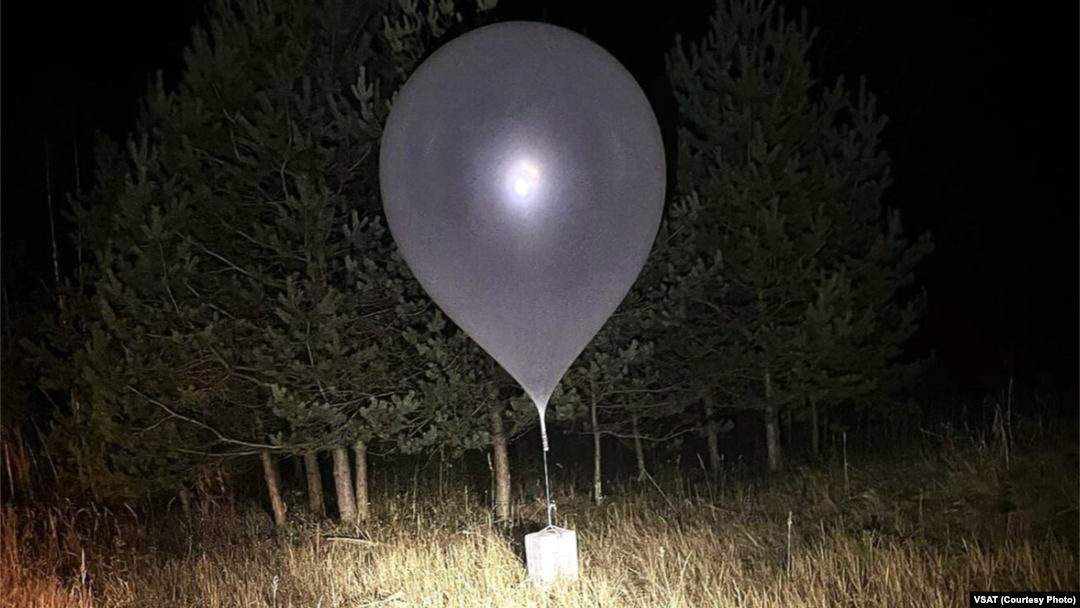
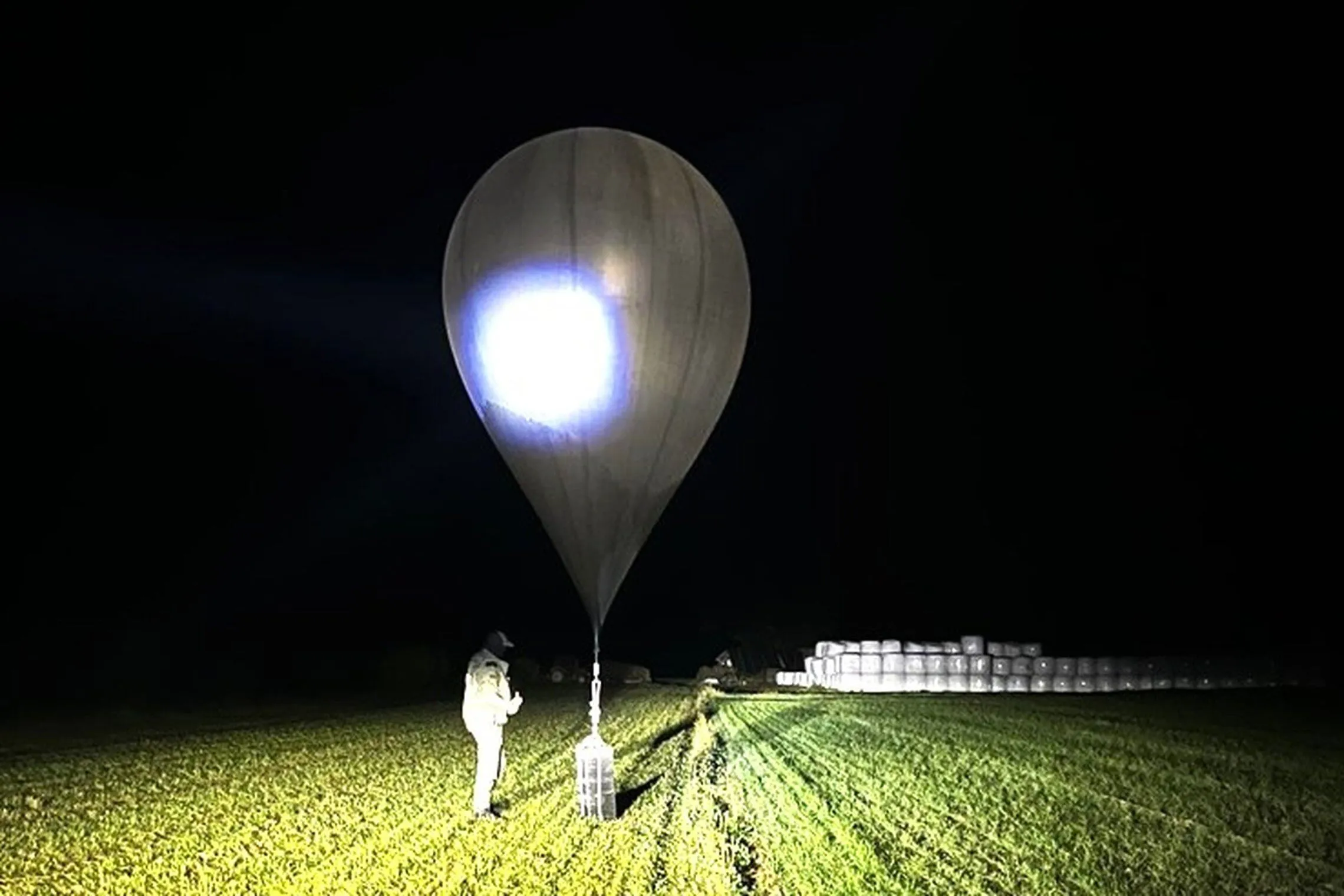
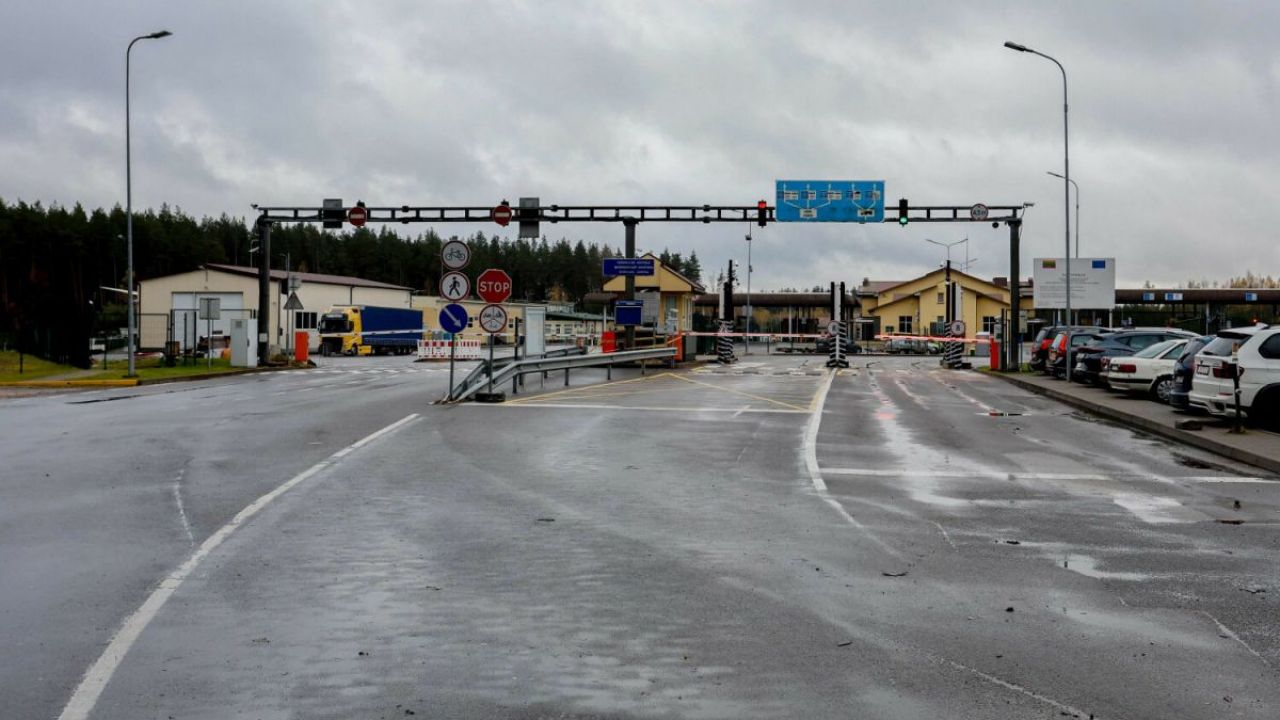
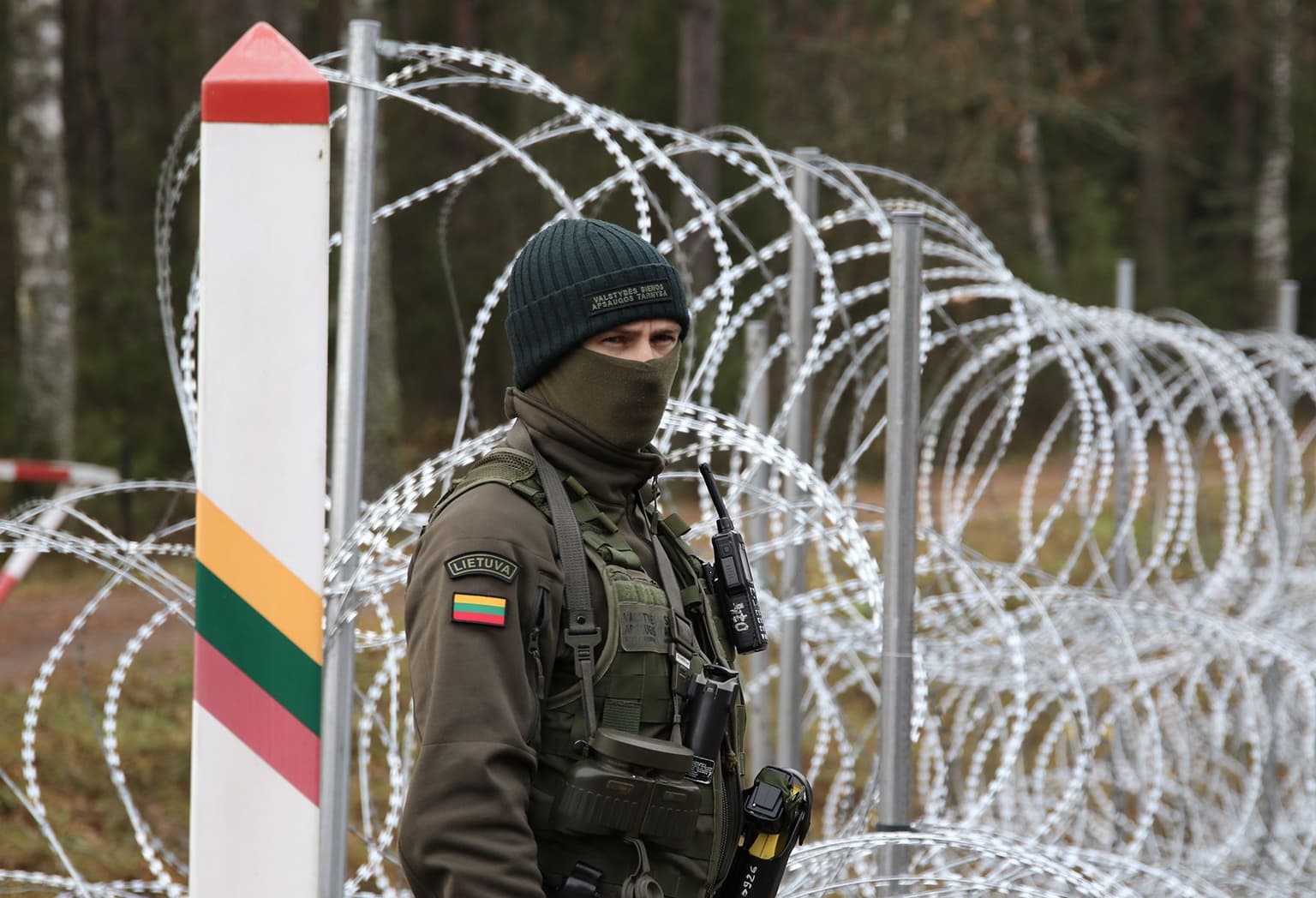
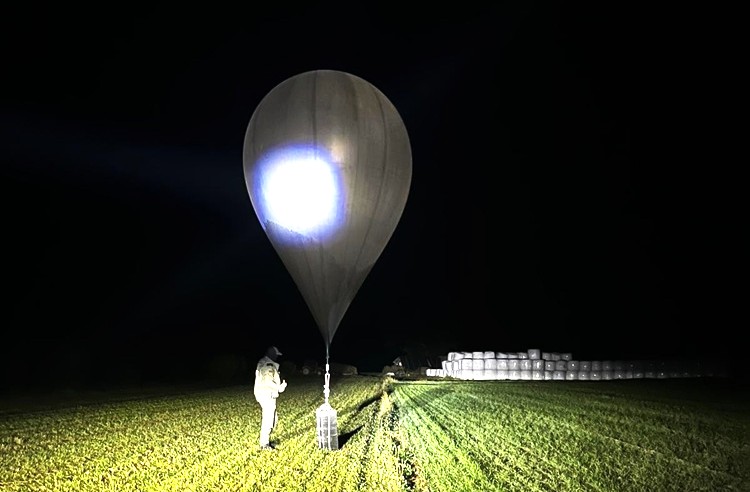
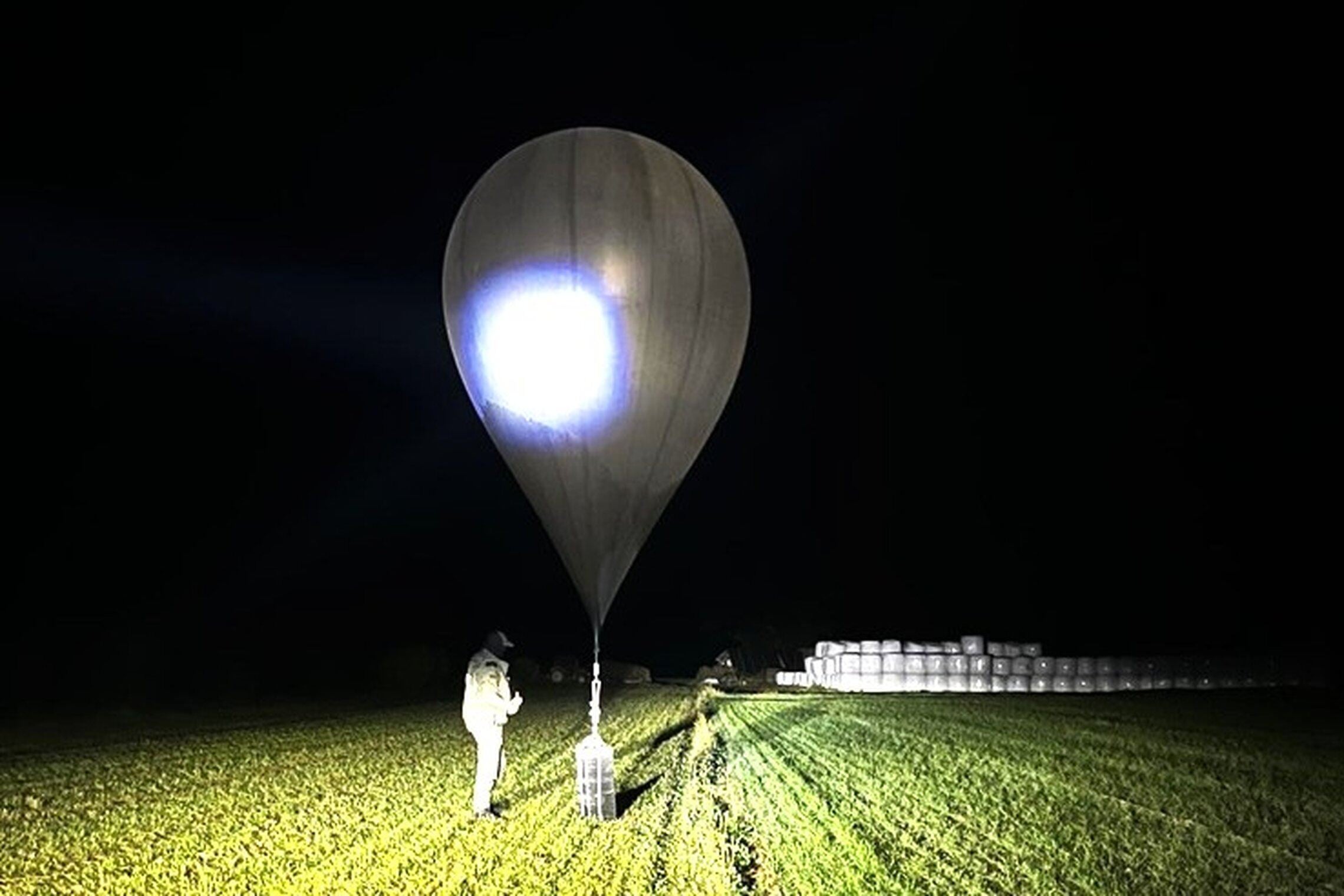
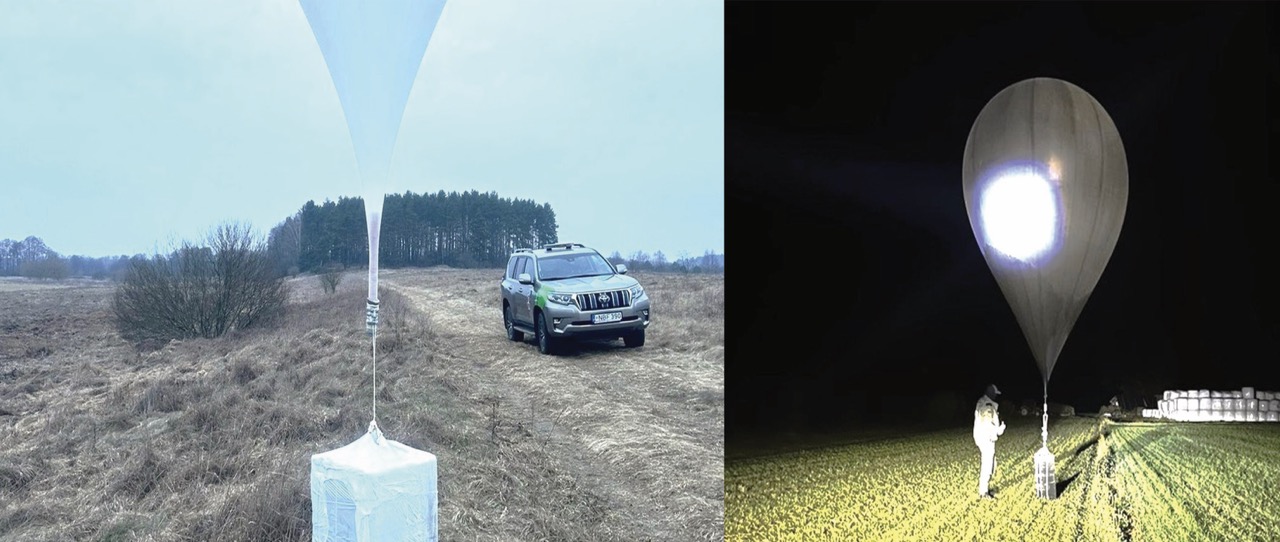
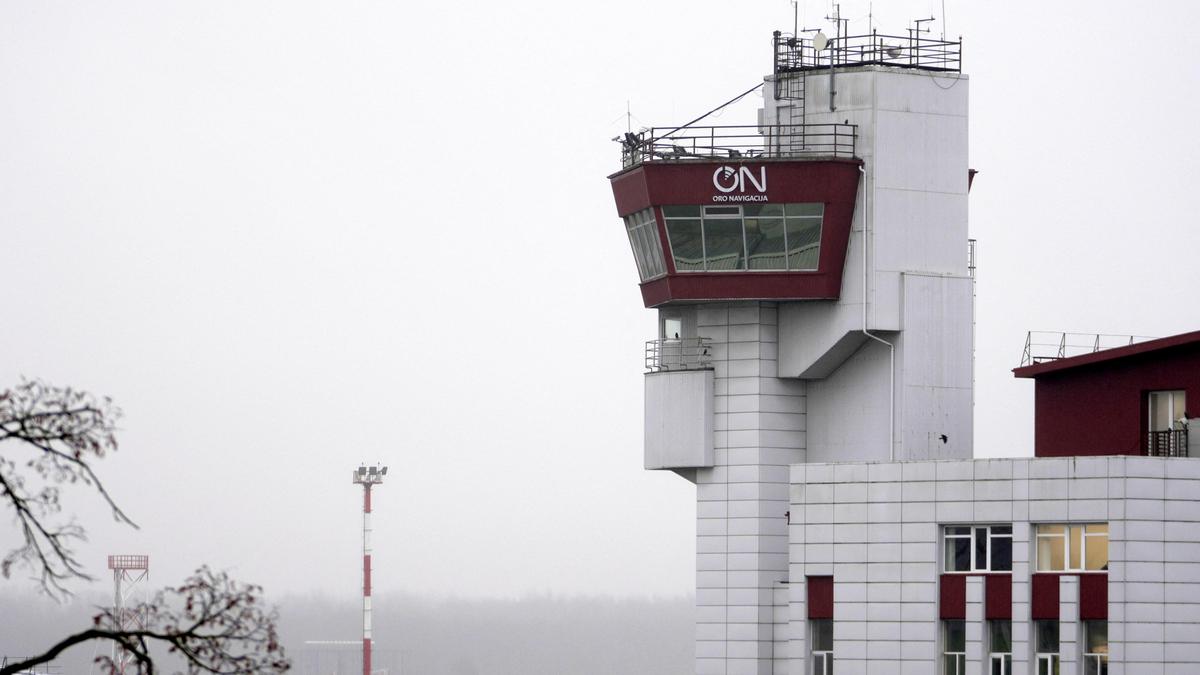
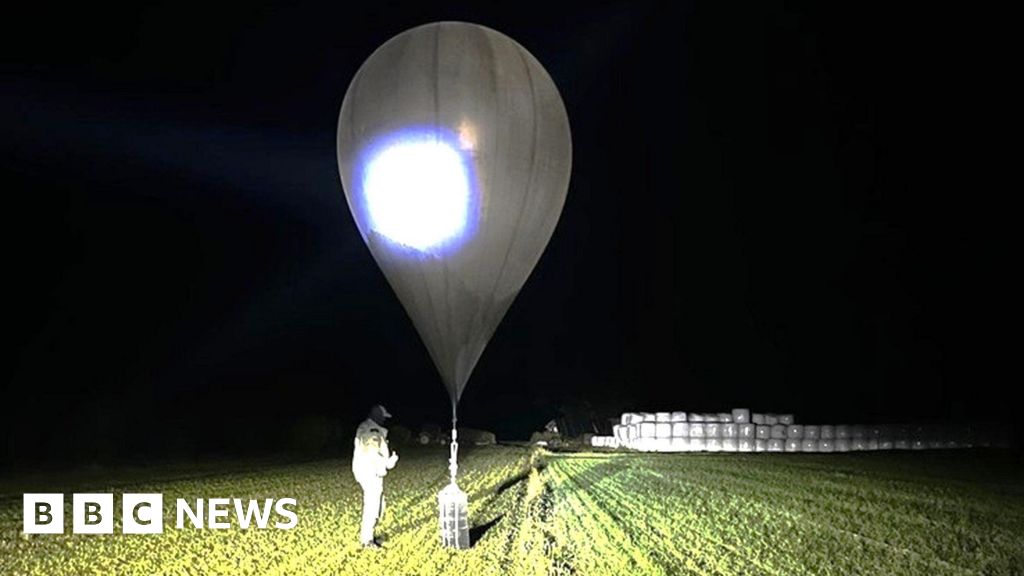
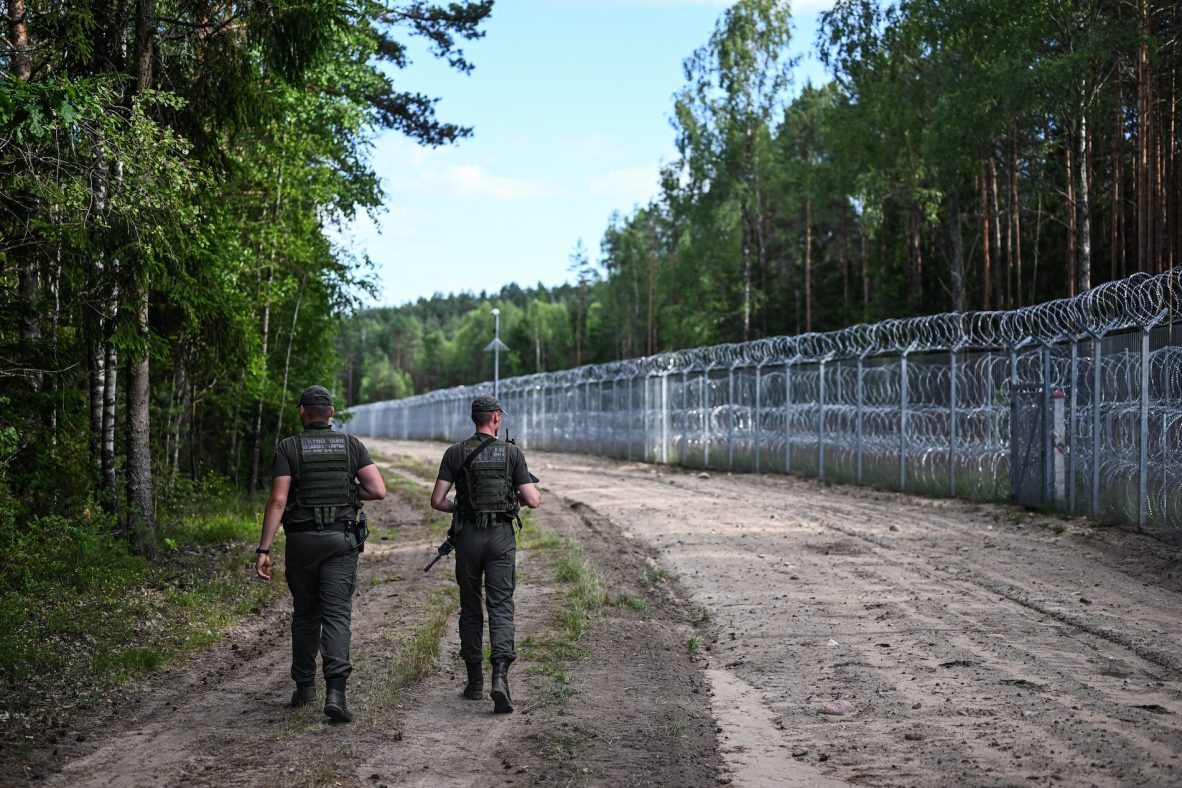
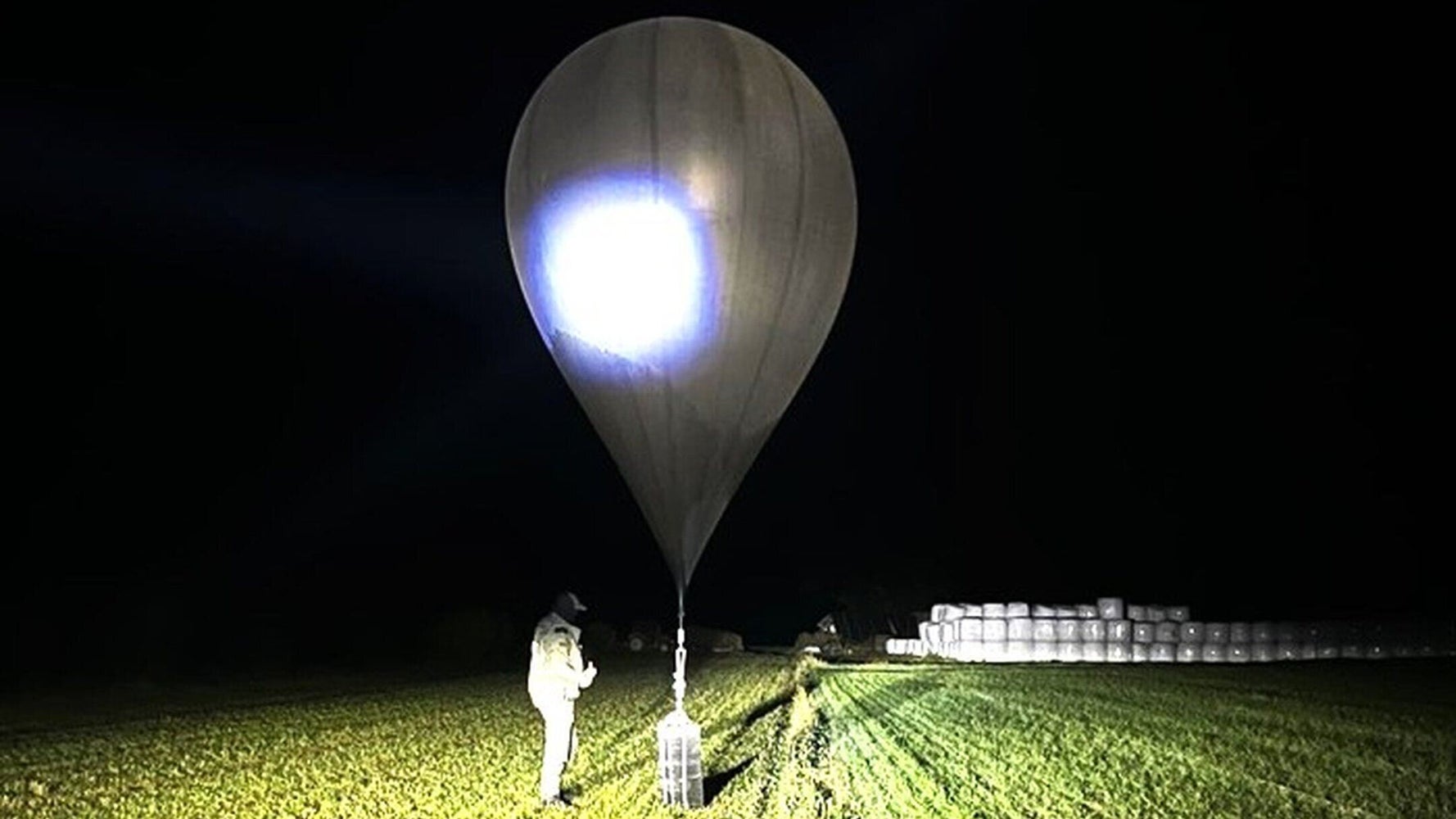
The Belarus-Lithuania balloon conflict represents a sophisticated geopolitical chess match that transcends traditional border tensions, revealing the emerging landscape of hybrid warfare in Eastern Europe. Over the past 10 weeks, Belarus has transformed seemingly innocuous weather balloons into a strategic instrument of economic and diplomatic pressure, forcing Lithuania's main airport to shut down 15 times and causing an estimated €2 million in business losses.
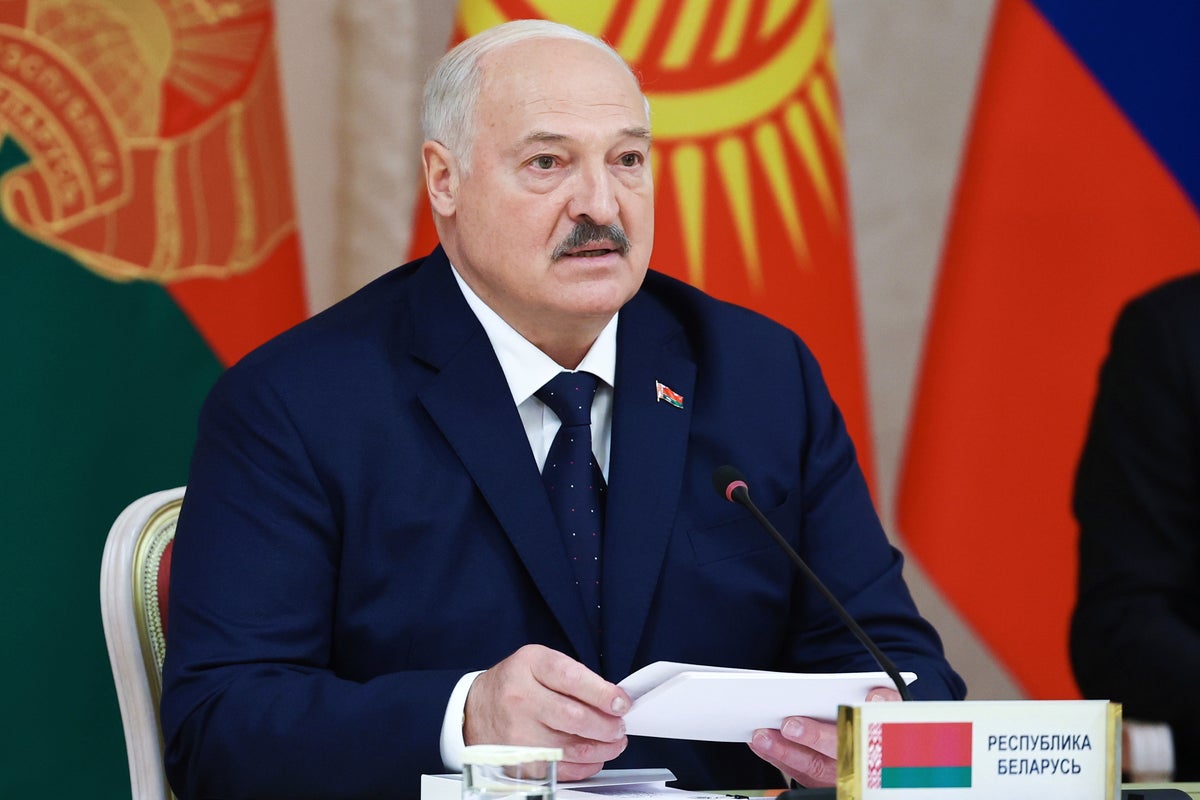
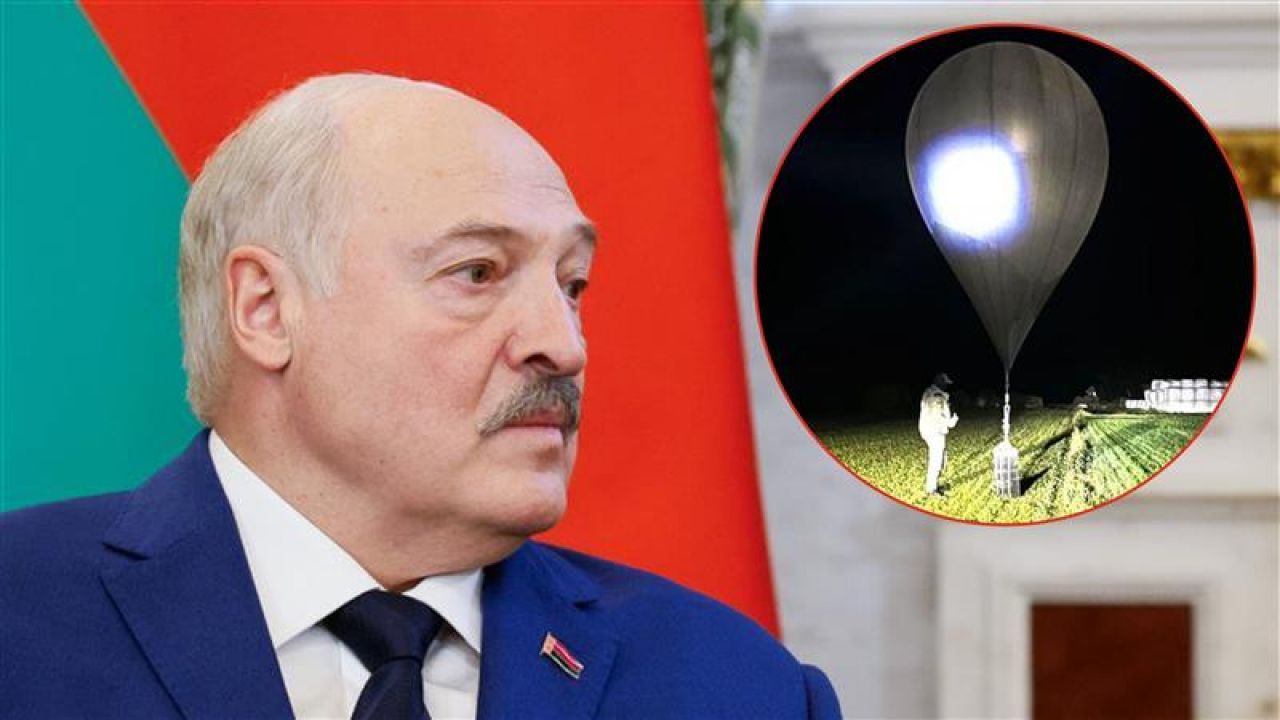
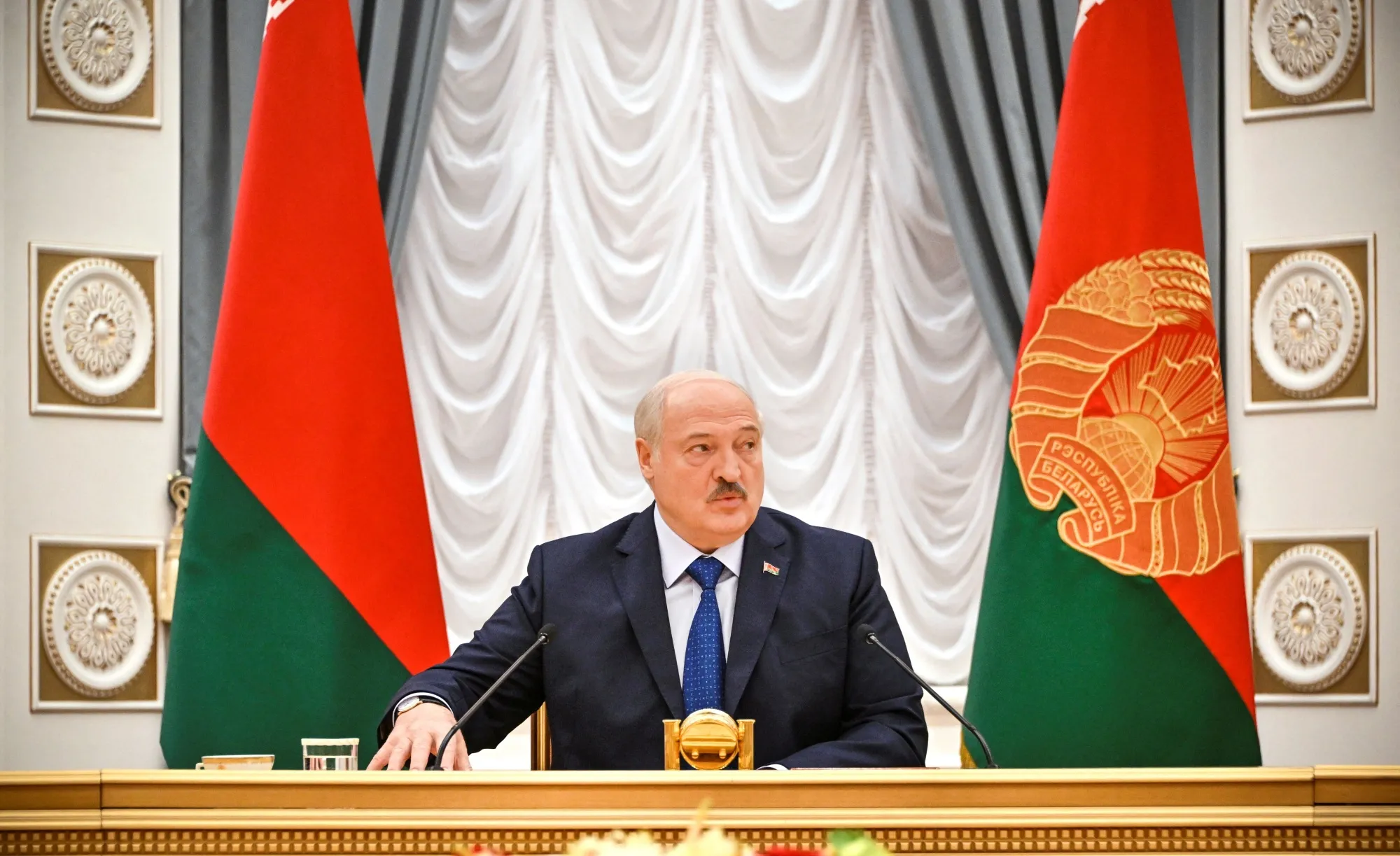
Hybrid Warfare Tactics emerge as the core strategic innovation here. By launching balloons carrying contraband cigarettes across the Lithuanian border, Belarus has created a multidimensional challenge that defies conventional security responses. The balloons are not merely smuggling vehicles but calculated provocations designed to test NATO's response capabilities and challenge EU sanctions. Strategic ambiguity becomes the weapon: Belarusian President Lukashenko can simultaneously deny deliberate provocation while maintaining operational pressure.
The diplomatic landscape reveals deeper complexities through diverging Western approaches. The European Union maintains a stringent sanctions regime, targeting individuals and institutions, while the United States shows signs of potential rapprochement—lifting potash industry sanctions and engaging in diplomatic overtures. This transatlantic divergence provides Belarus with strategic maneuverability, allowing President Lukashenko to play different Western powers against each other.
Critically, these balloon incursions represent more than a border security issue—they are a geopolitical signal. By weaponizing something as mundane as a weather balloon, Belarus demonstrates how low-cost, high-disruption tactics can create significant operational challenges for more technologically advanced adversaries. The Lithuanian government's €1 million prize for interception technologies underscores the asymmetric nature of this conflict.
The broader implications extend far beyond the immediate Lithuania-Belarus border. This scenario illustrates how mid-sized powers can leverage unconventional strategies to challenge larger geopolitical structures, turning seemingly trivial instruments into potent diplomatic weapons.
Questions 3
Why are these balloon incursions considered a form of hybrid warfare?
The balloons represent a low-cost, high-disruption strategy that creates significant operational challenges for Lithuania. By forcing airport shutdowns and causing economic losses, Belarus tests NATO's response capabilities while maintaining plausible deniability about intentional provocation.
How do the US and EU approaches to Belarus differ?
The EU maintains a strict sanctions regime targeting individuals and institutions, while the US has shown willingness to lift some sanctions (like on the potash industry) and engage in diplomatic outreach. This divergence provides Belarus strategic flexibility in navigating Western diplomatic pressures.