

Ukraine's Diplomatic Tightrope: Negotiating Survival in a High-Stakes Geopolitical Chess Match
- Strategic Compromise and Territorial Negotiations Reshape Ukraine's Future Amid Complex International Pressures












Overview
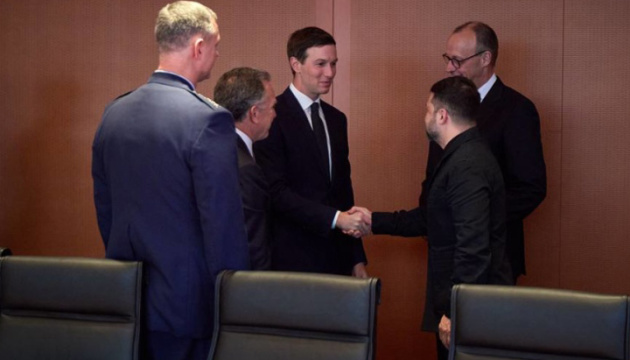
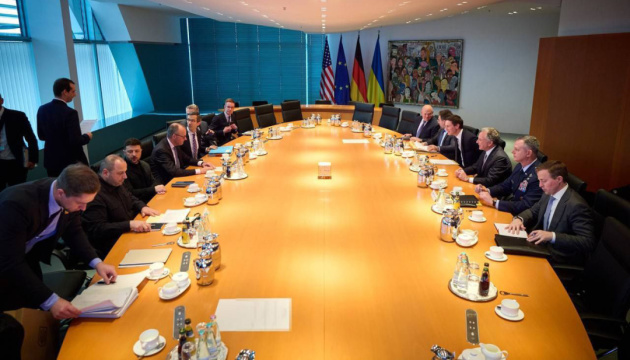
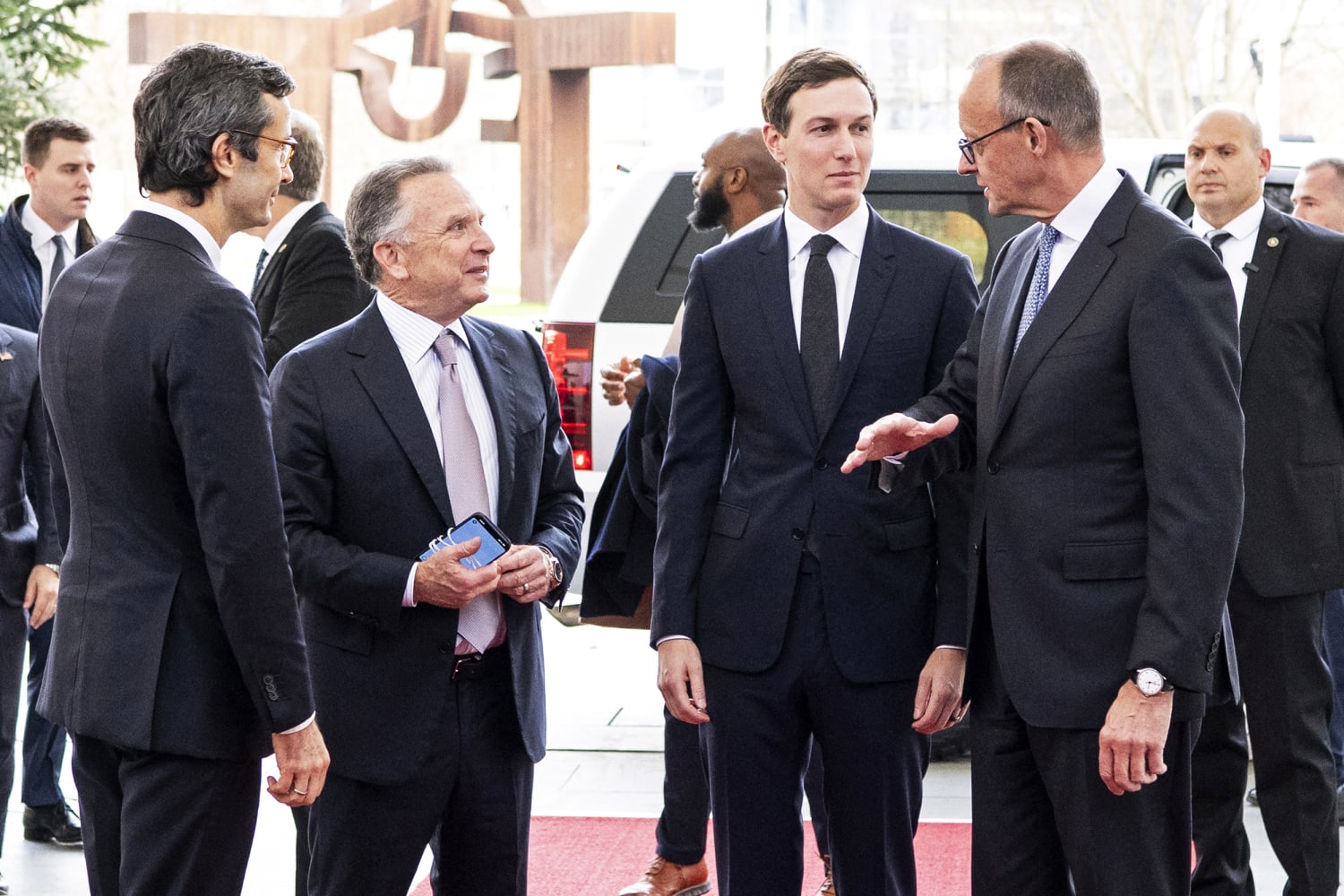
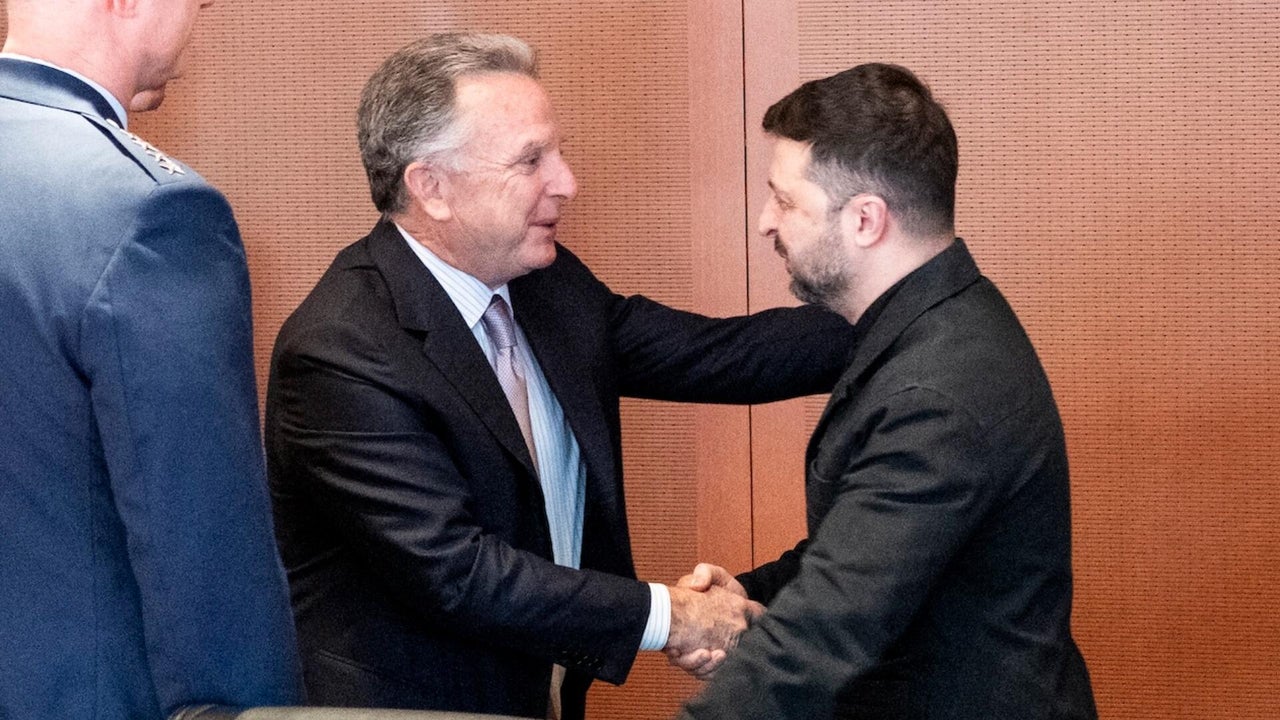
The ongoing diplomatic negotiations between Ukraine, the United States, and European allies reveal a nuanced geopolitical landscape where survival hinges on strategic flexibility and calculated compromises. At the heart of these high-stakes talks lies Ukraine's delicate balancing act: securing robust international security guarantees while preserving territorial integrity and national sovereignty.
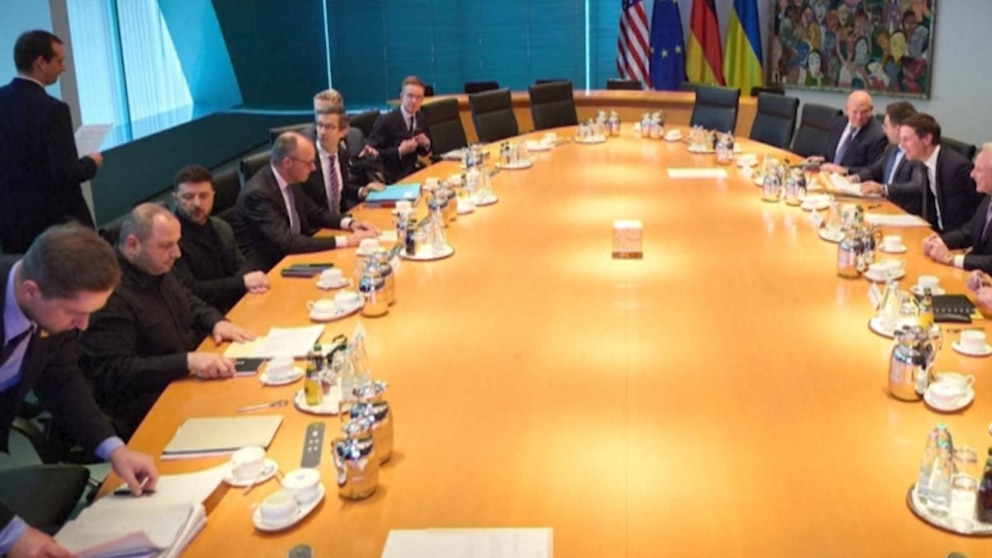
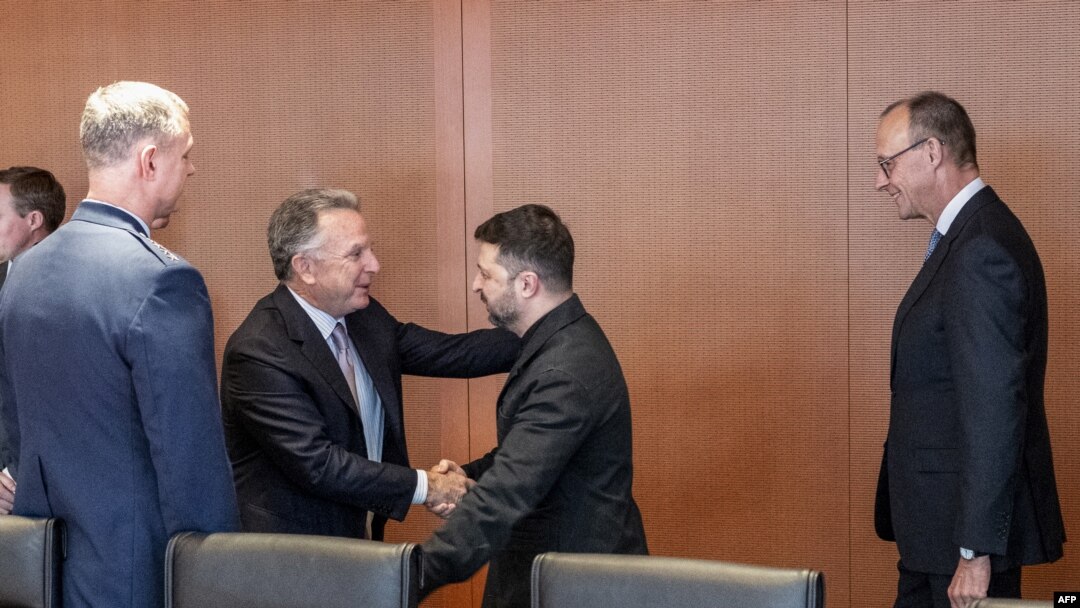
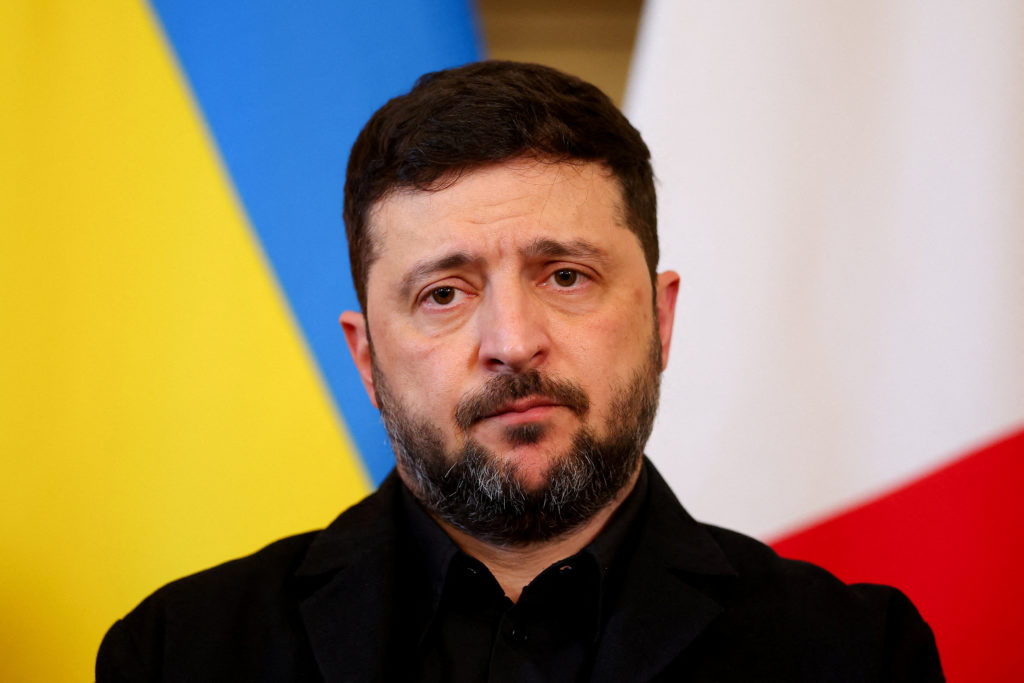
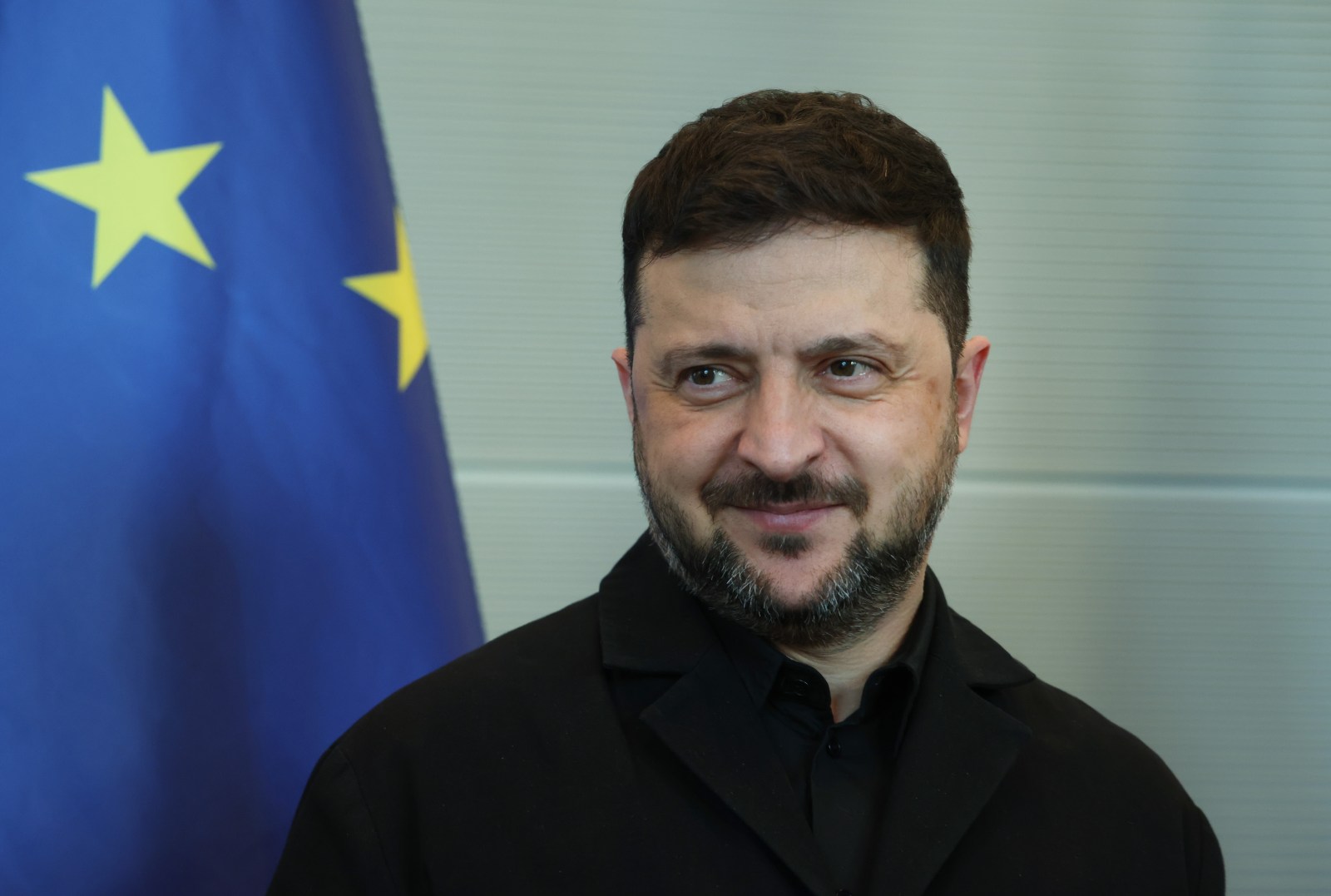
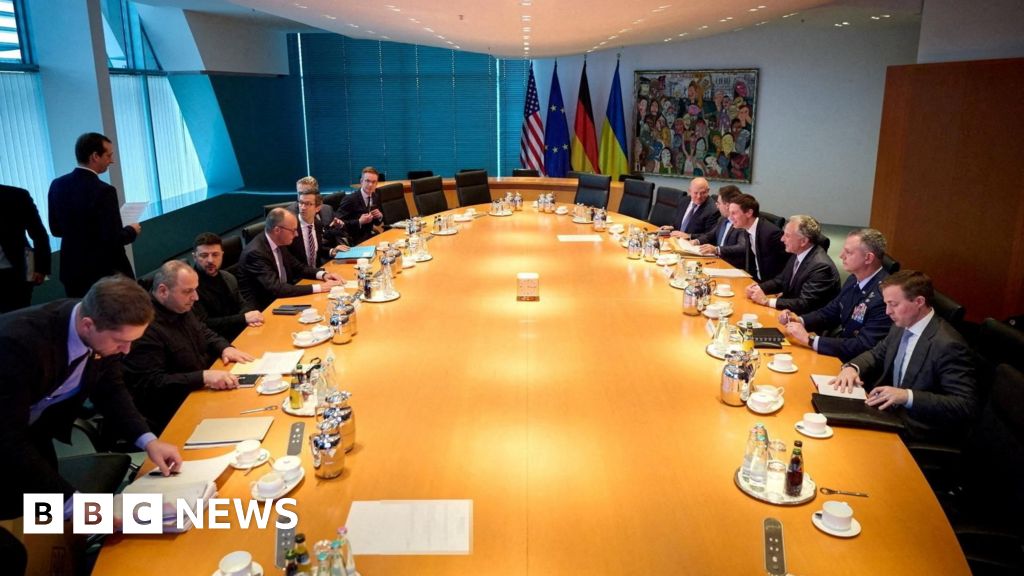
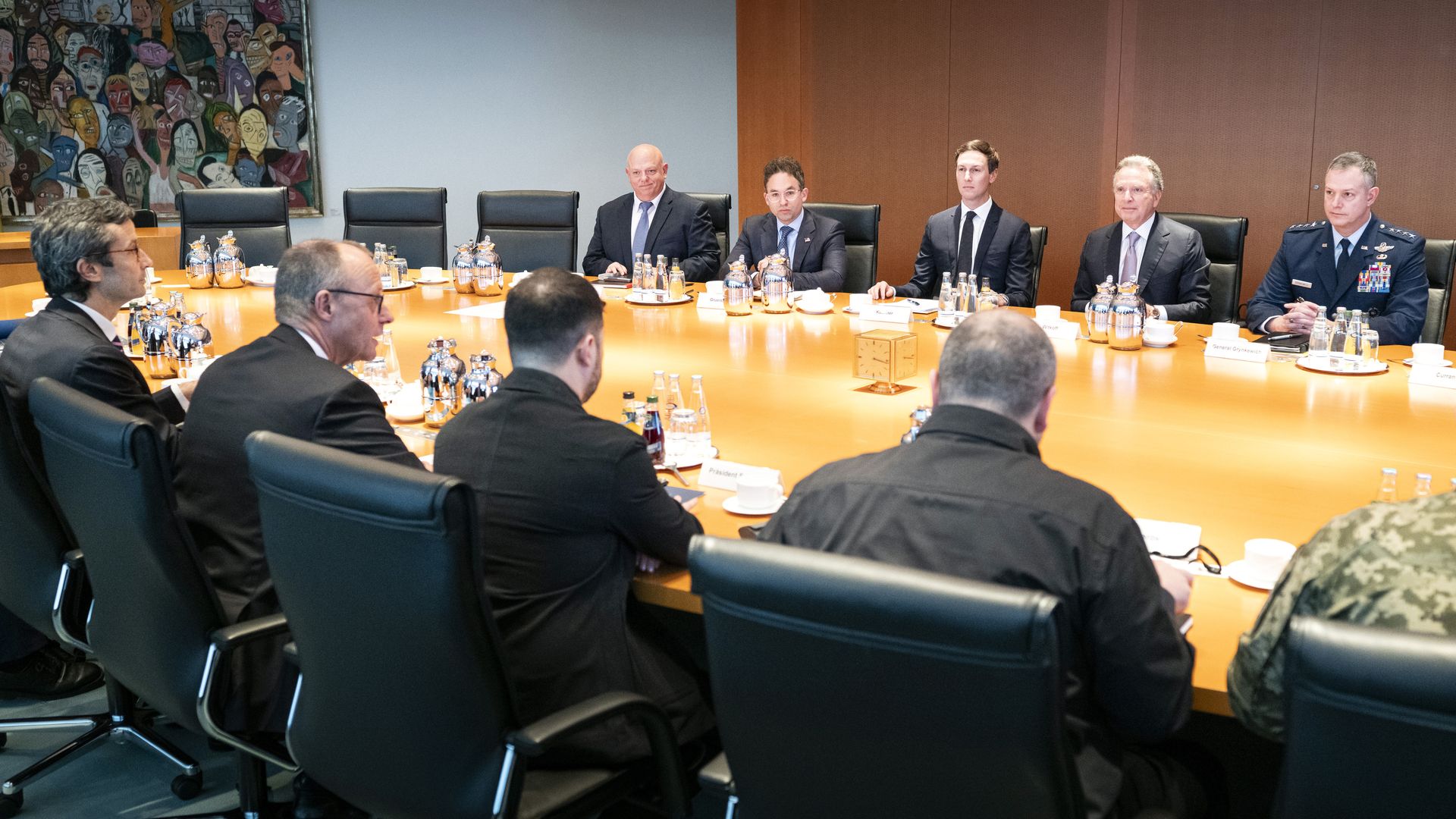
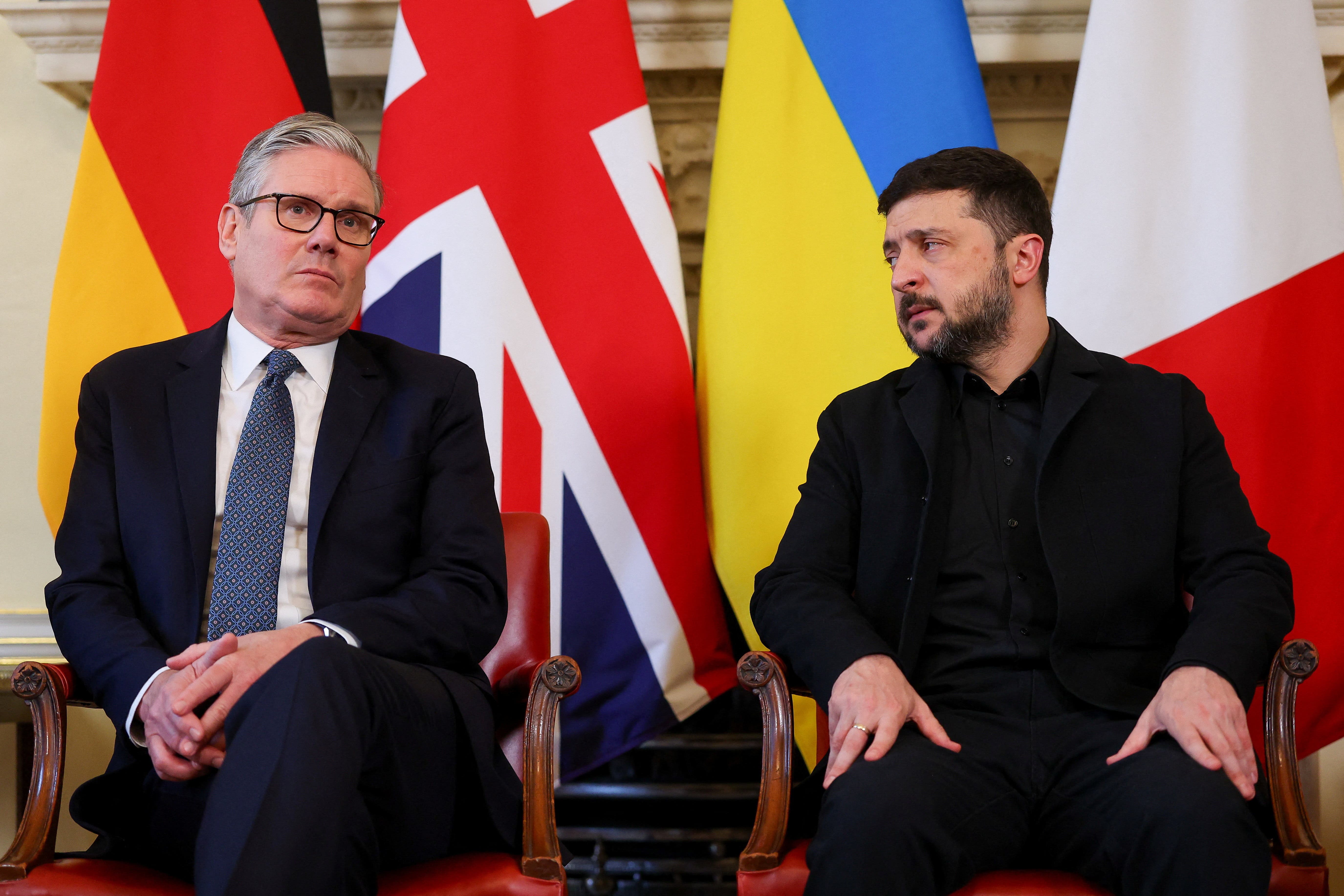
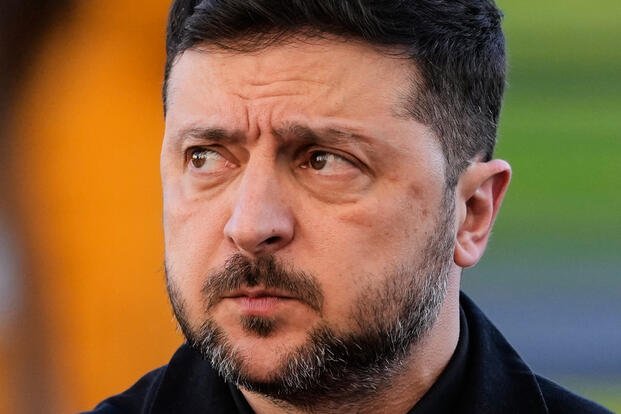
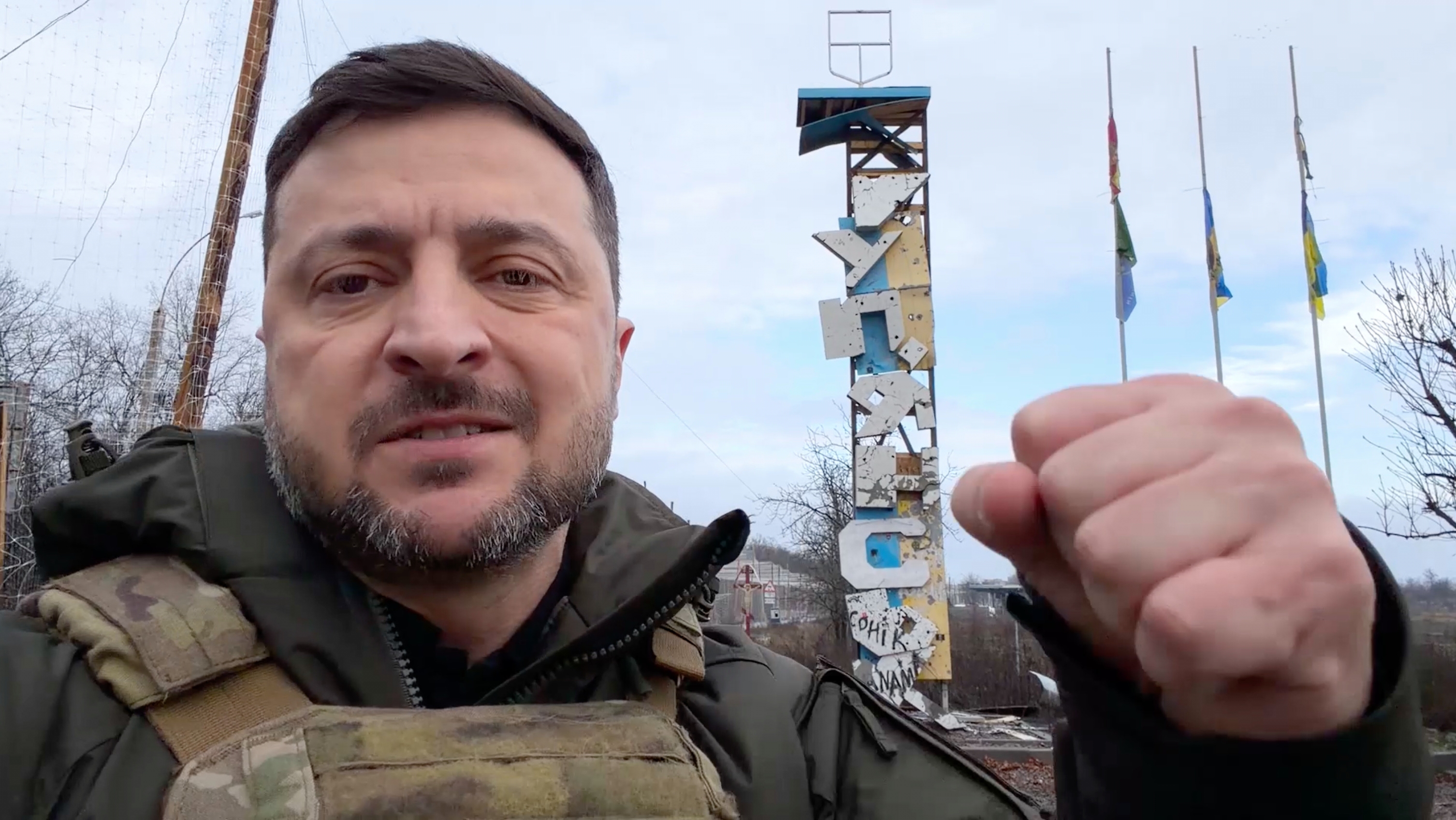
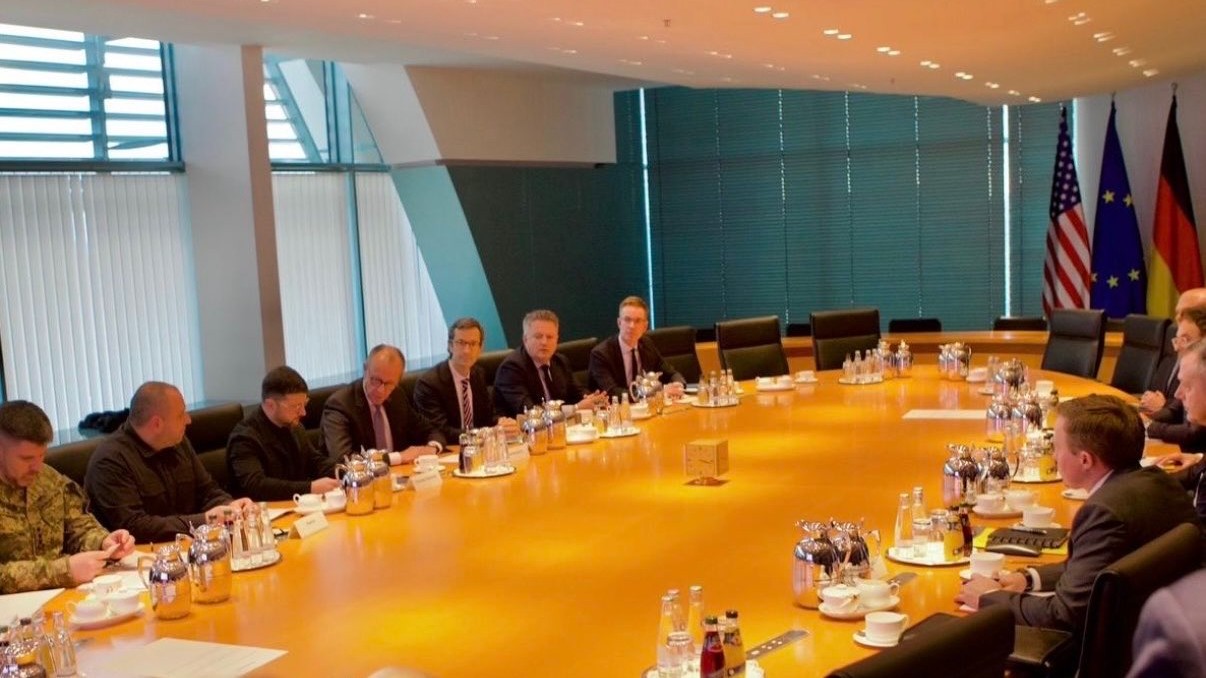
The Berlin negotiations expose a critical inflection point where diplomatic maneuvering meets hard geopolitical realities. Ukrainian President Volodymyr Zelenskyy has signaled a potentially transformative approach by indicating willingness to drop NATO membership aspirations in exchange for concrete Western security assurances. This represents a sophisticated strategic pivot, recognizing that traditional membership pathways may be less valuable than tailored, legally binding protections.
The proposed framework, resembling NATO's Article 5 collective defense mechanism, presents Ukraine with a complex trade-off. The United States has outlined a proposal involving Ukraine potentially ceding approximately 14% of its currently controlled territory in the Donbas region, transforming it into a demilitarized "free economic zone". This suggests a pragmatic approach to conflict resolution that prioritizes long-term stability over immediate territorial claims.
Critically, the negotiations reveal multiple layers of strategic calculation. Ukraine stands to gain strong security guarantees, accelerated EU integration, and billions in reconstruction funds. Simultaneously, Russia could potentially secure limited territorial gains and a pathway to reintegration into the global community. The €250 billion in frozen Russian state assets in the EU adds another complex dimension to these negotiations, representing both a potential leverage point and a diplomatic pressure mechanism.
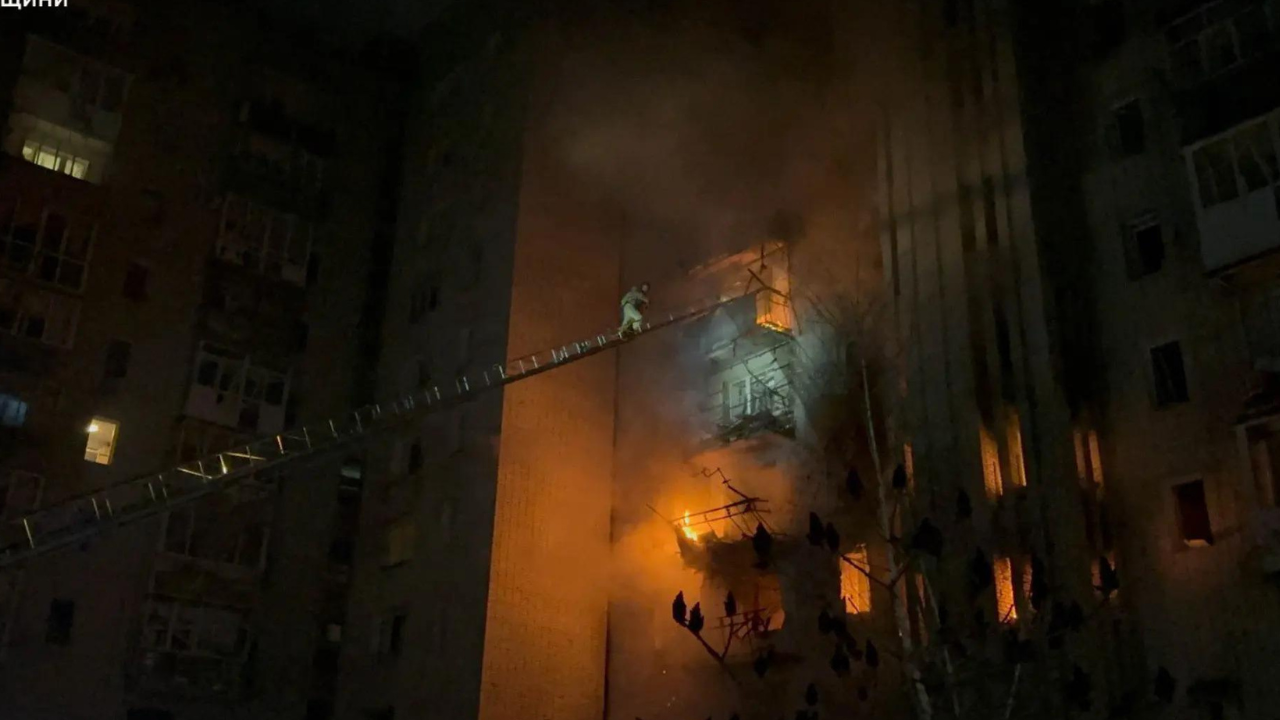
The military backdrop remains tense, with ongoing drone exchanges highlighting the persistent conflict. Ukraine's strategic shift in drone manufacturing—relocating production to Germany with firms like Frontline Robotics and Quantum Systems—demonstrates a forward-looking approach to maintaining military capabilities while mitigating potential disruptions.
Ultimately, these negotiations represent more than a bilateral dialogue; they are a critical test of international diplomatic mechanisms in resolving complex territorial conflicts. The outcome will likely set precedents for how similar geopolitical challenges might be addressed in an increasingly multipolar world.
Questions 3
What key compromises is Ukraine considering in the current negotiations?
Ukraine is potentially willing to drop NATO membership aspirations and consider ceding approximately 14% of territory in the Donbas region in exchange for robust Western security guarantees and significant reconstruction funds. This represents a strategic approach to securing long-term stability and international support.
How might the proposed demilitarized 'free economic zone' work in practice?
The proposed zone would transform the Donbas region into a special economic area with reduced military presence, potentially creating a buffer zone that could reduce direct conflict while offering economic opportunities. The exact implementation remains subject to further negotiations and Ukrainian public referendum.