



France Halts EU-Mercosur Trade Deal: A Strategic Standoff in Global Agricultural Diplomacy
- French resistance exposes critical fault lines in international trade negotiations affecting 722 million market participants












!role~Preview!mt~photo!fmt~JPEG%20Baseline)














Overview
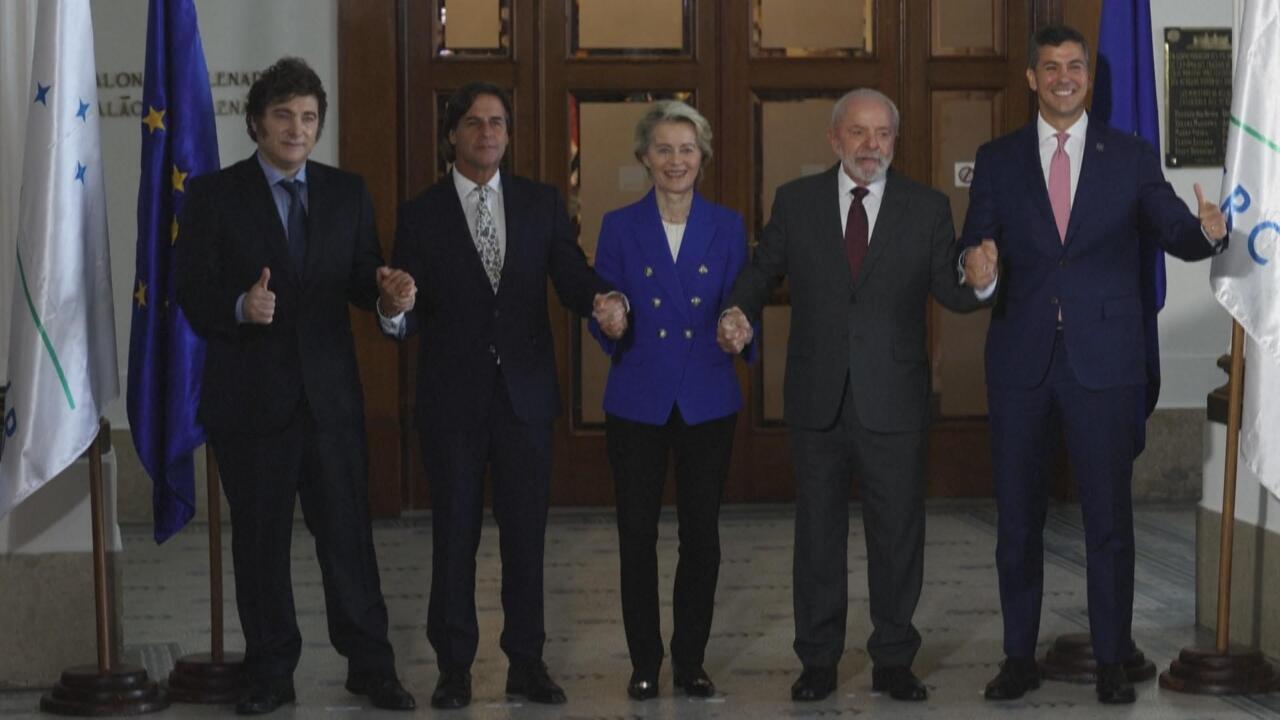
The EU-Mercosur trade negotiations have reached a critical inflection point, with France emerging as the pivotal blocker in a complex geopolitical and economic chess match. At the heart of this standoff lies a profound tension between economic integration and domestic agricultural protection, revealing the intricate challenges of modern international trade agreements.
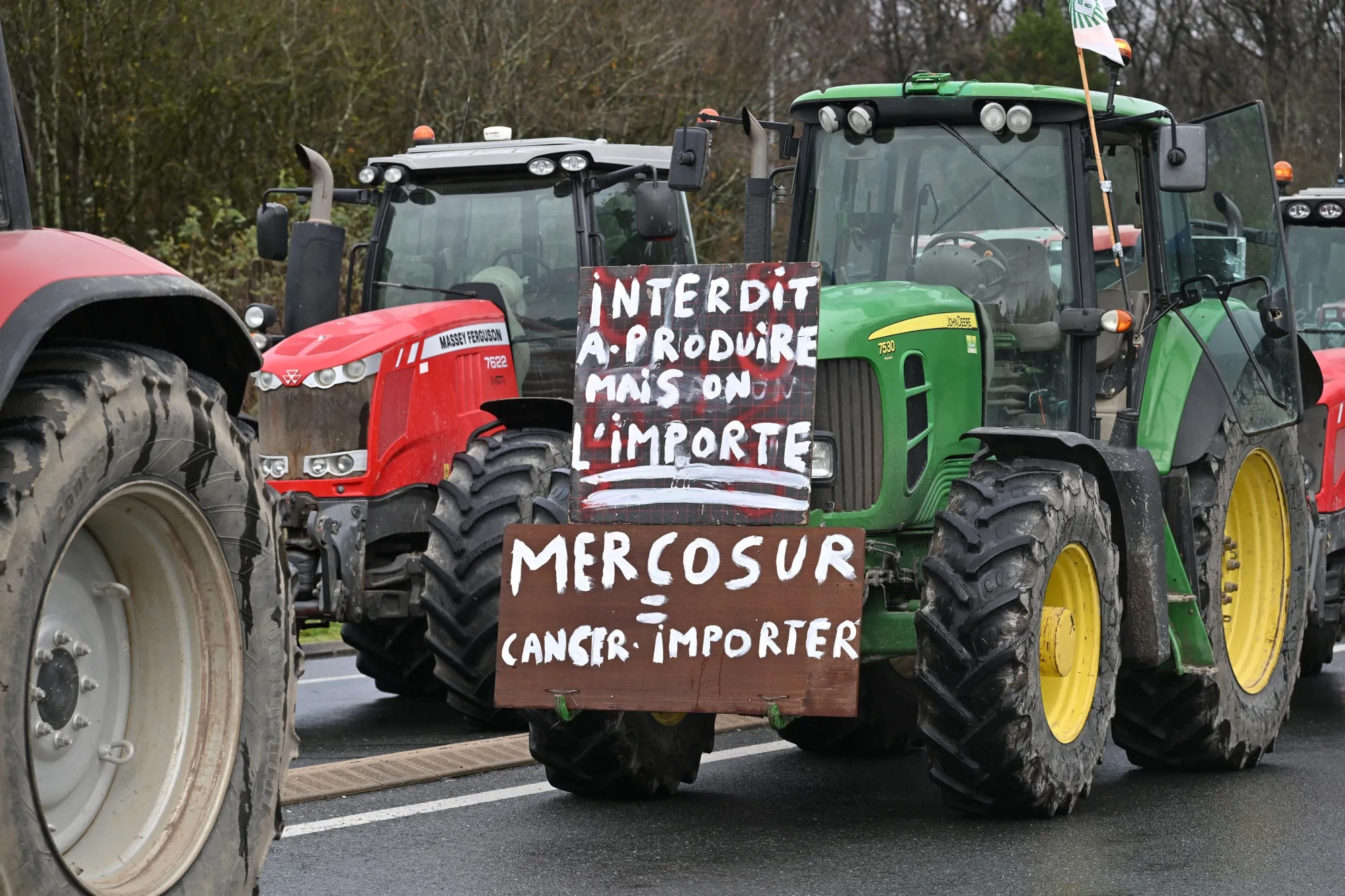
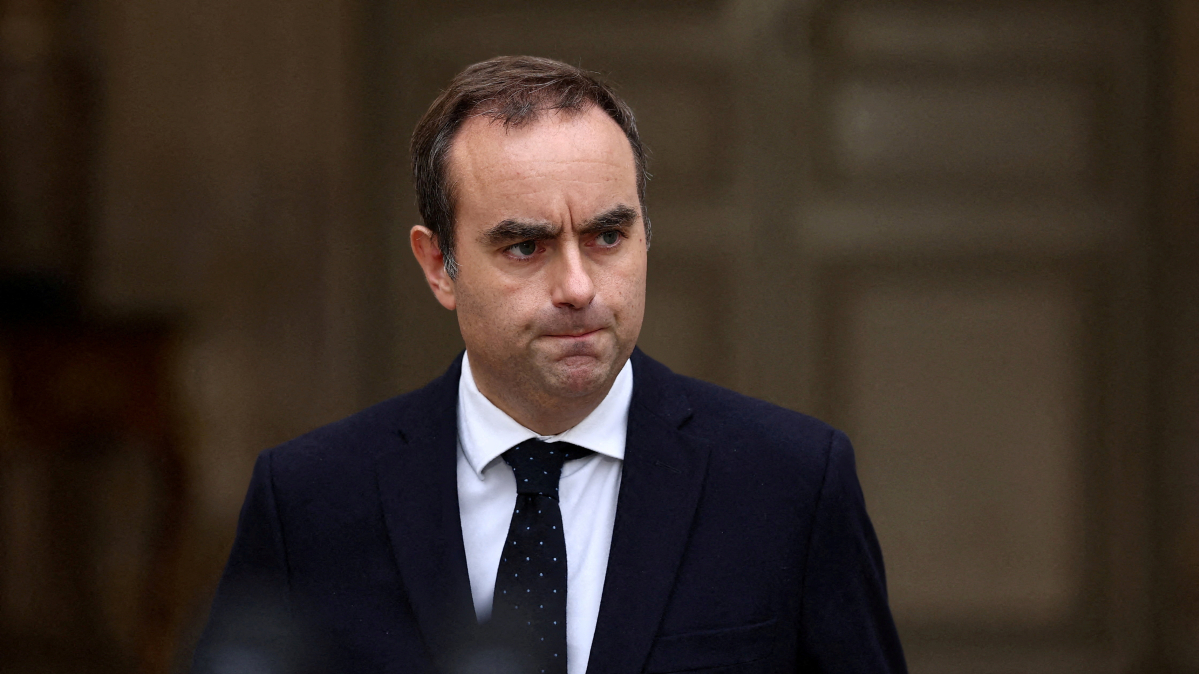
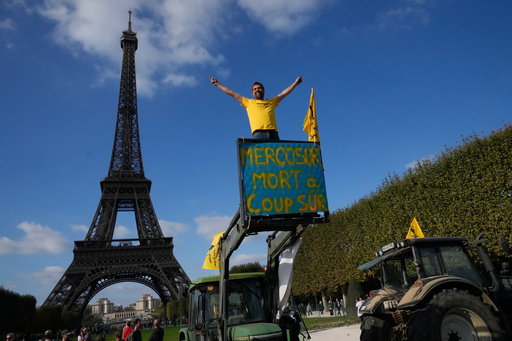
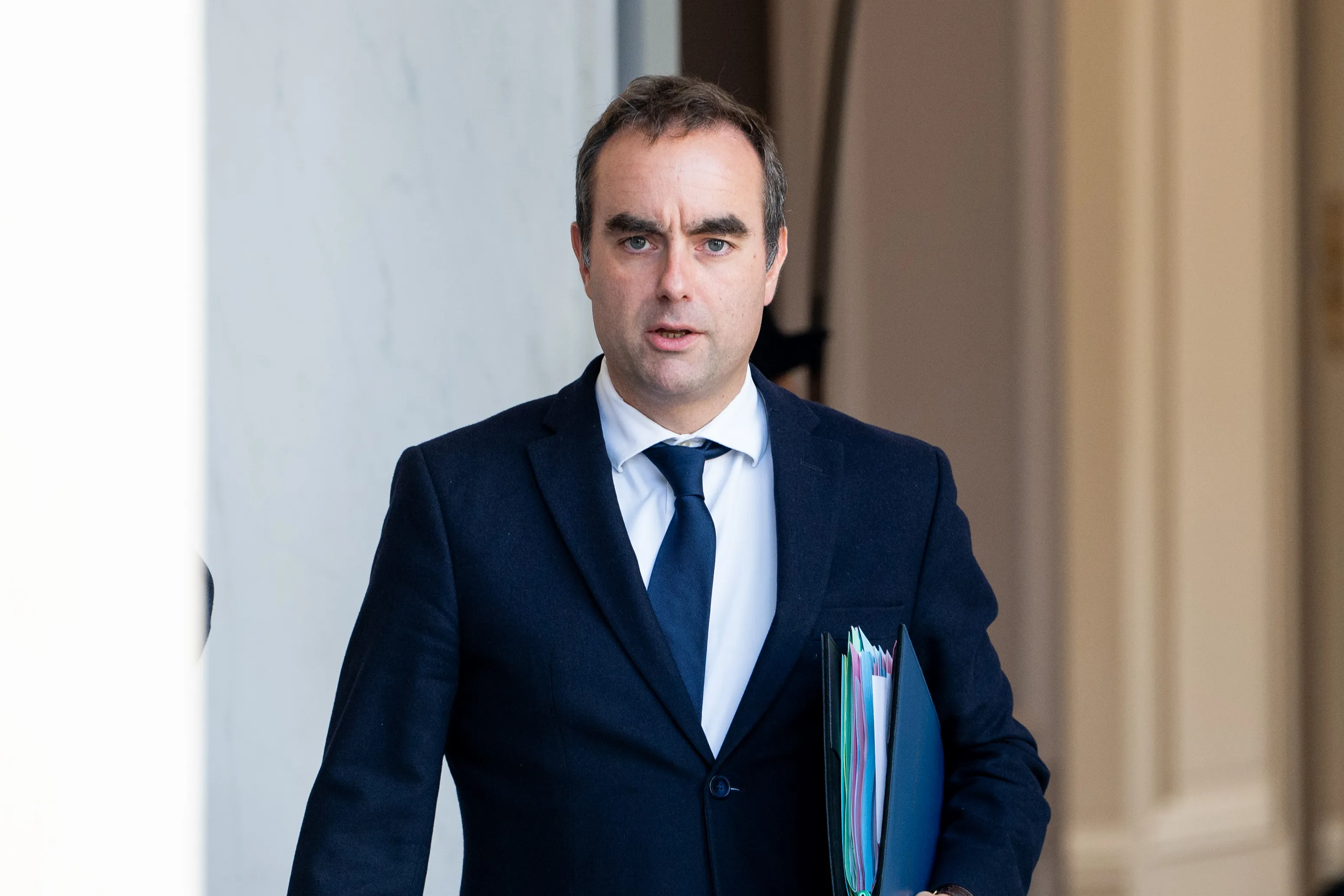
Strategic Agricultural Protectionism is driving France's aggressive stance. The proposed trade deal, which would create a massive 722 million-person market, has suddenly become a potential threat to European farmers. French officials, led by Finance Minister Roland Lescure, have outlined three non-negotiable conditions: equivalent production standards, robust import controls, and effective safeguard clauses. The lumpy skin disease outbreak has provided an additional strategic justification for pushing back against the agreement.
The economic stakes are enormous. The EU is currently Mercosur's second-largest trading partner, with exports totaling 57 billion euros in 2024 and foreign investment stock reaching 390 billion euros in 2023. However, the proposed agreement's potential to flood European markets with South American agricultural products—particularly beef, poultry, sugar, and honey—has triggered significant resistance. French agricultural interests are particularly sensitive to competition from producers operating under different regulatory and cost structures.
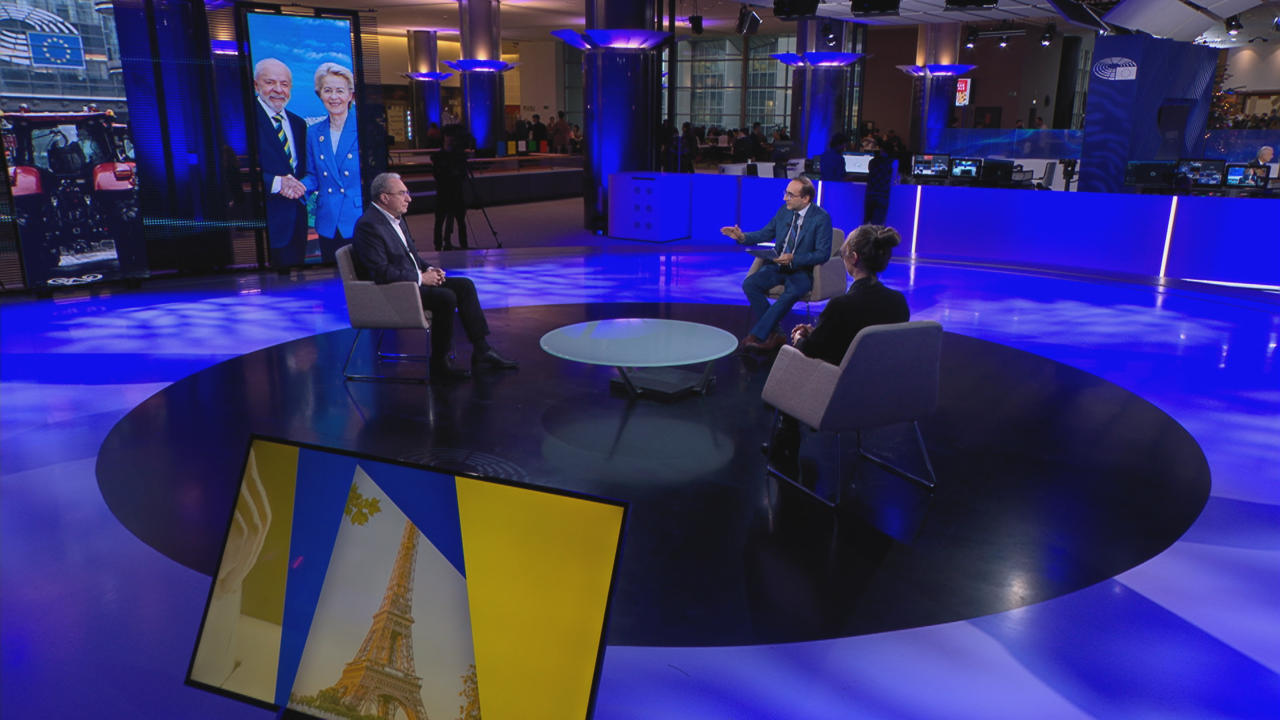
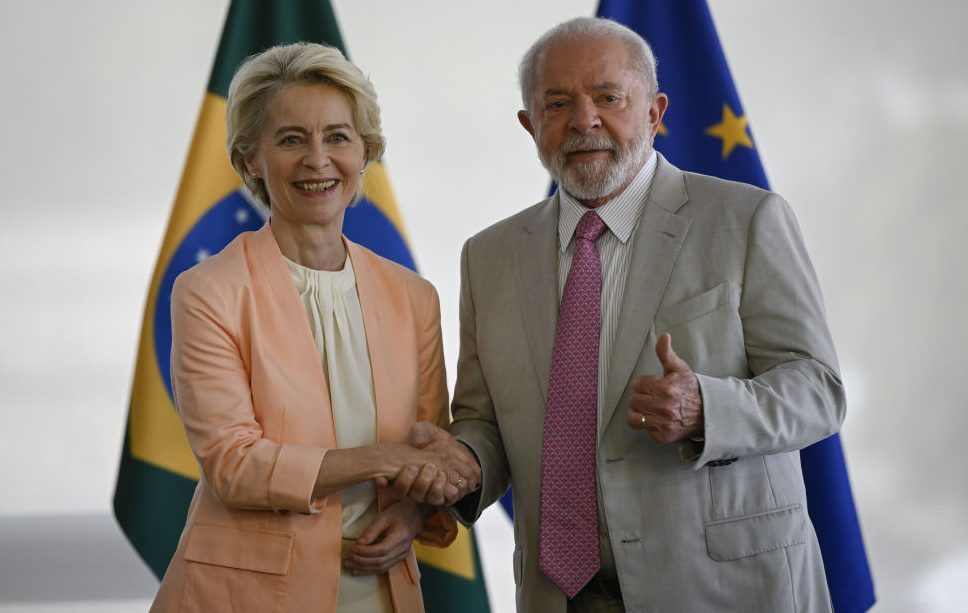
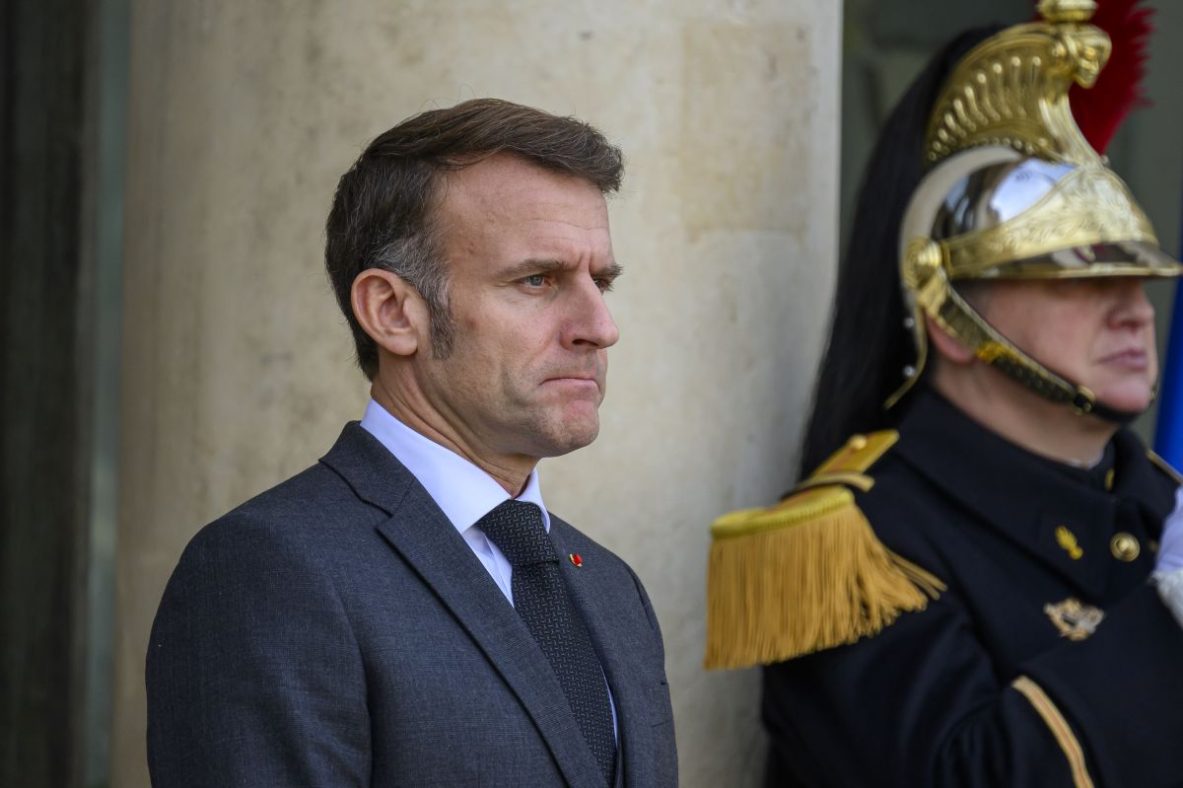
This negotiation represents more than a simple trade deal; it's a complex geopolitical recalibration. The December 20th potential signing date now hangs in uncertainty, with European Commission President Ursula von der Leyen's planned Brazil visit potentially becoming a diplomatic high-wire act. France's explicit rejection—stating the treaty is "not acceptable in its current form"—signals a willingness to completely derail negotiations rather than compromise core national interests.
The broader implications are profound. This standoff demonstrates how domestic economic concerns can dramatically reshape international trade dynamics, with agricultural protectionism emerging as a critical fault line in global economic integration.
Questions 3
How might the lumpy skin disease outbreak influence trade negotiations?
The lumpy skin disease outbreak has provided France with an additional strategic justification for delaying the trade deal. It highlights the potential health and agricultural risks of increased cross-border agricultural trade, strengthening France's argument for more stringent import controls and production standards.
Why is France blocking the EU-Mercosur trade deal?
France is blocking the deal due to concerns about unfair competition for European farmers. Specifically, they demand equivalent production standards, robust import controls, and effective safeguard clauses to protect their agricultural sector from potentially cheaper South American agricultural imports.