



South Korea Election Victory Signals E-Commerce Policy Continuity | Seller Implications
- Political stability in Asia's 4th largest e-commerce market ($100B+ annual GMV) creates predictable regulatory environment for cross-border sellers; ruling party continuity suggests progressive digital commerce policies remain intact

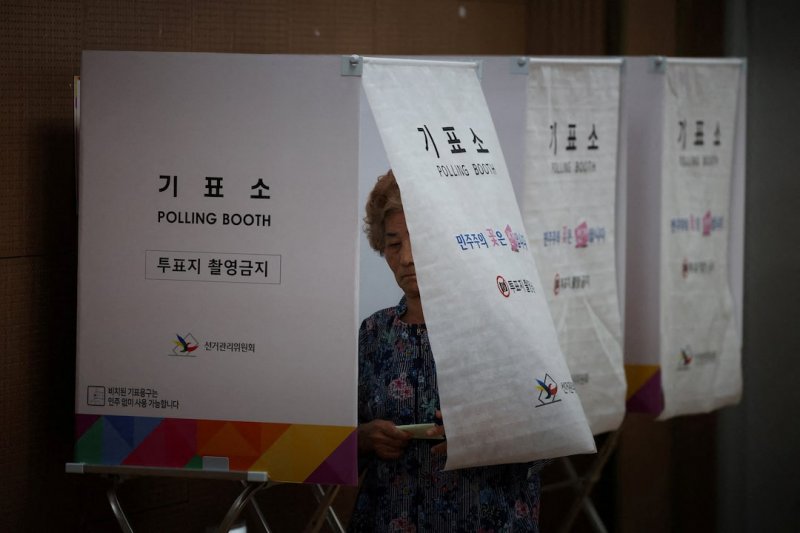







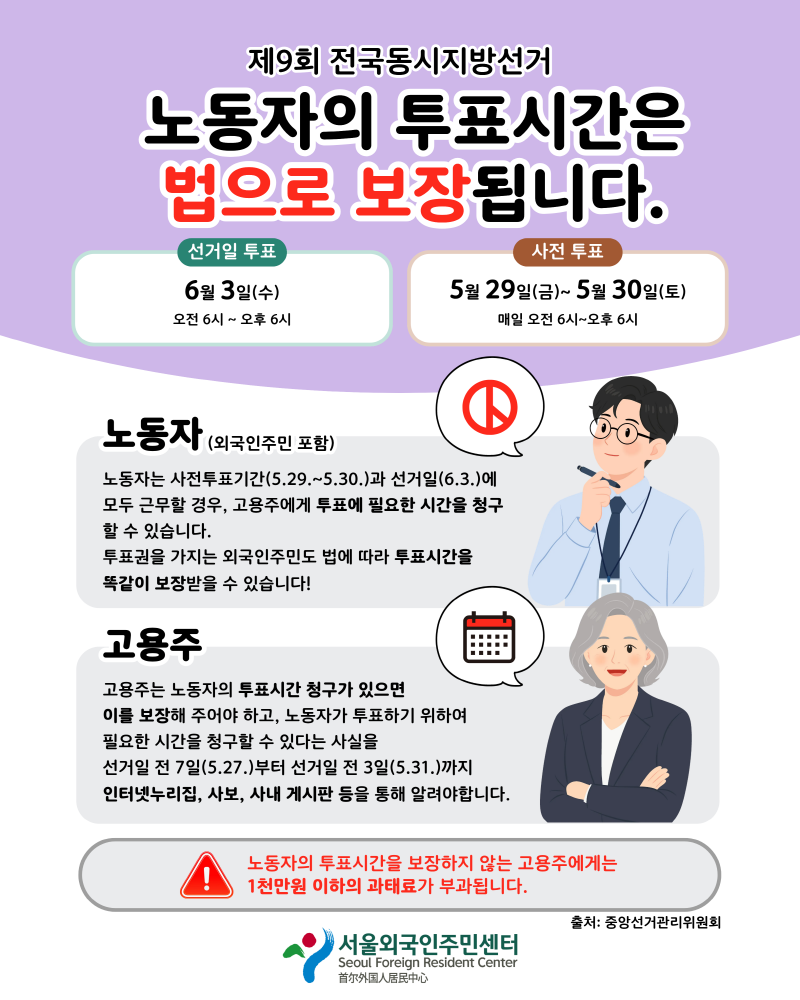


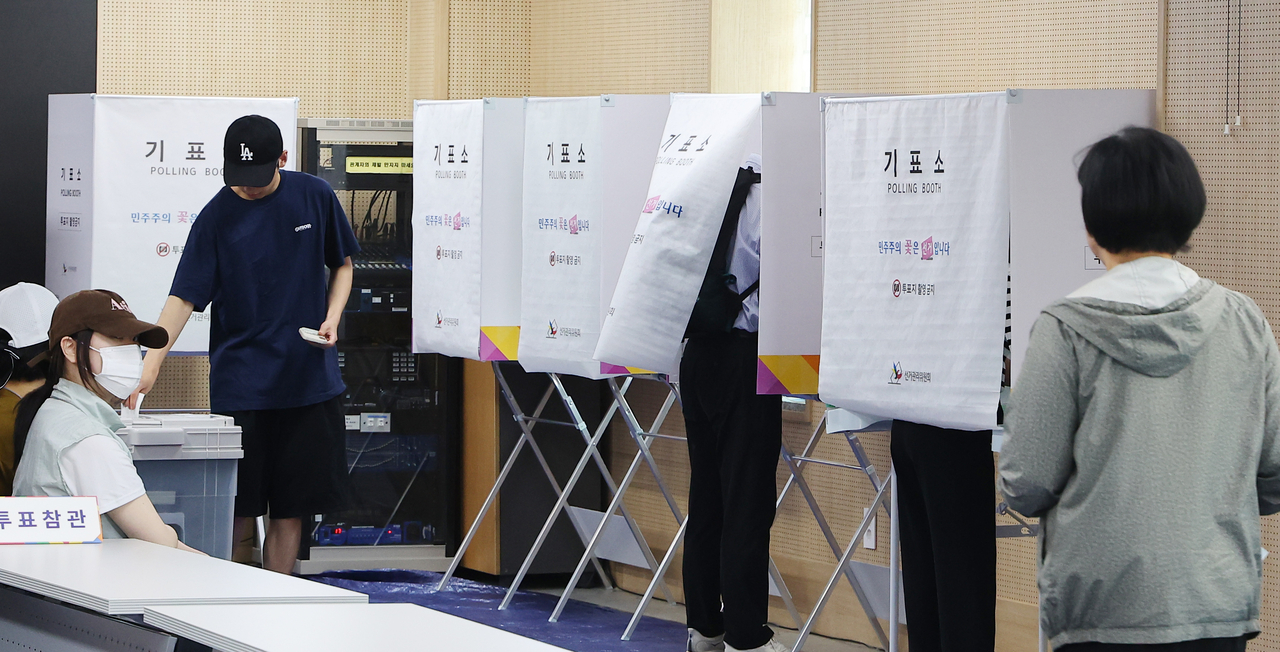
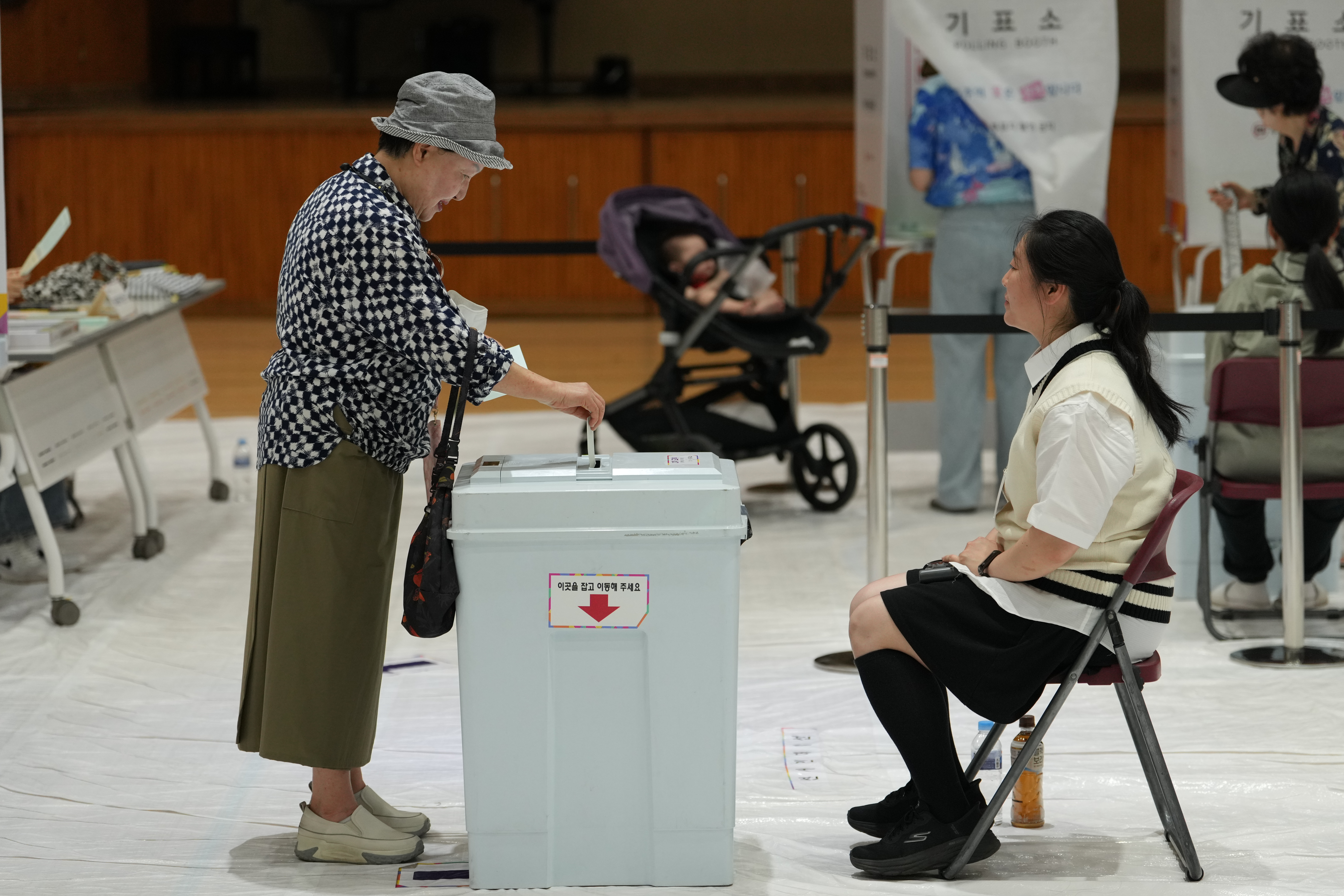



Overview
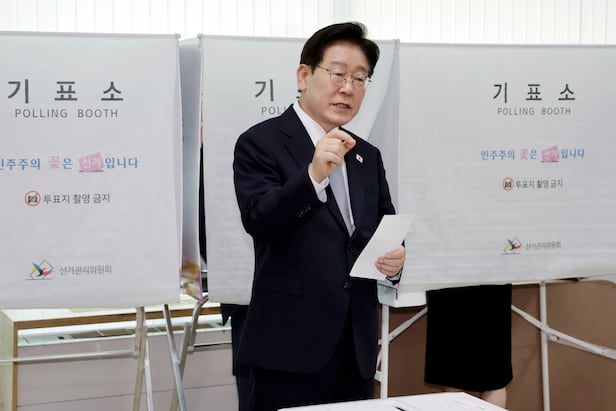
South Korea's ruling party's anticipated electoral success represents a critical stability signal for the $100+ billion e-commerce market that serves as a major sourcing hub and consumer destination for cross-border sellers. The election outcome indicates policy continuity in digital commerce regulation, tax frameworks, and logistics infrastructure—three pillars that directly impact sellers operating in or shipping from South Korea. Political stability reduces regulatory uncertainty that typically accompanies government transitions, allowing sellers to maintain long-term sourcing and fulfillment strategies without anticipating sudden policy reversals.
Market Context and Seller Relevance: South Korea ranks as Asia's 4th largest e-commerce market and a global technology leader, hosting major platforms like Coupang, Naver, and Kakao Commerce. The country's advanced logistics infrastructure, tech-savvy consumer base (95%+ internet penetration), and progressive digital commerce policies make it essential for sellers targeting Asian markets. The ruling party's electoral performance suggests continuation of pro-innovation policies that have historically supported cross-border trade facilitation, platform deregulation, and favorable tax treatment for digital commerce. Sellers sourcing electronics, cosmetics, fashion, and consumer goods from South Korean manufacturers benefit from stable regulatory conditions that support efficient export operations.
Operational Implications for Sellers: Political continuity reduces the risk of sudden changes to e-commerce taxation, data protection regulations, or trade agreements that could disrupt supply chains. Sellers with fulfillment operations in South Korea or those importing Korean-manufactured products can expect stable logistics costs, consistent customs procedures, and predictable compliance requirements. The election outcome suggests the government will maintain its progressive stance on digital commerce, potentially accelerating regulatory modernization rather than imposing restrictive policies. This stability is particularly valuable for sellers managing inventory in South Korean 3PL facilities or those relying on Korean manufacturers for product sourcing.
Strategic Opportunities: The ruling party's anticipated victory creates a favorable window for sellers to expand South Korean market presence or deepen sourcing relationships without fear of regulatory disruption. Sellers should monitor the incoming government's specific policy announcements regarding e-commerce taxation, cross-border trade facilitation, and platform regulations—areas where South Korea has historically led regional innovation. The stable political environment also supports long-term infrastructure investments, meaning sellers can confidently commit to South Korean logistics partnerships and fulfillment networks.
Questions 7
What immediate actions should sellers take following South Korea's election?
Sellers should take three immediate actions: (1) Review current South Korean sourcing and fulfillment agreements to ensure they align with anticipated policy continuity; (2) Monitor Korean government trade ministry announcements for any policy clarifications within 30 days of the new government's formation; (3) Schedule consultations with Korean compliance experts to identify emerging regulatory trends. Additionally, sellers should consider this a favorable window to negotiate long-term contracts with Korean manufacturers and 3PL providers, as political stability reduces future renegotiation risks. Document all compliance procedures to establish baseline practices before any potential policy changes emerge.
How does South Korea's election compare to other Asian markets for seller stability?
South Korea's political transition is notably stable compared to other Asian markets, with established democratic institutions and predictable policy frameworks. The ruling party's anticipated victory suggests continuity in pro-business, pro-innovation policies that have historically supported e-commerce growth. Unlike some Asian markets where political transitions create regulatory uncertainty, South Korea's institutional stability means sellers can expect consistent treatment of digital commerce, intellectual property protection, and trade facilitation. This makes South Korea a more predictable sourcing and fulfillment destination than markets with less stable political systems.