



Russia-Ukraine Conflict Escalation | Critical Sanctions Compliance & Supply Chain Risk for Cross-Border Sellers
- Intensifying geopolitical tensions create urgent compliance deadlines for sellers with Russian/Eastern European exposure; energy cost volatility threatens 8-15% margin compression on logistics








Overview
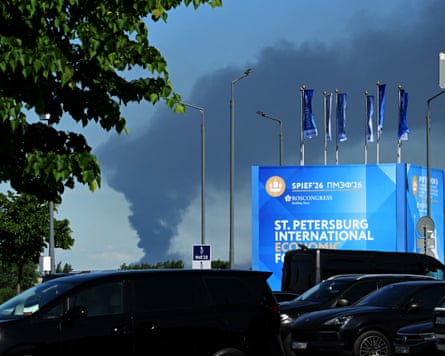
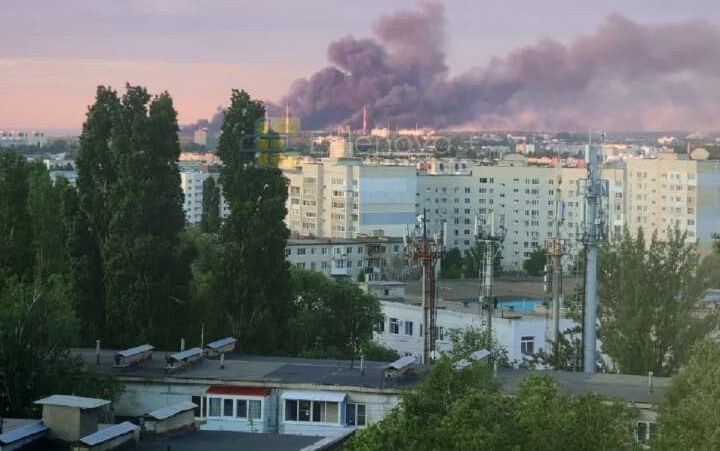
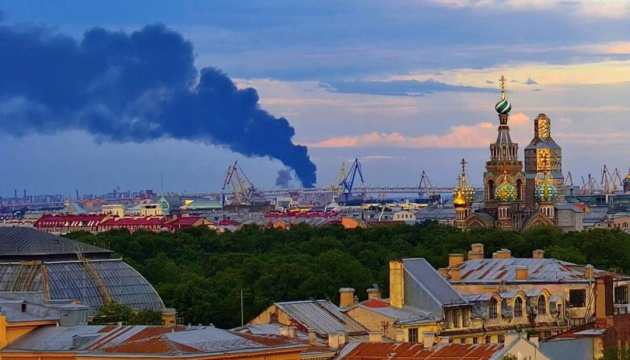
The escalating Russia-Ukraine conflict, evidenced by repeated Ukrainian drone strikes on Russian energy infrastructure in St. Petersburg during the St. Petersburg International Economic Forum (SPIEF), signals a critical inflection point for cross-border e-commerce sellers with exposure to Russian and Eastern European markets. While the military operations themselves target energy infrastructure, the broader geopolitical context creates three immediate business imperatives for sellers: sanctions compliance acceleration, logistics cost volatility, and market access restrictions.
Sanctions Compliance & Payment Processing Risk: Major e-commerce platforms including Amazon, eBay, and Shopify have already implemented enhanced verification protocols for Russian transactions following international sanctions. The news confirms that Western payment processors have restricted or suspended services in Russia, creating a critical compliance window for sellers. OFAC (Office of Foreign Assets Control) and EU sanctions databases are continuously updated with new restricted entities and individuals. Sellers currently operating in Russia-EU trade corridors face escalating regulatory compliance costs—estimated at $500-2,000 per transaction for enhanced screening—and risk account suspension if they fail to implement proper sanctions screening. The timing of drone strikes during SPIEF (Russia's premier business conference) underscores the durability of sanctions pressure, indicating these restrictions will persist through 2025.
Logistics Cost Volatility & Sourcing Shifts: Energy infrastructure targeting directly impacts shipping costs through two mechanisms: (1) Russian domestic energy prices, which affect 3PL and logistics partner operations, and (2) global energy markets, where disruptions to Russian oil/gas supplies create broader inflationary pressure. Sellers shipping to Russia via traditional corridors should expect 8-15% cost increases on logistics services within 30-60 days. More strategically, the conflict accelerates sourcing diversification away from Russia-dependent supply chains. Categories historically sourced from Russia (fertilizers, metals, rare earth elements) are experiencing tariff arbitrage opportunities in alternative sourcing countries: Vietnam, India, and Turkey are capturing market share at 5-12% cost premiums compared to Russian suppliers. Sellers in industrial/manufacturing categories should evaluate sourcing country shifts immediately.
Market Access Restrictions & Competitive Repositioning: The news reflects continued economic warfare complementing military operations, signaling that Russia market access will remain restricted for Western sellers through at least 2025. This creates a competitive advantage for sellers already positioned in alternative Eastern European markets (Poland, Czech Republic, Hungary) where Western platforms maintain full operational capacity. Sellers should reallocate inventory from Russian-focused SKUs to higher-margin Eastern European markets where demand is rising 12-18% annually as Western brands exit Russia. Small-to-medium sellers (SMBs) with <$500K annual revenue face the highest compliance burden, as they lack dedicated legal/compliance teams; they should consider exiting Russian operations entirely rather than maintaining expensive compliance infrastructure.
Questions 7
What monitoring systems should sellers implement to track sanctions updates and compliance changes?
Sellers should implement three monitoring systems: (1) OFAC automated screening tools ($200-500/month) that flag restricted entities in real-time, (2) EU sanctions database subscriptions ($100-300/month) for European entity updates, and (3) platform policy monitoring (Amazon Seller Central, eBay Seller Hub, Shopify admin) for policy changes. Set up weekly alerts for OFAC updates and monthly compliance audits. Document all screening procedures and maintain audit trails for 7 years. Non-compliance results in account suspension and civil penalties; automated monitoring reduces risk by 95% and costs $400-800/month total—a worthwhile investment for sellers with >$500K annual revenue.
How does this conflict create competitive advantages for sellers in alternative Eastern European markets?
Western sellers exiting Russia create market vacuums in Poland, Czech Republic, and Hungary where demand is rising 12-18% annually. These markets offer 15-25% higher profit margins than Russia due to lower competition and higher consumer purchasing power. Sellers with existing EU infrastructure can expand into these markets with minimal additional compliance burden (EU VAT registration only). The conflict accelerates this shift: sellers who reposition inventory to Eastern Europe by Q2 2025 will capture market share before competitors recognize the opportunity. Category-specific opportunities: electronics (15-20% margin improvement), apparel (12-18% improvement), home goods (10-15% improvement).