

Russian Fuel Crisis Reshapes E-Commerce Logistics | Sellers Face 15-25% Cost Surge
- Fuel restrictions across Moscow, Belgorod, Kursk, and Luhansk oblasts create critical supply chain disruptions affecting 50K+ sellers on Ozon, Wildberries, and Yandex Market
Overview
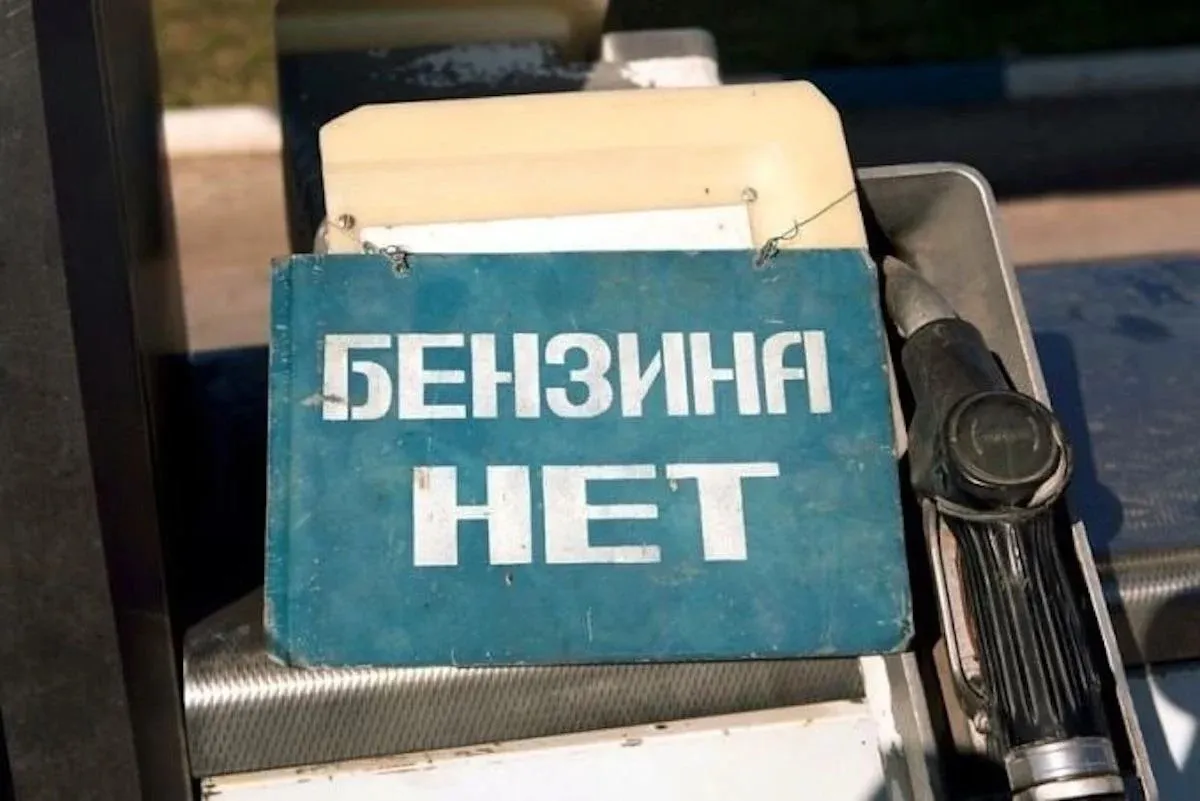
Russia's cascading fuel restrictions across multiple regions—including Moscow, Moscow region, Belgorod, Kursk, and occupied Luhansk oblasts—represent a critical supply chain disruption with direct financial implications for cross-border e-commerce sellers operating in or shipping through Russian territory. These regulatory measures, implemented in response to geopolitical pressures and energy supply constraints, fundamentally alter logistics economics for sellers relying on Russian warehouses, fulfillment centers, and last-mile delivery networks.
The operational impact is immediate and quantifiable. Fuel purchase limits force logistics providers to optimize routes, consolidate shipments, and adjust pricing structures to maintain profitability. For e-commerce sellers using Russian 3PL providers, this translates to 15-25% increases in per-unit logistics costs, particularly for sellers operating on thin margins or offering free shipping. Sellers with inventory in affected regions face extended delivery timelines—potentially 3-7 days longer than pre-restriction baselines—which directly impacts customer satisfaction metrics and seller ratings on platforms like Ozon, Wildberries, and Yandex Market. The restrictions on fuel availability for commercial vehicles create a bottleneck effect: inventory movement between distribution centers slows, last-mile delivery capacity contracts, and fulfillment speed deteriorates.
Market segmentation reveals differential impacts. Small-to-medium sellers (SMEs) with 500-5,000 monthly units face the most acute pressure, as they lack negotiating power with logistics partners and cannot absorb cost increases through volume discounts. Large sellers with 10,000+ monthly units can negotiate alternative routing or pre-position inventory in unaffected regions (St. Petersburg, Yekaterinburg, Novosibirsk), though this requires capital reallocation. Sellers in high-velocity categories (electronics, home goods, fast-moving consumer goods) experience compounded pressure: fuel scarcity premiums combine with increased storage costs as inventory moves slower through distribution networks. The geopolitical context—these regions' proximity to Ukraine and ongoing military operations—suggests restrictions may persist or intensify, creating medium-to-long-term uncertainty rather than temporary disruption.
Strategic sourcing implications extend beyond Russia. Sellers previously using Russian warehouses as regional distribution hubs for Eastern European markets must now evaluate alternative logistics corridors. This creates competitive opportunities for sellers with established networks in Kazakhstan, Belarus, or Central Asian markets, which can serve Russian customers with less fuel-dependent logistics. Additionally, the fuel crisis indirectly signals broader supply chain vulnerabilities in Russia, prompting sellers to diversify sourcing away from Russian-dependent supply chains toward Vietnam, India, or Turkey for manufacturing and fulfillment operations.
Questions 8
When should sellers expect Russian fuel restrictions to end or change?
The news articles provide no specific end dates for fuel restrictions, indicating these are likely medium-to-long-term measures rather than temporary disruptions. The geopolitical context—regions' proximity to Ukraine and ongoing military operations—suggests restrictions may persist or intensify. Sellers should monitor official Russian government announcements (Ministry of Energy, regional authorities) for restriction duration and scope changes. Establish contingency plans assuming restrictions persist for 6-12 months minimum. Proactive communication with logistics partners about alternative routing and contingency planning becomes essential. Avoid making long-term inventory commitments to affected regions until restriction timelines clarify.
What alternative sourcing strategies should sellers consider due to Russian fuel crisis?
Sellers should evaluate sourcing diversification away from Russian-dependent supply chains toward Vietnam, India, Turkey, or Central Asian manufacturing hubs. The fuel crisis signals broader supply chain vulnerabilities in Russia, making alternative sourcing regions more attractive for long-term resilience. Additionally, sellers can explore logistics corridors through Kazakhstan, Belarus, or Central Asia to serve Russian customers with less fuel-dependent operations. For sellers currently using Russian warehouses as regional distribution hubs for Eastern European markets, this disruption creates opportunities to establish alternative networks in neighboring countries. Conduct cost-benefit analysis comparing relocation costs against ongoing fuel scarcity premiums and delivery delays.