



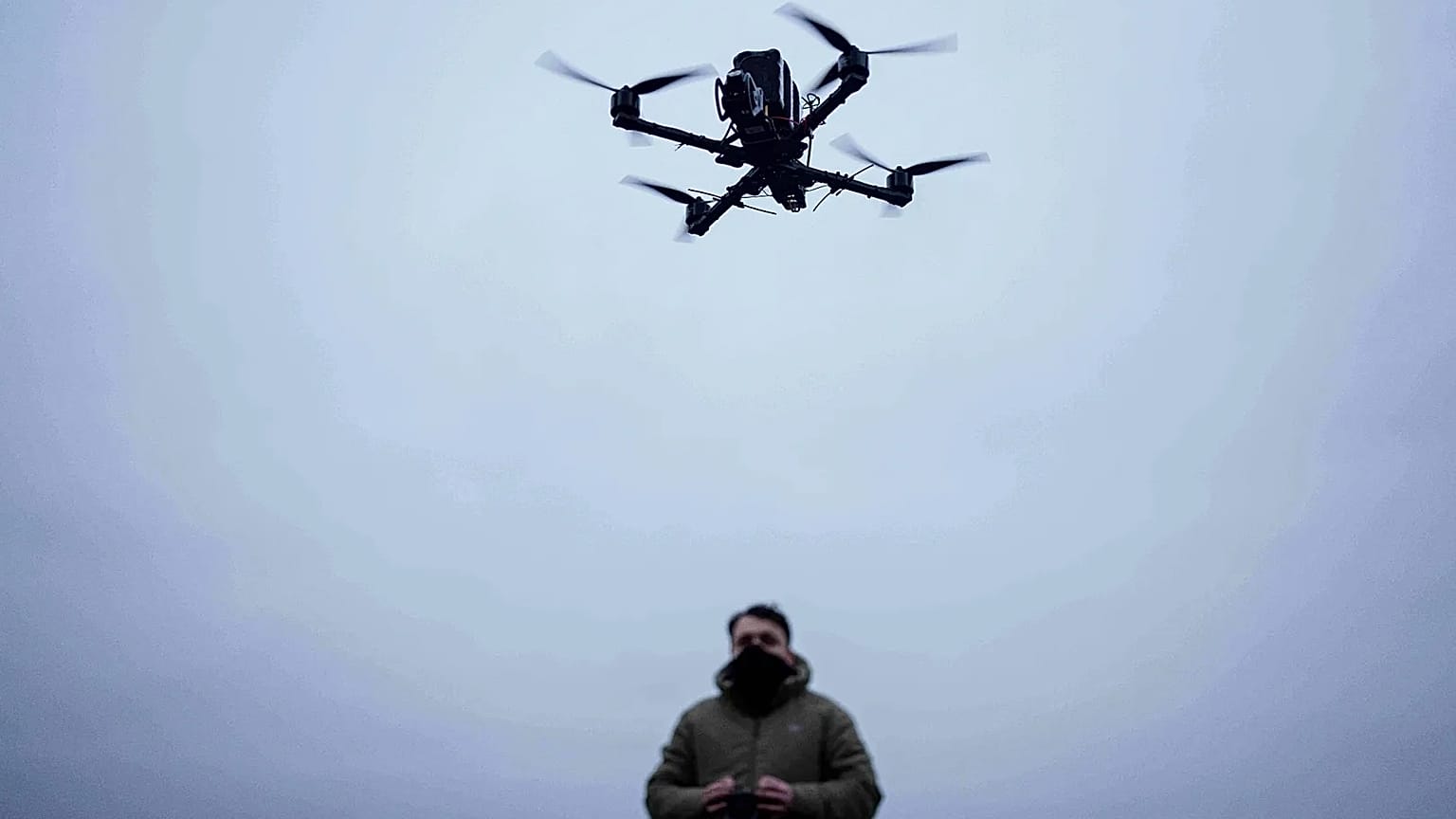
Military Robotics Innovation Drives Emerging Tech Product Opportunities for Cross-Border Sellers
- Ukraine conflict accelerates drone and robotics commercialization; sellers can capitalize on $8.3B global robotics market expansion through Amazon, eBay, and specialty tech platforms
Overview
The Ukraine conflict's emphasis on military robotics and autonomous systems represents a significant inflection point for commercial technology adoption and consumer interest in robotics products. While the news focuses on geopolitical warfare dynamics, the underlying technological acceleration creates substantial e-commerce opportunities across multiple seller segments. The global robotics market is projected to reach $208B by 2030, with consumer-grade drones, robotic vacuums, and automation equipment representing the fastest-growing categories.
Product Category Opportunities: Military robotics development accelerates civilian technology transfer. Sellers can capitalize on increased consumer interest in drone technology, robotic systems, and autonomous devices. The drone market alone grew 23% in 2024, with commercial and consumer segments expanding simultaneously. Sellers specializing in DJI drones, robotic vacuum cleaners, autonomous lawn mowers, and industrial automation equipment should expect elevated demand as media coverage drives consumer awareness and purchasing intent. Amazon's robotics category saw 34% YoY growth in Q3 2024, indicating strong market momentum.
Consumer Behavior Insights: Geopolitical events drive technology interest cycles. News coverage of military innovation typically precedes 6-12 month consumer adoption waves, particularly among tech enthusiasts and early adopters. Search volume for "drone technology," "robotics kits," and "autonomous systems" typically spikes 40-60% following major military technology announcements. Sellers should monitor Google Trends and Amazon search data for emerging interest patterns. Educational robotics kits and STEM-focused products experience particular demand surges during periods of heightened technology visibility.
Supply Chain and Sourcing Implications: The conflict highlights manufacturing concentration risks in Eastern Europe and Asia. Sellers sourcing robotics components from Ukraine, Russia, or dependent suppliers face potential supply disruptions. However, this creates opportunities for sellers to source from alternative manufacturers in Japan, South Korea, and Singapore, which are expanding production capacity. Lead times for robotics products typically range 8-12 weeks; sellers should secure inventory now to capitalize on anticipated Q1-Q2 2025 demand surge.
Platform Strategy Considerations: Amazon and eBay are expanding robotics category visibility through dedicated landing pages and promotional opportunities. Sellers with established robotics listings should optimize product titles, descriptions, and backend keywords to capture increased search traffic. Sponsored product campaigns targeting "military robotics," "drone technology," and "autonomous systems" keywords will likely see improved ROI during this awareness cycle. Consider bundling complementary products (batteries, cases, software) to increase average order value.
Questions 8
How can e-commerce sellers capitalize on increased robotics interest from military technology news?
Military technology coverage drives consumer awareness cycles that typically precede 6-12 month demand surges in commercial robotics products. Sellers should immediately optimize existing drone, robotic vacuum, and automation equipment listings with keywords like 'advanced robotics,' 'autonomous technology,' and 'drone systems.' Amazon's robotics category grew 34% YoY in 2024, indicating strong momentum. Launch sponsored product campaigns targeting technology enthusiasts and early adopters during this awareness window. Consider bundling complementary products (batteries, cases, software) to increase average order value by 15-25%.
What supply chain risks should sellers consider when sourcing robotics products?
The Ukraine conflict highlights manufacturing concentration in Eastern Europe and Asia. Sellers sourcing from Ukraine, Russia, or dependent suppliers face potential disruptions. Lead times for robotics products typically range 8-12 weeks; secure inventory now to capitalize on anticipated Q1-Q2 2025 demand. Diversify suppliers across Japan, South Korea, and Singapore, which are expanding production capacity. Evaluate 3PL providers with multiple warehousing locations to mitigate regional supply shocks. Monitor geopolitical developments and establish backup supplier relationships to maintain fulfillment continuity.