
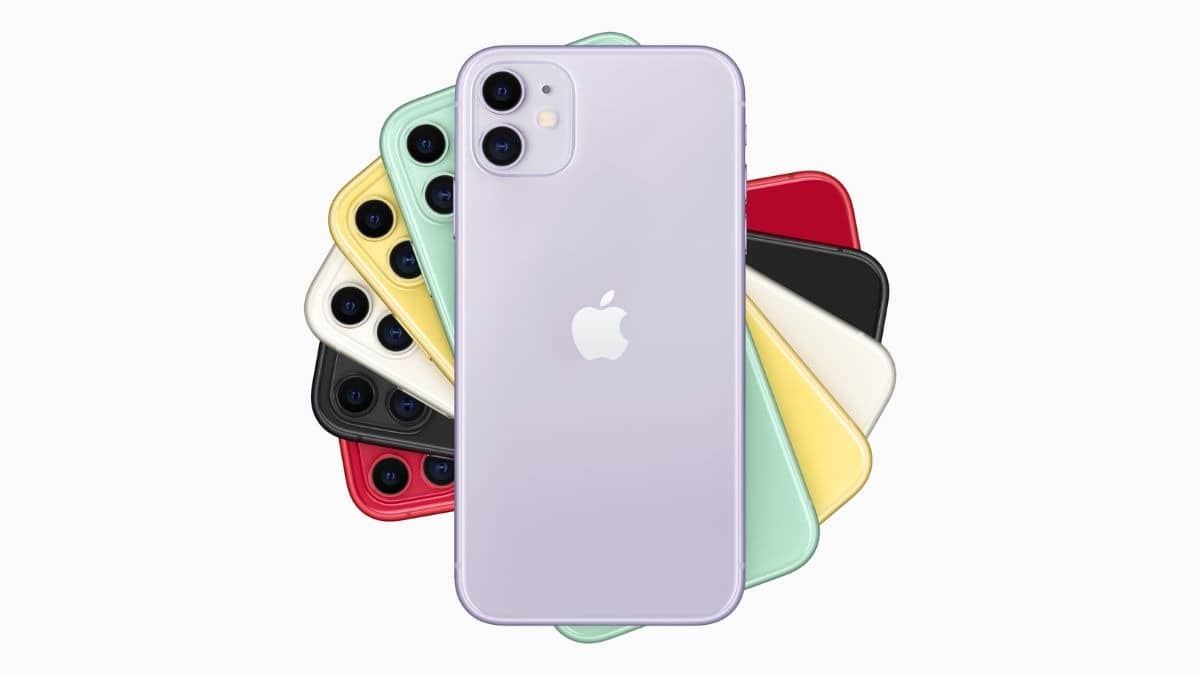


Apple's cascading hardware compatibility changes between 2025-2027 create significant operational and financial risks for cross-border e-commerce sellers relying on Apple devices for critical business functions. The company is phasing out support for older iPhone, iPad, and Mac models with upcoming software releases, while simultaneously ending Rosetta 2 compatibility for Intel-based applications in macOS 28 (2027). This dual transition affects sellers managing inventory systems, Shopify stores, Amazon seller accounts, and marketplace platforms through aging Apple hardware. Industry data indicates Apple typically supports devices 5-7 years old before discontinuing OS updates, meaning sellers with devices purchased before 2018-2020 face immediate compatibility risks.
The operational impact extends across three critical seller segments. Small and medium-sized businesses (SMBs) operating on tight margins face unplanned capital expenditure of $500-2,000 per device to upgrade hardware and maintain software compatibility. Sellers using older iPhones or iPads for inventory management, order processing, and customer communications may experience workflow disruptions when updated business applications become incompatible. Mac users relying on Intel-based accounting software, point-of-sale systems, or niche e-commerce tools face a 2027 deadline to migrate to Apple Silicon-native versions or cloud-based alternatives. The Rosetta 2 end-of-support announcement specifically impacts sellers using legacy applications like older versions of QuickBooks, Xero, or specialized shipping label generators that haven't been updated to native Apple Silicon architecture.
Strategic implications suggest accelerating adoption of cloud-based solutions and cross-platform applications. Sellers should audit their technology stack immediately, identifying Intel-dependent applications and contacting vendors about Apple Silicon compatibility roadmaps. The 2027 Rosetta 2 deadline provides approximately three years for software developers to complete native rewrites, but niche applications serving e-commerce may not receive updates. This creates an opportunity for sellers to consolidate onto cloud-based inventory management (Shopify, Amazon Seller Central native tools), cross-platform accounting (Wave, Zoho), and web-based marketplace management tools that maintain compatibility across device architectures. The broader pattern mirrors Apple's historical PowerPC-to-Intel transition (2006), suggesting this compatibility shift is permanent and irreversible.
Unplanned hardware upgrade costs range from $500-2,000 per device depending on device type and seller needs. A typical cross-border seller managing inventory across multiple devices might need to upgrade: one Mac ($1,200-2,000 for M-series MacBook), one iPad ($400-800), and one iPhone ($800-1,200), totaling $2,400-4,000 for a complete device refresh. For SMBs operating on 10-15% net margins, this represents 2-4 months of profit. The timing is particularly disruptive because Apple's compatibility announcements typically come 6-12 months before OS releases, giving sellers limited planning windows. Sellers can mitigate costs by: (1) staggering upgrades across 12-24 months, (2) shifting to cloud-based tools that work on any device, or (3) adopting cross-platform alternatives like Windows/Linux systems for business-critical functions.
Rosetta 2 is Apple's translation layer that allows Intel-based applications to run on Apple Silicon Macs (M1, M2, M3 chips). When macOS 28 launches in 2027, Rosetta 2 support ends, breaking compatibility for 18,000+ Intel applications. For e-commerce sellers, this affects legacy business tools like older versions of accounting software, shipping label generators, customs documentation tools, and niche marketplace management applications that haven't been updated to native Apple Silicon. Sellers relying on these applications must either: (1) upgrade to Apple Silicon-native versions if available, (2) migrate to cloud-based alternatives, or (3) replace hardware with Intel-based systems. The 2027 deadline provides three years for software vendors to release updates, but niche applications serving small seller communities may never receive native versions, forcing migration to cloud solutions.
Yes, cloud-based solutions eliminate device compatibility concerns entirely. Sellers can migrate to: (1) Shopify's native platform for inventory management (works on any device with a browser), (2) Amazon Seller Central's web interface (no app required), (3) Wave or Zoho for accounting (cloud-based, cross-platform), (4) Shippo or EasyPost for shipping label generation (web-based, no software installation). These alternatives cost $0-50/month and work on Windows, Mac, Linux, or even older devices. For sellers heavily invested in specific Mac applications, consider: (1) Renting cloud-based Mac instances through services like MacStadium ($20-50/month) to run legacy Intel applications, (2) Maintaining one older Intel Mac specifically for legacy software while upgrading other devices, (3) Adopting cross-platform tools like Zapier or Make to automate workflows between incompatible systems. The long-term strategy should prioritize cloud-based, browser-accessible tools that reduce dependency on specific hardware generations and operating systems.
Sellers should complete a technology audit within 30 days: (1) Document all Apple devices used for business (model, purchase date, current OS version), (2) Check Apple's official compatibility lists for upcoming iOS 27 and macOS 27-28 support, (3) Identify which business applications will lose compatibility, (4) Contact software vendors about Apple Silicon migration timelines. Within 60-90 days, prioritize: (1) Migrating to cloud-based alternatives for critical functions (Shopify for inventory, Wave for accounting, Amazon Seller Central native tools), (2) Testing compatibility of current applications on latest OS versions, (3) Creating a hardware upgrade budget for 2025-2027. For sellers with Intel-based Macs, begin planning migration to Apple Silicon or cloud solutions immediately, as the 2027 Rosetta 2 deadline is firm. Consider staggering device upgrades to spread costs across multiple fiscal years rather than absorbing $2,000-4,000 in a single quarter.
High-risk applications include: (1) Older versions of QuickBooks (pre-2023 versions lack native Apple Silicon support), (2) Specialized shipping label generators (many niche tools haven't been updated), (3) Customs documentation software (particularly region-specific tools for EU/Asia sellers), (4) Legacy marketplace management tools (older versions of Sellics, Helium 10, or similar analytics platforms), (5) Point-of-sale systems for sellers managing physical inventory alongside e-commerce. Lower-risk alternatives already updated: Shopify (native support), Amazon Seller Central (web-based), Wave (cloud-based), Xero (cloud-based), modern versions of QuickBooks Online. Sellers should contact their software vendors immediately to confirm: (1) Whether their current version supports Apple Silicon, (2) When native versions will be released, (3) Whether cloud-based alternatives exist. For vendors offering no timeline, plan migration to competing cloud-based solutions within 12 months to avoid 2027 disruption.
Apple's 5-7 year support cycle is shorter than Microsoft (Windows 10 support extends to 2025, Windows 11 to 2031) and comparable to Google (Android typically supports devices 3-5 years). For e-commerce sellers, this means Apple devices require more frequent upgrades than Windows alternatives. A seller purchasing a MacBook in 2020 will lose OS support by 2025-2027, while a Windows laptop from 2020 remains supported through 2031. However, Apple's ecosystem advantage is that older devices remain functional for basic tasks (web browsing, email, cloud applications) even without OS updates, whereas Windows devices often experience security vulnerabilities if not updated. For cross-border sellers, the strategic implication is: (1) Avoid device lock-in by prioritizing cloud-based, browser-accessible tools, (2) Consider Windows or Linux for business-critical functions requiring longer support timelines, (3) Plan hardware refresh cycles every 4-5 years rather than 6-7 years to avoid compatibility disruptions.
Recommended budget allocation: (1) Hardware upgrades: $500-2,000 per device, spread across 2-3 years ($200-700/month for typical SMB), (2) Software migration/training: $500-1,500 (one-time cost for switching to cloud platforms), (3) Cloud service subscriptions: $50-200/month (Shopify, Wave, Zapier, etc.), (4) IT consulting/support: $100-300/month if outsourcing migration. Total annual technology budget should increase 15-25% during 2025-2027 transition period. Sellers can offset costs by: (1) Consolidating redundant tools (replacing 3 separate apps with one integrated platform), (2) Negotiating volume discounts on cloud services, (3) Timing hardware purchases during Q4 sales events (Black Friday, Cyber Monday), (4) Claiming technology expenses as business deductions. The strategic benefit is that cloud-based infrastructure reduces future compatibility risks and provides better scalability as businesses grow, making the 2025-2027 transition an opportunity to modernize technology infrastructure rather than a pure cost burden.
Apple is phasing out support for devices older than 5-7 years across iPhone, iPad, and Mac lines. Sellers with devices purchased before 2018-2020 will lose compatibility with upcoming OS versions (iOS 27, macOS 27-28), affecting access to cloud-based selling platforms, payment processing systems, and analytics tools. Specifically, older iPhones and iPads may fail to run updated versions of Shopify, Amazon Seller Central, or accounting apps like QuickBooks. Mac users face additional risk: macOS 28 (2027) will break compatibility for 18,000+ Intel-based applications, forcing sellers to either upgrade hardware or migrate to cloud alternatives. The impact is most severe for SMBs managing multi-device operations, where upgrading 3-5 devices costs $1,500-2,000 in unplanned capital expenditure.
Unplanned hardware upgrade costs range from $500-2,000 per device depending on device type and seller needs. A typical cross-border seller managing inventory across multiple devices might need to upgrade: one Mac ($1,200-2,000 for M-series MacBook), one iPad ($400-800), and one iPhone ($800-1,200), totaling $2,400-4,000 for a complete device refresh. For SMBs operating on 10-15% net margins, this represents 2-4 months of profit. The timing is particularly disruptive because Apple's compatibility announcements typically come 6-12 months before OS releases, giving sellers limited planning windows. Sellers can mitigate costs by: (1) staggering upgrades across 12-24 months, (2) shifting to cloud-based tools that work on any device, or (3) adopting cross-platform alternatives like Windows/Linux systems for business-critical functions.
Rosetta 2 is Apple's translation layer that allows Intel-based applications to run on Apple Silicon Macs (M1, M2, M3 chips). When macOS 28 launches in 2027, Rosetta 2 support ends, breaking compatibility for 18,000+ Intel applications. For e-commerce sellers, this affects legacy business tools like older versions of accounting software, shipping label generators, customs documentation tools, and niche marketplace management applications that haven't been updated to native Apple Silicon. Sellers relying on these applications must either: (1) upgrade to Apple Silicon-native versions if available, (2) migrate to cloud-based alternatives, or (3) replace hardware with Intel-based systems. The 2027 deadline provides three years for software vendors to release updates, but niche applications serving small seller communities may never receive native versions, forcing migration to cloud solutions.
Yes, cloud-based solutions eliminate device compatibility concerns entirely. Sellers can migrate to: (1) Shopify's native platform for inventory management (works on any device with a browser), (2) Amazon Seller Central's web interface (no app required), (3) Wave or Zoho for accounting (cloud-based, cross-platform), (4) Shippo or EasyPost for shipping label generation (web-based, no software installation). These alternatives cost $0-50/month and work on Windows, Mac, Linux, or even older devices. For sellers heavily invested in specific Mac applications, consider: (1) Renting cloud-based Mac instances through services like MacStadium ($20-50/month) to run legacy Intel applications, (2) Maintaining one older Intel Mac specifically for legacy software while upgrading other devices, (3) Adopting cross-platform tools like Zapier or Make to automate workflows between incompatible systems. The long-term strategy should prioritize cloud-based, browser-accessible tools that reduce dependency on specific hardware generations and operating systems.
Sellers should complete a technology audit within 30 days: (1) Document all Apple devices used for business (model, purchase date, current OS version), (2) Check Apple's official compatibility lists for upcoming iOS 27 and macOS 27-28 support, (3) Identify which business applications will lose compatibility, (4) Contact software vendors about Apple Silicon migration timelines. Within 60-90 days, prioritize: (1) Migrating to cloud-based alternatives for critical functions (Shopify for inventory, Wave for accounting, Amazon Seller Central native tools), (2) Testing compatibility of current applications on latest OS versions, (3) Creating a hardware upgrade budget for 2025-2027. For sellers with Intel-based Macs, begin planning migration to Apple Silicon or cloud solutions immediately, as the 2027 Rosetta 2 deadline is firm. Consider staggering device upgrades to spread costs across multiple fiscal years rather than absorbing $2,000-4,000 in a single quarter.
High-risk applications include: (1) Older versions of QuickBooks (pre-2023 versions lack native Apple Silicon support), (2) Specialized shipping label generators (many niche tools haven't been updated), (3) Customs documentation software (particularly region-specific tools for EU/Asia sellers), (4) Legacy marketplace management tools (older versions of Sellics, Helium 10, or similar analytics platforms), (5) Point-of-sale systems for sellers managing physical inventory alongside e-commerce. Lower-risk alternatives already updated: Shopify (native support), Amazon Seller Central (web-based), Wave (cloud-based), Xero (cloud-based), modern versions of QuickBooks Online. Sellers should contact their software vendors immediately to confirm: (1) Whether their current version supports Apple Silicon, (2) When native versions will be released, (3) Whether cloud-based alternatives exist. For vendors offering no timeline, plan migration to competing cloud-based solutions within 12 months to avoid 2027 disruption.
Apple's 5-7 year support cycle is shorter than Microsoft (Windows 10 support extends to 2025, Windows 11 to 2031) and comparable to Google (Android typically supports devices 3-5 years). For e-commerce sellers, this means Apple devices require more frequent upgrades than Windows alternatives. A seller purchasing a MacBook in 2020 will lose OS support by 2025-2027, while a Windows laptop from 2020 remains supported through 2031. However, Apple's ecosystem advantage is that older devices remain functional for basic tasks (web browsing, email, cloud applications) even without OS updates, whereas Windows devices often experience security vulnerabilities if not updated. For cross-border sellers, the strategic implication is: (1) Avoid device lock-in by prioritizing cloud-based, browser-accessible tools, (2) Consider Windows or Linux for business-critical functions requiring longer support timelines, (3) Plan hardware refresh cycles every 4-5 years rather than 6-7 years to avoid compatibility disruptions.
Recommended budget allocation: (1) Hardware upgrades: $500-2,000 per device, spread across 2-3 years ($200-700/month for typical SMB), (2) Software migration/training: $500-1,500 (one-time cost for switching to cloud platforms), (3) Cloud service subscriptions: $50-200/month (Shopify, Wave, Zapier, etc.), (4) IT consulting/support: $100-300/month if outsourcing migration. Total annual technology budget should increase 15-25% during 2025-2027 transition period. Sellers can offset costs by: (1) Consolidating redundant tools (replacing 3 separate apps with one integrated platform), (2) Negotiating volume discounts on cloud services, (3) Timing hardware purchases during Q4 sales events (Black Friday, Cyber Monday), (4) Claiming technology expenses as business deductions. The strategic benefit is that cloud-based infrastructure reduces future compatibility risks and provides better scalability as businesses grow, making the 2025-2027 transition an opportunity to modernize technology infrastructure rather than a pure cost burden.
Apple is phasing out support for devices older than 5-7 years across iPhone, iPad, and Mac lines. Sellers with devices purchased before 2018-2020 will lose compatibility with upcoming OS versions (iOS 27, macOS 27-28), affecting access to cloud-based selling platforms, payment processing systems, and analytics tools. Specifically, older iPhones and iPads may fail to run updated versions of Shopify, Amazon Seller Central, or accounting apps like QuickBooks. Mac users face additional risk: macOS 28 (2027) will break compatibility for 18,000+ Intel-based applications, forcing sellers to either upgrade hardware or migrate to cloud alternatives. The impact is most severe for SMBs managing multi-device operations, where upgrading 3-5 devices costs $1,500-2,000 in unplanned capital expenditure.
Unplanned hardware upgrade costs range from $500-2,000 per device depending on device type and seller needs. A typical cross-border seller managing inventory across multiple devices might need to upgrade: one Mac ($1,200-2,000 for M-series MacBook), one iPad ($400-800), and one iPhone ($800-1,200), totaling $2,400-4,000 for a complete device refresh. For SMBs operating on 10-15% net margins, this represents 2-4 months of profit. The timing is particularly disruptive because Apple's compatibility announcements typically come 6-12 months before OS releases, giving sellers limited planning windows. Sellers can mitigate costs by: (1) staggering upgrades across 12-24 months, (2) shifting to cloud-based tools that work on any device, or (3) adopting cross-platform alternatives like Windows/Linux systems for business-critical functions.
Rosetta 2 is Apple's translation layer that allows Intel-based applications to run on Apple Silicon Macs (M1, M2, M3 chips). When macOS 28 launches in 2027, Rosetta 2 support ends, breaking compatibility for 18,000+ Intel applications. For e-commerce sellers, this affects legacy business tools like older versions of accounting software, shipping label generators, customs documentation tools, and niche marketplace management applications that haven't been updated to native Apple Silicon. Sellers relying on these applications must either: (1) upgrade to Apple Silicon-native versions if available, (2) migrate to cloud-based alternatives, or (3) replace hardware with Intel-based systems. The 2027 deadline provides three years for software vendors to release updates, but niche applications serving small seller communities may never receive native versions, forcing migration to cloud solutions.