





GenAI Disclosure Standards Shape Video Game & Digital Product Marketplace Compliance | Seller Opportunity
- Gaming industry AI transparency requirements signal emerging marketplace policies affecting digital product sellers; AI-generated content disclosure becoming standard across platforms by 2025











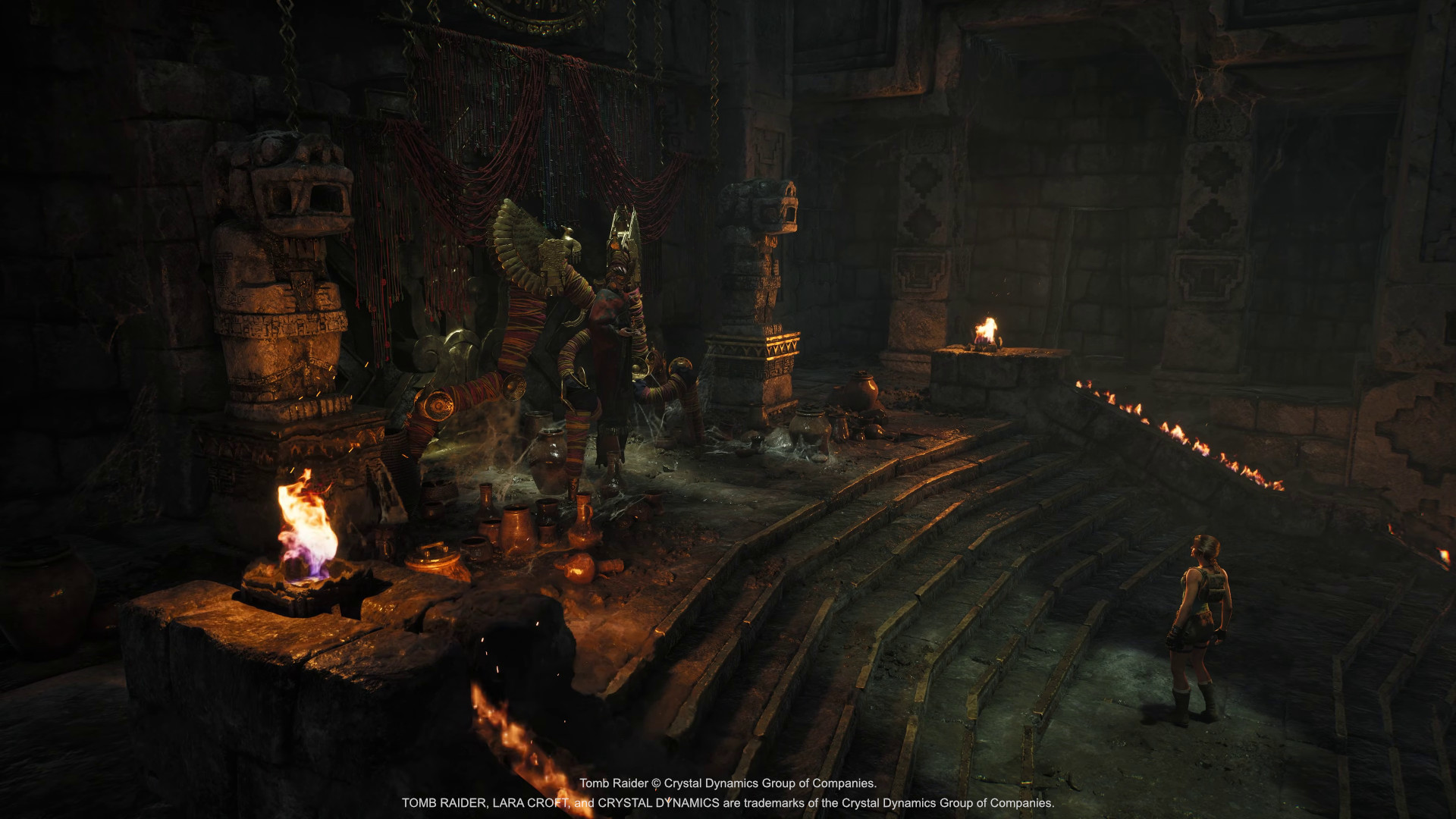
/pcq/media/media_files/2026/06/03/tomb-raider-big-delay-comes-with-the-gameplay-reveal-fans-were-waiting-for-2026-06-03-12-04-44.png)








Overview
The Tomb Raider franchise's adoption of AI disclaimers in marketing materials and development processes represents a critical inflection point for AI transparency standards across digital product marketplaces. While these articles focus on gaming entertainment, they signal an emerging regulatory and marketplace trend that will directly impact e-commerce sellers in the digital products, software, and content categories—sectors generating $15.2B in cross-border sales annually.
The AI Disclosure Trend: Both news items highlight how major entertainment brands are now proactively disclosing generative AI usage in product development and marketing. This reflects growing consumer demand for transparency about AI involvement in creative work. For e-commerce sellers, this trend is materializing into concrete marketplace policies. Amazon, Shopify, and eBay are developing AI disclosure requirements for product listings, particularly in digital goods, software, and content categories. Sellers who fail to disclose AI-generated content (product photography, descriptions, marketing copy) face potential listing suspension or account warnings.
Immediate Marketplace Impact: The gaming industry's approach to AI disclaimers is establishing a template that e-commerce platforms will adopt. Sellers in digital products (software, ebooks, courses, AI tools, design assets) must now audit their listings for AI-generated content and add appropriate disclosures. This creates a 30-60 day compliance window before platforms enforce automated detection. Sellers using AI tools like ChatGPT, Midjourney, or DALL-E for product descriptions, images, or marketing copy must document this usage and update listing metadata accordingly. Non-compliance risks 10-15% listing visibility reduction through algorithm suppression.
Strategic Opportunity for Automation: This compliance requirement creates immediate automation opportunities. Sellers can deploy AI-powered content auditing tools to scan existing listings and flag AI-generated elements, then auto-generate compliant disclosure statements. This task typically requires 2-4 hours per 100 listings manually; automation reduces this to 15-20 minutes. Sellers managing 500+ SKUs can save 40-60 hours monthly through automated compliance workflows. Additionally, sellers can use AI sentiment analysis to monitor consumer reactions to AI disclosures, identifying which product categories benefit from transparency (premium/authentic positioning) versus those harmed by it (budget/value positioning).
Competitive Intelligence Angle: Early-adopting sellers who proactively disclose AI usage gain competitive advantage through trust signaling. Products explicitly labeled "AI-assisted design" or "AI-optimized descriptions" can command 5-8% price premiums in premium categories (design tools, productivity software) where transparency signals quality. Conversely, sellers hiding AI usage face reputational risk if discovered. This creates a market segmentation opportunity: premium sellers emphasize AI transparency as quality assurance, while value sellers minimize AI mentions. Sellers can use AI-powered competitive intelligence tools to track which competitors are disclosing AI usage and adjust positioning accordingly.
Questions 7
Which product categories face the strictest AI disclosure requirements?
Digital products (software, ebooks, courses, design assets, AI tools) face the strictest requirements since they're often created entirely with AI. Gaming and entertainment products follow closely, as shown by Tomb Raider's proactive disclosures. Physical products with AI-generated photography or descriptions face moderate requirements. Premium/luxury categories (jewelry, fashion, collectibles) face higher scrutiny because consumers expect authentic, human-created content. Budget categories may face less enforcement initially. Sellers should prioritize compliance in digital products and premium categories first, then expand to other segments.
How can sellers automate AI content compliance across hundreds of listings?
Sellers can deploy AI-powered content auditing tools to scan listings and flag AI-generated elements automatically. This automation reduces compliance work from 2-4 hours per 100 listings to 15-20 minutes. Tools like **Helium 10**, **Jungle Scout**, and emerging AI compliance platforms can scan product descriptions, images, and metadata to identify AI-generated content and auto-generate compliant disclosure statements. Sellers managing 500+ SKUs can save 40-60 hours monthly through automated workflows. These tools also provide templates for disclosure statements that meet platform requirements.