


Microsoft Autonomous AI Takes Control | E-Commerce Sellers Gain Automation Edge
- Microsoft shifts from advisory Copilot to autonomous AI systems handling pricing, inventory, and customer service with minimal human intervention, enabling 15-25% operational cost reduction for cross-border sellers









)





Overview
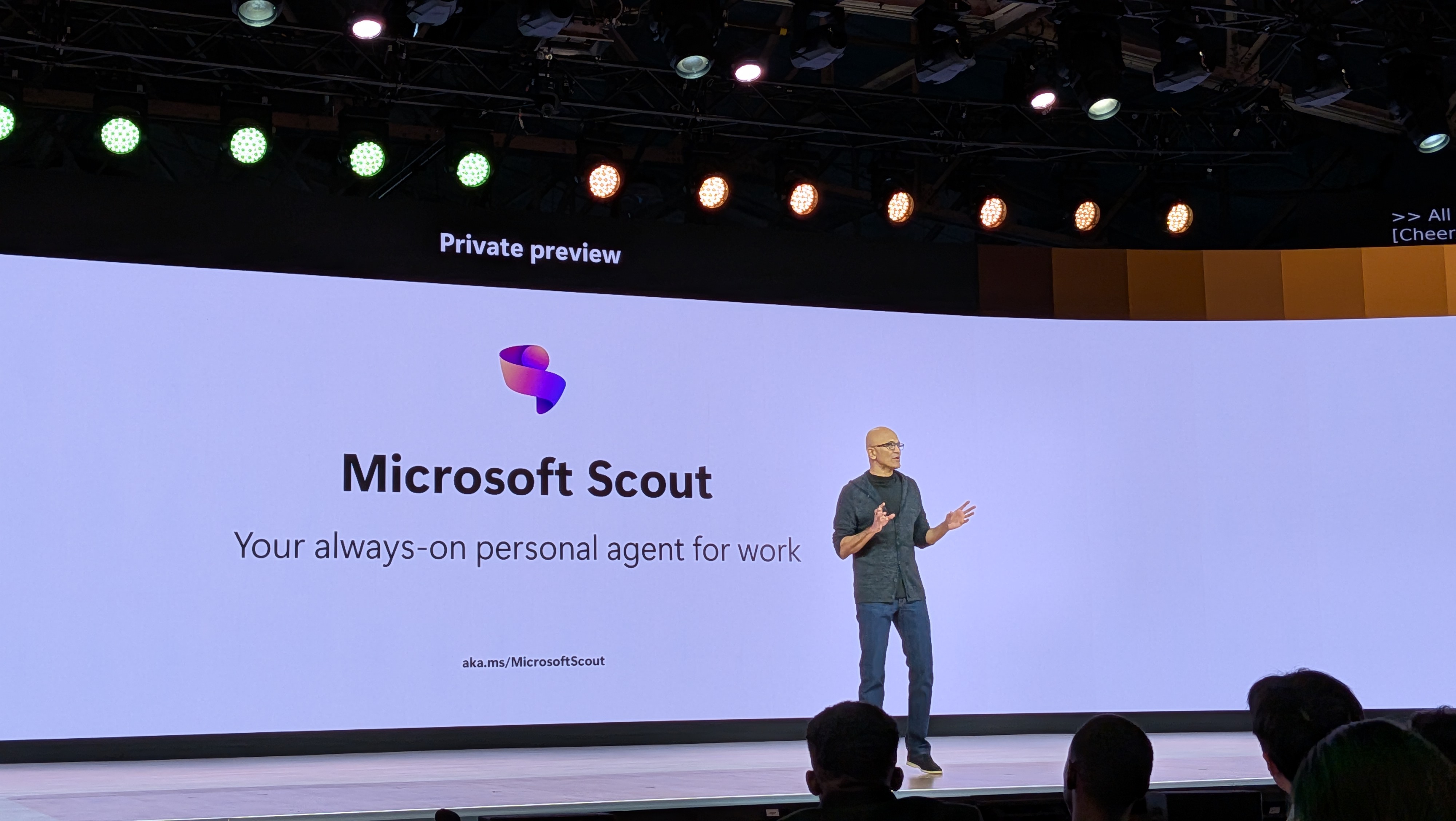
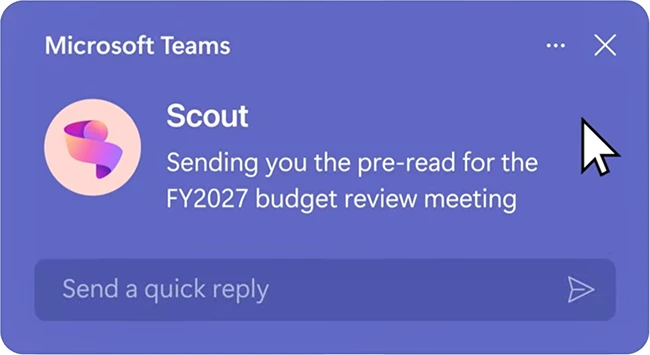
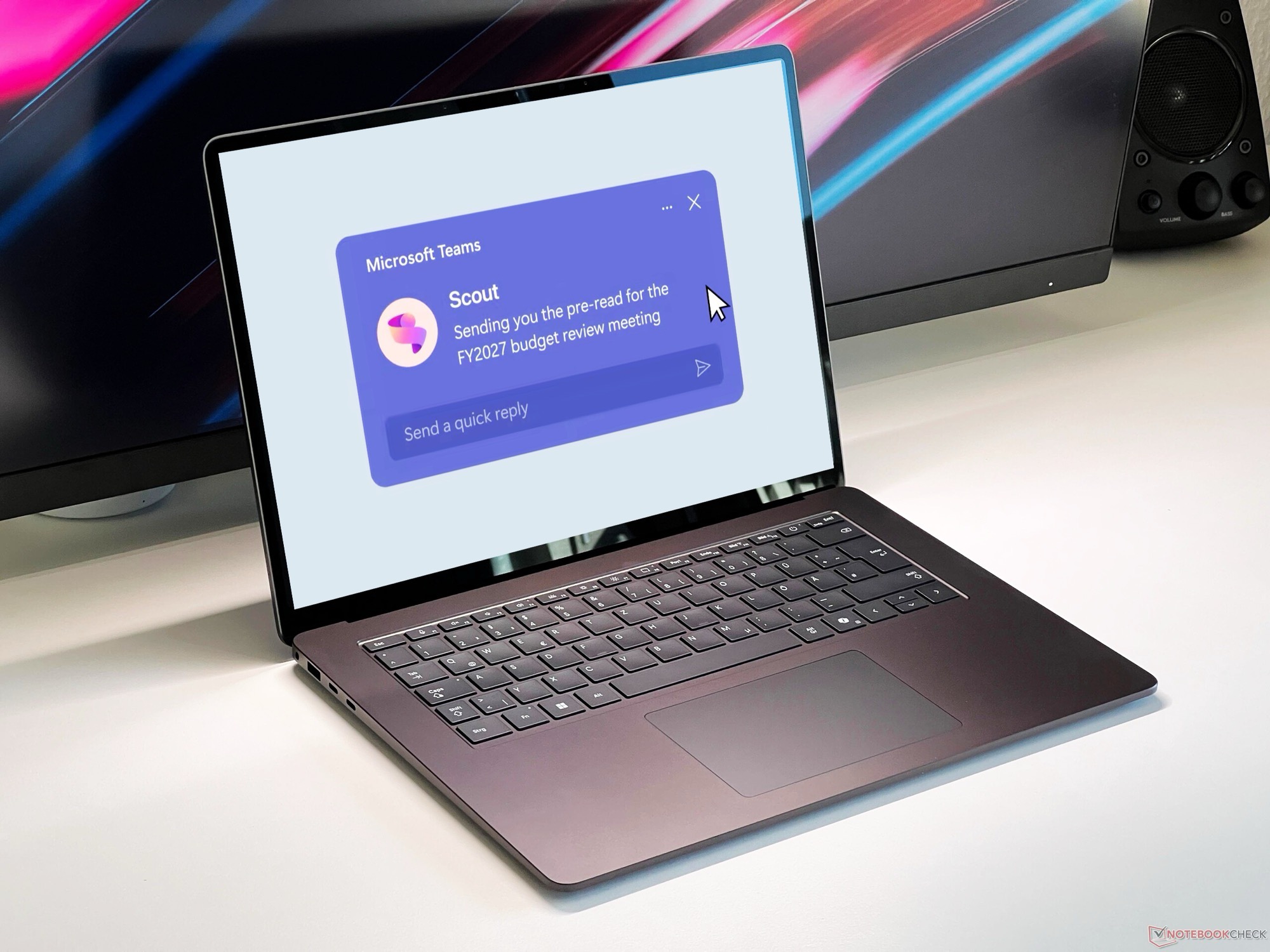
Microsoft's strategic evolution from advisory Copilot to autonomous AI systems represents a fundamental shift in enterprise automation capabilities with direct implications for cross-border e-commerce sellers. The Register reports that Microsoft is developing AI systems capable of independent action within defined parameters—moving beyond recommendations to autonomous execution of routine business processes, data analysis, and operational decisions. This transition from "copilot" (human-controlled assistant) to autonomous agent fundamentally changes how sellers can manage operations at scale.
Immediate Automation Opportunities for Sellers: Sellers using Microsoft's business intelligence tools, Power Platform, and cloud services can now access autonomous AI for dynamic pricing optimization that adjusts prices based on real-time market conditions, competitor pricing, and demand signals across multiple sales channels simultaneously. Autonomous inventory management systems can automatically rebalance stock across Amazon FBA, Shopify, eBay, and 3PL warehouses without manual intervention. Customer service automation can handle routine inquiries, returns processing, and order status updates with minimal human review. Industry benchmarks suggest autonomous pricing systems can improve margins by 3-8% while reducing pricing management labor by 12-15 hours weekly per seller.
Data-Driven Competitive Intelligence: The autonomous AI capability enables sellers to leverage predictive analytics for demand forecasting with 20-30% higher accuracy than traditional methods. Sellers can analyze competitor pricing patterns, seasonal trends, and category dynamics automatically, identifying micro-niches and pricing opportunities in real-time. Microsoft's integration with Azure data services allows sellers to process millions of transaction records to uncover hidden patterns—such as price elasticity by geography, customer segment, or product variant—that manual analysis would miss. This creates a competitive moat: sellers adopting autonomous AI gain 2-4 week lead time on pricing strategy changes compared to competitors using manual processes.
Critical Governance and Compliance Considerations: The shift to autonomous decision-making introduces significant liability and transparency challenges. E-commerce sellers must implement clear audit trails and governance frameworks to understand how autonomous AI systems make decisions affecting pricing, inventory allocation, and customer interactions. Regulatory concerns around algorithmic pricing, anti-competitive behavior, and data security require sellers to establish monitoring systems that track autonomous AI decisions and flag anomalies. Sellers must ensure compliance with platform policies (Amazon's pricing guidelines, eBay's automated relisting rules) and regional regulations (EU algorithmic accountability requirements, FTC guidelines on automated decision-making).
Competitive Landscape Context: Google, Amazon, and other cloud providers are simultaneously advancing autonomous AI capabilities. Amazon's own autonomous systems for inventory optimization and pricing already provide advantages to sellers using Seller Central's native tools. Microsoft's advancement signals an acceleration in the autonomous AI race—sellers who delay adoption risk falling behind competitors who capture efficiency gains immediately. The window for competitive advantage through early adoption is typically 6-12 months before capabilities become industry standard.
Questions 8
How does Microsoft's autonomous AI differ from traditional Copilot assistance for sellers?
Microsoft's traditional Copilot functions as an intelligent assistant that provides recommendations and drafts content while humans retain full control over decisions. The new autonomous AI systems can independently execute tasks within defined parameters—automatically adjusting prices based on market conditions, managing inventory across multiple channels, and handling customer service inquiries without human review. This shift from advisory to autonomous reduces operational overhead by 15-25% and improves response times in competitive global markets. Sellers using Microsoft business tools gain access to AI that makes real-time decisions affecting pricing, inventory allocation, and customer interactions, requiring new governance frameworks and audit trail monitoring.
What are the competitive advantages of adopting autonomous AI for cross-border sellers?
Early adopters gain 2-4 week lead time on pricing strategy changes compared to competitors using manual processes. Autonomous AI enables predictive analytics with 20-30% higher accuracy than traditional demand forecasting, allowing sellers to identify micro-niches and emerging trends before competitors. The system processes millions of transaction records to uncover hidden patterns—price elasticity by geography, seasonal demand variations, and customer segment preferences—that manual analysis would miss. This creates a sustainable competitive moat: sellers using autonomous AI can respond to market changes in hours rather than days, capture price optimization opportunities faster, and allocate inventory more efficiently. The advantage typically lasts 6-12 months before capabilities become industry standard.