

Apple Kills Vision Pro Roadmap, Pivots to Smart Glasses | AR Accessory Market Shift
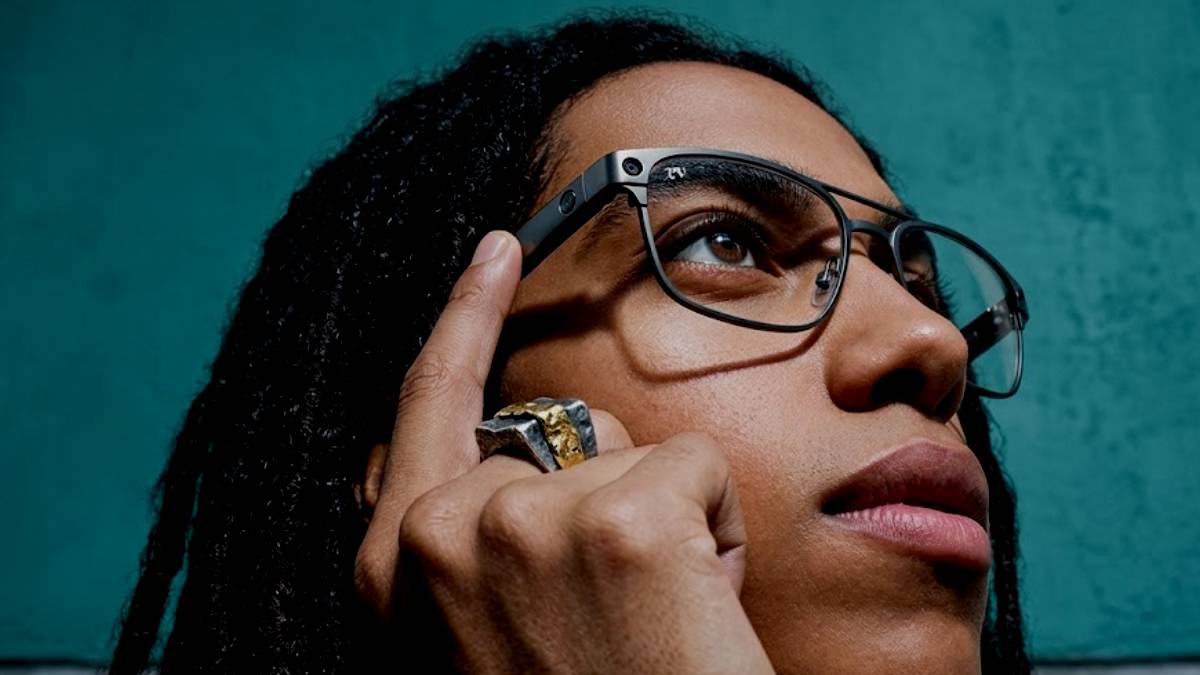
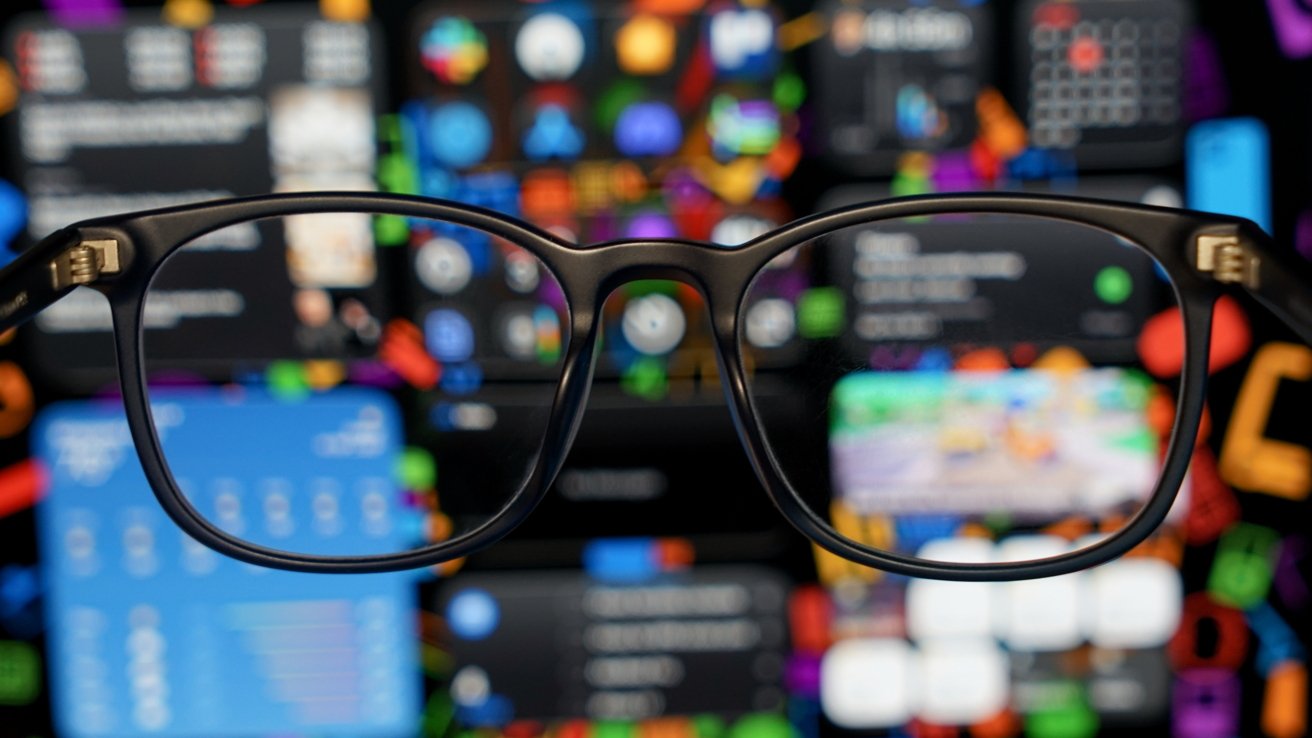
- Apple shelves next-gen Vision Pro iterations; redirects resources to lightweight AR glasses with broader market appeal, creating new accessory opportunities for cross-border sellers in emerging tech categories




















)





Overview
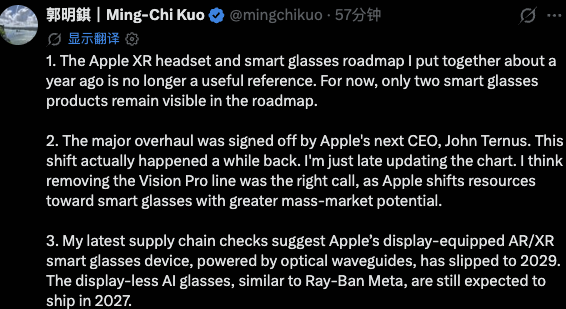
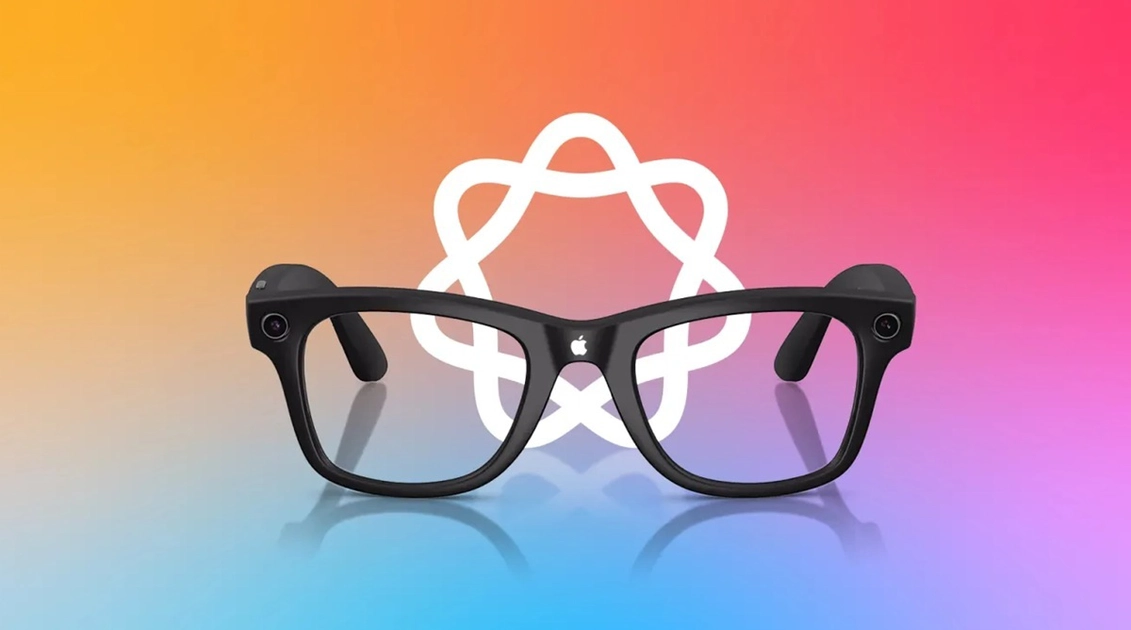
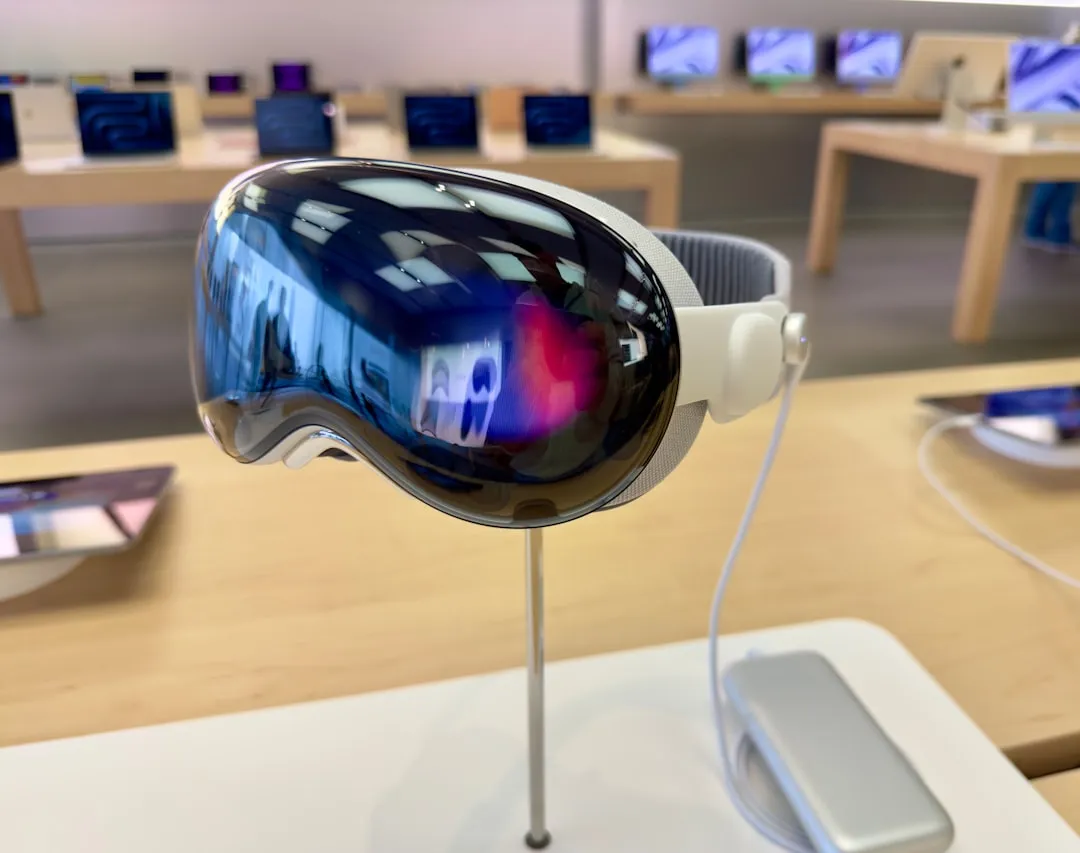
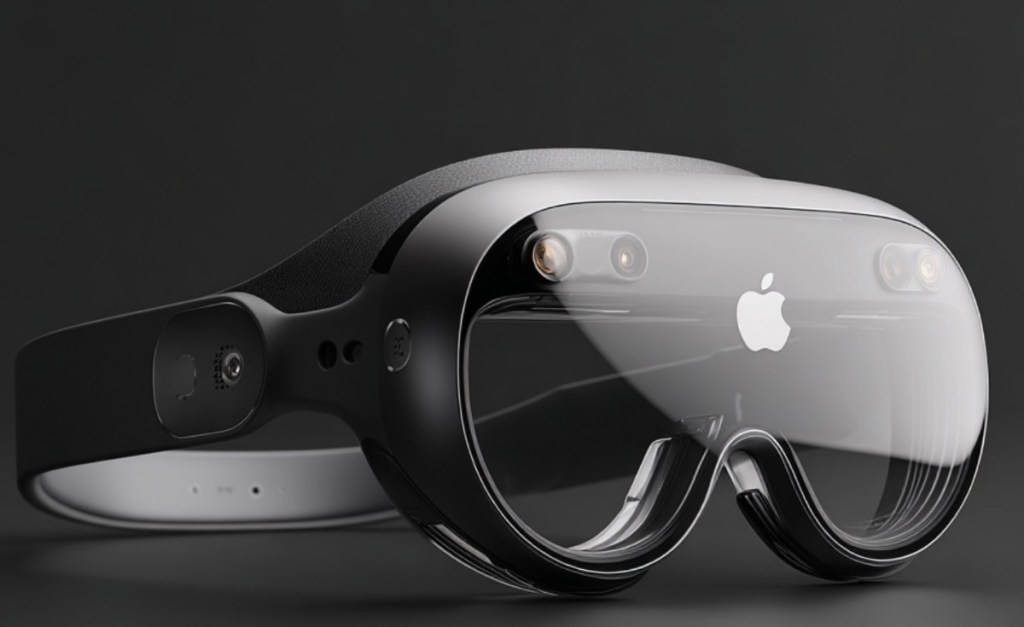
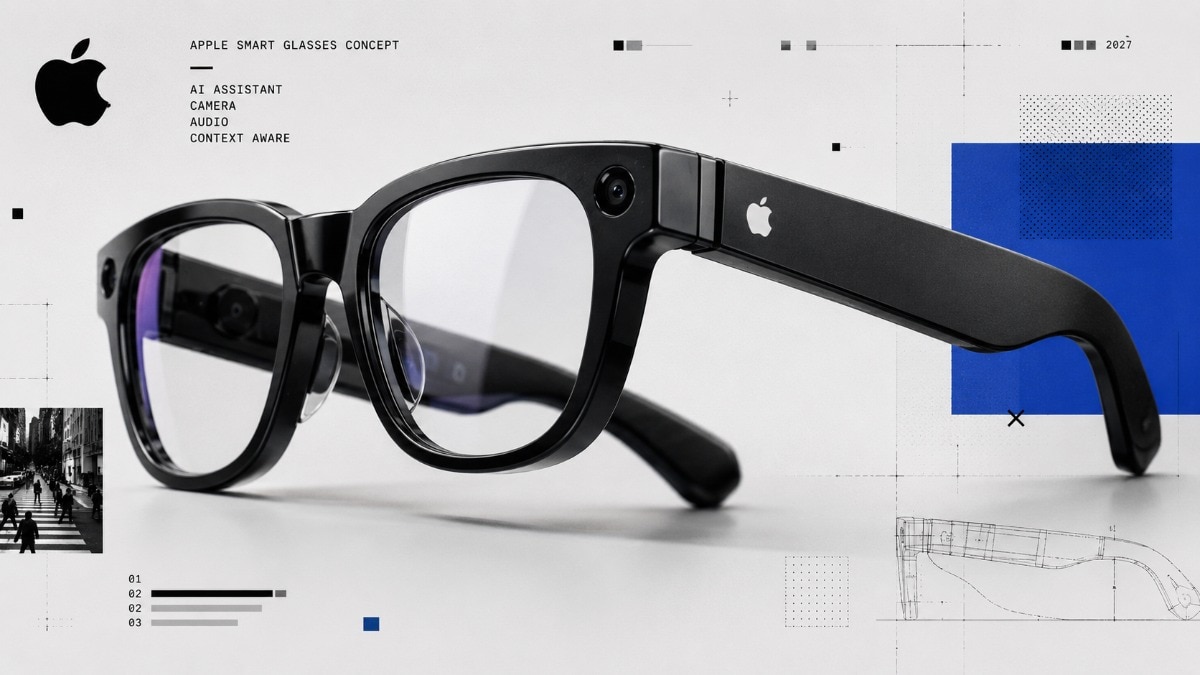
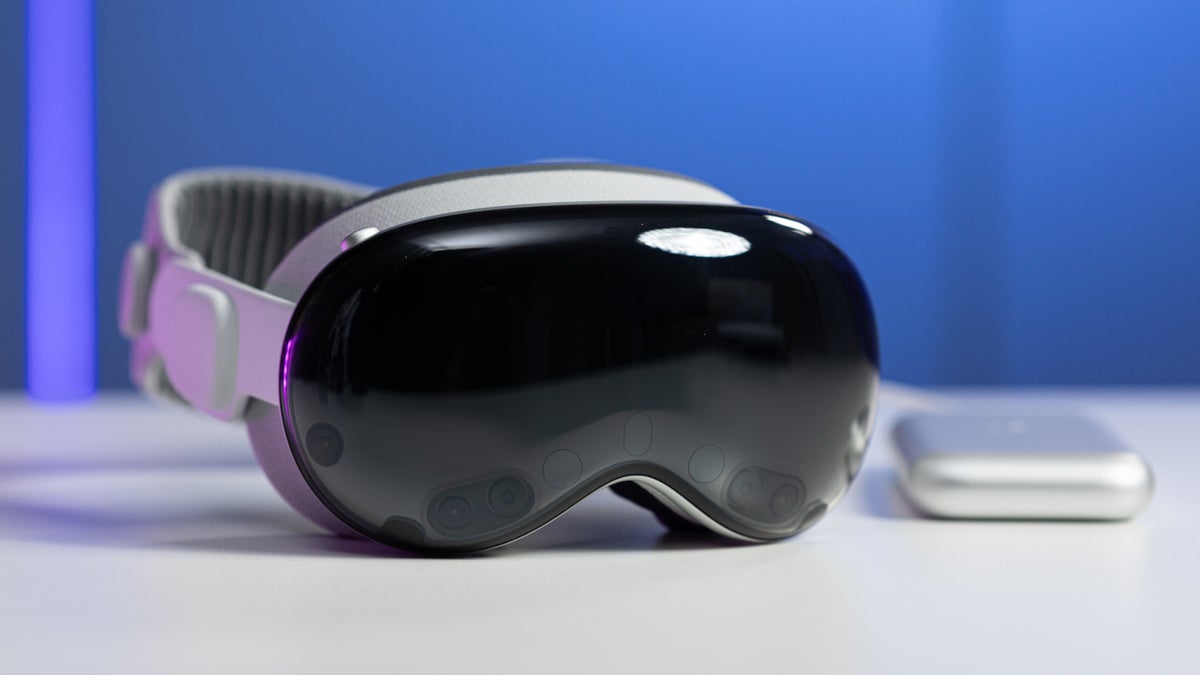
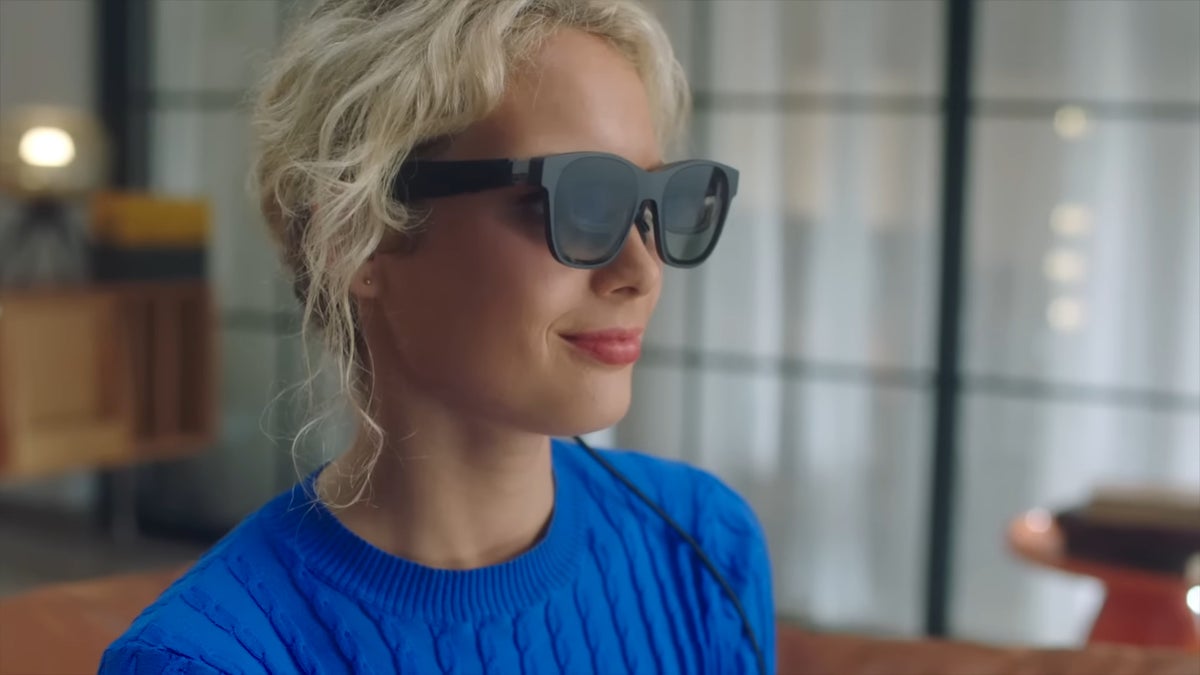
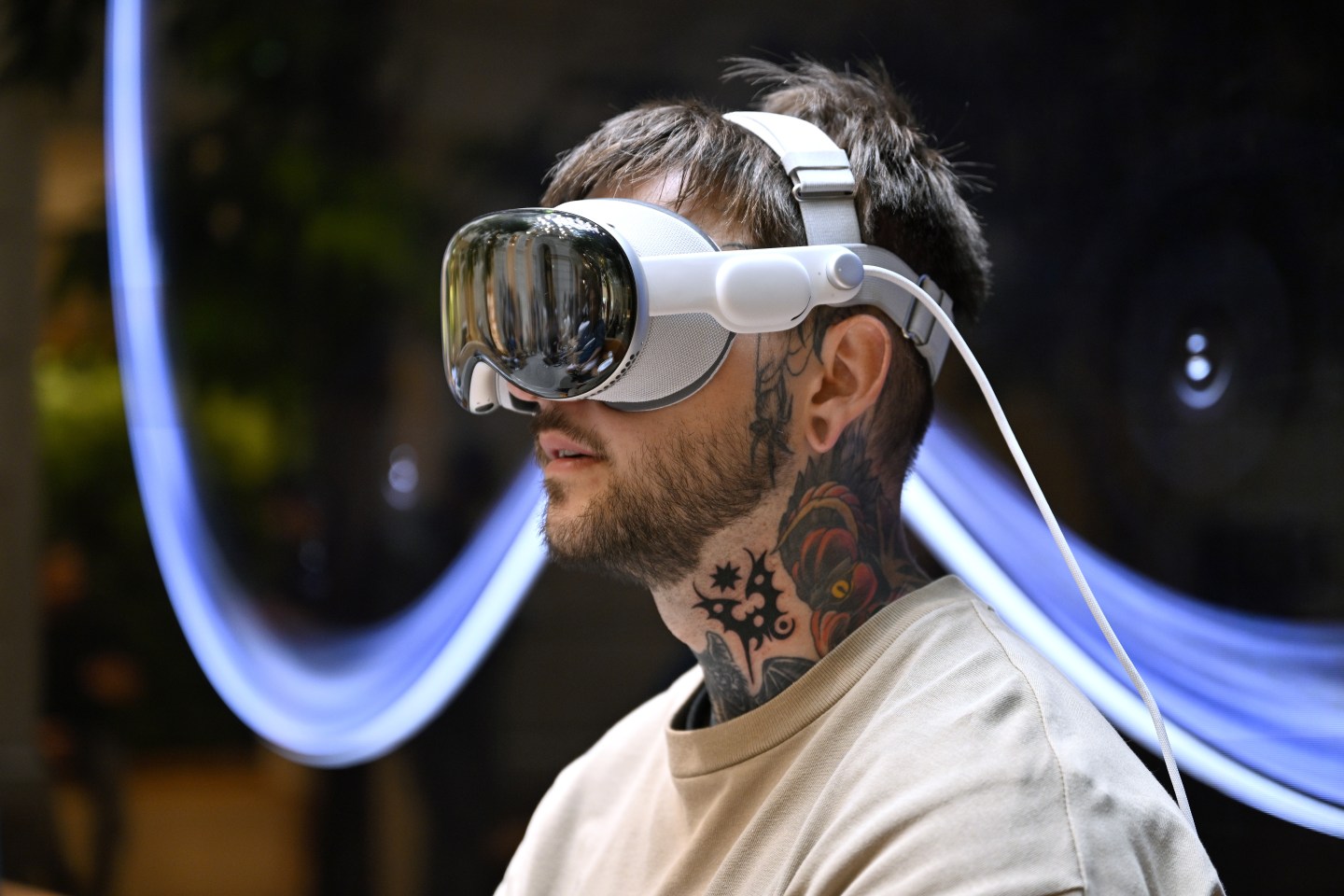
Apple's strategic deprioritization of Vision Pro successor development marks a critical inflection point in the spatial computing market, with direct implications for cross-border e-commerce sellers in tech accessories and emerging device categories. According to analyst Ming-Chi Kuo at TF International Securities, Apple has shelved plans for next-generation Vision Pro iterations and is redirecting engineering resources toward lightweight smart glasses designed for mass-market adoption. This decision follows Vision Pro's modest sales performance since its 2024 launch at $3,499—a price point that severely limited mainstream consumer appeal and created a narrow addressable market.
The strategic reorientation reveals critical market intelligence for sellers: premium spatial computing devices face adoption barriers that even Apple's brand power cannot overcome. Vision Pro's challenges—high pricing, limited software ecosystem, and slower-than-expected consumer adoption—demonstrate that the current market prioritizes accessible AR experiences over immersive spatial computing. Apple's pivot toward lightweight smart glasses signals industry-wide recognition that form factor and price point are more critical than technological sophistication for near-term AR market penetration. This directly impacts sellers currently holding Vision Pro accessories inventory (protective cases, lens protectors, charging solutions, content apps). The reduced Vision Pro roadmap suggests declining demand for complementary products in this category, requiring immediate inventory reassessment.
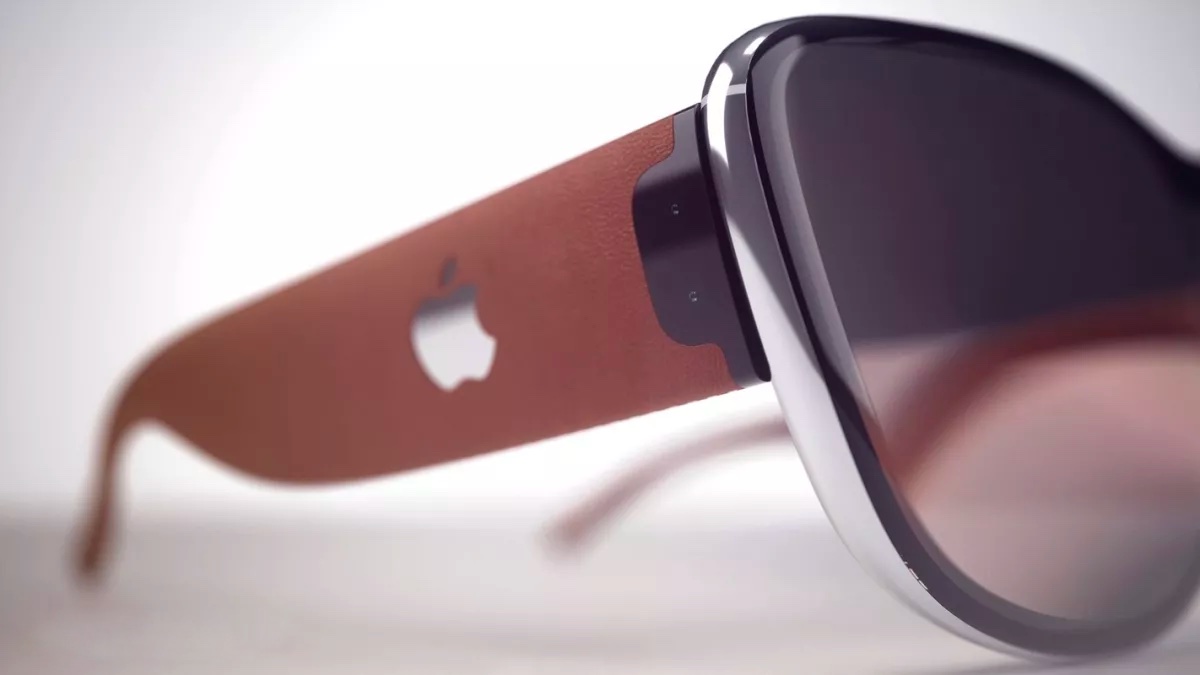
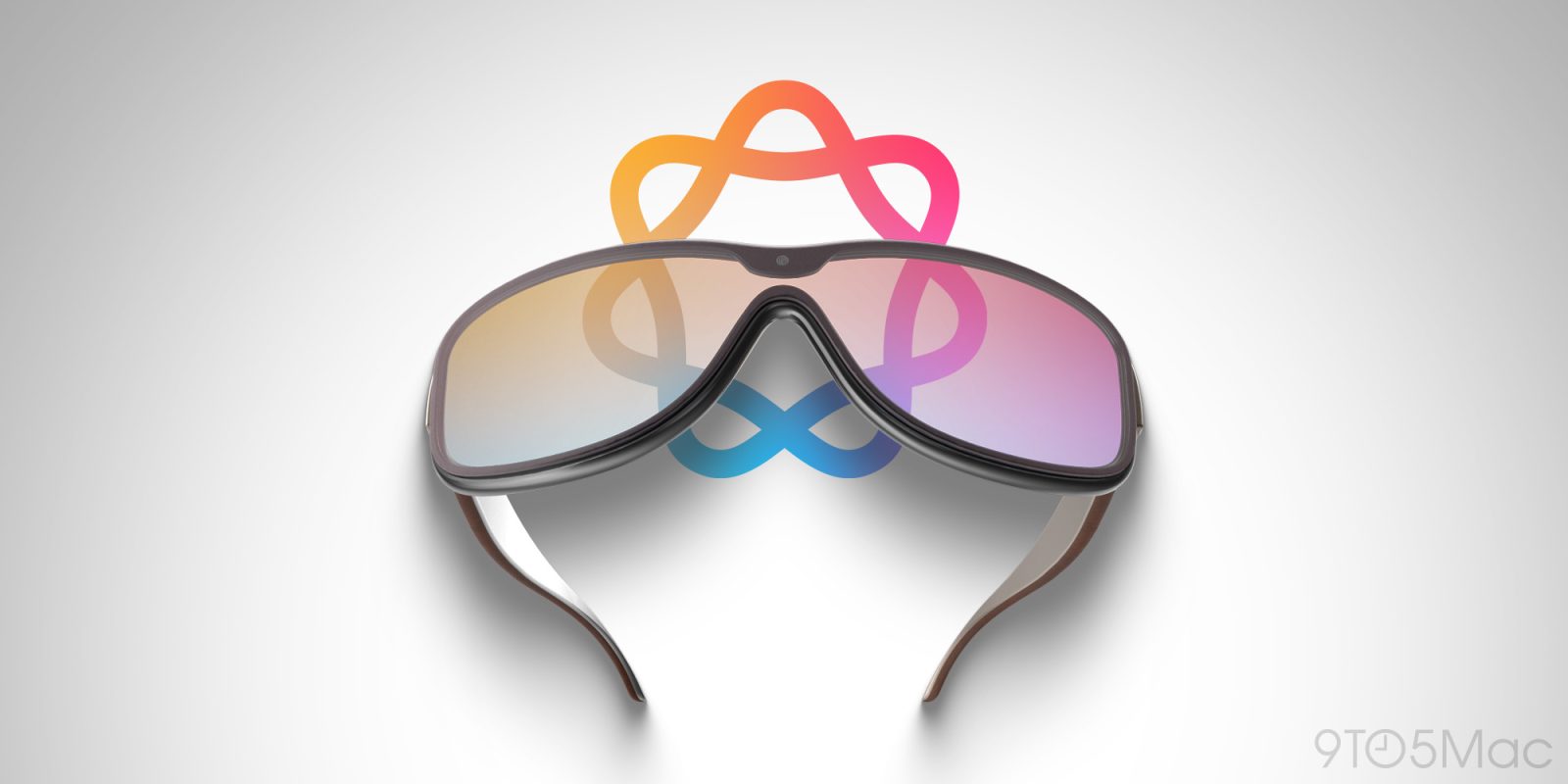
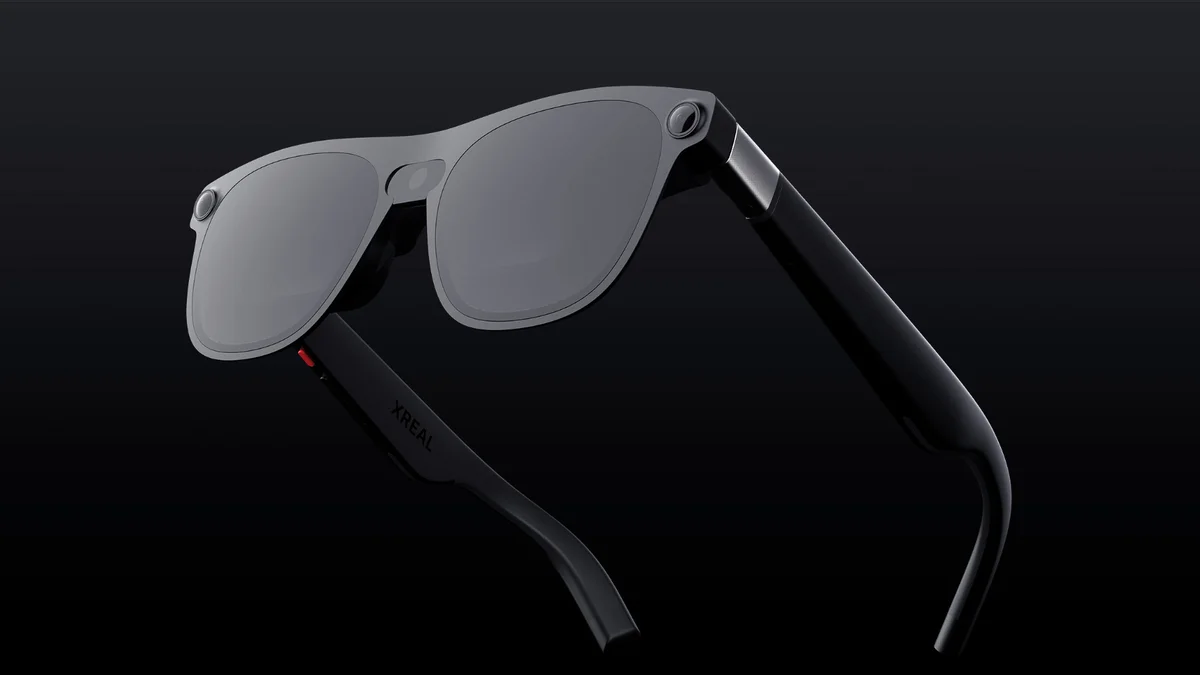
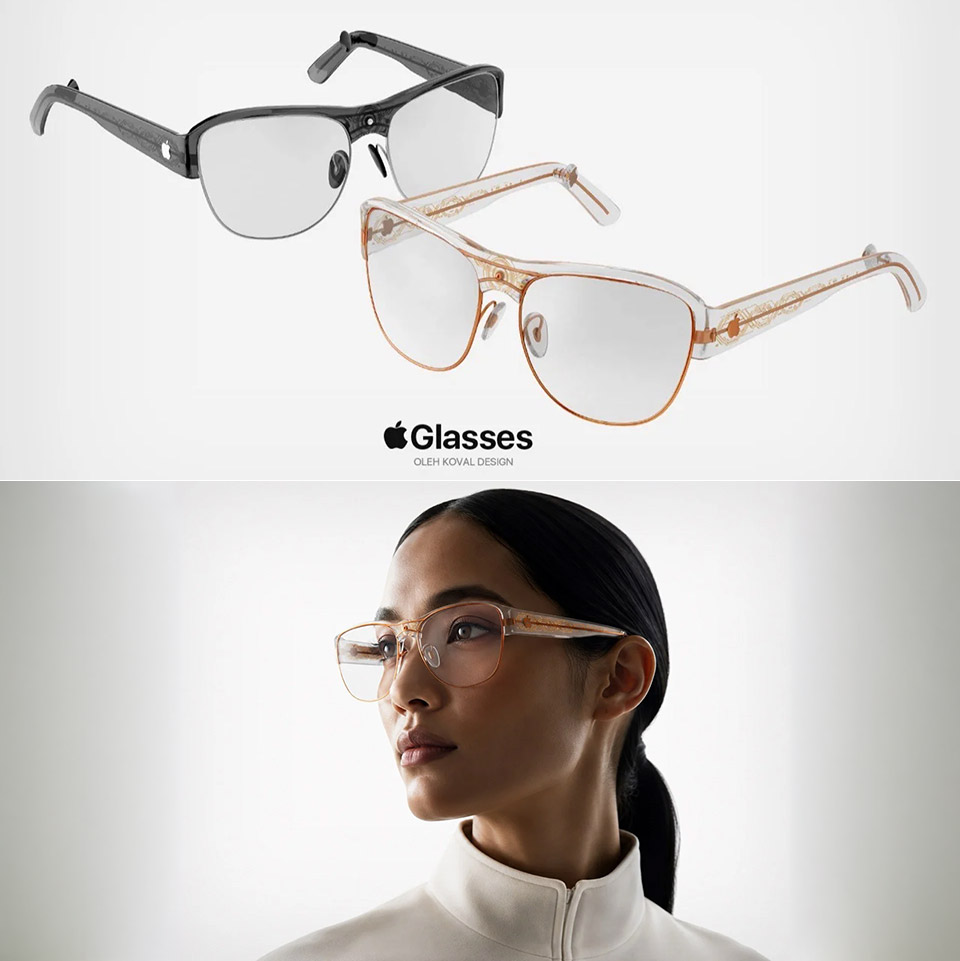
Conversely, this shift creates substantial opportunities in emerging smart glasses accessory categories. As Apple, Meta, Microsoft, and Google pursue lightweight AR glasses strategies, sellers should anticipate explosive growth in compatible accessories: prescription lens adapters, anti-glare coatings, protective frames, carrying cases, and AR-specific software solutions. Historical precedent shows that accessory markets typically reach 30-40% of primary device revenue within 18-24 months of mainstream product launch. Smart glasses accessories represent an estimated $2-4B market opportunity by 2026-2027, with significantly lower barriers to entry than device manufacturing. Sellers can leverage AI-powered product research tools to identify emerging accessory categories before competitors, analyze competitor pricing on Amazon and eBay, and optimize listings for "AR glasses accessories," "smart glasses cases," and related long-tail keywords that currently show low competition but rising search volume.
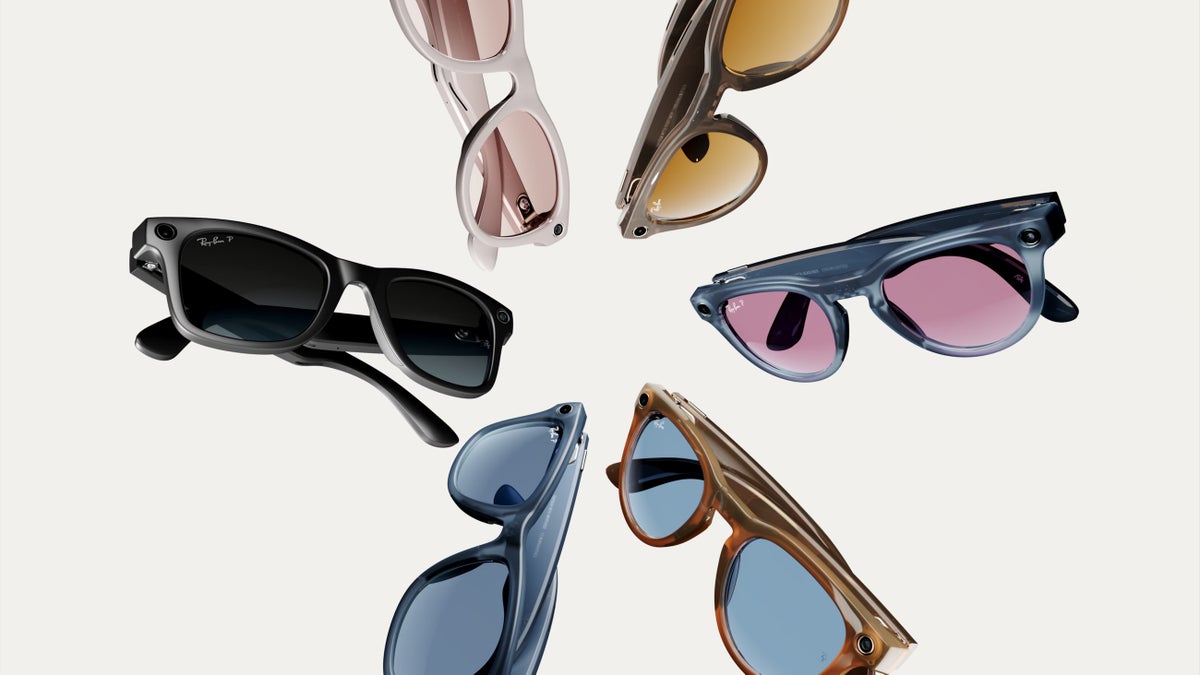
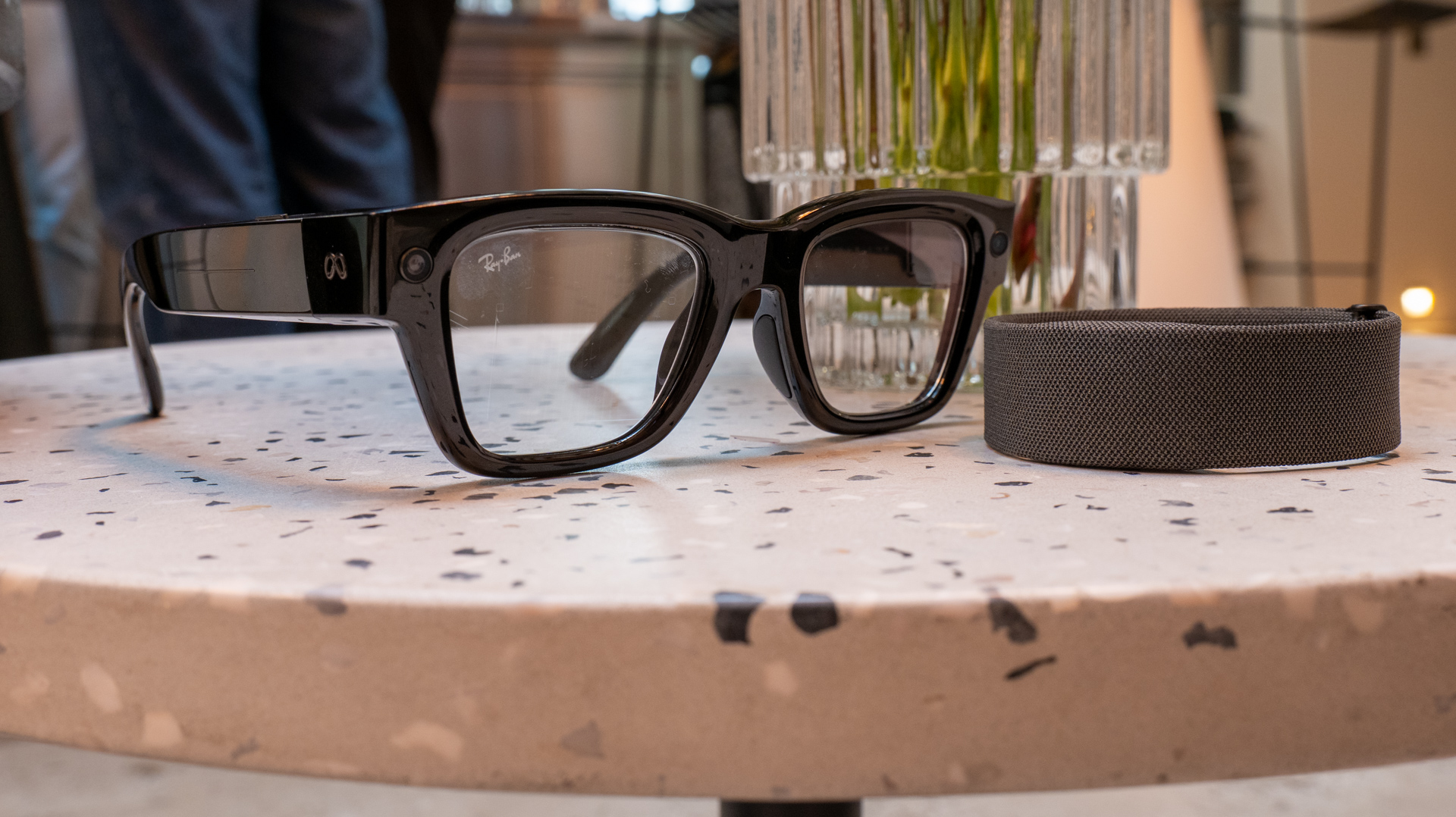
For sellers currently invested in Vision Pro ecosystem products, immediate action is required to pivot inventory and sourcing strategies. Monitor Apple's official announcements for smart glasses launch timelines (currently unconfirmed but likely 2025-2026 based on industry patterns). Simultaneously, begin researching compatible accessories for Meta Ray-Ban smart glasses (already shipping) and Microsoft HoloLens 2 (enterprise market). This diversification reduces dependency on Apple's uncertain timeline while capturing current demand in adjacent AR platforms. Sellers should also monitor supply chain intelligence from TF International Securities and similar analyst firms for early signals of smart glasses component orders, which typically precede public announcements by 6-12 months.
Questions 8
How should sellers diversify away from Vision Pro to reduce inventory risk?
Immediately pivot to Meta Ray-Ban smart glasses accessories (currently shipping with growing demand) and Microsoft HoloLens 2 enterprise accessories. Meta Ray-Ban smart glasses show 40-60% month-over-month accessory sales growth on Amazon, indicating strong market traction. Allocate 40-50% of freed-up inventory capital to Meta Ray-Ban compatible products (cases, lens protectors, charging solutions) and 30-40% to generic smart glasses accessories that work across multiple brands. Reserve 10-20% for Apple smart glasses preparation (generic cases, protective films, carrying solutions). Use AI inventory management tools to forecast demand across categories and optimize stock allocation. Liquidate remaining Vision Pro inventory through Amazon Warehouse Deals, eBay Clearance, or third-party liquidators within 60-90 days to minimize holding costs. This diversification reduces dependency on any single device ecosystem while capturing current demand in proven AR platforms.
What competitive advantages can sellers gain by moving early into smart glasses accessories?
Early movers in smart glasses accessories can establish brand authority, capture 25-35% higher market share, and build customer loyalty before mainstream competition arrives. Specific advantages: (1) Establish category leadership—first sellers to rank for 'smart glasses accessories' keywords typically maintain top positions for 12+ months; (2) Build supplier relationships—early orders secure better pricing and exclusive designs from manufacturers; (3) Develop customer reviews—accessories launched 6+ months before device mainstream adoption accumulate 100-500 reviews, creating trust barriers for competitors; (4) Optimize listings—early sellers refine product descriptions, images, and keywords based on customer feedback, improving conversion rates by 20-30%. Use AI-powered competitive intelligence tools to monitor competitor listings, pricing, and review velocity. Sellers who establish 5-10 smart glasses accessory SKUs by Q2 2025 can expect 40-60% higher revenue than Q3 2025 entrants due to first-mover advantage and accumulated social proof.