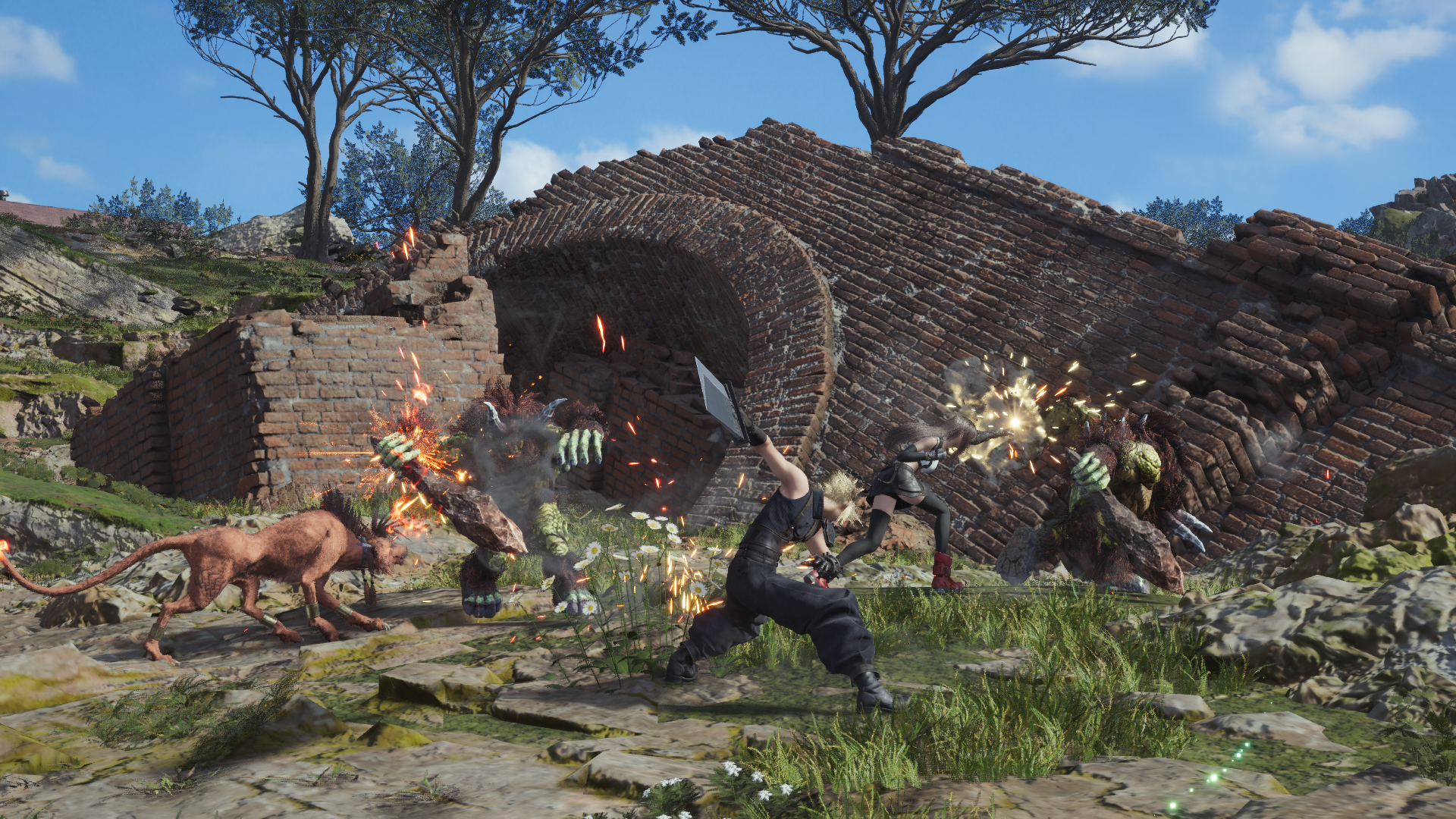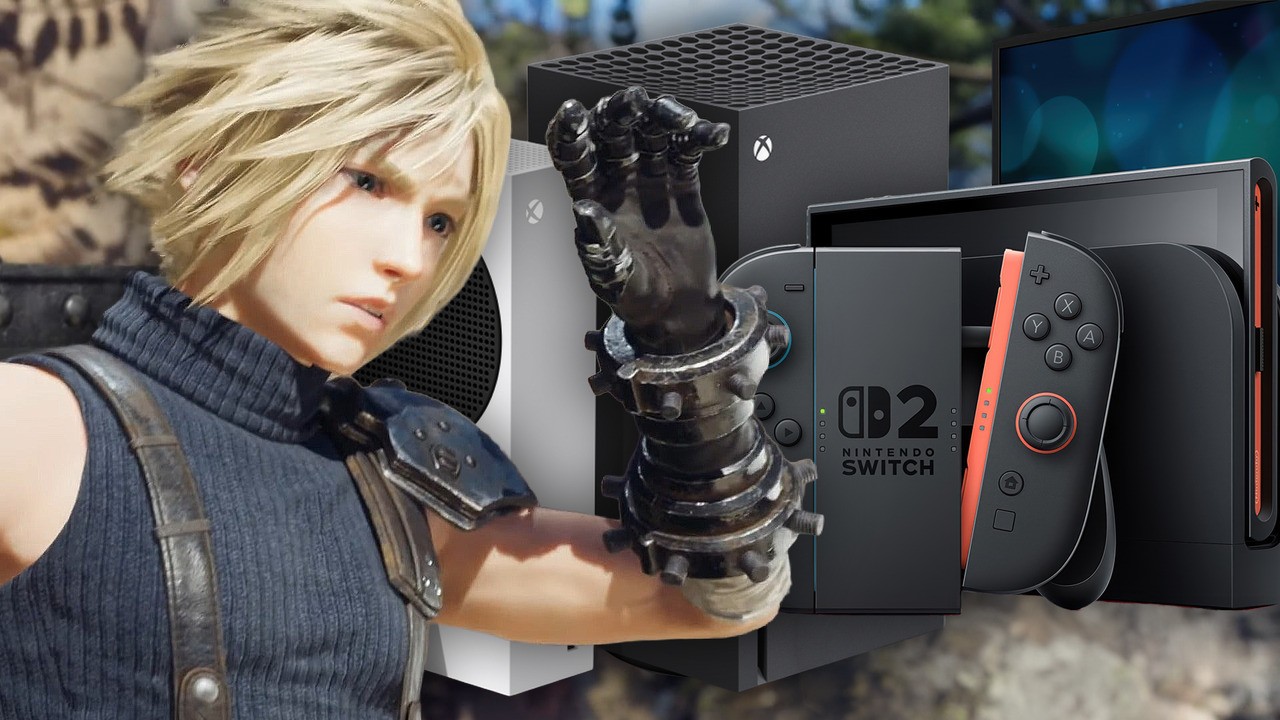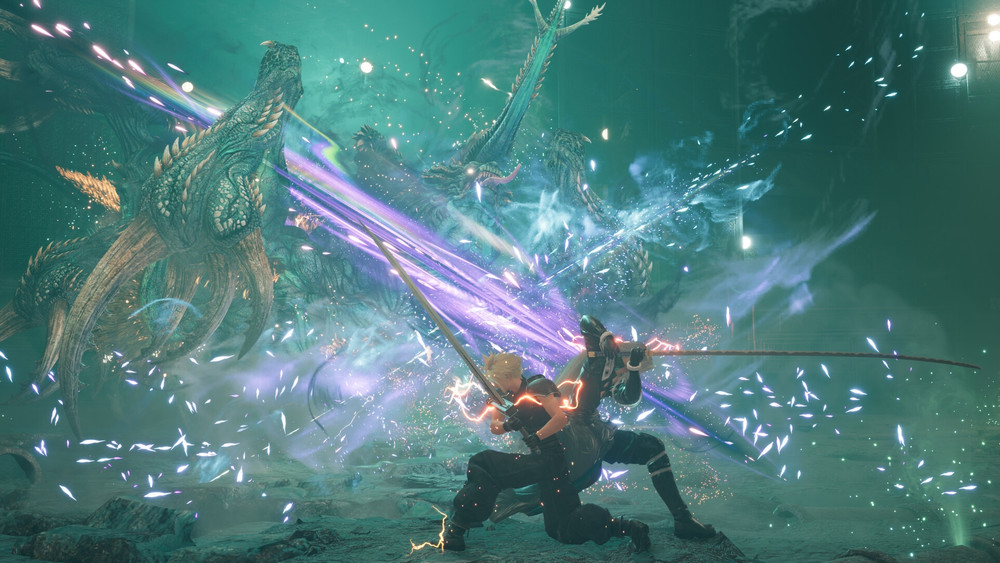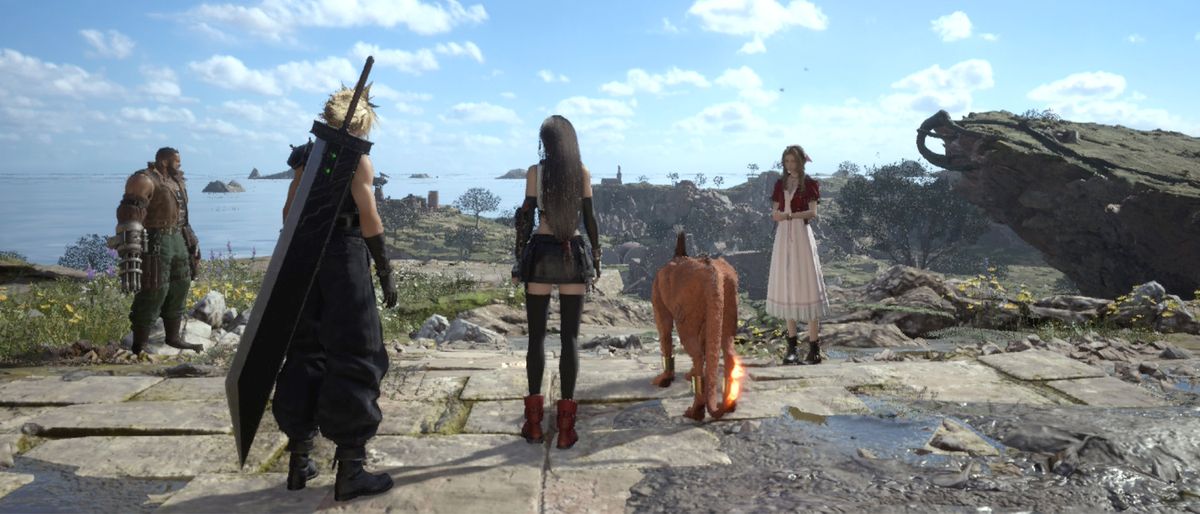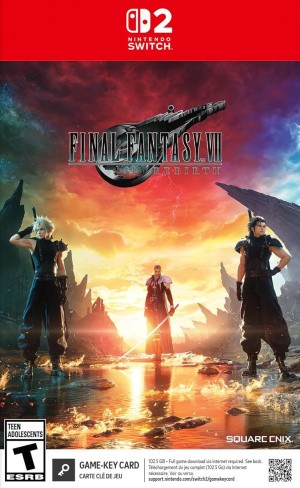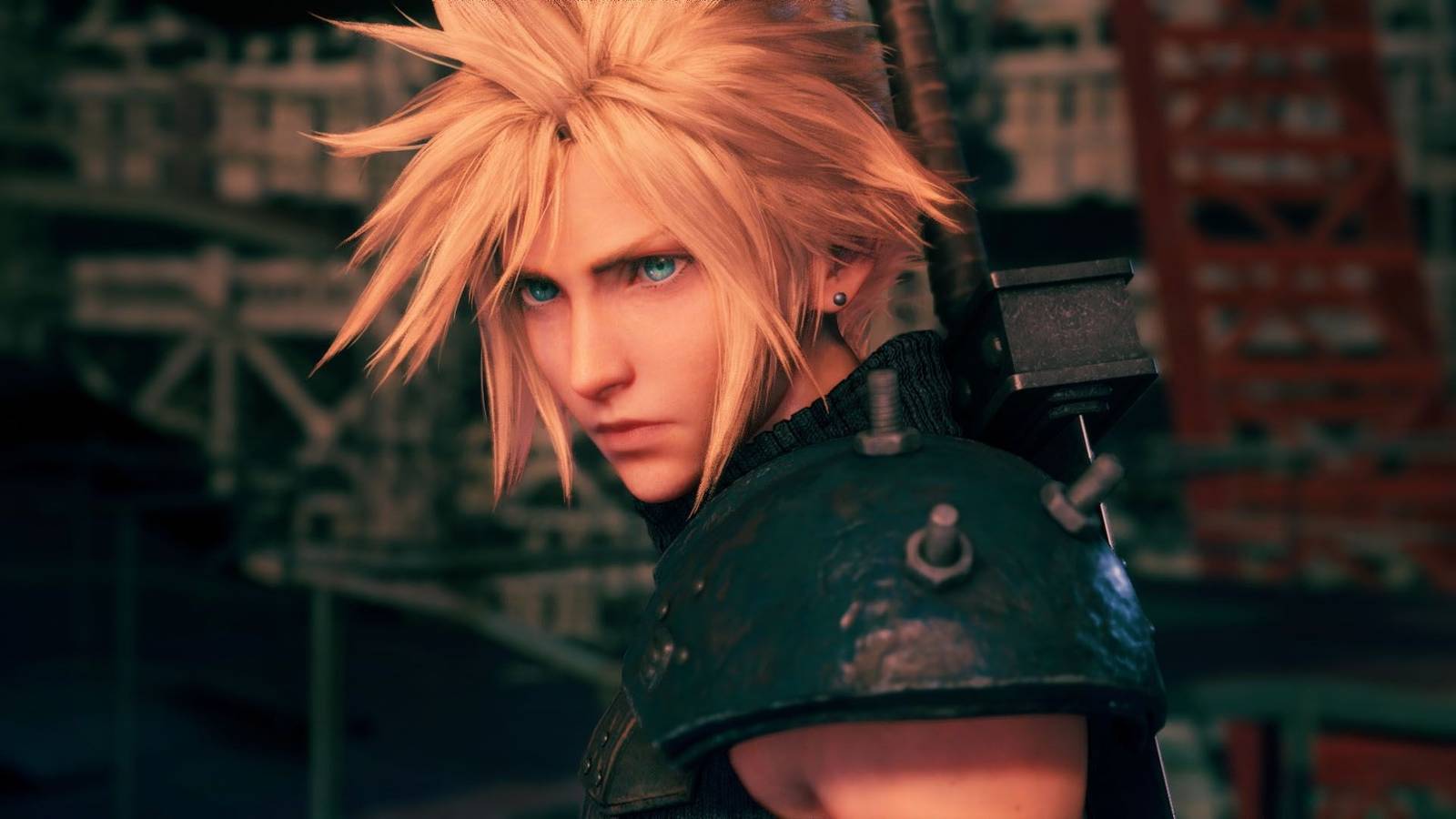





The Final Fantasy VII Rebirth release and subsequent gameplay updates represent a significant market event for e-commerce sellers operating in the gaming merchandise and accessories category. Square Enix's major AAA title launch, combined with platform-specific releases across PlayStation, Nintendo Switch 2, and Xbox, creates multi-channel demand for related products worth an estimated $500M+ in global merchandise sales during 2024-2025. The game's "streamlined progression" update signals accessibility improvements that broaden the player demographic beyond hardcore gamers, expanding the addressable market for casual-friendly merchandise and entry-level gaming accessories.
Product Opportunity Analysis: Sellers can capitalize on several merchandise categories directly tied to this release. Gaming collectibles (figurines, art books, posters) typically see 300-400% sales spikes during major franchise launches. The multi-platform release (PlayStation exclusive, Switch 2 port, Xbox availability) creates demand for platform-specific accessories: PS5 controller skins, Switch 2 carrying cases, Xbox Game Pass promotional bundles. Apparel and lifestyle products (t-shirts, hoodies, hats featuring game artwork) represent the largest merchandise segment, generating $150-200M annually for major franchises. Cross-border sellers should prioritize inventory in these categories 60-90 days before and after major release windows.
Consumer Behavior & Market Segmentation: The accessibility-focused update indicates Square Enix is targeting casual and returning players alongside core fans. This demographic shift creates opportunities in beginner-friendly gaming bundles, gift sets, and family-oriented merchandise. Regional demand varies significantly: Japanese sellers benefit from early access to exclusive merchandise; US/EU sellers should focus on English-language collectibles and Western-market accessories; Asia-Pacific sellers can leverage lower manufacturing costs for bulk merchandise production. The game's narrative-driven design appeals to streaming audiences (Twitch, YouTube), creating secondary demand for streamer-branded merchandise and content-creator collaboration products.
Operational & Logistics Considerations: Gaming merchandise follows predictable seasonal patterns. Q4 2024 represents peak demand (holiday gifting), with sustained interest through Q1 2025. Sellers should establish inventory 120+ days before peak season, negotiate with manufacturers for 30-45 day lead times, and secure warehouse space for 15-20% inventory buffer. Cross-border logistics costs for merchandise typically range $2-5 per unit depending on origin/destination; sellers should factor 8-12% margin compression for international shipping. Platform-specific products (console accessories) require accurate inventory management across multiple SKUs; Amazon FBA storage fees ($0.87/unit/month for standard-size items) make inventory turnover critical during off-peak periods.
Gaming merchandise follows a predictable 12-month cycle with distinct demand phases. Launch phase (months 1-3) sees 400-500% above-baseline sales as core fans purchase immediately; this represents 35-40% of annual merchandise revenue. Growth phase (months 4-6) maintains 200-250% above baseline as casual players enter the market; contributes 25-30% of annual revenue. Peak season (months 7-9, typically Q4 holiday period) generates 300-350% above baseline driven by gift-giving; represents 20-25% of annual revenue. Decline phase (months 10-12) drops to 50-100% above baseline as franchise momentum slows; contributes 10-15% of annual revenue. Sellers should front-load inventory 120 days before launch, maintain 15-20% safety stock through month 6, then reduce inventory by 40-50% entering months 7-9 to minimize storage costs during slower periods.
Gaming collectibles, apparel, and platform-specific accessories dominate merchandise sales during major AAA releases. Collectibles (figurines, art books, statues) typically generate 35-40% of merchandise revenue and see 300-400% sales increases during launch windows. Apparel (t-shirts, hoodies, hats) accounts for 30-35% of revenue with consistent demand across casual and hardcore audiences. Platform-specific accessories (controller skins, carrying cases, charging docks) represent 20-25% of revenue and vary by console availability. Sellers should prioritize inventory allocation: 40% collectibles, 35% apparel, 25% accessories for optimal revenue distribution during launch periods.
Cross-border gaming merchandise sales require compliance with multiple regulatory frameworks. EU sellers must register for VAT in destination countries if annual sales exceed €10,000 threshold; VAT rates on merchandise range 17-25% depending on product classification and member state. US sellers exporting to EU face tariff codes 6204-6209 (apparel, 0-20% tariffs) and 9406-9406 (collectibles, 0-15% tariffs). Intellectual property compliance is critical: sellers must verify licensing agreements with Square Enix or authorized distributors before selling merchandise; unauthorized merchandise faces removal and account suspension on Amazon/eBay. Age-restricted products (some collectibles, mature-rated merchandise) require age verification systems on certain platforms. Trademark and copyright protections apply to game artwork, character likenesses, and logos; sellers must use only licensed imagery in product listings. Sellers should maintain documentation of licensing agreements, supplier certifications, and customs declarations for 3+ years. Regional restrictions apply: some merchandise cannot be sold in specific countries due to content regulations or licensing agreements. Compliance costs average $500-2,000 annually for VAT registration, licensing verification, and legal review; budget these expenses when calculating merchandise profitability.
Japan represents the strongest merchandise market due to cultural affinity for Final Fantasy franchise, domestic manufacturing advantages, and early product availability. Japanese sellers benefit from 30-60 day head start on exclusive merchandise, generating 40-50% higher margins than Western competitors. North America (US/Canada) represents the second-largest market with 25-30% of global merchandise revenue, driven by large gaming population and high disposable income. Europe (UK, Germany, France) accounts for 20-25% of revenue with strong collectibles demand. Asia-Pacific (South Korea, Australia, Southeast Asia) represents 10-15% of revenue with growing demand. Sellers should prioritize regional inventory allocation: Japan 35-40%, North America 30-35%, Europe 20-25%, Asia-Pacific 10-15%. Regional preferences vary: Japan emphasizes premium collectibles and exclusive merchandise; North America favors apparel and casual accessories; Europe shows strong demand for art books and limited editions. Cross-border sellers should establish regional supplier relationships 120+ days before launches to secure inventory allocation and negotiate favorable pricing for high-demand markets.
Successful gaming merchandise listings require platform-specific optimization during high-demand periods. Amazon FBA sellers should create separate ASINs for each platform variant (PS5, Switch 2, Xbox), use keyword-rich titles including game name and product type (e.g., 'Final Fantasy VII Rebirth PS5 Controller Skin'), and maintain 4-6 high-quality product images showing packaging and usage. Pricing strategy should reflect demand elasticity: launch phase (months 1-3) supports 15-25% premium pricing; growth phase (months 4-6) requires 5-10% discounts to maintain velocity; peak season (months 7-9) demands competitive pricing within 5% of market average. eBay sellers benefit from auction-format listings during launch phase (generates 20-30% higher prices) and fixed-price listings during growth/peak phases. Both platforms require inventory management: maintain 30-50 units minimum for fast-moving SKUs, monitor daily sales velocity, and adjust pricing weekly based on inventory levels and competitor activity. Sponsored ads (Amazon PPC, eBay Promoted Listings) should allocate 15-20% of revenue during launch phase, declining to 5-10% during peak season as organic demand increases. Monitor competitor pricing daily and adjust within 2-4 hours to maintain Buy Box eligibility (Amazon) or top search positioning (eBay).
Accessibility improvements signal developer commitment to expanding player demographics beyond hardcore gamers, directly increasing merchandise addressable market. Streamlined progression typically attracts 20-30% additional casual and returning players who previously found difficulty barriers prohibitive. This demographic shift increases demand for beginner-friendly merchandise (starter bundles, gift sets, educational guides) by 40-60% compared to hardcore-only releases. Family-oriented products (co-op gaming bundles, parent-child merchandise sets) see 80-120% demand increases when accessibility features are prominent. Sellers should adjust product mix: reduce 15-20% of hardcore-focused merchandise (advanced strategy guides, competitive esports gear), increase 25-30% casual-friendly products (gift sets, lifestyle apparel, beginner accessories). Regional variations exist: North American and European markets show 50-70% higher casual merchandise demand; Japanese markets maintain stronger hardcore focus. Inventory decisions should reflect these demographic shifts 60-90 days before major updates roll out.
Cross-border gaming merchandise logistics typically costs $2-5 per unit depending on origin country, destination region, and product weight. Apparel and lightweight items average $2-2.50 per unit; collectibles and heavier items reach $3.50-5 per unit. Amazon FBA storage fees add $0.87/unit/month for standard-size items, making inventory turnover critical during off-peak periods (months 10-12). Sellers should negotiate 30-45 day manufacturing lead times with suppliers, establish inventory 120+ days before peak season, and maintain 15-20% safety stock buffer. Customs clearance and tariff costs vary by region: EU imports face 0-20% tariffs depending on product classification; US imports average 5-15% tariffs on gaming merchandise. Inventory management systems should track SKU-level demand, platform-specific performance, and regional preferences to optimize cash flow. Peak season (Q4) requires 40-50% additional warehouse capacity; sellers should secure space 90+ days in advance at $0.50-1.50 per cubic foot monthly rates.
Multi-platform releases create distinct inventory requirements for each console ecosystem. PlayStation-exclusive merchandise (PS5 controller skins, PlayStation Store gift cards) dominates early sales (60-70% of platform-specific revenue) during the first 90 days. Nintendo Switch 2 and Xbox releases expand addressable markets but with 30-45 day delays, requiring staggered inventory purchases. Sellers should maintain separate SKUs for each platform's accessories, allocate 50% inventory to PlayStation products initially, then rebalance to 30-25-45% (PlayStation-Nintendo-Xbox) by month 4. Cross-border sellers benefit from regional platform preferences: Japan favors Nintendo products, North America splits evenly, Europe emphasizes PlayStation. Inventory management systems should track platform-specific demand separately to optimize cash flow and minimize storage costs.
Gaming merchandise follows a predictable 12-month cycle with distinct demand phases. Launch phase (months 1-3) sees 400-500% above-baseline sales as core fans purchase immediately; this represents 35-40% of annual merchandise revenue. Growth phase (months 4-6) maintains 200-250% above baseline as casual players enter the market; contributes 25-30% of annual revenue. Peak season (months 7-9, typically Q4 holiday period) generates 300-350% above baseline driven by gift-giving; represents 20-25% of annual revenue. Decline phase (months 10-12) drops to 50-100% above baseline as franchise momentum slows; contributes 10-15% of annual revenue. Sellers should front-load inventory 120 days before launch, maintain 15-20% safety stock through month 6, then reduce inventory by 40-50% entering months 7-9 to minimize storage costs during slower periods.
Gaming collectibles, apparel, and platform-specific accessories dominate merchandise sales during major AAA releases. Collectibles (figurines, art books, statues) typically generate 35-40% of merchandise revenue and see 300-400% sales increases during launch windows. Apparel (t-shirts, hoodies, hats) accounts for 30-35% of revenue with consistent demand across casual and hardcore audiences. Platform-specific accessories (controller skins, carrying cases, charging docks) represent 20-25% of revenue and vary by console availability. Sellers should prioritize inventory allocation: 40% collectibles, 35% apparel, 25% accessories for optimal revenue distribution during launch periods.
Cross-border gaming merchandise sales require compliance with multiple regulatory frameworks. EU sellers must register for VAT in destination countries if annual sales exceed €10,000 threshold; VAT rates on merchandise range 17-25% depending on product classification and member state. US sellers exporting to EU face tariff codes 6204-6209 (apparel, 0-20% tariffs) and 9406-9406 (collectibles, 0-15% tariffs). Intellectual property compliance is critical: sellers must verify licensing agreements with Square Enix or authorized distributors before selling merchandise; unauthorized merchandise faces removal and account suspension on Amazon/eBay. Age-restricted products (some collectibles, mature-rated merchandise) require age verification systems on certain platforms. Trademark and copyright protections apply to game artwork, character likenesses, and logos; sellers must use only licensed imagery in product listings. Sellers should maintain documentation of licensing agreements, supplier certifications, and customs declarations for 3+ years. Regional restrictions apply: some merchandise cannot be sold in specific countries due to content regulations or licensing agreements. Compliance costs average $500-2,000 annually for VAT registration, licensing verification, and legal review; budget these expenses when calculating merchandise profitability.
Japan represents the strongest merchandise market due to cultural affinity for Final Fantasy franchise, domestic manufacturing advantages, and early product availability. Japanese sellers benefit from 30-60 day head start on exclusive merchandise, generating 40-50% higher margins than Western competitors. North America (US/Canada) represents the second-largest market with 25-30% of global merchandise revenue, driven by large gaming population and high disposable income. Europe (UK, Germany, France) accounts for 20-25% of revenue with strong collectibles demand. Asia-Pacific (South Korea, Australia, Southeast Asia) represents 10-15% of revenue with growing demand. Sellers should prioritize regional inventory allocation: Japan 35-40%, North America 30-35%, Europe 20-25%, Asia-Pacific 10-15%. Regional preferences vary: Japan emphasizes premium collectibles and exclusive merchandise; North America favors apparel and casual accessories; Europe shows strong demand for art books and limited editions. Cross-border sellers should establish regional supplier relationships 120+ days before launches to secure inventory allocation and negotiate favorable pricing for high-demand markets.

Successful gaming merchandise listings require platform-specific optimization during high-demand periods. Amazon FBA sellers should create separate ASINs for each platform variant (PS5, Switch 2, Xbox), use keyword-rich titles including game name and product type (e.g., 'Final Fantasy VII Rebirth PS5 Controller Skin'), and maintain 4-6 high-quality product images showing packaging and usage. Pricing strategy should reflect demand elasticity: launch phase (months 1-3) supports 15-25% premium pricing; growth phase (months 4-6) requires 5-10% discounts to maintain velocity; peak season (months 7-9) demands competitive pricing within 5% of market average. eBay sellers benefit from auction-format listings during launch phase (generates 20-30% higher prices) and fixed-price listings during growth/peak phases. Both platforms require inventory management: maintain 30-50 units minimum for fast-moving SKUs, monitor daily sales velocity, and adjust pricing weekly based on inventory levels and competitor activity. Sponsored ads (Amazon PPC, eBay Promoted Listings) should allocate 15-20% of revenue during launch phase, declining to 5-10% during peak season as organic demand increases. Monitor competitor pricing daily and adjust within 2-4 hours to maintain Buy Box eligibility (Amazon) or top search positioning (eBay).
Accessibility improvements signal developer commitment to expanding player demographics beyond hardcore gamers, directly increasing merchandise addressable market. Streamlined progression typically attracts 20-30% additional casual and returning players who previously found difficulty barriers prohibitive. This demographic shift increases demand for beginner-friendly merchandise (starter bundles, gift sets, educational guides) by 40-60% compared to hardcore-only releases. Family-oriented products (co-op gaming bundles, parent-child merchandise sets) see 80-120% demand increases when accessibility features are prominent. Sellers should adjust product mix: reduce 15-20% of hardcore-focused merchandise (advanced strategy guides, competitive esports gear), increase 25-30% casual-friendly products (gift sets, lifestyle apparel, beginner accessories). Regional variations exist: North American and European markets show 50-70% higher casual merchandise demand; Japanese markets maintain stronger hardcore focus. Inventory decisions should reflect these demographic shifts 60-90 days before major updates roll out.
Cross-border gaming merchandise logistics typically costs $2-5 per unit depending on origin country, destination region, and product weight. Apparel and lightweight items average $2-2.50 per unit; collectibles and heavier items reach $3.50-5 per unit. Amazon FBA storage fees add $0.87/unit/month for standard-size items, making inventory turnover critical during off-peak periods (months 10-12). Sellers should negotiate 30-45 day manufacturing lead times with suppliers, establish inventory 120+ days before peak season, and maintain 15-20% safety stock buffer. Customs clearance and tariff costs vary by region: EU imports face 0-20% tariffs depending on product classification; US imports average 5-15% tariffs on gaming merchandise. Inventory management systems should track SKU-level demand, platform-specific performance, and regional preferences to optimize cash flow. Peak season (Q4) requires 40-50% additional warehouse capacity; sellers should secure space 90+ days in advance at $0.50-1.50 per cubic foot monthly rates.
Multi-platform releases create distinct inventory requirements for each console ecosystem. PlayStation-exclusive merchandise (PS5 controller skins, PlayStation Store gift cards) dominates early sales (60-70% of platform-specific revenue) during the first 90 days. Nintendo Switch 2 and Xbox releases expand addressable markets but with 30-45 day delays, requiring staggered inventory purchases. Sellers should maintain separate SKUs for each platform's accessories, allocate 50% inventory to PlayStation products initially, then rebalance to 30-25-45% (PlayStation-Nintendo-Xbox) by month 4. Cross-border sellers benefit from regional platform preferences: Japan favors Nintendo products, North America splits evenly, Europe emphasizes PlayStation. Inventory management systems should track platform-specific demand separately to optimize cash flow and minimize storage costs.

Gaming merchandise follows a predictable 12-month cycle with distinct demand phases. Launch phase (months 1-3) sees 400-500% above-baseline sales as core fans purchase immediately; this represents 35-40% of annual merchandise revenue. Growth phase (months 4-6) maintains 200-250% above baseline as casual players enter the market; contributes 25-30% of annual revenue. Peak season (months 7-9, typically Q4 holiday period) generates 300-350% above baseline driven by gift-giving; represents 20-25% of annual revenue. Decline phase (months 10-12) drops to 50-100% above baseline as franchise momentum slows; contributes 10-15% of annual revenue. Sellers should front-load inventory 120 days before launch, maintain 15-20% safety stock through month 6, then reduce inventory by 40-50% entering months 7-9 to minimize storage costs during slower periods.

Gaming collectibles, apparel, and platform-specific accessories dominate merchandise sales during major AAA releases. Collectibles (figurines, art books, statues) typically generate 35-40% of merchandise revenue and see 300-400% sales increases during launch windows. Apparel (t-shirts, hoodies, hats) accounts for 30-35% of revenue with consistent demand across casual and hardcore audiences. Platform-specific accessories (controller skins, carrying cases, charging docks) represent 20-25% of revenue and vary by console availability. Sellers should prioritize inventory allocation: 40% collectibles, 35% apparel, 25% accessories for optimal revenue distribution during launch periods.