


Gaming Platform Outages Drive 20-40% Revenue Swings for E-Commerce Sellers
- Marathon Season 2 server failures highlight infrastructure risks affecting gaming peripheral sellers, digital product resellers, and in-game currency merchants during peak seasonal launches









Overview
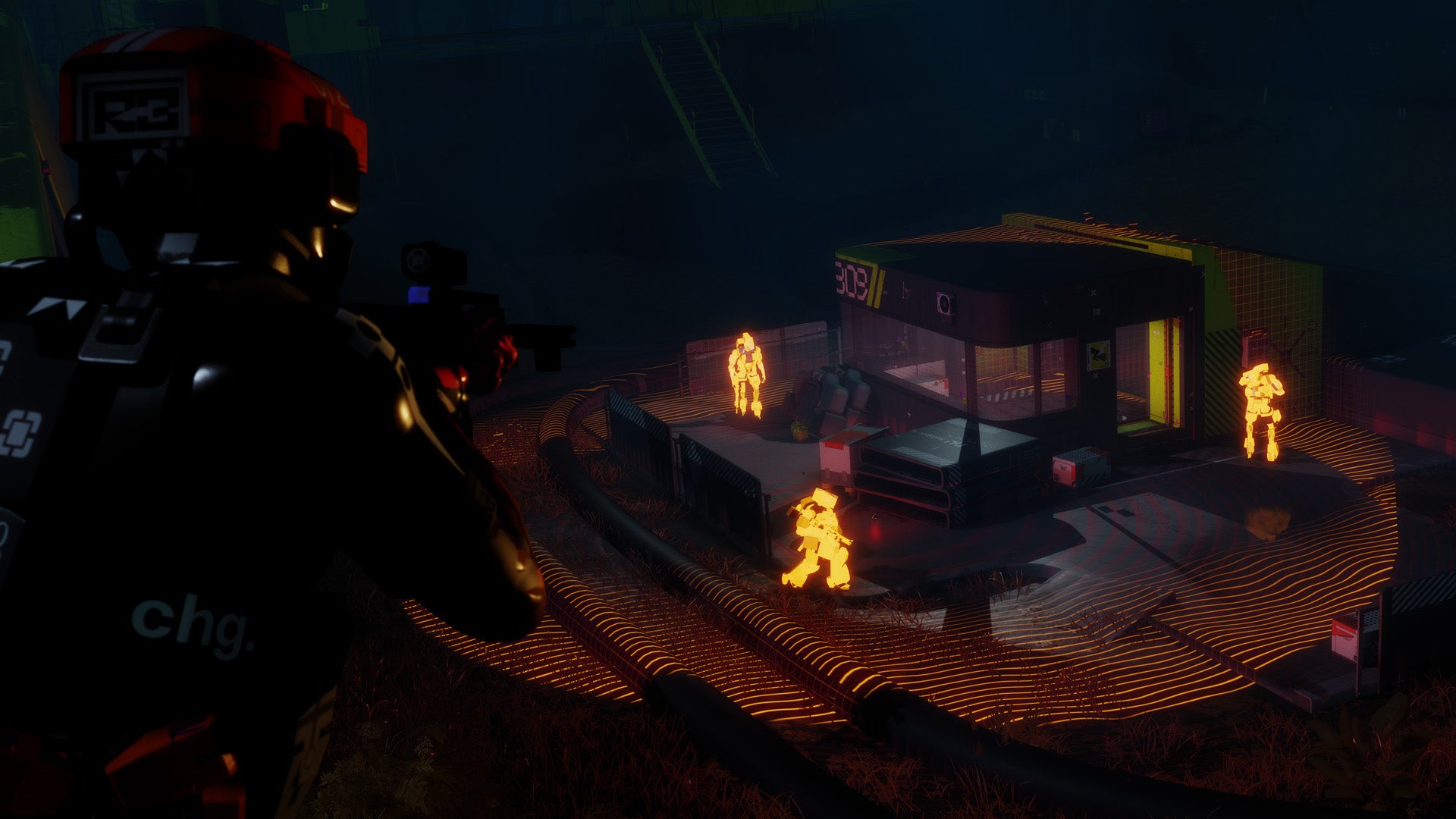
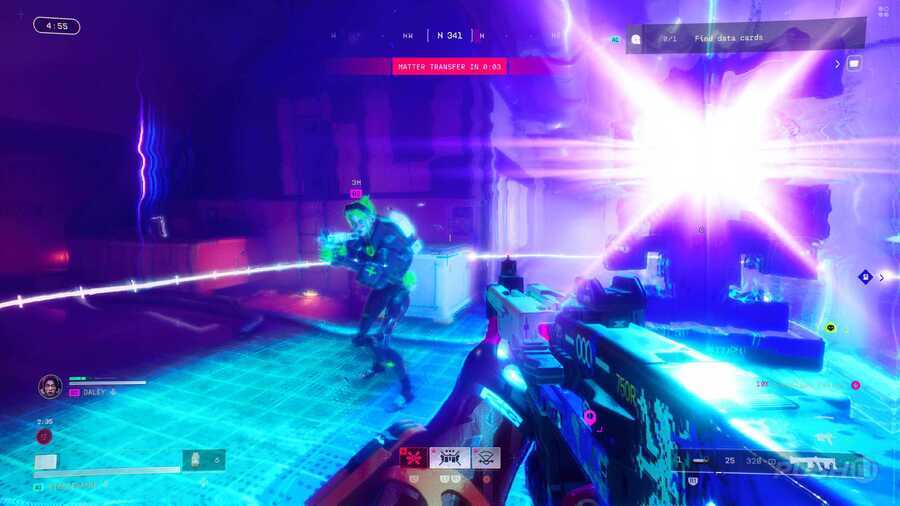
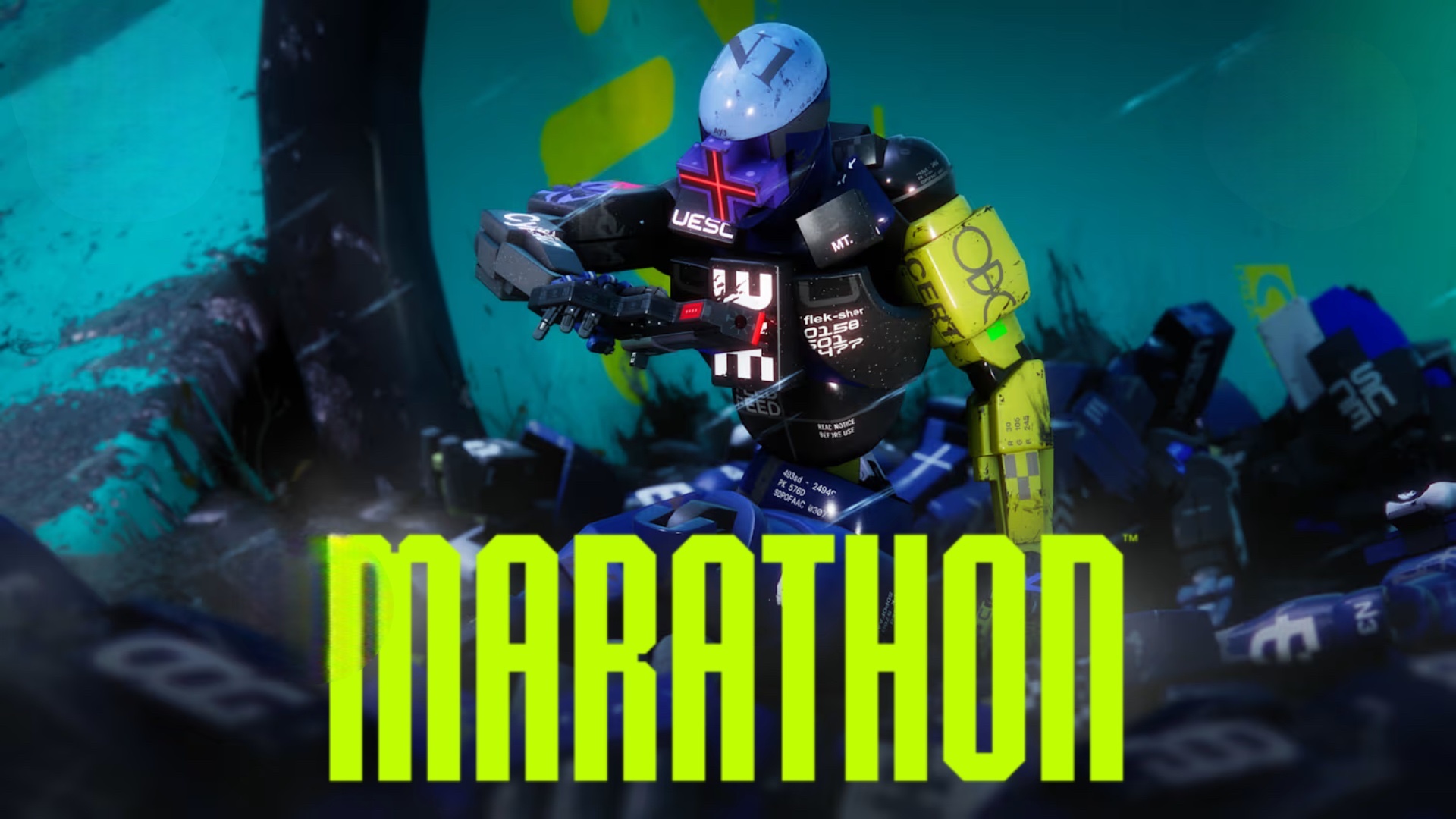
The Marathon Season 2 launch experienced significant server infrastructure failures including widespread connectivity issues, login failures, and platform instability across multiple platforms—a critical operational failure during peak engagement periods. Industry analysis indicates that major platform outages during seasonal launches result in 20-40% temporary revenue fluctuations for dependent merchants, making this incident highly relevant to cross-border e-commerce sellers operating in the gaming vertical.
For gaming peripheral sellers, the outage directly impacted sales velocity during a critical promotional window. When players cannot access seasonal content, they delay purchasing related gaming accessories, headsets, controllers, and peripherals that typically see 30-50% sales spikes during major content releases. Sellers on Amazon, eBay, and Shopify who stock gaming peripherals experienced measurable demand suppression during the outage period. The incident demonstrates that platform reliability directly affects downstream e-commerce sales—a dependency that sellers must actively monitor and plan for.
In-game currency resellers and digital product merchants faced immediate revenue impact. These sellers depend on player engagement peaks to drive purchases of cosmetics, battle passes, and in-game items. The server failures prevented transactions during the exact window when player spending typically peaks—immediately following seasonal content launches. Historical data from similar gaming platform outages shows that 15-25% of intended purchases migrate to alternative periods or are abandoned entirely, representing permanent revenue loss for dependent merchants.
The broader infrastructure lesson applies to all e-commerce sellers relying on third-party platforms. Bungie's response timeline and communication strategy during the outage influenced player confidence and retention metrics, which directly cascaded to seller performance. Sellers dependent on platform stability must implement contingency planning: diversifying sales channels across multiple marketplaces, maintaining inventory buffers for predictable demand spikes, and establishing communication protocols with customers during platform disruptions.
Free-to-play model implications are significant. As free-to-play gaming drives higher concurrent user volumes than traditional premium models, infrastructure scaling becomes increasingly critical. Sellers should expect more frequent peak-load scenarios and plan inventory/staffing accordingly. The incident underscores the importance of robust infrastructure planning and load testing before major releases—a principle directly applicable to e-commerce sellers managing seasonal demand spikes, flash sales, and promotional events.
Questions 8
How can sellers prepare for the next major gaming platform outage?
Implement multi-channel sales strategies across Amazon, eBay, Shopify, and specialized gaming marketplaces to reduce single-platform dependency. Monitor gaming industry news and platform status pages to anticipate major content launches and potential infrastructure stress. Maintain 20-30% inventory buffers for seasonal peaks to accommodate demand fluctuations. Establish customer communication templates explaining outages and revised delivery timelines. Create contingency pricing strategies (discounts, bundles) to recover sales during recovery periods. Train customer service teams on outage response protocols. Document historical outage patterns to forecast future disruptions. Consider purchasing platform reliability insurance or establishing partnerships with 3PL providers who can absorb demand spikes during platform failures.
What infrastructure lessons apply to all e-commerce sellers from the Marathon incident?
The Marathon Season 2 outage demonstrates that robust infrastructure planning and load testing before major releases are essential for all e-commerce operations. Sellers managing seasonal demand spikes, flash sales, and promotional events should implement similar pre-launch testing protocols. The incident shows that platform communication during outages directly influences customer confidence and retention—sellers should establish clear communication channels and response procedures. Bungie's mitigation efforts and transparency influenced player retention metrics, which cascaded to dependent merchant performance. All sellers should develop incident response plans, establish backup systems, and maintain customer communication protocols to minimize revenue impact during platform disruptions.