




Middle East Geopolitical Crisis | Supply Chain Risk & Market Disruption for Cross-Border Sellers
- Israel-Lebanon conflict displaces 1M+ residents, threatens logistics routes and market access across Middle East region; sellers face supply chain delays, customs complications, and reduced consumer purchasing power in affected markets










Overview
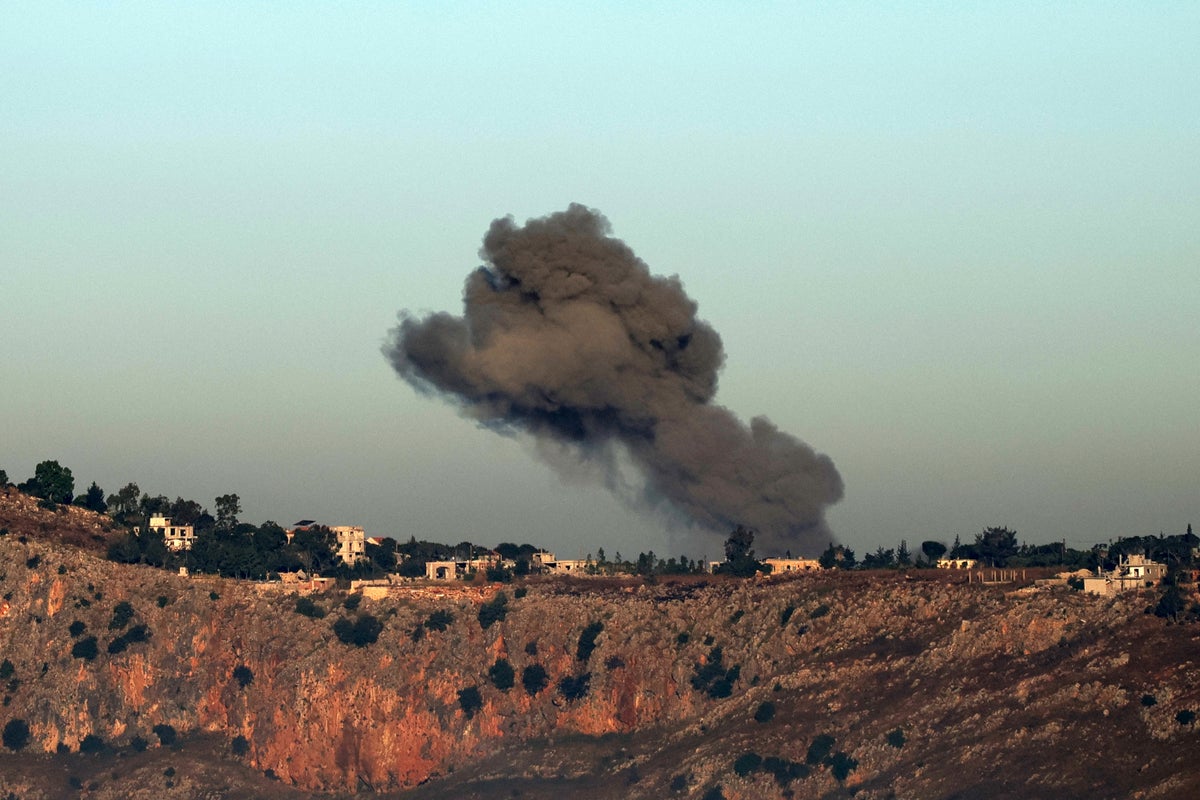
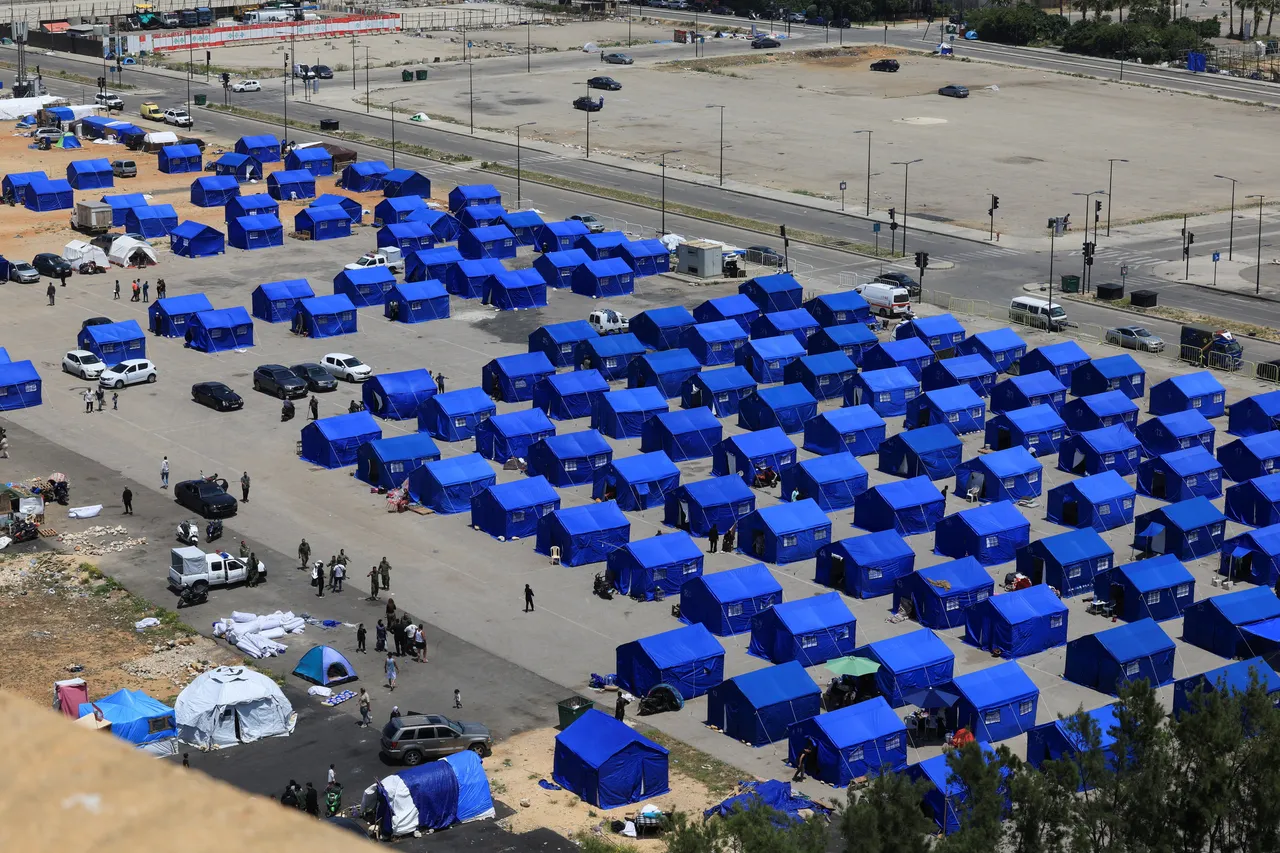
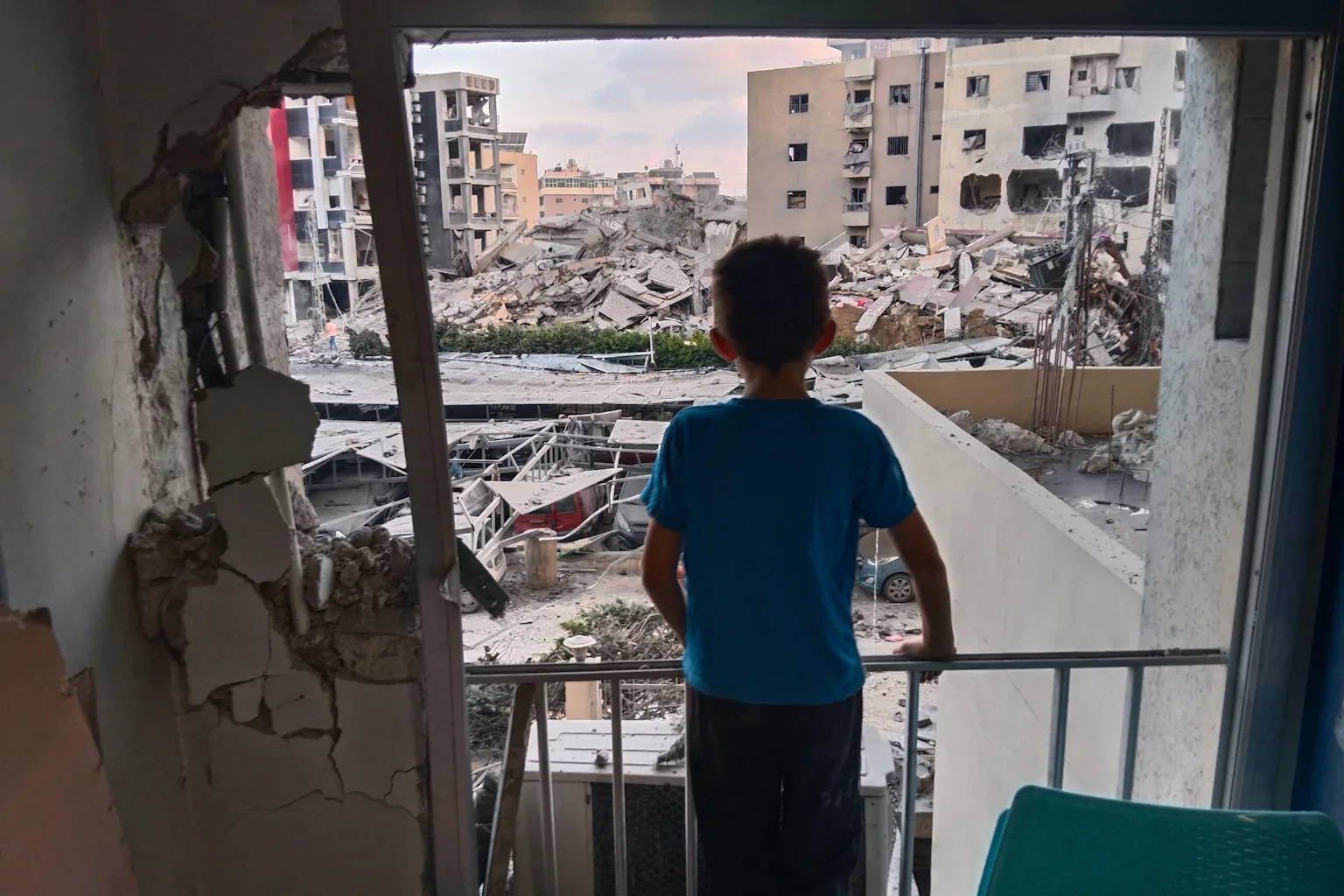
The ongoing Israel-Lebanon military conflict, despite a fragile ceasefire agreement announced in June 2026, represents a critical supply chain and market access risk for cross-border e-commerce sellers operating in or shipping to the Middle East region. The conflict has displaced over 1 million Lebanese residents since March 2026, with Israeli Defence Minister Israel Katz confirming military operations will continue despite ceasefire terms, creating sustained uncertainty around logistics infrastructure, customs processing, and consumer demand in Lebanon, Israel, and neighboring markets including Kuwait and Bahrain.
Supply Chain & Logistics Impact: The displacement of 1M+ Lebanese residents directly disrupts regional distribution networks and 3PL operations. Sellers relying on Middle East fulfillment hubs or shipping through Lebanese ports face extended transit times, increased insurance costs (typically 15-25% premium during conflict zones), and customs clearance delays. The conflict's spillover into Kuwait and Bahrain (mentioned Iranian attacks) signals broader regional instability affecting shipping corridors. Sellers should immediately audit their supply chain dependencies: identify inventory stored in Lebanon, Israel, or transit through regional ports; evaluate alternative routing through UAE, Saudi Arabia, or Egypt; and budget for 20-30% increased logistics costs during the conflict period.
Market Access & Consumer Demand Contraction: The humanitarian crisis—9,500+ Palestinians missing in Gaza, 4,700+ women and children unaccounted for—signals severe economic disruption across the region. Consumer purchasing power in Lebanon, Palestine, and Gaza has collapsed due to displacement and economic instability. Sellers targeting these markets should expect 40-60% demand reduction in discretionary categories (electronics, apparel, home goods) while essential categories (food, medical supplies, hygiene products) may see temporary spikes. The ceasefire's fragility (an earlier April ceasefire failed) means market reopening timelines remain uncertain—sellers should avoid aggressive inventory builds for these markets until stability indicators improve.
Regulatory & Compliance Complications: The ongoing military operations create customs and regulatory uncertainty. Shipments to Lebanon face potential delays or rerouting due to port congestion and security screening. Sellers must verify that their 3PL providers maintain active operations in the region and have contingency plans. Additionally, humanitarian concerns may trigger platform policy changes: Amazon, eBay, and Shopify could implement restrictions on certain product categories (military equipment, dual-use technology) or require additional compliance documentation for Middle East shipments, similar to sanctions-related policies.
Strategic Positioning for Sellers: This crisis creates a 3-6 month window of elevated risk. Sellers with existing Middle East operations should: (1) diversify fulfillment away from conflict zones; (2) shift marketing focus to stable markets (UAE, Saudi Arabia, Egypt); (3) monitor ceasefire developments for market reopening signals; (4) prepare for potential platform policy updates on Middle East shipping. Sellers not currently in the region should delay market entry until geopolitical stability improves, likely Q4 2026 or later.
Questions 7
What are the financial implications of the conflict for sellers with existing Middle East operations?
Sellers face multiple cost pressures: (1) Logistics—20-30% increase in shipping costs due to insurance premiums (15-25% surcharge), rerouting fees, and extended transit times; (2) Inventory holding—increased storage costs if goods are stuck in customs or rerouted warehouses; (3) Demand contraction—40-60% revenue reduction in discretionary categories due to consumer displacement and economic collapse; (4) Compliance—potential costs for additional documentation, sanctions screening, or policy compliance. A seller with $100K monthly revenue in the region could face $20-30K additional logistics costs plus $40-60K revenue loss, totaling $60-90K monthly impact. Mitigation: shift to essential categories, diversify fulfillment, and consider temporary market exit until stability improves.
Should sellers pause market entry into Middle East regions during this crisis?
Yes, sellers should delay new market entry into Lebanon, Israel, Gaza, and Palestine until geopolitical stability improves, likely Q4 2026 or later. The conflict's humanitarian severity (1M+ displaced, 9,500+ missing persons) and ceasefire fragility create unacceptable operational risk. However, stable markets like UAE, Saudi Arabia, and Egypt remain viable entry opportunities with appropriate risk management. If you're considering Middle East expansion, focus on these stable markets and avoid conflict-affected regions. Existing sellers in affected markets should prioritize supply chain diversification and demand stabilization over growth. Reassess market entry plans quarterly based on ceasefire stability indicators and platform policy developments.