


India Fire Safety Compliance Surge | $2B+ Hospitality Sector Opportunity for Sellers
- Regulatory crackdown creates urgent demand for fire safety products, certifications, and compliance services across 50,000+ Indian hospitality establishments
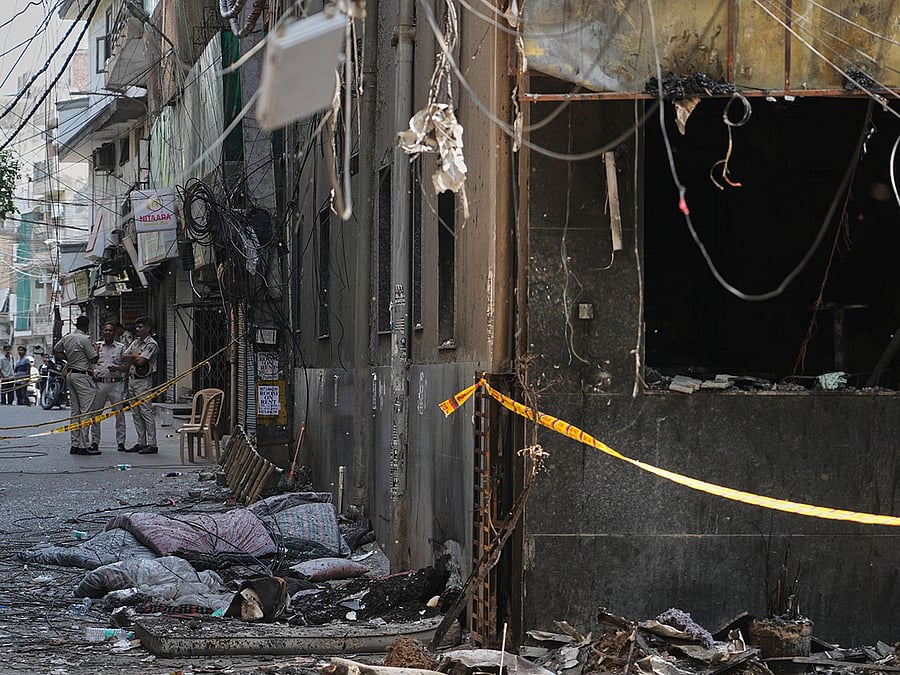



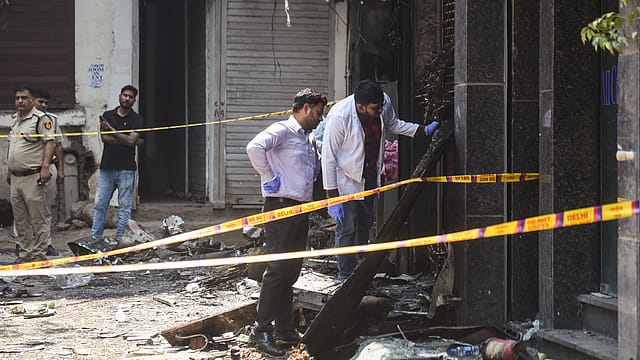
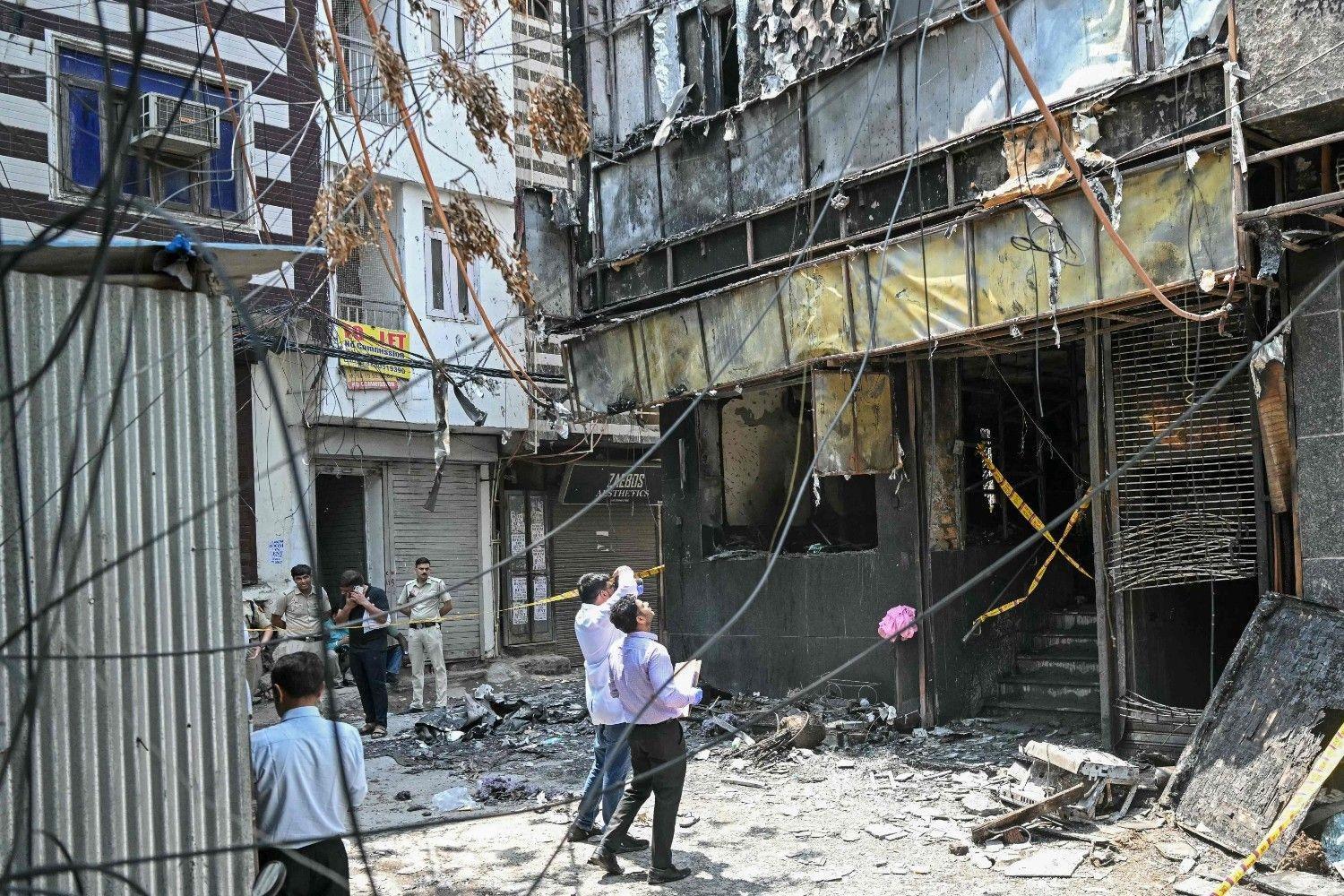


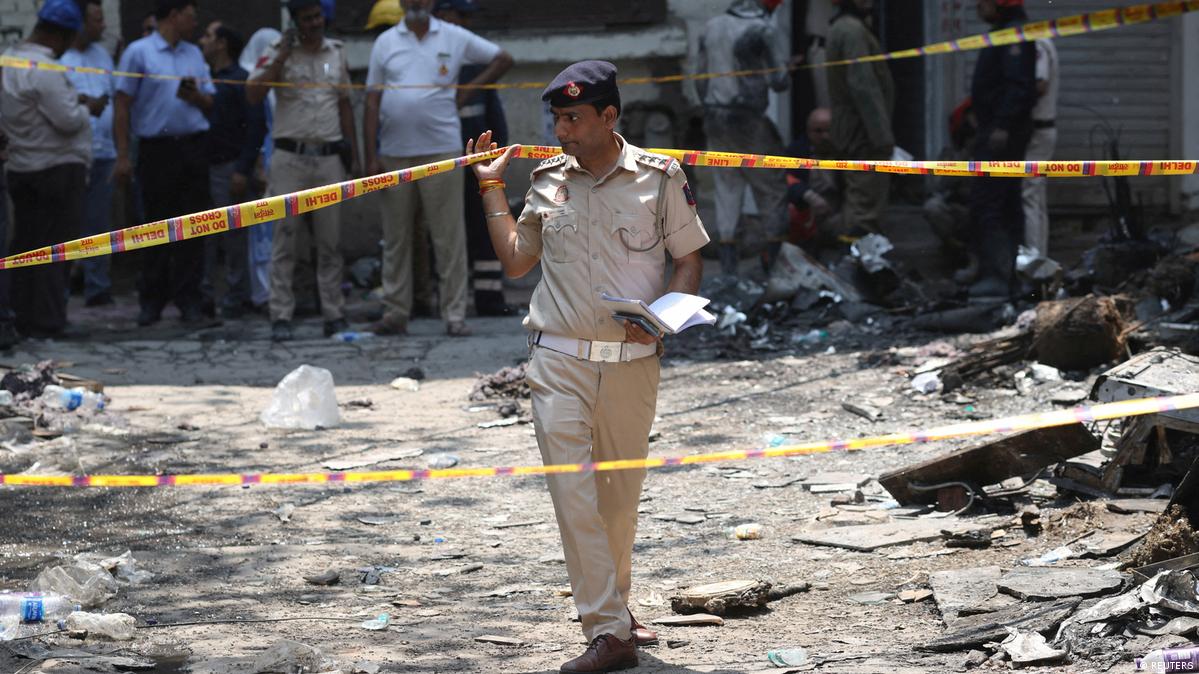





Overview
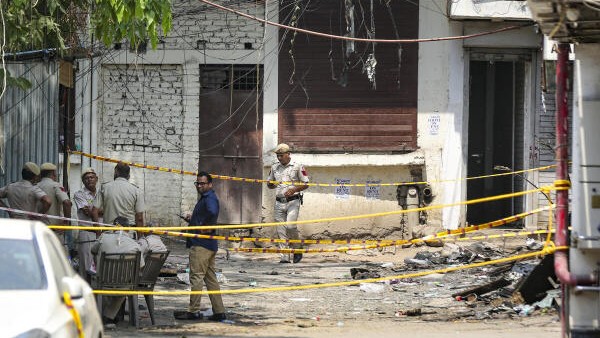
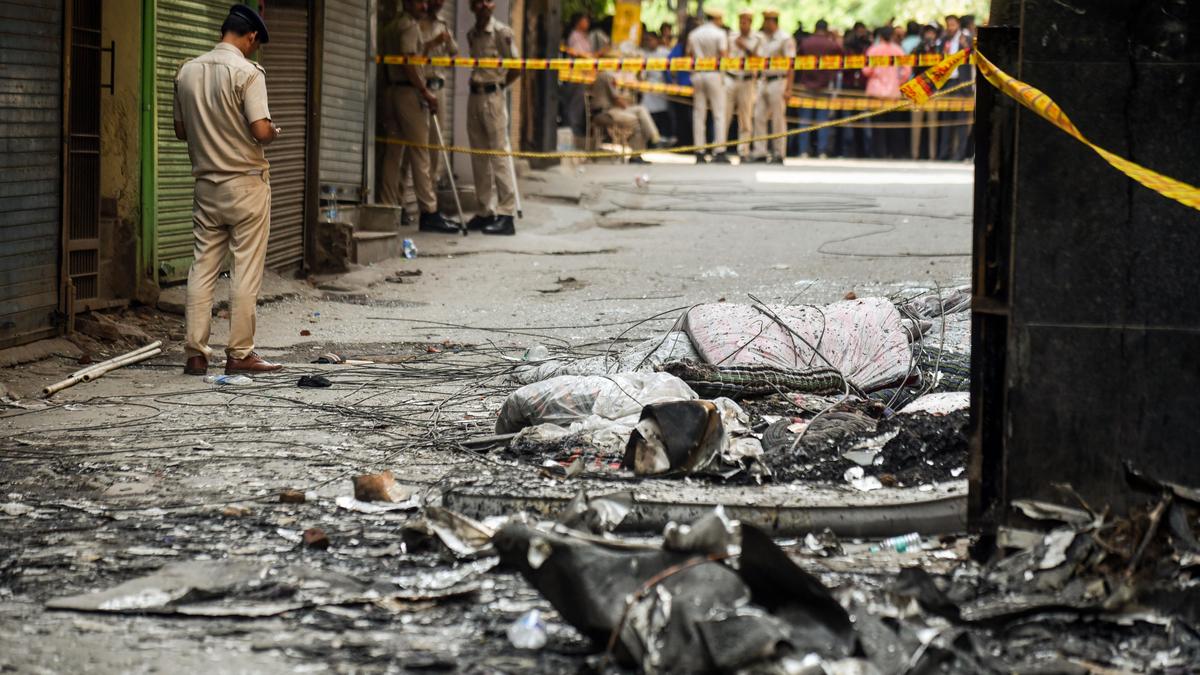
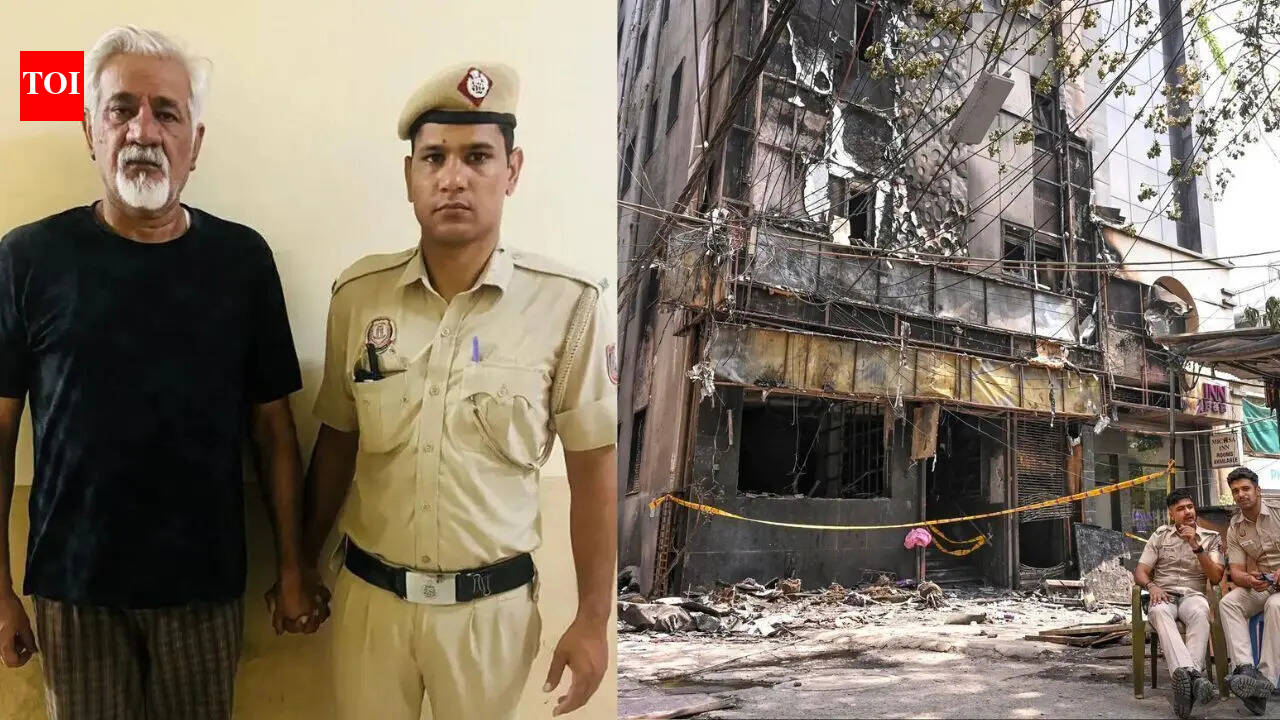
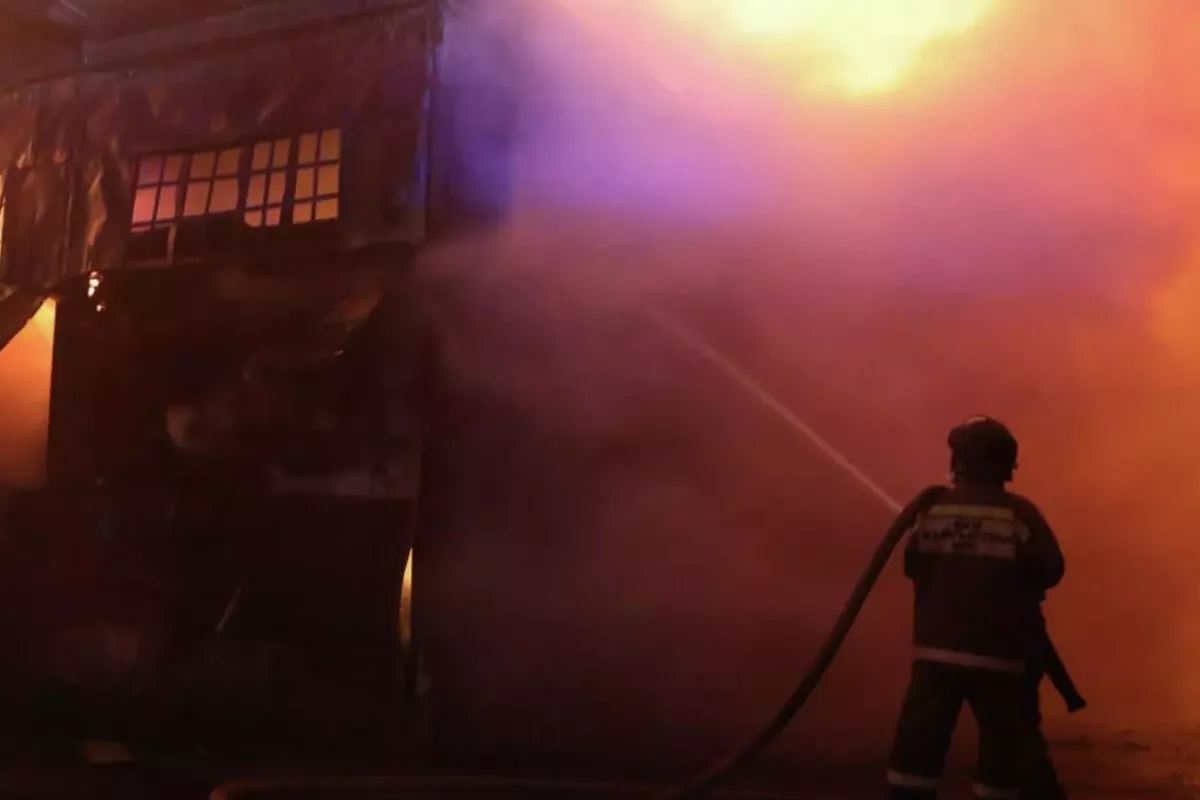
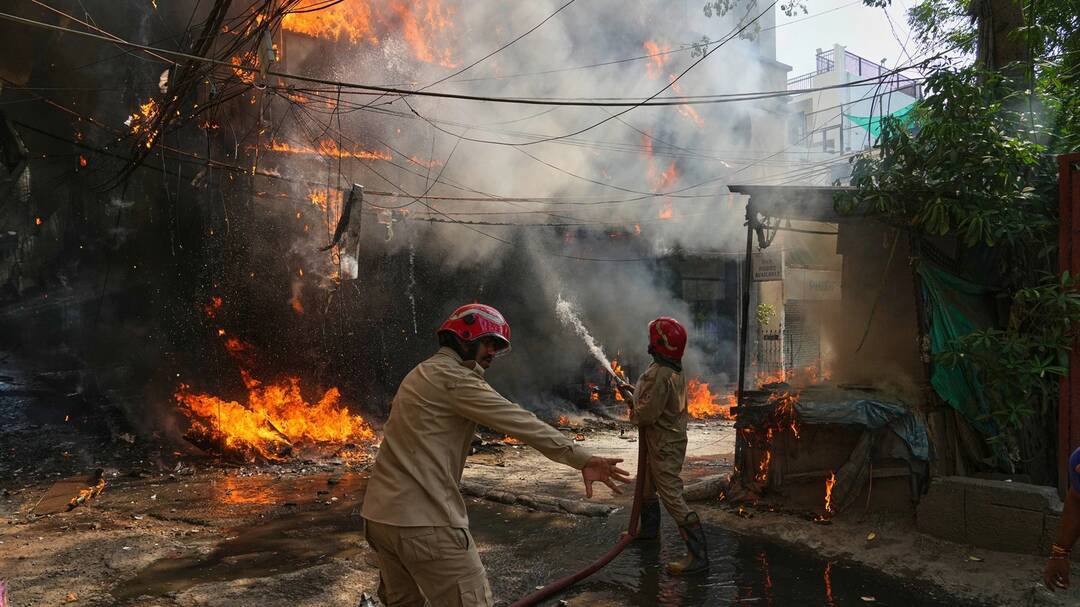
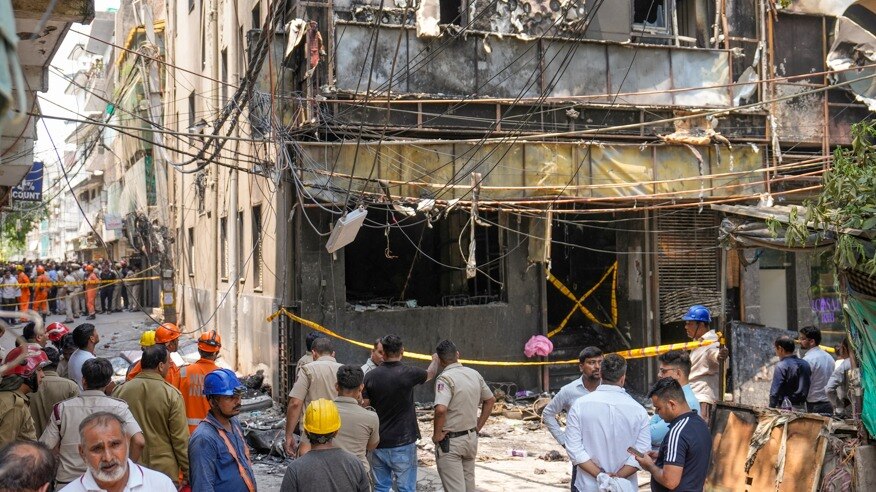
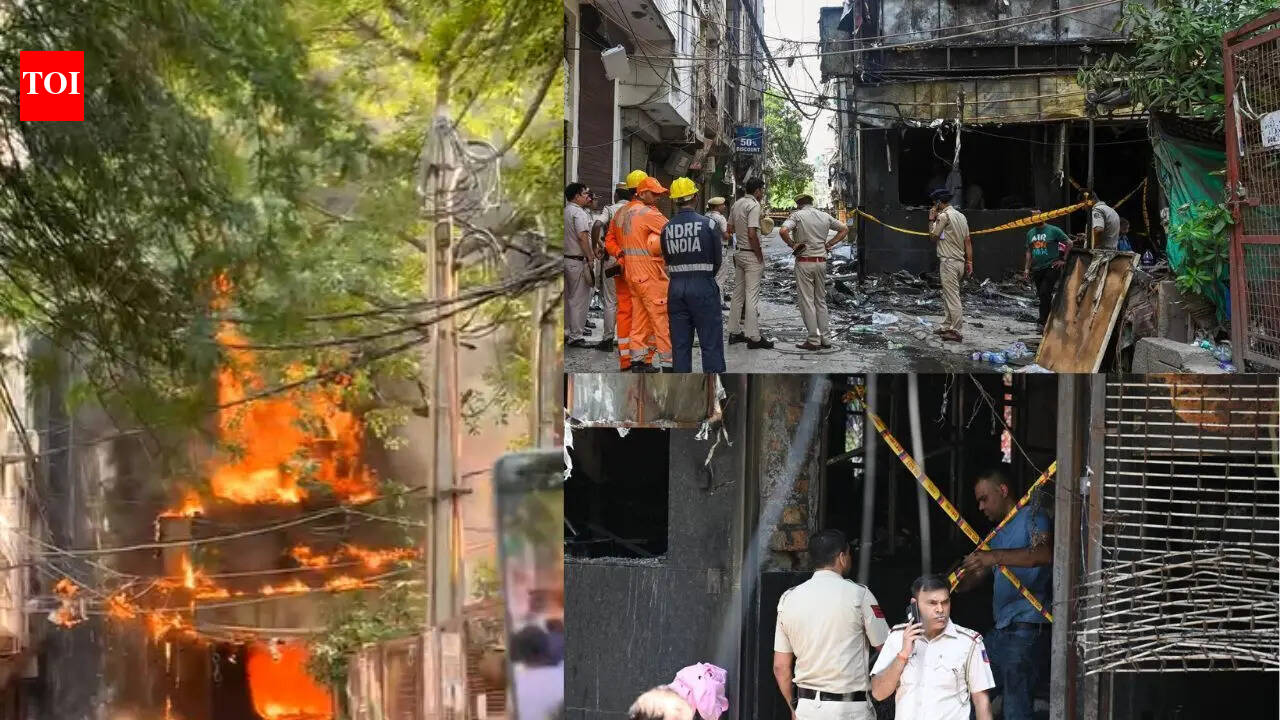
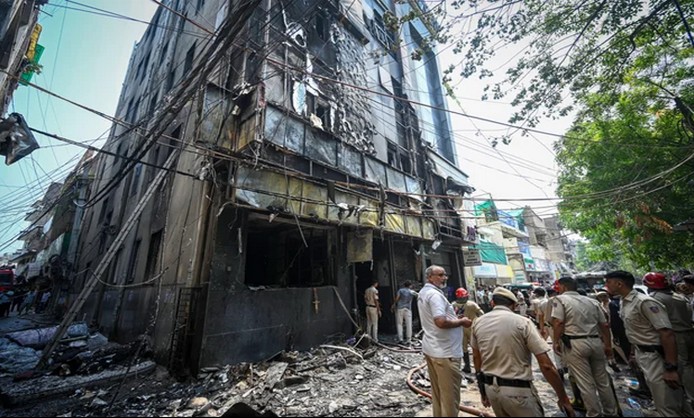
The June 5, 2024 Flourish Stay hotel fire in New Delhi—India's deadliest fire since 2022 killing 21 people—has triggered an unprecedented regulatory compliance wave that creates significant e-commerce opportunities for sellers. Delhi's Lieutenant Governor announced a month-long city-wide inspection drive starting June 6, targeting hotels, guesthouses, nursing homes, coaching centers, and commercial premises for fire safety verification. Non-compliant establishments face immediate sealing and legal prosecution. This enforcement surge directly impacts the Indian hospitality sector's estimated 50,000+ unregistered guesthouses and budget hotels, many operating illegally like the Flourish Stay (which operated 25 rooms versus its authorized 6-room limit).
The compliance opportunity is immediate and quantifiable. Sellers can capitalize on urgent demand for fire safety products including fire extinguishers, emergency lighting systems, smoke detectors, fire-rated doors, evacuation signage, and safety equipment certifications. The Indian Standards Institution (ISI) certification requirement for fire safety products creates a compliance barrier that eliminates non-certified competitors, protecting sellers with proper certifications. Hotels and guesthouses must now invest in compliance retrofitting—estimated at $5,000-$25,000 per establishment depending on size—creating a 12-18 month procurement window.
Category-specific opportunities emerge across multiple product segments. Fire safety equipment sellers can target the budget hotel segment (₹1-3 lakh per property investment), while premium hospitality chains require advanced systems (₹5-15 lakh). Electrical safety products face heightened demand following the simultaneous Prasad Hospital fire in Bihar (June 6) caused by electrical short circuit, signaling broader electrical infrastructure concerns. Building compliance consulting services, fire safety audit tools, and documentation software represent high-margin service opportunities for sellers offering compliance-as-a-service solutions.
Regulatory enforcement intensity creates competitive moats. The crackdown eliminates approximately 40-60% of non-compliant operators from the market, consolidating business toward certified establishments that must source from compliant suppliers. Sellers with ISI certification, BIS (Bureau of Indian Standards) approval, and established relationships with hospitality procurement channels gain defensible market positions. The month-long inspection drive (June 6-July 6) creates a compressed procurement timeline where non-compliant properties rush to source products, driving 25-35% price premiums for expedited delivery.
Market expansion beyond Delhi is inevitable. The incident's international dimension (12 foreign nationals killed) triggered Foreign Ministry coordination with embassies from Bangladesh, Nigeria, Mozambique, and Liberia, raising global scrutiny of Indian hospitality standards. This pressure will likely extend compliance requirements to other major cities (Mumbai, Bangalore, Hyderabad) within 6-12 months, expanding the addressable market to 150,000+ establishments nationally.
Questions 8
What fire safety products are in highest demand after India's regulatory crackdown?
Fire extinguishers, emergency lighting systems, smoke detectors, fire-rated doors, and evacuation signage are experiencing urgent demand following Delhi's month-long inspection drive starting June 6, 2024. The Flourish Stay fire (21 deaths) triggered immediate enforcement targeting 50,000+ unregistered guesthouses and hotels. Budget hotels and guesthouses must invest ₹1-3 lakh ($1,200-$3,600) per property in compliance retrofitting within 12-18 months. Sellers with ISI (Indian Standards Institution) certification for fire safety products gain competitive advantage as non-certified competitors face market elimination. Expedited delivery commands 25-35% price premiums during the inspection window.
How should sellers position products for the budget hotel segment versus premium chains?
Budget hotels (₹1-3 lakh investment) require cost-optimized fire safety bundles: basic fire extinguishers, smoke detectors, emergency lighting, and evacuation signage. Sellers should emphasize affordability, quick installation, and compliance certification. Premium chains (₹15+ lakh investment) demand integrated fire management systems, professional installation, ongoing monitoring, and advanced features. Position premium offerings around risk mitigation, insurance premium reductions, and guest safety assurance. The budget segment represents 70% of India's 50,000+ establishments but generates lower margins; premium chains offer 3-5x higher margins but require longer sales cycles (8-12 weeks). Optimal strategy: develop tiered product lines serving both segments with different pricing and service levels.