


Strait of Hormuz Blockade Triggers Global Shipping Crisis | Seller Logistics Impact 2026
- Three-month Persian Gulf closure drives 15-25% fuel surcharge increases for cross-border sellers; impacts Asia-US-EU shipping corridors affecting 500K+ e-commerce merchants












Overview
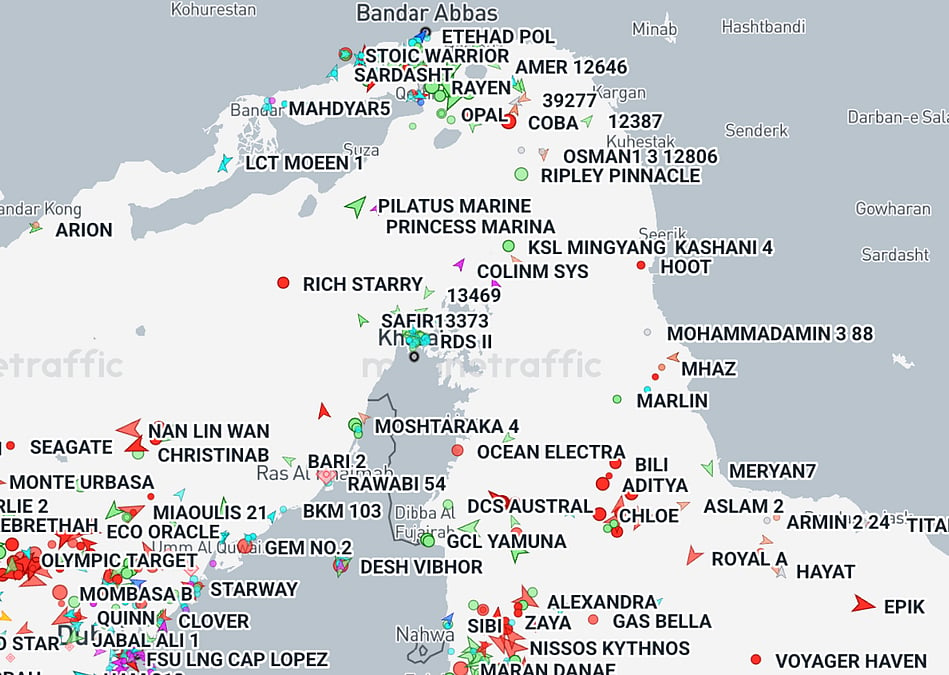
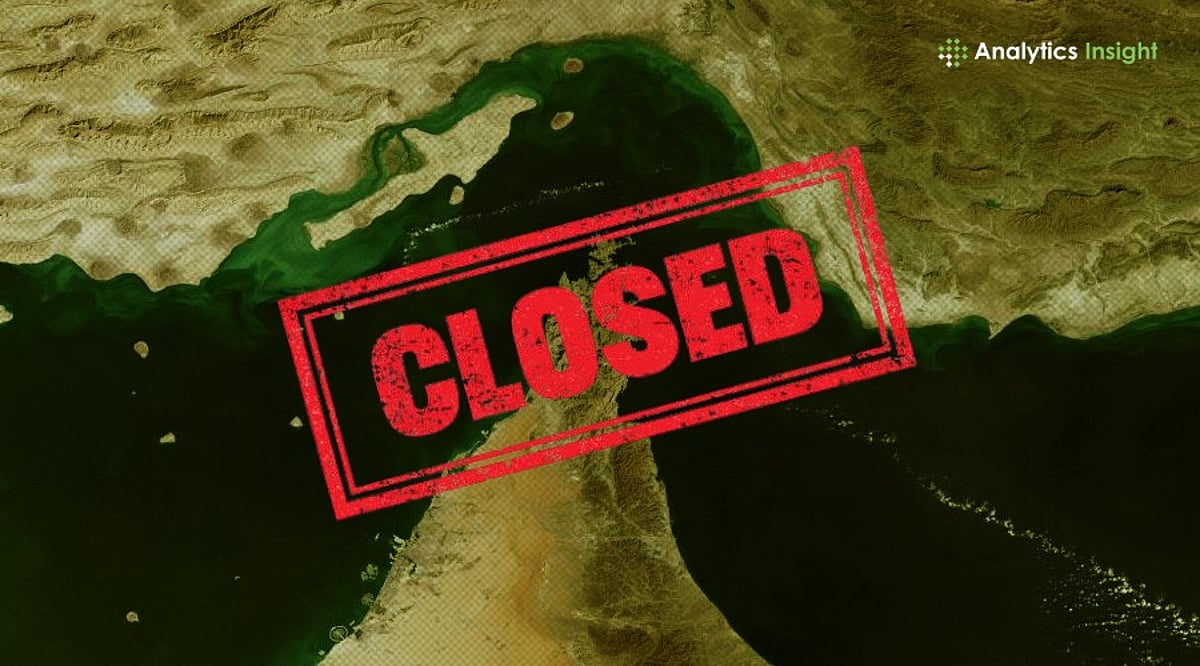
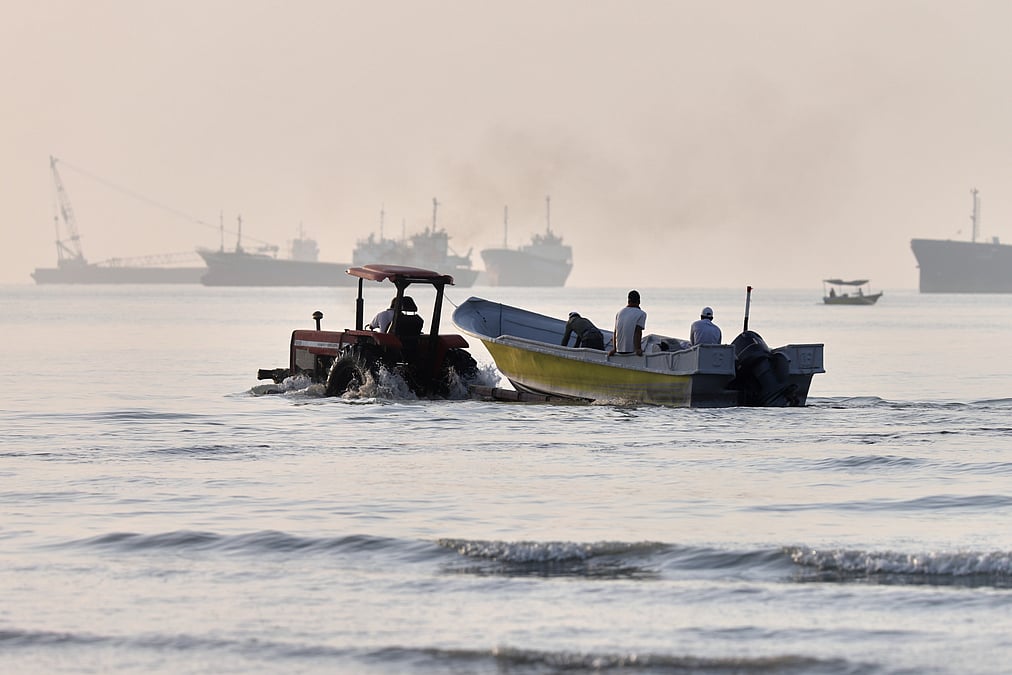
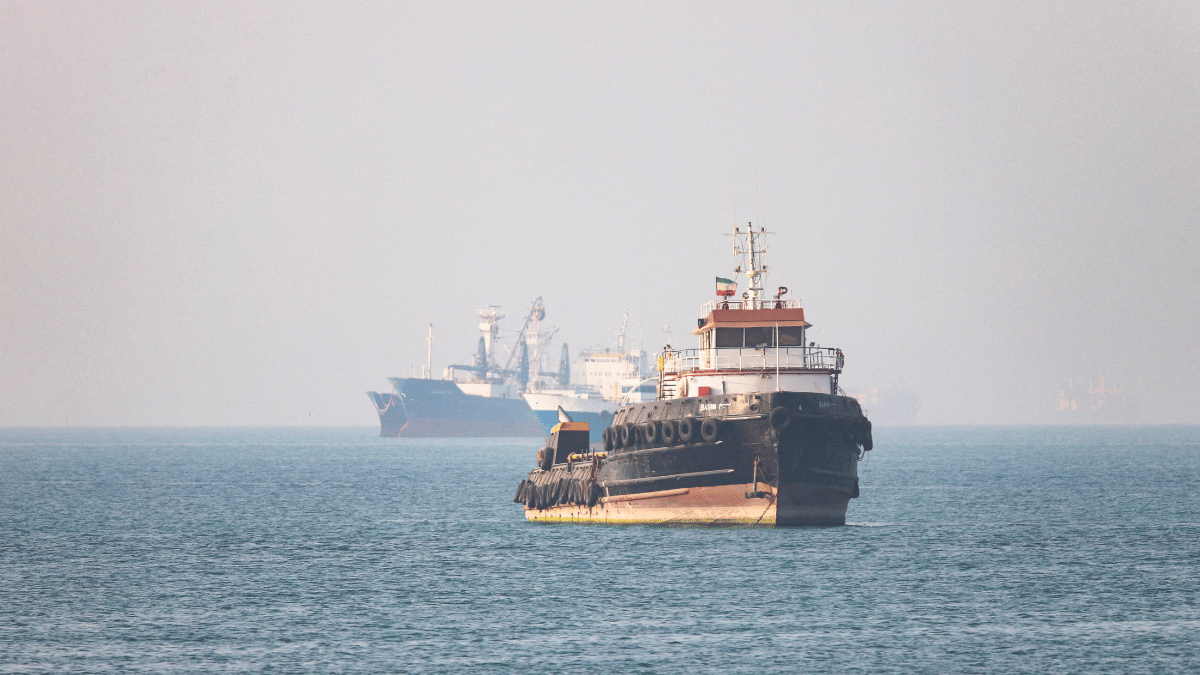
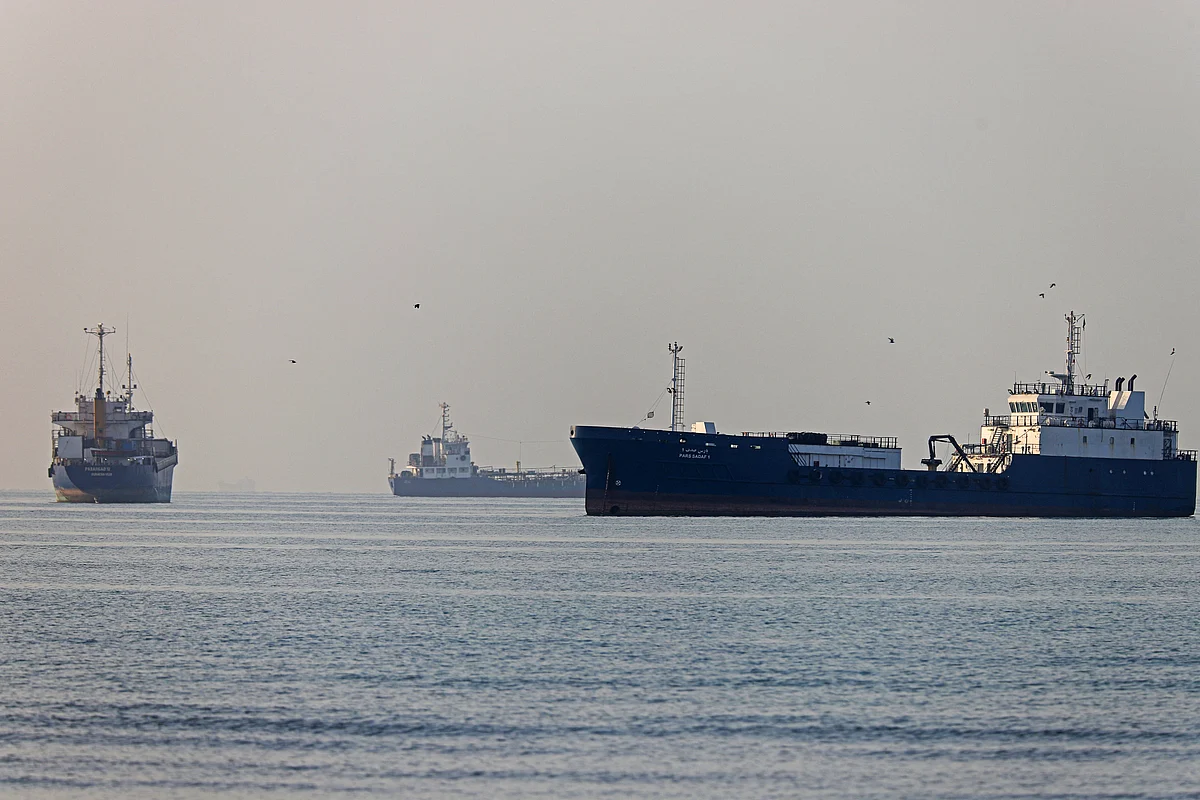
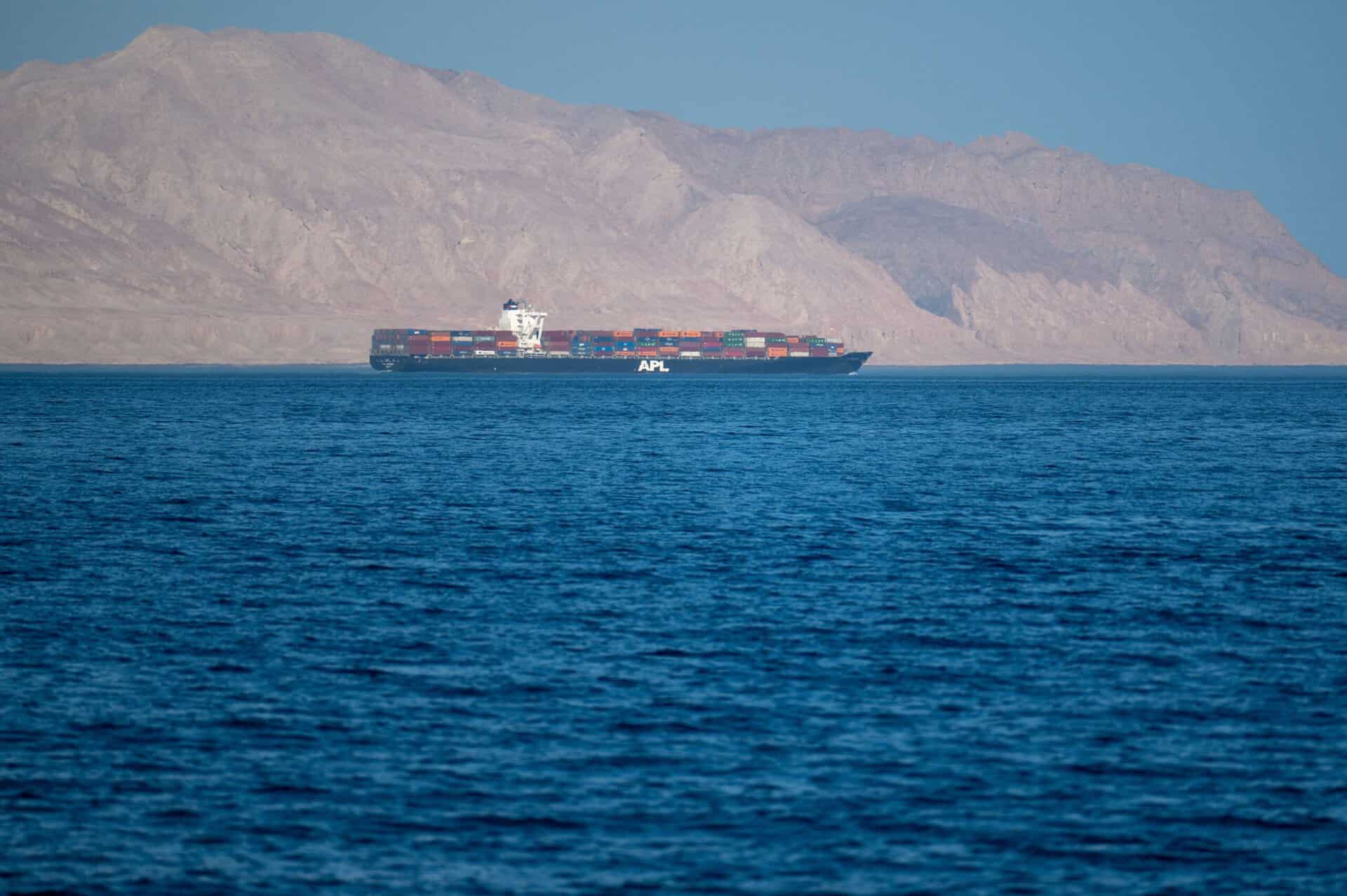
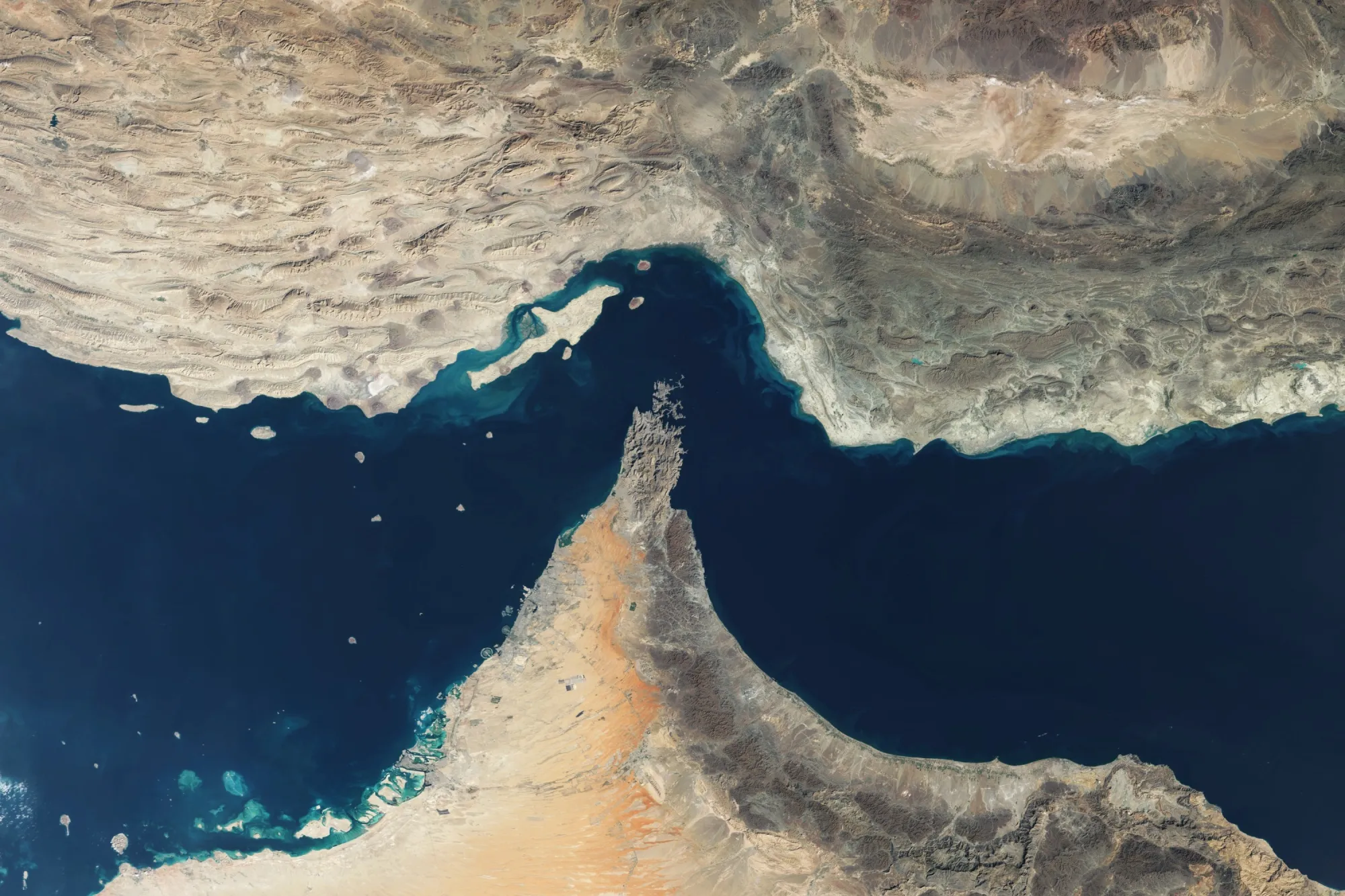
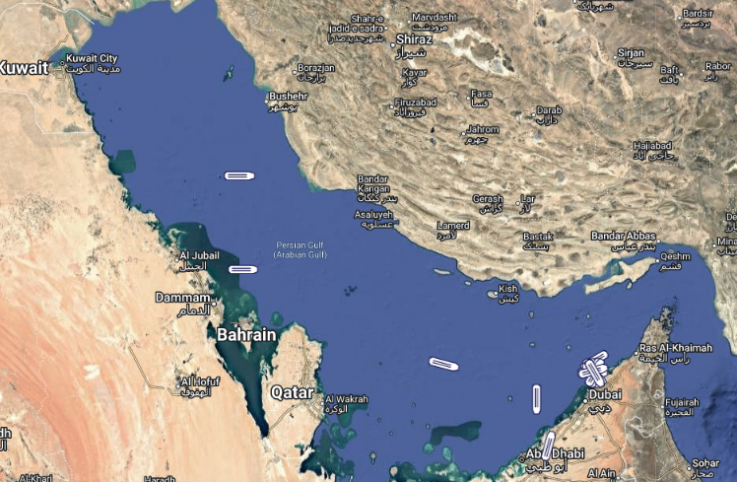
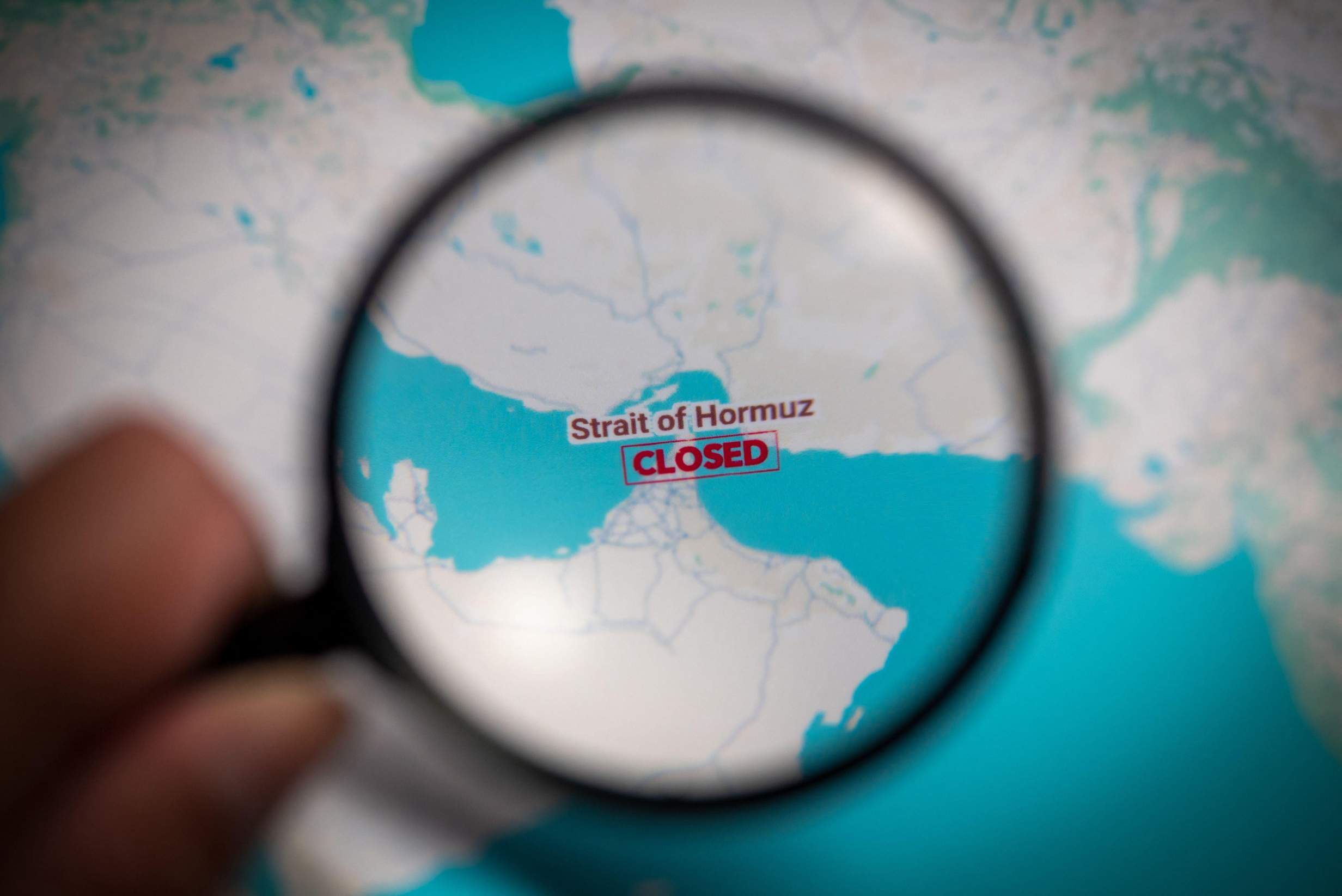
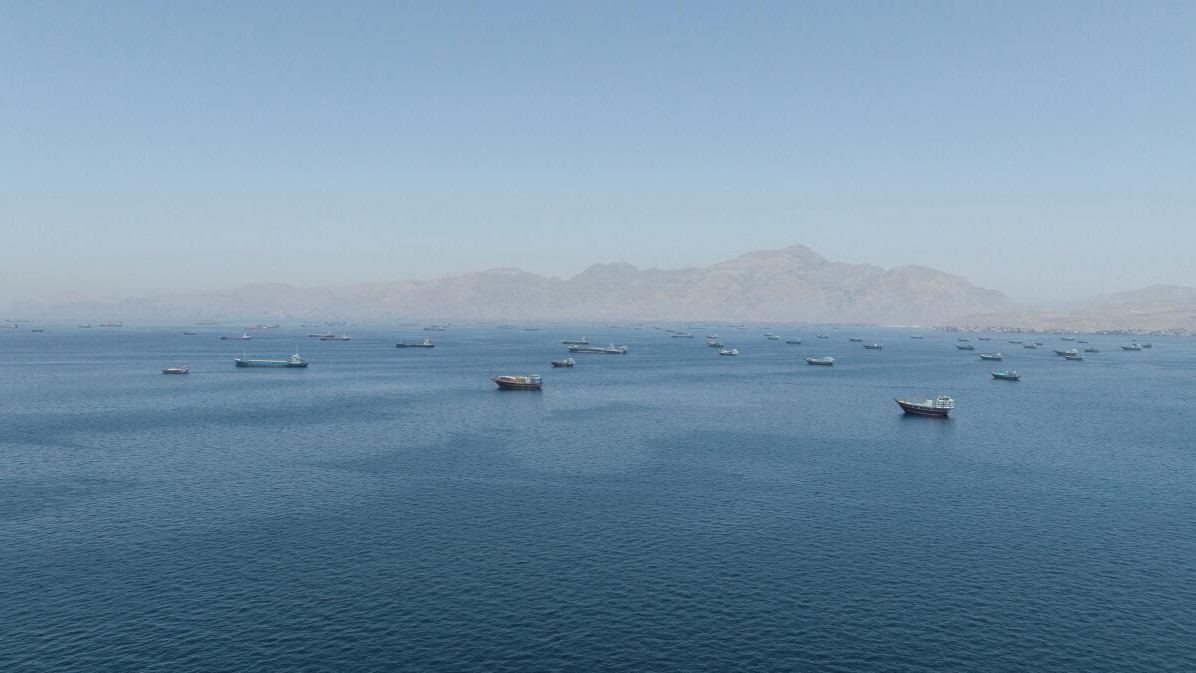
The three-month blockade of the Strait of Hormuz following late February 2026 attacks represents a critical supply chain disruption for cross-border e-commerce sellers. As the world's most critical energy chokepoint, the Strait's closure directly impacts global shipping costs through elevated fuel surcharges, affecting every seller using ocean freight for inventory movement. Bloomberg's reporting confirms this represents the longest disruption to Persian Gulf energy exports, with immediate implications for logistics costs across all major e-commerce corridors.
Immediate Shipping Cost Impact: The blockade drives fuel surcharges from baseline 2-3% to 15-25% on ocean freight rates, translating to $200-800 additional monthly costs for sellers shipping 50+ containers annually. Container rates from Shanghai to Rotterdam have increased 35-45% since the blockade began, directly compressing margins for sellers relying on Asian manufacturing and European distribution. Small-to-medium sellers (SMBs) shipping 500-2,000 units monthly via 20ft containers face $400-600 monthly surcharge increases, while large sellers with 5,000+ unit monthly volumes experience $2,000-4,000 cost escalations.
Strategic Sourcing Implications: The extended closure accelerates sourcing diversification away from Persian Gulf-dependent routes. Sellers currently routing inventory through Middle Eastern ports (Dubai, Jebel Ali) face 3-6 week delays as alternative routes via Suez Canal alternatives become congested. This creates immediate opportunities for sellers to shift sourcing to Vietnam, India, and Indonesia—regions offering 8-12% lower manufacturing costs and direct Southeast Asian port access bypassing the Hormuz corridor entirely. Electronics, apparel, and home goods categories show highest sensitivity to these route changes.
Platform-Level Operational Adjustments: Amazon FBA sellers managing inventory across US, EU, and Asia Pacific regions must recalculate fulfillment network strategies. The extended shipping timelines (now 45-60 days vs. standard 28-35 days) require 20-30% higher safety stock levels, increasing Amazon storage fees by $150-400 monthly per seller. Shopify and independent sellers using 3PL providers face similar inventory carrying cost increases of 12-18% as transit times extend. The blockade creates competitive advantages for sellers with pre-positioned inventory in US and EU fulfillment centers, while disadvantaging just-in-time inventory models.
Questions 7
What compliance or documentation changes do I need for alternative shipping routes?
Alternative routing through Southeast Asian ports (Singapore, Colombo) requires updated customs documentation and potentially different Incoterms (CIF vs. FOB). Verify with your freight forwarder that alternative routes maintain compliance with destination country import requirements—some routes may trigger additional customs inspections adding 2-5 days. Update your Amazon FBA shipment plans and Shopify fulfillment settings to reflect new expected delivery dates (45-60 days vs. 28-35 days). Notify customers of extended delivery windows to manage expectations and reduce return rates from delayed arrivals. No new tariff codes or VAT implications arise from route changes, but document routing decisions for audit purposes if challenged on delivery timeline claims.
How long will the Strait of Hormuz blockade impact shipping costs?
The blockade has persisted for over three months as of the news report, with Iran refusing to reopen until the US lifts its naval blockade on Iranian ports. This indicates a long-term geopolitical stalemate with no immediate resolution timeline. Plan for elevated shipping costs to persist for 6-12 months minimum. Implement cost mitigation strategies now: renegotiate supplier contracts with force majeure clauses, increase product pricing 8-12% to offset surcharges, and accelerate inventory turnover to reduce carrying costs. Monitor Bloomberg and maritime news sources weekly for blockade status changes that could signal rapid cost normalization.