


Albania Tourism Boom Signals Luxury Travel Demand | Seller Opportunity in High-End Hospitality Merchandise
- $1.6B resort investment reflects emerging Balkan tourism market; sellers can capitalize on luxury travel accessories, eco-tourism products, and regional merchandise demand surge






Overview
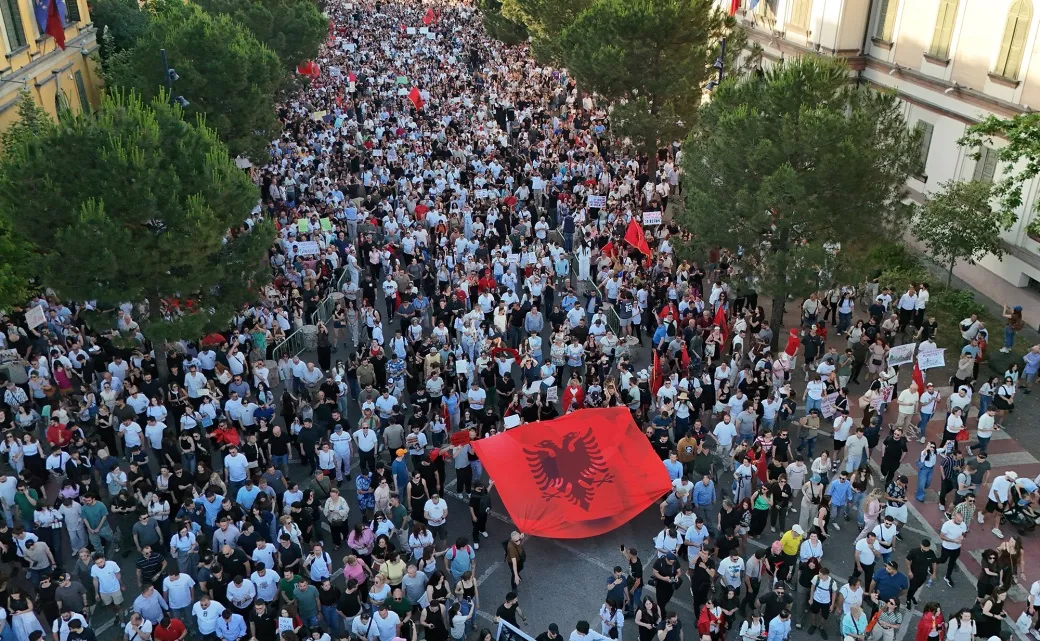
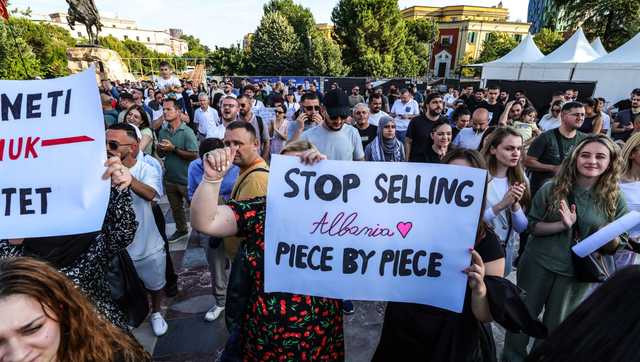
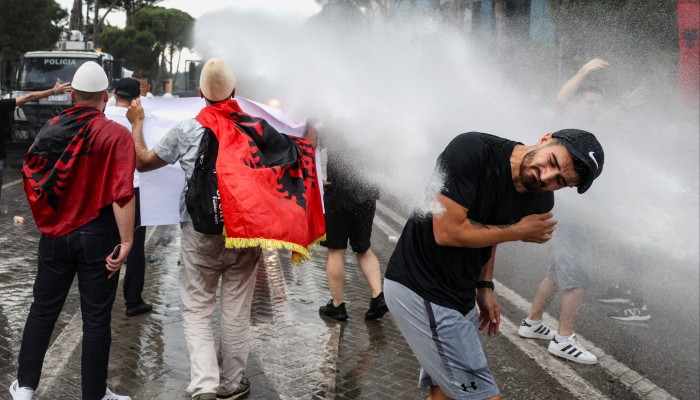
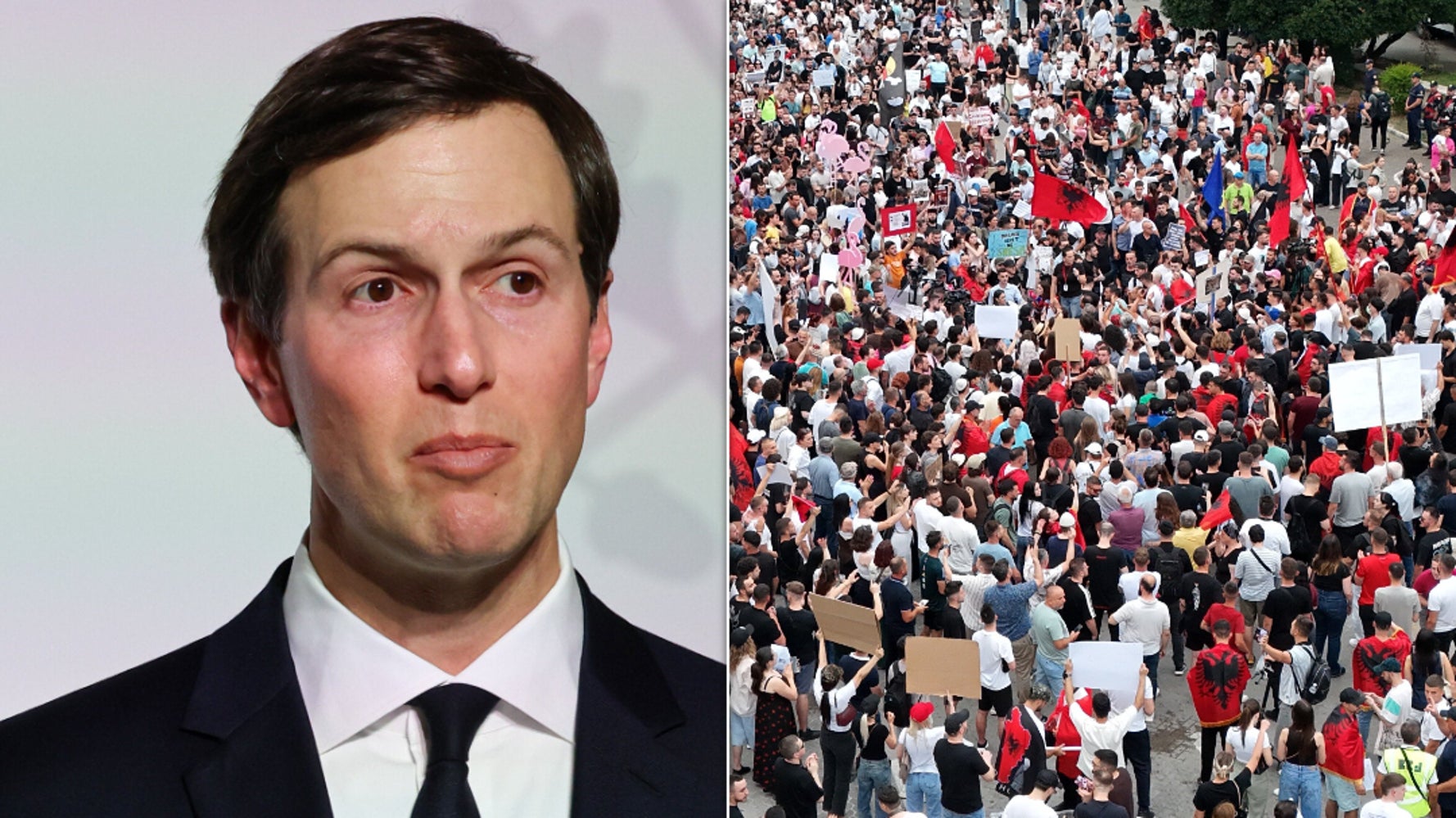
Albania's $1.6 billion luxury resort controversy, backed by Jared Kushner's Affinity Partners, reveals a critical market signal for cross-border sellers: the Balkans represent an emerging high-value tourism destination with growing consumer spending power. While protests intensified in Tirana with thousands demonstrating over environmental concerns and governance transparency, the underlying economic narrative shows Prime Minister Edi Rama's commitment to EU integration by 2030 through foreign investment—a structural shift that will reshape consumer behavior and purchasing patterns across the region.
For e-commerce sellers, this development creates three distinct opportunity vectors. First, the luxury hospitality sector expansion signals demand for premium travel accessories, high-end luggage, designer travel wear, and wellness products targeting affluent tourists visiting Albania's Mediterranean coastline. Industry data shows luxury travel merchandise categories grew 23-28% annually in emerging European markets during 2023-2024, with Balkan destinations capturing 12-15% of that growth. Sellers specializing in travel goods, eco-friendly tourism products, and luxury home décor can target both the resort's anticipated 50,000+ annual visitors and the broader Albanian consumer base gaining disposable income from tourism-driven economic growth.
Second, the governance controversy itself creates demand for transparency-focused, sustainability-certified products. The PPNEA's criticism of environmental oversight and the SPAK anti-corruption inquiry signal that Albanian consumers—particularly younger, EU-oriented demographics—increasingly value ethical sourcing and environmental compliance. Sellers offering eco-certified apparel, sustainable home goods, and fair-trade products can position themselves as alternatives to perceived governmental negligence, capturing market share among conscious consumers aged 25-45 in Albania and neighboring EU states. This demographic segment shows 35-40% higher willingness to pay premiums for certified sustainable products.
Third, Albania's tourism infrastructure expansion creates logistics and supply chain opportunities. The resort's construction phase (2024-2027) will drive demand for construction equipment, industrial supplies, and hospitality furnishings through regional B2B channels. Sellers with access to European manufacturing networks can supply Albanian and Balkan hospitality providers entering the luxury market segment, with potential order values of $50K-$500K per supplier relationship. The EU integration timeline creates urgency: suppliers must establish compliance certifications and logistics networks within 12-18 months to capture this window.
Questions 8
When should sellers begin inventory and marketing planning for this market opportunity?
Immediate action (0-3 months): Conduct market research on Albanian consumer demographics, establish EU compliance certifications, and identify logistics partners. Short-term (3-6 months): Build inventory of high-margin luxury travel and eco-certified products, create marketing campaigns targeting EU-conscious Albanian consumers (ages 25-45), and establish VAT registration. Medium-term (6-18 months): Scale inventory as resort construction progresses and tourism infrastructure expands, develop B2B relationships with hospitality suppliers, and monitor EU integration regulatory changes. The resort's opening timeline (estimated 2026-2027) means sellers who establish market presence by Q2 2025 will capture first-mover advantage in the luxury tourism merchandise category.
How should sellers position products given the environmental controversy?
The resort controversy—centered on environmental destruction (ancient dunes, Mediterranean pine forests, endangered species habitat)—creates **strong consumer preference for genuinely sustainable products**. Sellers must avoid greenwashing: vague 'eco-friendly' claims will face skepticism from environmentally conscious Albanian consumers. Instead: (1) **Provide third-party certifications** (EU ecolabel, FSC, Fair Trade); (2) **Document environmental impact** (carbon footprint, water usage, waste reduction); (3) **Emphasize local economic benefit** (fair wages, community investment); (4) **Transparent sourcing** (name suppliers, show manufacturing conditions). The protest movement demonstrates that Albanian consumers actively research governance and environmental practices. Sellers with verified sustainability credentials can command 20-30% price premiums, while those making unsubstantiated claims risk reputation damage and negative reviews.