




Alphabet's $85B AI Infrastructure Investment Reshapes E-Commerce Search & Advertising Landscape
- $180-190B annual capex signals AI-driven search transformation affecting seller visibility, PPC costs, and product discovery for 2M+ Amazon/eBay sellers globally
Overview
Alphabet's unprecedented $85 billion capital raise in June 2026—anchored by Warren Buffett's Berkshire Hathaway $10 billion investment—represents a fundamental shift in AI infrastructure spending that will directly reshape how e-commerce sellers reach customers. The company's revised capex forecast of $180-190 billion (up from $175-185 billion) is entirely dedicated to AI compute expansion, addressing what CEO Sundar Pichai described as a "critical capacity constraint." This massive investment signals that Google Search, Google Shopping, and YouTube advertising platforms will undergo significant AI-driven transformation in 2026-2027, with profound implications for cross-border sellers relying on these channels.
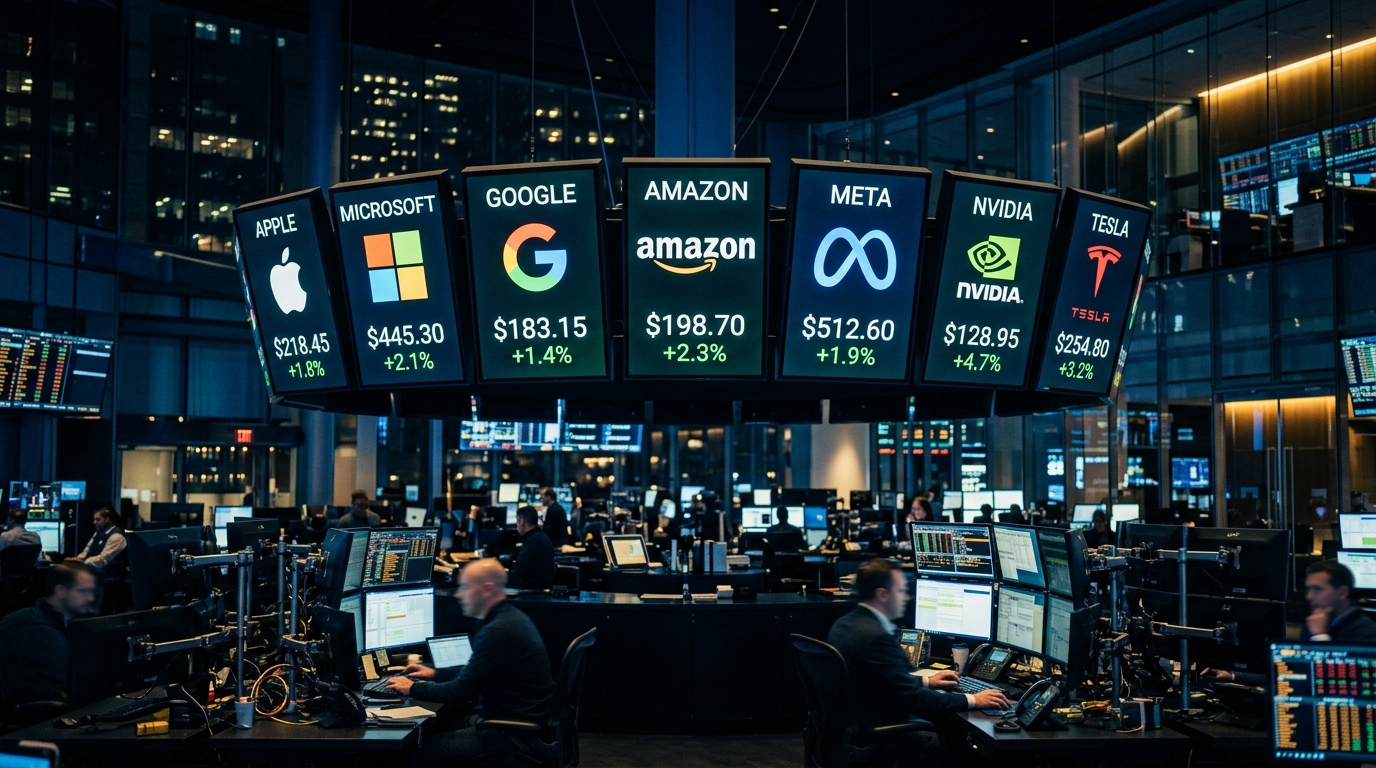
For e-commerce sellers, this investment translates into three critical shifts: First, enhanced AI-powered product discovery will reshape how Google Shopping displays results, potentially favoring sellers with optimized product feeds, structured data, and AI-friendly content formats. Sellers currently investing in product data quality (detailed descriptions, high-resolution images, accurate specifications) will gain competitive advantage as Google's AI models become more sophisticated. Second, PPC advertising costs may increase 8-15% in 2026-2027 as competition intensifies for AI-optimized ad placements. The broader AI capex race—with Alphabet, Microsoft, Meta, and Amazon collectively spending $700+ billion in 2026 (projected to exceed $1 trillion by 2027)—indicates accelerating competition for premium ad inventory across all platforms. Sellers should anticipate higher customer acquisition costs and prepare budget adjustments accordingly. Third, YouTube commerce integration will accelerate, creating new product discovery channels for sellers in consumer goods, electronics, fashion, and home categories. Alphabet's stock has doubled over the past year, demonstrating investor confidence in AI monetization strategies that will likely manifest as new advertising products and commerce features.
Immediate seller implications span three dimensions: Geographic expansion of Google Shopping in emerging markets (Southeast Asia, India, Latin America) will be powered by this infrastructure investment, creating opportunities for sellers to reach new customer bases but requiring localized product feeds and currency/language optimization. Category-specific impacts will vary—electronics, home goods, and fashion sellers will see the most aggressive AI-driven search changes, while niche categories may experience slower adoption. The $100+ billion in total debt Alphabet has accumulated (complementing the equity raise) indicates aggressive capital deployment, suggesting new commerce features could launch as early as Q3-Q4 2026. Sellers should monitor Google Merchant Center announcements for AI-driven product feed requirements, prepare for potential PPC algorithm changes, and consider diversifying traffic sources (Amazon Advertising, Shopify, eBay) to reduce dependency on Google's evolving search algorithms.
Questions 8
What compliance or technical changes should I prepare for?
Prepare for three technical changes: (1) **Feed format evolution**—Google may introduce new structured data requirements to support AI models, requiring updates to your product feed schema; (2) **Algorithm transparency changes**—Alphabet may publish new guidelines for AI-optimized product content, similar to core algorithm updates; (3) **Authentication requirements**—enhanced AI systems may require stricter seller verification and product authenticity confirmation. Monitor Google Merchant Center for announcements beginning Q2 2026. Consider conducting a technical audit of your product feeds, ensuring compliance with current standards (Google Merchant Center specifications, schema.org markup) and preparing for potential new requirements. Sellers who proactively update their technical infrastructure will avoid penalties when new AI-driven requirements roll out.
What geographic markets will benefit most from Alphabet's AI infrastructure?
Emerging markets in Southeast Asia, India, and Latin America will likely see accelerated Google Shopping expansion powered by this infrastructure investment. Alphabet's $180-190 billion capex includes global AI model deployment, suggesting investment in localized search and commerce features for high-growth regions. Sellers targeting these markets should prepare localized product feeds with native language descriptions, local currency pricing, and region-specific product variants. The infrastructure investment signals Alphabet's commitment to competing with regional e-commerce platforms (Shopee, Lazada, Mercado Libre) by enhancing Google Shopping's AI capabilities in these markets. Early movers who optimize for emerging market search in 2026 will gain competitive advantage as AI-driven discovery accelerates.