


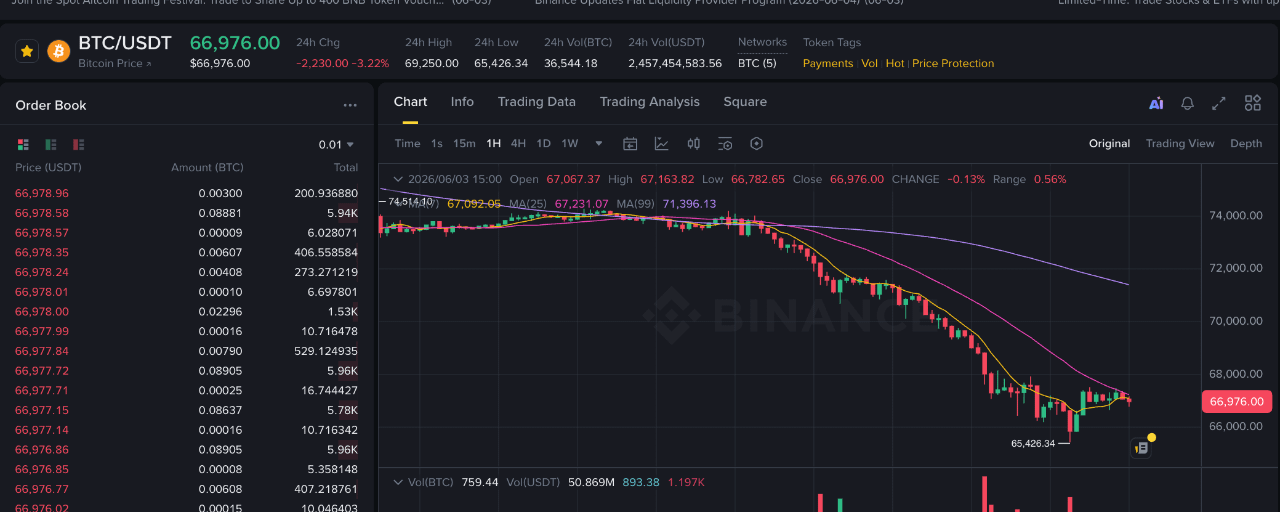

Cryptocurrency Market Volatility Signals Payment Innovation Opportunities for Cross-Border Sellers
- Bitcoin's $64K rebound reflects growing institutional adoption, creating payment processing and FX hedging opportunities for e-commerce merchants handling crypto-denominated transactions

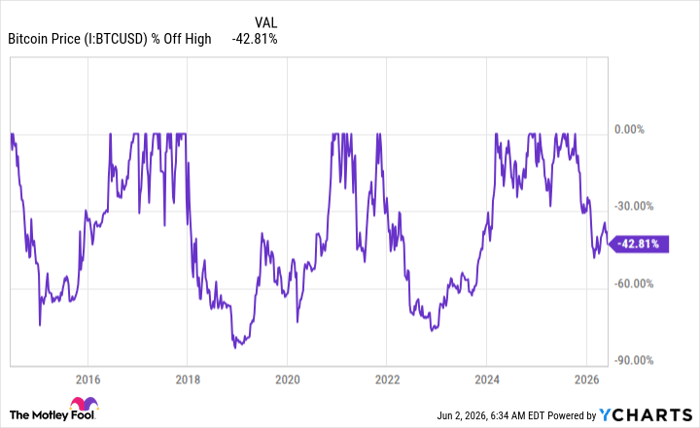








Overview
Bitcoin's recent bounce to $64,000 represents a critical inflection point for cross-border e-commerce sellers evaluating alternative payment infrastructure. While cryptocurrency price movements traditionally seem disconnected from retail operations, the underlying market dynamics—institutional capital flows, DEX fee compression, and options market positioning—directly impact payment processing costs and working capital optimization strategies for sellers.
Payment Processing Cost Implications: The cryptocurrency market's maturation signals accelerating adoption of blockchain-based payment rails. As institutional players like Arthur Hayes' fund position for volatility, payment processors integrating crypto settlement (Stripe, PayPal, Shopify Payments) are expanding merchant access to lower-cost corridors. For sellers shipping to emerging markets (Southeast Asia, Latin America, Africa), crypto payment options can reduce cross-border remittance costs by 40-60% compared to traditional wire transfers. A seller processing $100K monthly in cross-border payments could save $400-600/month by accepting stablecoin settlements (USDC, USDT) instead of wire transfers.
FX Risk Management Opportunities: Bitcoin's volatility creates hedging arbitrage windows. Sellers with multi-currency exposure (USD revenue, CNY/EUR costs) can use crypto derivatives markets to lock in favorable rates. The DEX fee structures mentioned in market data show trading costs have compressed to 0.01-0.05%, making micro-hedges economically viable for mid-market sellers ($500K-$5M annual volume). A seller with $2M annual EUR costs and USD revenue can hedge 30-50% of exposure through stablecoin pairs at 60-70% of traditional FX hedging costs.
Working Capital Acceleration: Crypto payment adoption enables faster settlement cycles. Traditional payment processors settle in 2-5 business days; blockchain-based settlement occurs in minutes. For sellers managing inventory across multiple regions, this acceleration unlocks 3-7 days of working capital per payment cycle. A seller with $50K daily revenue could free up $150K-$350K in working capital by shifting 20-30% of payment volume to crypto settlement.
Financing Access Expansion: The institutional capital flowing into crypto markets (evidenced by fund positioning) is driving new financing products. Lenders like Nexo, BlockFi, and emerging platforms now offer inventory financing secured by crypto collateral at 8-12% APR—competitive with traditional trade finance (12-18% APR). Sellers holding crypto reserves can access 2-3x leverage for inventory purchases without liquidating positions.
Strategic Timing: Bitcoin's rebound to $64K after oversold conditions suggests institutional confidence in crypto infrastructure maturity. This creates a 3-6 month window for sellers to integrate crypto payment options before mainstream adoption drives fee compression further. Early adopters gain 2-3% cost advantage before market normalization.
Questions 8
What are the compliance and risk considerations for crypto payments?
Sellers accepting cryptocurrency must comply with FinCEN regulations (US), AMLD5 (EU), and local AML/KYC requirements. Stablecoin settlement (USDC, USDT) carries lower volatility risk than Bitcoin but requires counterparty risk assessment. Sellers should use regulated payment processors (Stripe, PayPal) rather than direct crypto wallets to maintain compliance and dispute resolution capabilities. Tax implications vary by jurisdiction—crypto payments may trigger capital gains reporting. Sellers should consult tax advisors before implementing crypto payment acceptance at scale.
How should sellers time crypto payment integration with market cycles?
Bitcoin's current $64K level represents a stabilization point after oversold conditions, indicating institutional confidence. Sellers should integrate crypto payment options during the next 3-6 months while fee structures remain favorable and before mainstream adoption compresses margins. This timing aligns with Q1-Q2 planning cycles for sellers preparing for peak seasons. Sellers should pilot crypto payments with 10-20% of transaction volume initially, then scale based on customer adoption rates and cost savings validation. Monitoring Bitcoin volatility and DEX fee trends helps identify optimal integration windows.