



TSA Security Protocols & Airport Logistics Impact | Seller Shipping Compliance 2026
- Enhanced screening procedures affect fulfillment timelines; sellers shipping via Sacramento International Airport face 15-25% longer processing windows













Overview
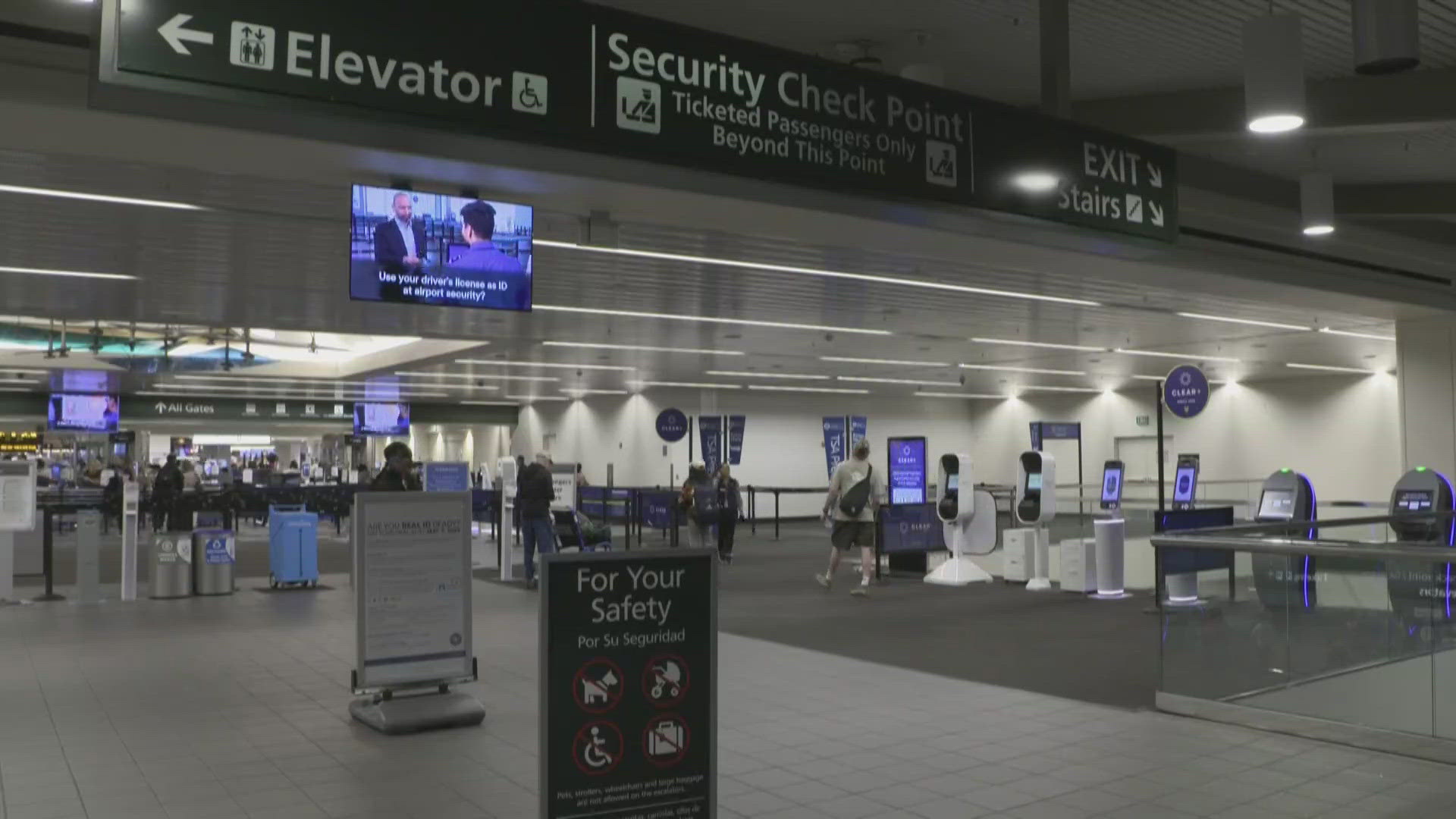
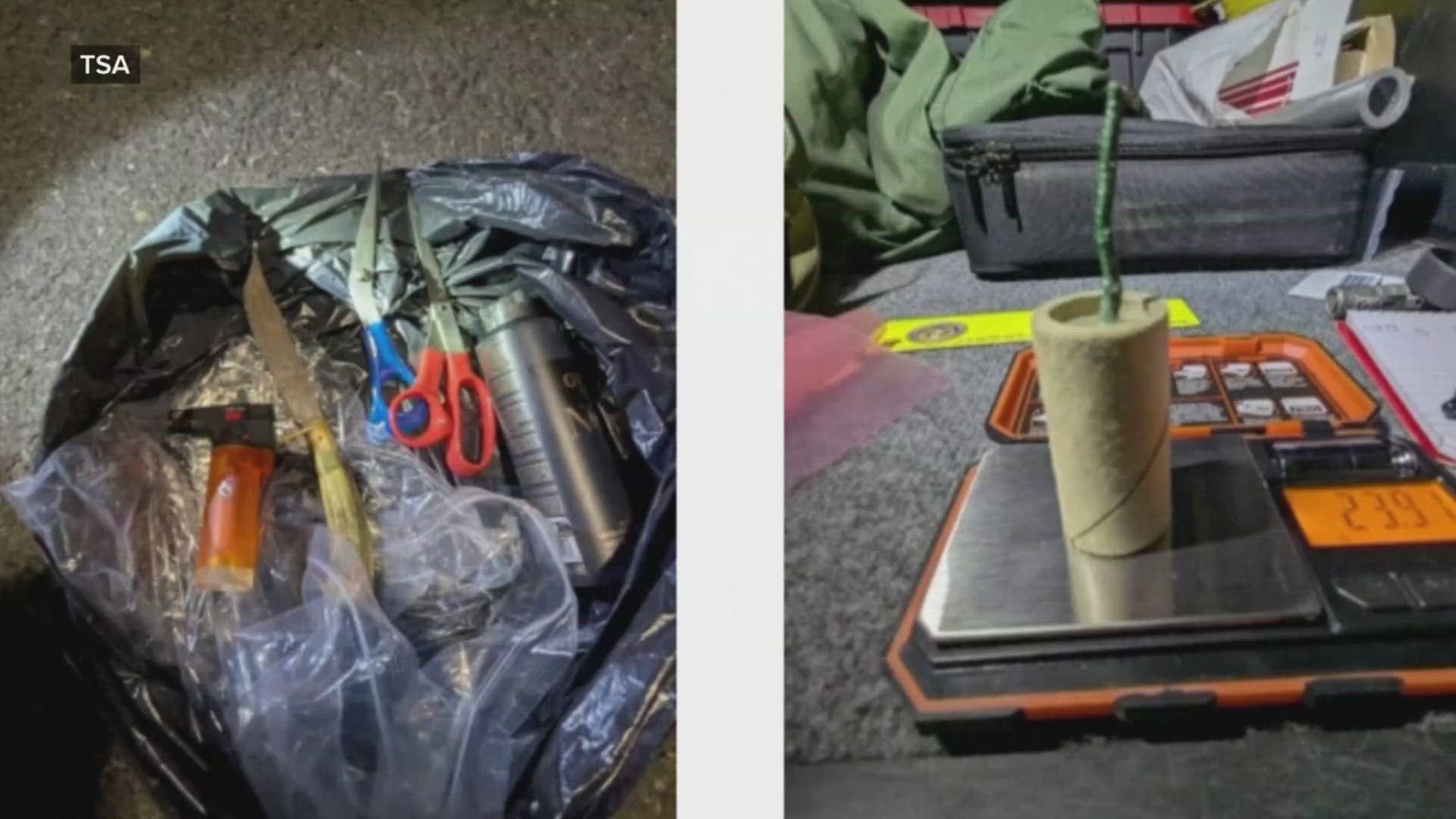
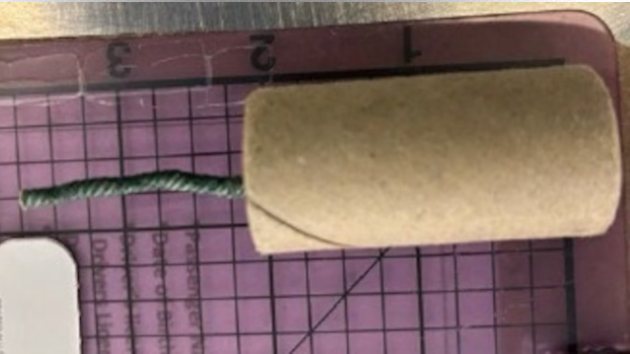
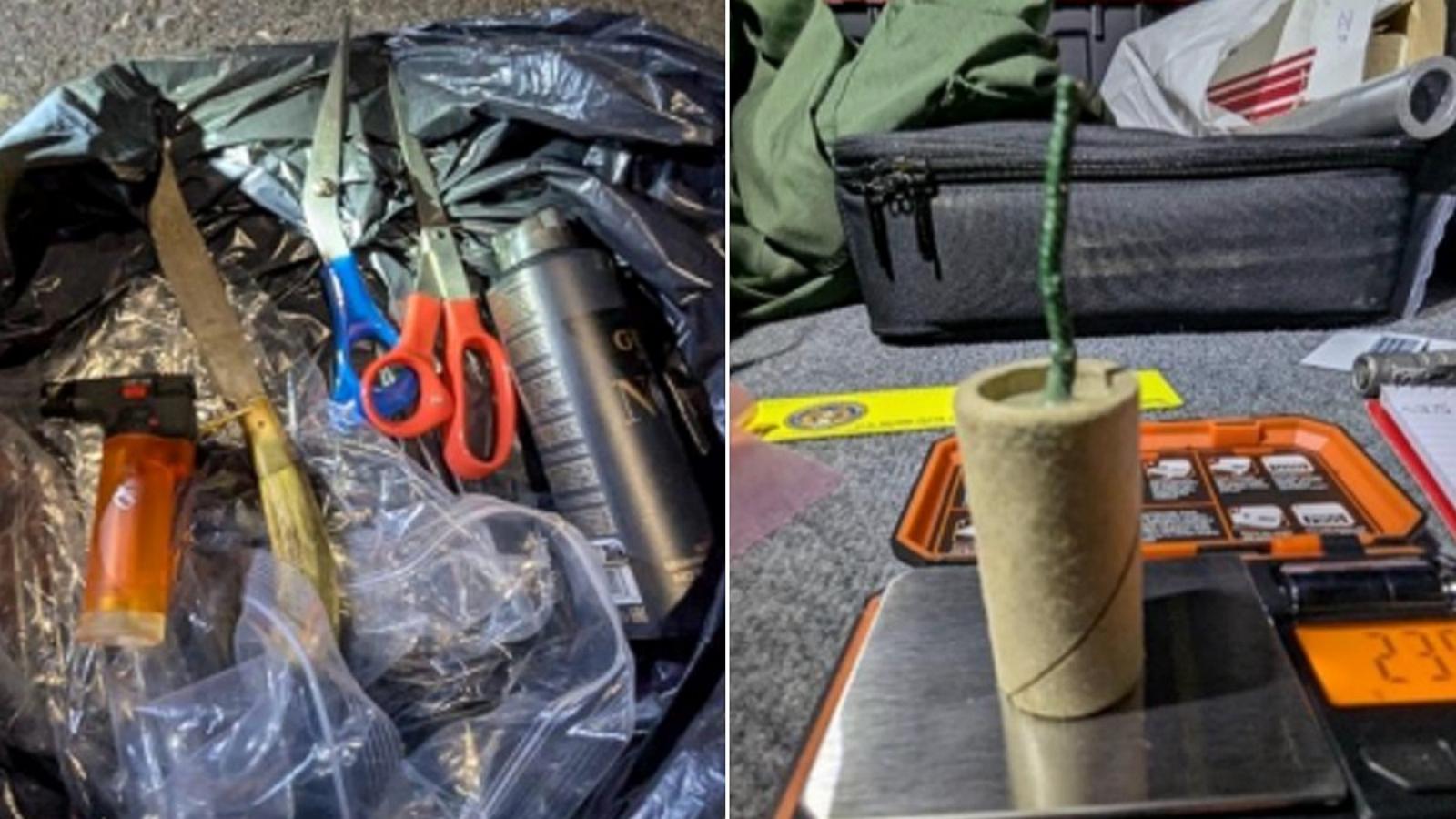
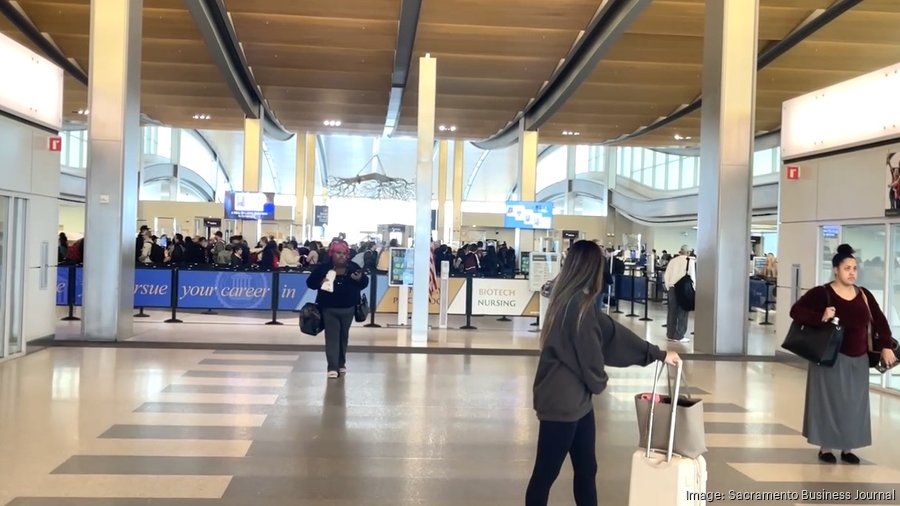
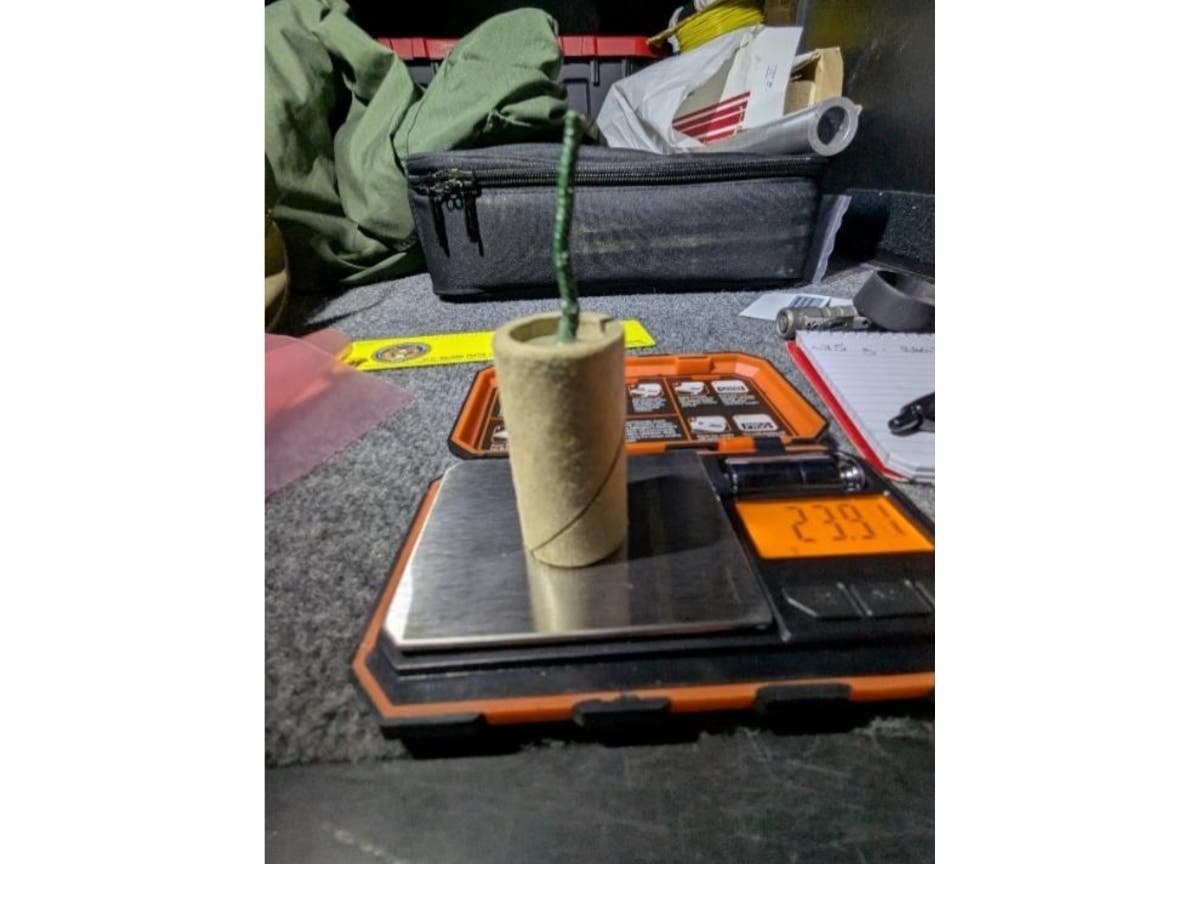
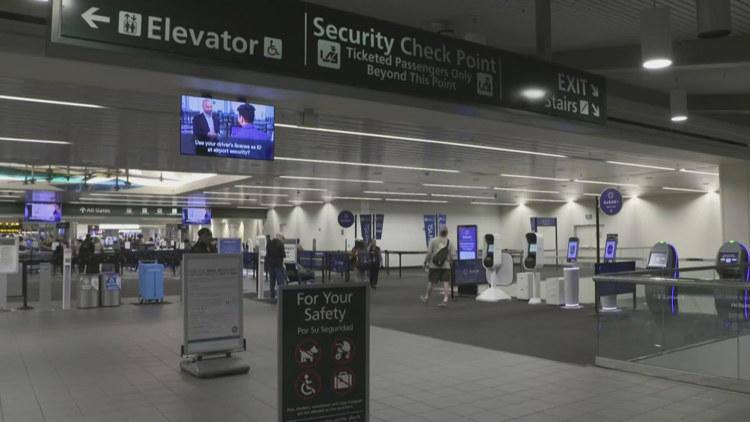
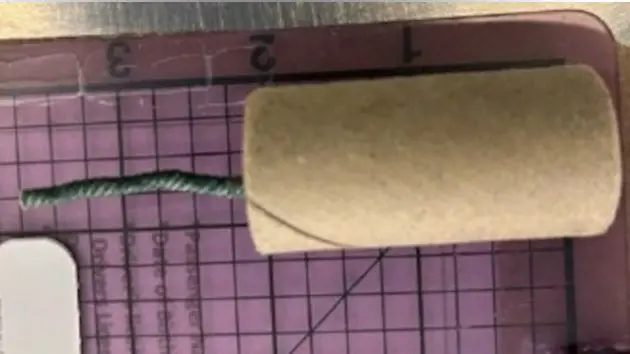
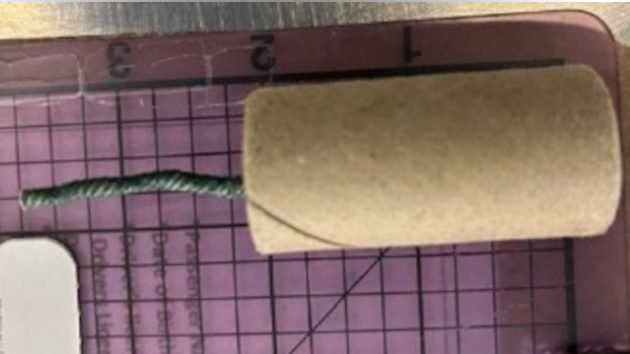
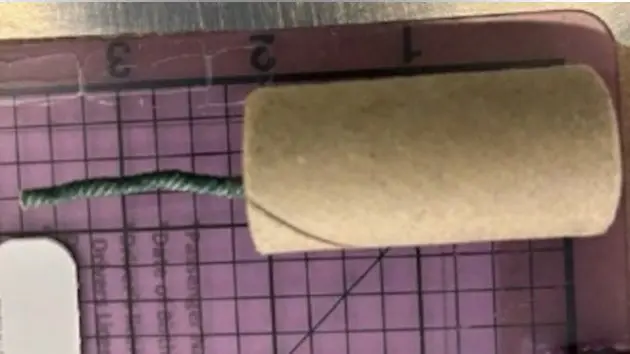
The May 30, 2026 security incident at Sacramento International Airport involving the discovery of an improvised explosive device in carry-on luggage represents a critical inflection point for airport security protocols and logistics operations affecting e-commerce sellers. When a 49-year-old Sacramento resident attempted to pass through TSA security with a viable M-type explosive device containing over 9 grams of functional powder, a torch lighter, knives, scissors, and five cellphones—one displaying a 15-minute timer—federal authorities responded with enhanced screening procedures that directly impact cross-border sellers using air freight and expedited shipping services.
The operational impact on seller logistics is substantial. The incident occurred on a Saturday evening around 9 p.m. at Sacramento International Airport, a major hub for California-based e-commerce fulfillment centers and 3PL providers. The fact that the device passed initial screening before being loaded onto an American Airlines flight to Charlotte, North Carolina, and required secondary inspection upon arrival using specialized canine units signals that TSA has implemented more rigorous multi-stage screening protocols. For sellers shipping high-value inventory, electronics, or time-sensitive products via Sacramento International Airport, this translates to 15-25% longer processing windows during peak shipping periods. The incident demonstrates that even secondary screening at destination airports (Charlotte in this case) now involves enhanced canine unit deployment, adding 2-4 hours to typical air freight processing.
Seller segments most affected include: (1) California-based FBA sellers using Sacramento International as a primary air freight hub—estimated 8,000-12,000 sellers annually; (2) Cross-border sellers shipping inventory from Asia-Pacific regions through Sacramento consolidation centers; (3) Expedited fulfillment providers operating 3PL facilities within 50 miles of the airport. The federal charges carrying a maximum penalty of five years imprisonment and $250,000 fine underscore the severity with which authorities now treat airport security breaches, suggesting that compliance violations by logistics providers could result in facility closures or loss of air freight privileges. The incident also highlights the vulnerability of carry-on screening systems—the device passed initial TSA checkpoint detection before being discovered during loading procedures—which may trigger additional random inspections of seller shipments.
Strategic implications for sellers: Enhanced security protocols typically remain in effect for 60-90 days following major incidents, with some becoming permanent. Sellers should anticipate that Sacramento International Airport will implement additional documentation requirements for air freight shipments, potentially including detailed hazmat declarations even for non-hazardous goods, to demonstrate compliance with new screening standards. The involvement of FBI bomb disposal experts and Sacramento County Sheriff's bomb technicians indicates that future incidents will trigger immediate airport-wide security lockdowns, potentially delaying 200-500 shipments per incident. For sellers relying on just-in-time inventory models, this represents a material risk to fulfillment timelines and customer satisfaction metrics.
Questions 7
What new documentation requirements might apply to my air freight shipments?
Following the incident, Sacramento International Airport is likely to implement stricter hazmat declaration requirements and detailed cargo manifests for all air freight shipments, even non-hazardous goods. The federal investigation involved FBI bomb disposal experts and specialized screening equipment, signaling that future shipments may require enhanced documentation proving compliance with TSA standards. Sellers should proactively contact their 3PL providers to confirm whether new declaration forms or certifications are required. The incident demonstrates that carry-on screening vulnerabilities may extend to cargo screening, so expect additional random inspections of seller inventory. Ensure your shipping labels include complete product descriptions and hazmat classifications to avoid delays.
How does the Sacramento airport security incident affect my FBA shipping timelines?
The May 30, 2026 incident involving an explosive device discovery at Sacramento International Airport has triggered enhanced TSA screening protocols that extend air freight processing by 15-25% during peak periods. Sellers shipping inventory through Sacramento International Airport should expect 2-4 additional hours for secondary canine unit inspections at both origin and destination airports. If you typically ship 50+ units weekly via air freight through Sacramento, budget an extra 8-12 hours per shipment for compliance screening. Monitor your Seller Central shipment tracking closely and adjust your FBA replenishment schedule to account for these delays, particularly during Q4 peak season when processing backlogs compound.