


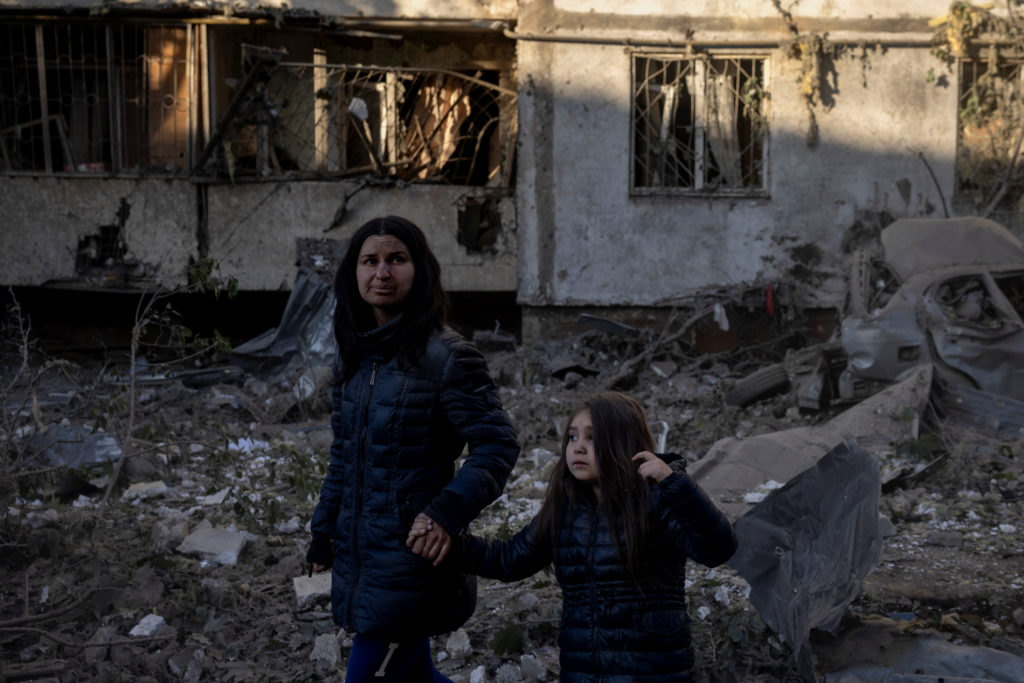

Russia Market Disruption June 2026 | E-Commerce Sellers Face Supply Chain Risk
- Geopolitical instability threatens logistics to Russia; sellers must diversify sourcing and reassess Eastern European market exposure amid infrastructure attacks
Overview
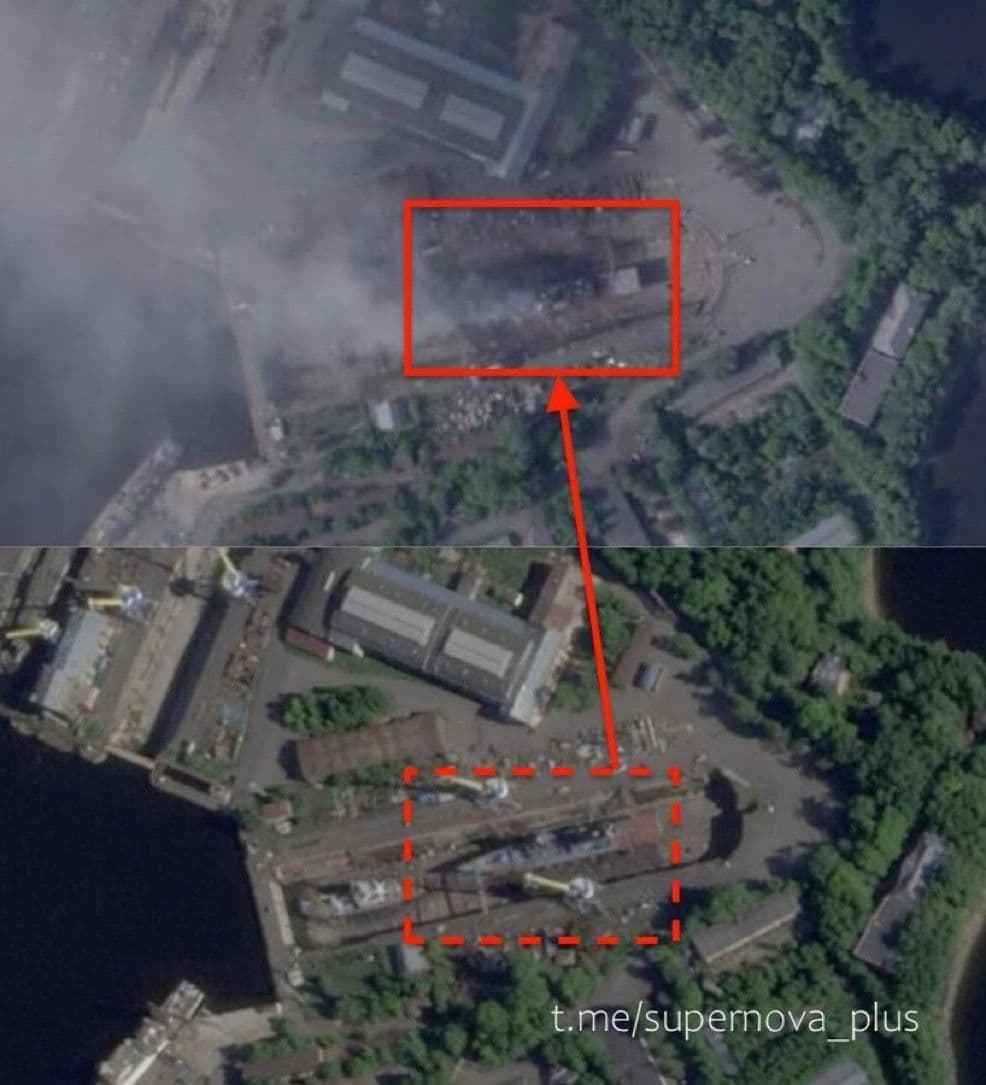
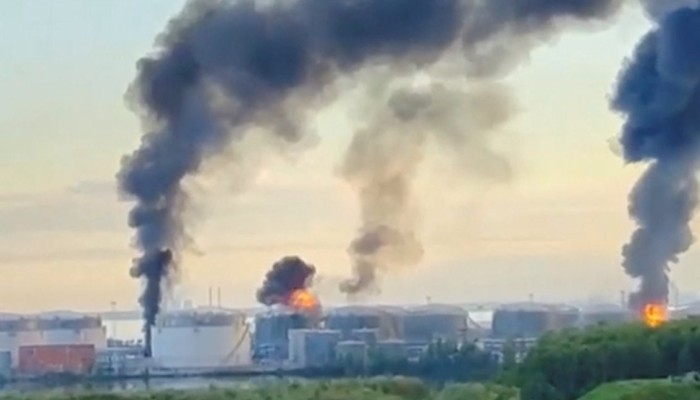
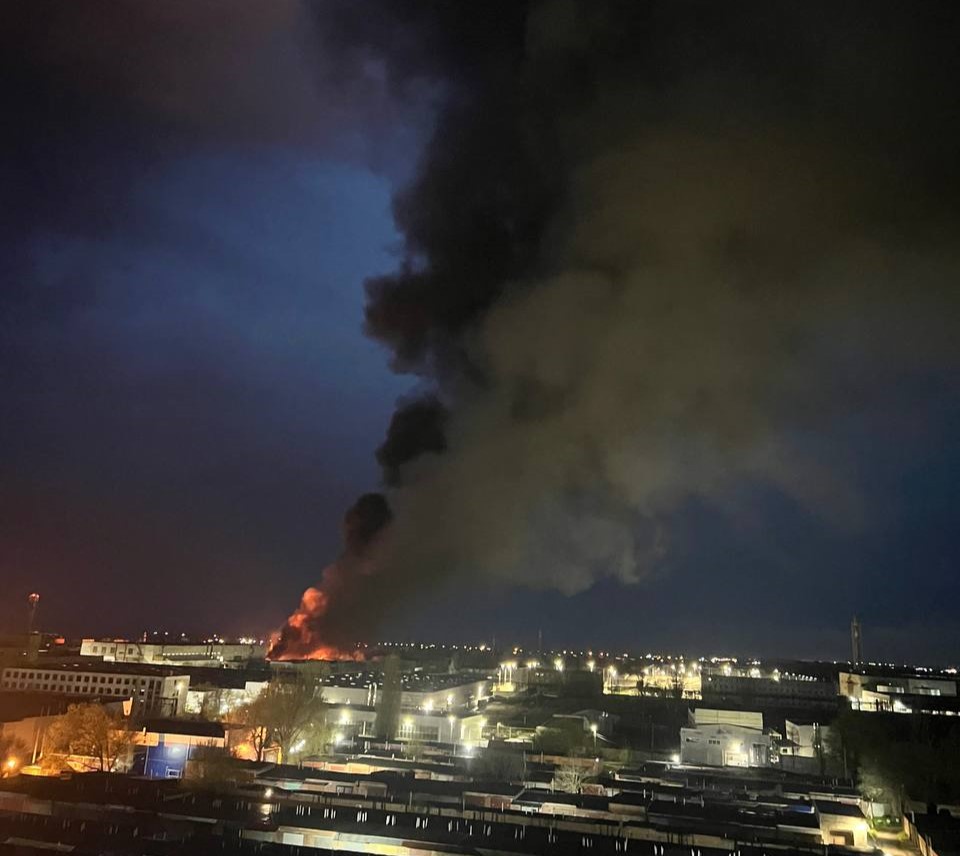
The June 2026 Ukrainian drone strikes on Russian infrastructure—targeting St. Petersburg's oil terminal, Kronstadt naval base, and airport—create immediate supply chain vulnerabilities for cross-border e-commerce sellers operating in or shipping to Russia. While the St. Petersburg International Economic Forum typically attracts international business delegations (including Saudi Arabia, Uzbekistan, Tanzania, China, and US representatives), the military escalation signals deteriorating logistics reliability in Russia's primary trade hub. For sellers, this translates to three critical operational risks: (1) Port disruptions at St. Petersburg reduce shipping capacity and increase transit times for inventory destined for Russian marketplaces like Yandex.Market and Wildberries; (2) Internet/telecommunications outages (authorities cut cellphone service during attacks) disrupt real-time inventory management, customer communications, and payment processing for sellers using cloud-based systems; (3) Economic contraction indicators—Russia's increased taxes, higher domestic borrowing, and reduced military spending multiplier effects—signal declining consumer purchasing power, particularly for discretionary categories like electronics, apparel, and home goods.
Market-specific impact analysis: Russia's e-commerce market, valued at approximately $25-30B annually pre-conflict, has already contracted 15-20% since 2022 due to Western sanctions and payment system restrictions. The June 2026 infrastructure attacks accelerate this decline by creating physical logistics bottlenecks. Sellers shipping via FBA-equivalent services (Yandex Fulfillment, Wildberries logistics) face 2-4 week delays as port capacity diminishes. Sellers relying on direct-to-consumer models experience higher shipping costs (15-25% premium) and longer delivery windows (21-30 days vs. historical 10-14 days), reducing competitive positioning against local Russian sellers with domestic warehousing.
Competitive dynamics shift: Chinese sellers—who dominate Russia's e-commerce landscape with 40-50% of cross-border imports—face identical logistics constraints, creating temporary parity with Western sellers. However, Chinese sellers' established relationships with Russian 3PL providers and payment processors (Yandex.Kassa, Sberbank integration) provide resilience advantages. US and EU-based sellers lack these relationships, making market re-entry post-conflict significantly more difficult. The forum's attendance by Chinese delegations (despite Western absence) suggests Beijing is positioning for post-conflict market consolidation, signaling that sellers should expect increased Chinese competitive pressure once logistics normalize.
Strategic implications for sellers: The geopolitical context reveals that Russia is transitioning from Western-integrated e-commerce to a China-centric supply ecosystem. Sellers should treat this as a market exit signal rather than a temporary disruption. Resources currently allocated to Russian market development should shift to higher-growth, lower-risk markets: Central Asia (Kazakhstan, Uzbekistan—both represented at the forum), Southeast Asia (Vietnam, Thailand), and India, where tariff environments and logistics infrastructure are more stable.
Questions 7
How do drone strikes on Russian infrastructure affect cross-border sellers shipping to Russia?
The June 2026 attacks on St. Petersburg's port and airport directly disrupt logistics capacity, creating 2-4 week shipping delays and 15-25% cost premiums for sellers using FBA-equivalent services like Yandex Fulfillment and Wildberries logistics. Internet outages during attacks also disable real-time inventory management and payment processing. Sellers should expect 21-30 day delivery windows instead of historical 10-14 days, reducing competitive positioning. Immediate action: audit current inventory in Russian warehouses and consider redirecting new shipments to alternative markets (Kazakhstan, Uzbekistan) where logistics remain stable.
How long will Russian logistics disruptions persist, and when should sellers reassess market viability?
Infrastructure attacks typically create 2-4 week disruptions per incident, but the pattern of escalating attacks (June 2026 strikes follow years of conflict) suggests persistent instability through 2026-2027. Sellers should establish a 90-day reassessment checkpoint: if shipping delays exceed 25 days or costs increase 20%+ beyond baseline, reallocate inventory to alternative markets. Monitor St. Petersburg port capacity reports (typically published monthly) and Yandex/Wildberries fulfillment availability. The forum's economic messaging (not growth optimism) suggests Russian market recovery is 18-24 months away minimum. Sellers should treat current operations as cash-flow maintenance, not growth investment.