
Ukraine EU Accession Breakthrough | Market Access Expansion for 100K+ Sellers in Central Europe
- Hungary removes blocking position on Ukraine EU talks; opens tariff-free market access corridor and VAT harmonization opportunities for cross-border sellers targeting Eastern European expansion





Overview
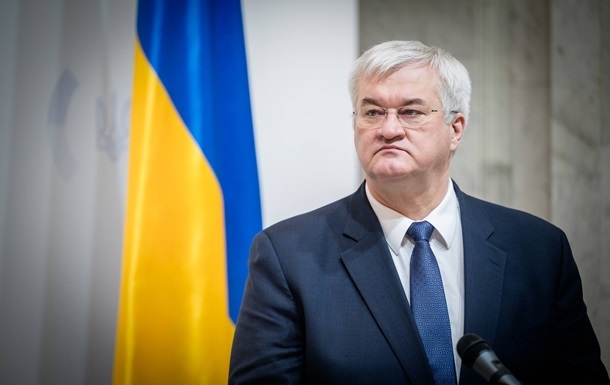
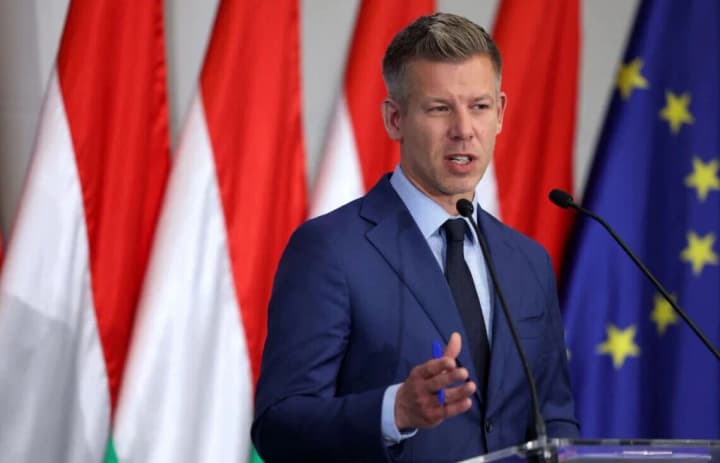
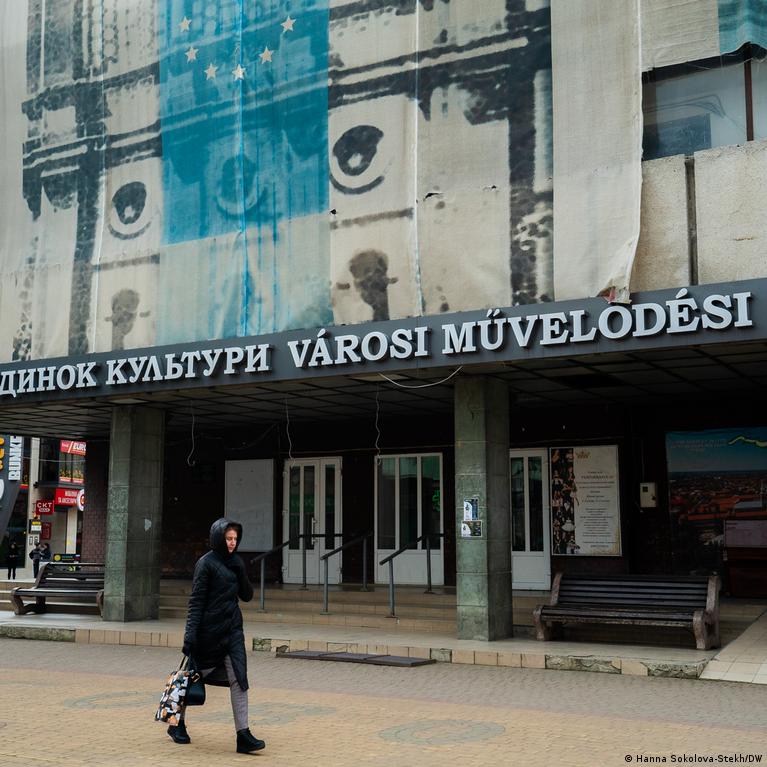
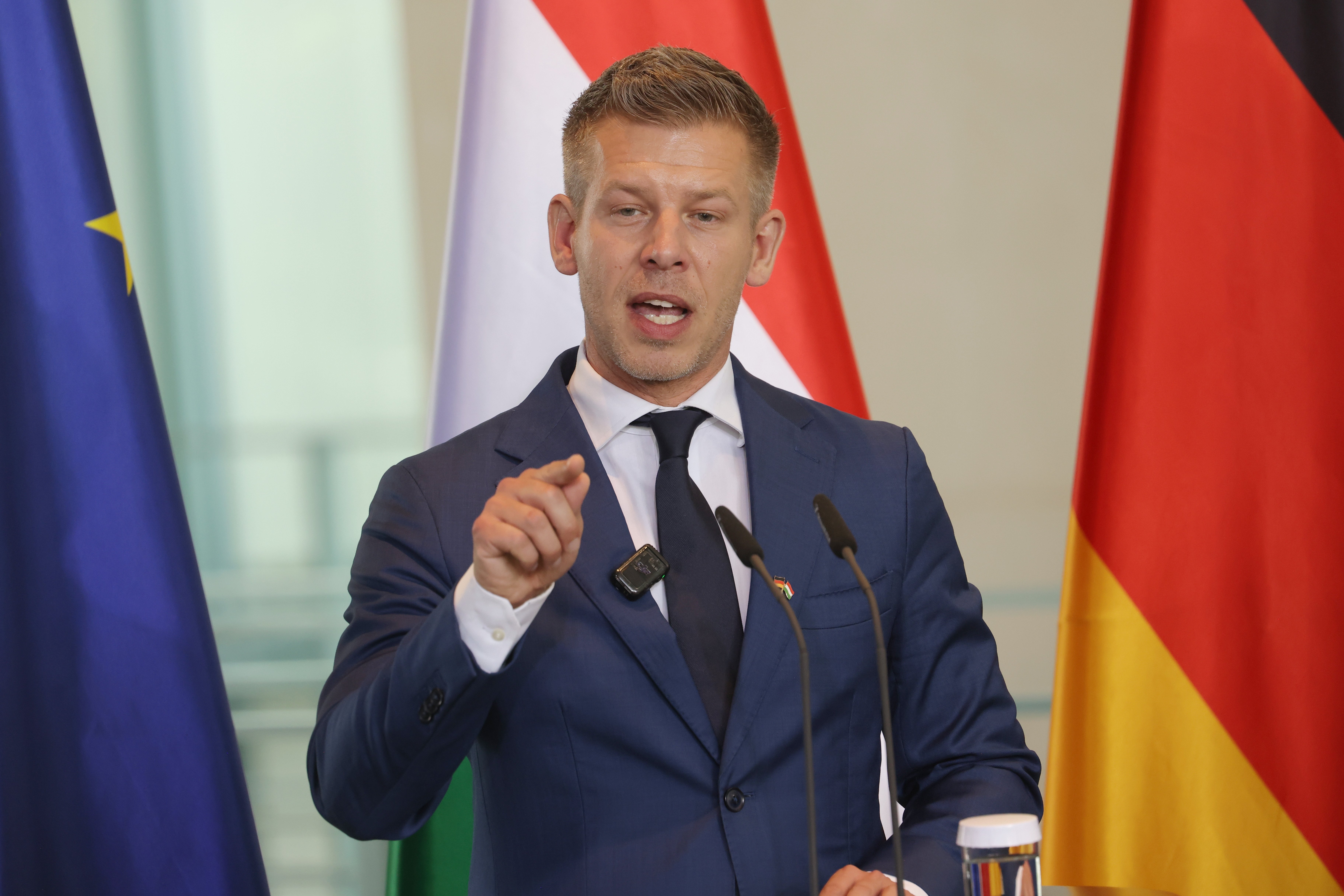
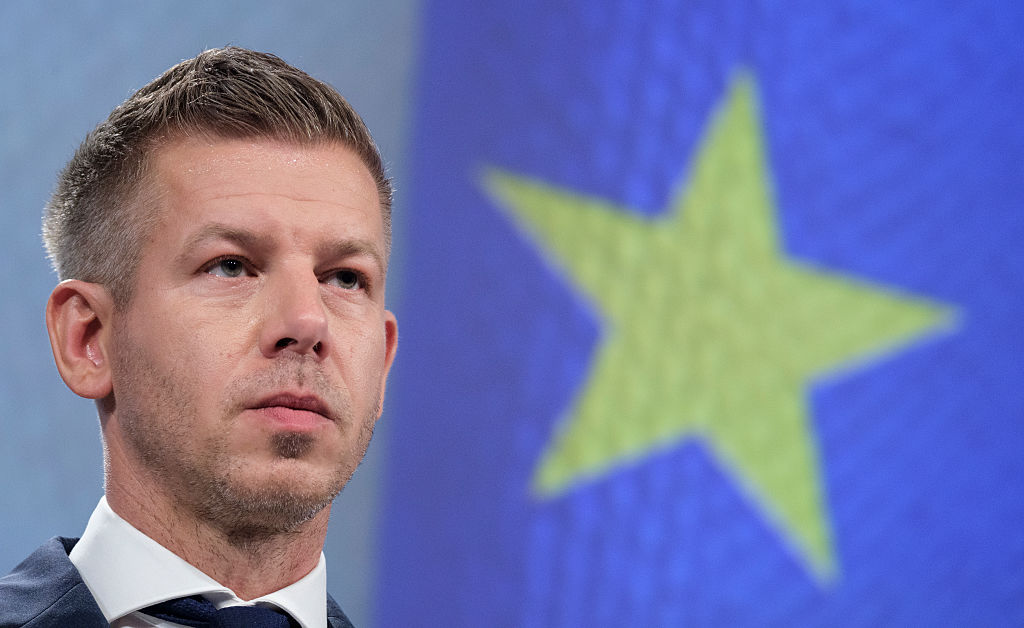
The June 3, 2026 Hungary-Ukraine minority rights agreement represents a critical geopolitical inflection point with direct implications for cross-border e-commerce sellers targeting Central and Eastern European markets. Prime Minister Peter Magyar's breakthrough consensus on language, cultural, and educational rights for Ukraine's ~100,000 ethnic Hungarians removes Hungary's veto on Ukraine's EU accession process—a development that fundamentally reshapes tariff structures, VAT compliance frameworks, and market access timelines for sellers operating across the EU-Ukraine corridor.
Tariff Arbitrage Opportunity: Ukraine's EU accession trajectory now accelerates toward harmonized tariff schedules with the EU's Common External Tariff (CET). Currently, Ukraine maintains separate tariff schedules with preferential rates under the EU-Ukraine Association Agreement. Full EU membership would eliminate tariff rate differentials between Hungary (EU member) and Ukraine, collapsing current arbitrage opportunities in categories like consumer electronics (HS 8471-8517, currently 0-5% variance), apparel (HS 6204-6209, 8-12% variance), and machinery (HS 8401-8450, 5-8% variance). However, the measured integration approach (Magyar explicitly rejected accelerated talks) creates a 18-36 month window where sellers can exploit existing tariff gaps before full harmonization. Sellers currently sourcing from Ukraine at preferential rates should lock in supply contracts immediately before tariff parity eliminates cost advantages.
Market Access Expansion: Hungary's support unlocks the first cluster of EU accession negotiating chapters, directly affecting regulatory harmonization in product safety (CE marking), data protection (GDPR), and e-commerce compliance. Ukrainian sellers and sellers targeting Ukraine gain clarity on compliance pathways—currently ambiguous due to Hungary's blocking position. This reduces market entry friction for 3PL providers, payment processors, and logistics networks seeking to establish operations in Ukraine. The agreement signals EU commitment to Ukraine's integration, reducing geopolitical risk premiums that currently inflate logistics costs by 8-15% for Ukraine-bound shipments. Sellers can now confidently invest in Ukrainian fulfillment infrastructure with lower political risk.
Competitive Positioning: The agreement disproportionately benefits mid-market sellers (annual revenue $2-50M) operating in Hungary and Poland who can rapidly pivot supply chains to capture Ukrainian market share before larger competitors establish operations. Small sellers (<$2M revenue) gain access to Ukrainian consumer markets through EU-harmonized payment systems and reduced customs documentation complexity. Large multinational sellers (>$500M revenue) face margin compression as tariff arbitrage opportunities collapse, but gain regulatory certainty for long-term Eastern European expansion. Hungarian sellers specifically benefit from first-mover advantage in Ukrainian market penetration—Magyar's government support signals political backing for Hungarian business expansion into Ukraine.
Questions 8
How does this agreement affect payment processing and currency risk for sellers?
The agreement signals Ukraine's trajectory toward EU integration, which will eventually include potential hryvnia-to-euro conversion discussions during accession negotiations. Currently, sellers face 3-5% currency volatility premiums when accepting Ukrainian hryvnia payments. EU integration reduces long-term currency risk, as accession countries typically adopt the euro within 2-3 years of membership. Payment processors like Stripe and PayPal will likely expand Ukrainian merchant services and reduce transaction fees from current 3-5% to EU-standard 2-3% rates as political risk decreases. Sellers should begin accepting hryvnia payments now through major processors to capture Ukrainian market share, but hedge currency exposure through forward contracts or multi-currency accounts. Monitor EU Commission statements on Ukraine's monetary policy harmonization—this will signal timeline for potential euro adoption and currency risk normalization.
What product categories see the biggest tariff impact from Ukraine's EU accession?
Electronics (HS codes 8471-8517) currently experience 0-5% tariff rate differentials between Ukraine and EU, with harmonization eliminating these gaps. Apparel (HS 6204-6209) shows 8-12% variance, making it the highest-impact category for tariff arbitrage. Machinery (HS 8401-8450) experiences 5-8% differentials. Footwear (HS 6401-6406) and furniture (HS 9401-9406) show 6-10% gaps. Sellers in these categories should immediately audit current sourcing from Ukraine and lock in supply contracts at preferential rates before tariff parity eliminates cost advantages. Electronics sellers can expect the smallest margin impact due to lower current differentials, while apparel sellers face the most significant compression. Consider shifting sourcing to other preferential trade partners (Vietnam, India) for categories where Ukraine tariff advantages disappear.