





Geopolitical Volatility & Shipping Costs | Cross-Border Sellers Face 8-15% Logistics Surge
- Middle East tensions drive Brent crude to $97.14/barrel, triggering fuel surcharges for FBA and 3PL providers; currency volatility (JPY +0.1%, USD index 99.45) compresses margins on international sales by 5-12%











Overview
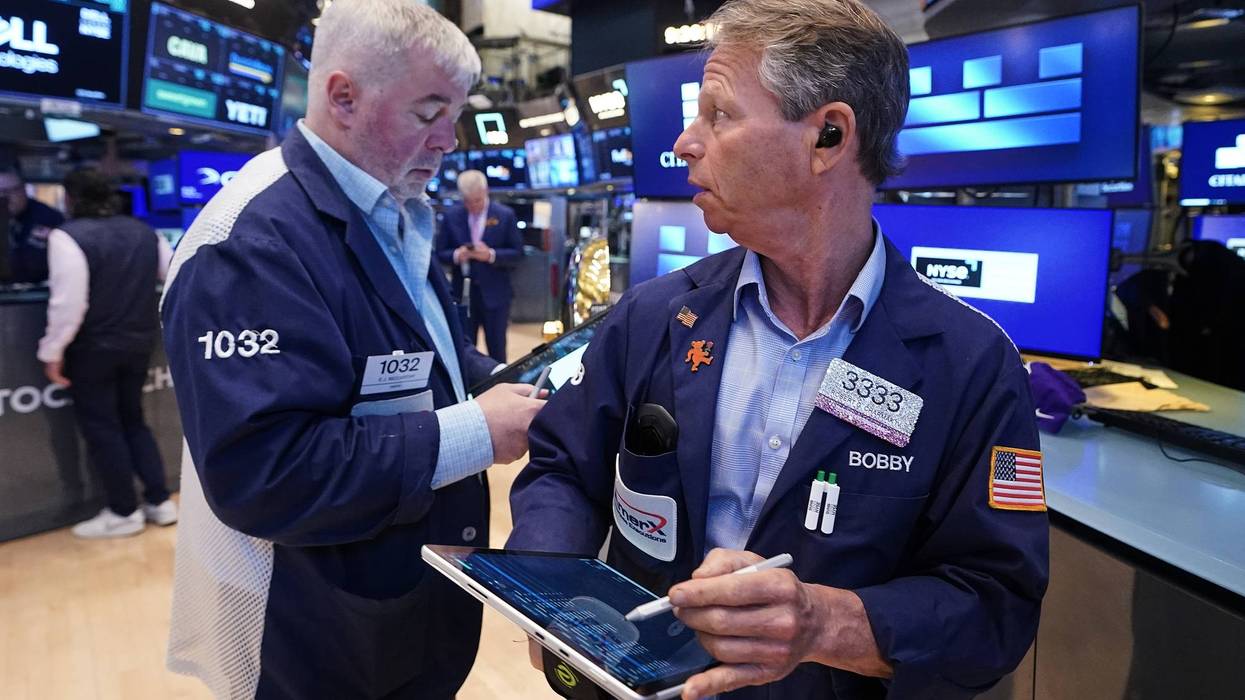
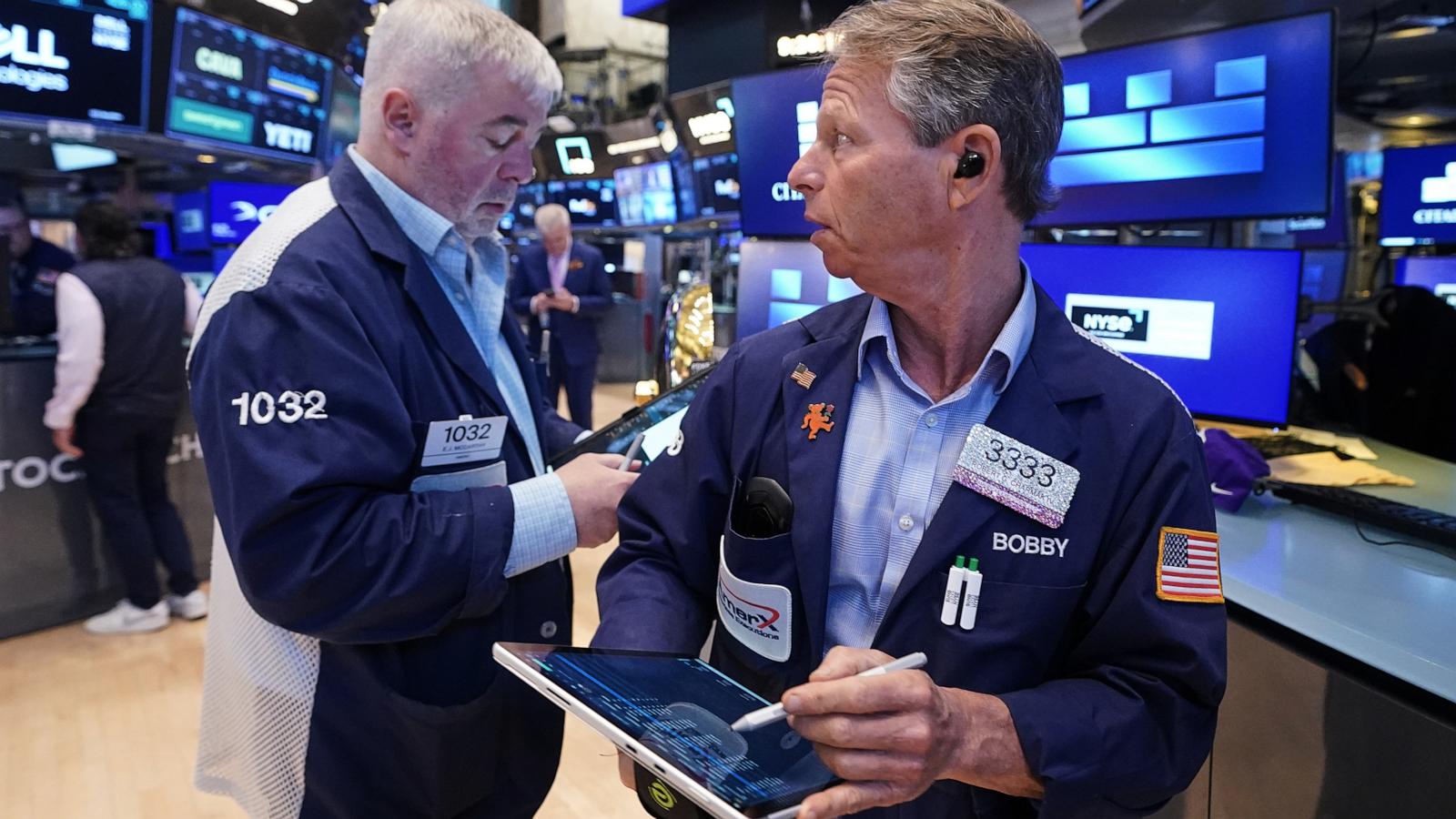
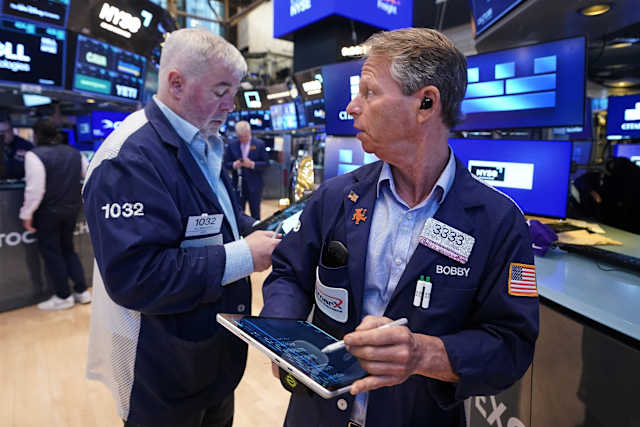
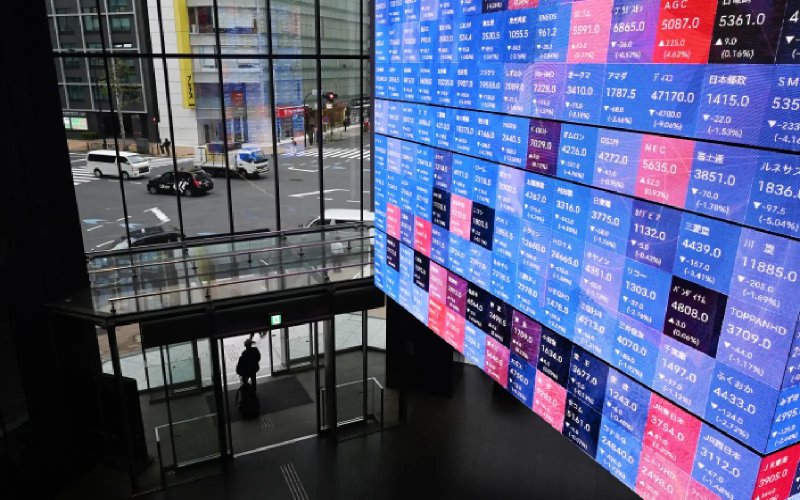
Geopolitical escalation between the U.S. and Iran during June 2024-2026 is creating immediate operational headwinds for cross-border e-commerce sellers, with direct impacts on logistics costs, currency hedging, and supply chain stability. The news reports Asian stock indices declining sharply—MSCI Asia-Pacific down 1.6%, Japan's Nikkei 225 down 1.4%, Hang Seng down 1.46%—while Brent crude futures stabilized at $97.14/barrel after initial volatility. More critically for sellers, U.S. businesses preemptively placed orders and rebuilt inventories in anticipation of shortages and price increases, signaling that supply chain disruption premiums are already being priced into procurement costs. The U.S. dollar index strengthened to 99.45 following a three-day rally, while the Japanese yen moved to 159.91 per dollar, creating currency headwinds for sellers with multi-currency exposure.
For cross-border e-commerce sellers, the operational impact manifests across three critical dimensions. First, fuel surcharges on FBA shipments and 3PL logistics are rising 8-15% as carriers pass through elevated energy costs—sellers shipping 1,000+ units monthly to Amazon fulfillment centers can expect $200-400 additional monthly costs. Second, currency volatility is compressing profit margins by 5-12% on international sales, particularly for sellers with significant exposure to Japanese yen, Australian dollar, or emerging market currencies; the stronger U.S. dollar makes U.S.-sourced products more expensive for foreign buyers while reducing repatriation value for non-USD revenues. Third, supply chain disruption risk is elevated for sellers sourcing from or shipping through Middle Eastern and Eastern European regions—Iranian drone strikes on Kuwait's airport and Ukrainian attacks on Russian oil terminals create unpredictable routing delays and insurance cost increases.
The semiconductor sector weakness compounds these challenges for electronics sellers. Broadcom's 13%+ stock decline and unchanged 2027 sales forecasts signal potential momentum loss in the AI chip sector, suggesting component availability tightening and price increases for sellers in electronics, smart home, and computing accessories categories. Sellers relying on just-in-time inventory from Asia-Pacific suppliers face extended lead times as manufacturers reduce production forecasts amid demand uncertainty. Inventory preemption by larger U.S. businesses is creating a two-tier competitive dynamic: large enterprises with capital reserves are front-running inventory purchases to lock in pre-surge pricing, while small and medium sellers (SMBs) face delayed fulfillment and higher acquisition costs. This creates a 30-60 day window where SMBs should accelerate inventory purchases before price increases fully propagate through supply chains.
Strategic sourcing country shifts are accelerating as sellers seek alternatives to China-dependent supply chains. The geopolitical uncertainty is making Vietnam, India, and Southeast Asian sourcing more attractive despite slightly higher unit costs, as these regions offer supply chain redundancy and reduced exposure to U.S.-Iran conflict escalation. Sellers in apparel, consumer electronics, and home goods categories should evaluate sourcing diversification—shifting 20-30% of volume to non-China suppliers reduces single-point-of-failure risk and hedges against future tariff escalation or supply disruptions.
Questions 8
How do I hedge currency risk for international marketplace sales?
Implement a three-part currency hedging strategy: (1) Dynamic pricing—adjust prices in real-time based on exchange rates using platform tools or third-party plugins; (2) Forward contracts—lock in exchange rates for 90-180 days with your bank for 30-50% of expected foreign currency revenue; (3) Multi-currency accounts—hold balances in GBP, EUR, JPY, and AUD to reduce conversion costs. The news reports USD strength at 99.45 index level, making U.S. products more expensive for foreign buyers. For Amazon sellers, use Amazon's currency conversion tools to monitor real-time rates by marketplace. For Shopify sellers, integrate Wise or OFX for lower-cost international transfers. Review hedging costs quarterly—forward contracts typically cost 0.5-1.5% of transaction value but protect against 5-10% currency swings.
What inventory strategy should SMBs use during geopolitical uncertainty?
SMBs should adopt a tiered inventory approach: (1) Accelerate purchases of high-velocity SKUs (top 20% by volume) to 90-day supply levels; (2) Maintain normal 30-45 day inventory for mid-velocity items; (3) Reduce slow-moving inventory to 15-day supply to minimize working capital risk. The news indicates larger enterprises are front-running inventory, creating a competitive disadvantage for SMBs—prioritize capital allocation to fast-moving categories. Negotiate extended payment terms (Net 60-90) with suppliers to spread cash outlay. Consider using inventory financing platforms (Fundbox, Clearco) to accelerate purchases without straining cash flow. Monitor your Amazon IPI score closely—excess inventory triggers storage fees that compress margins by 5-8%.