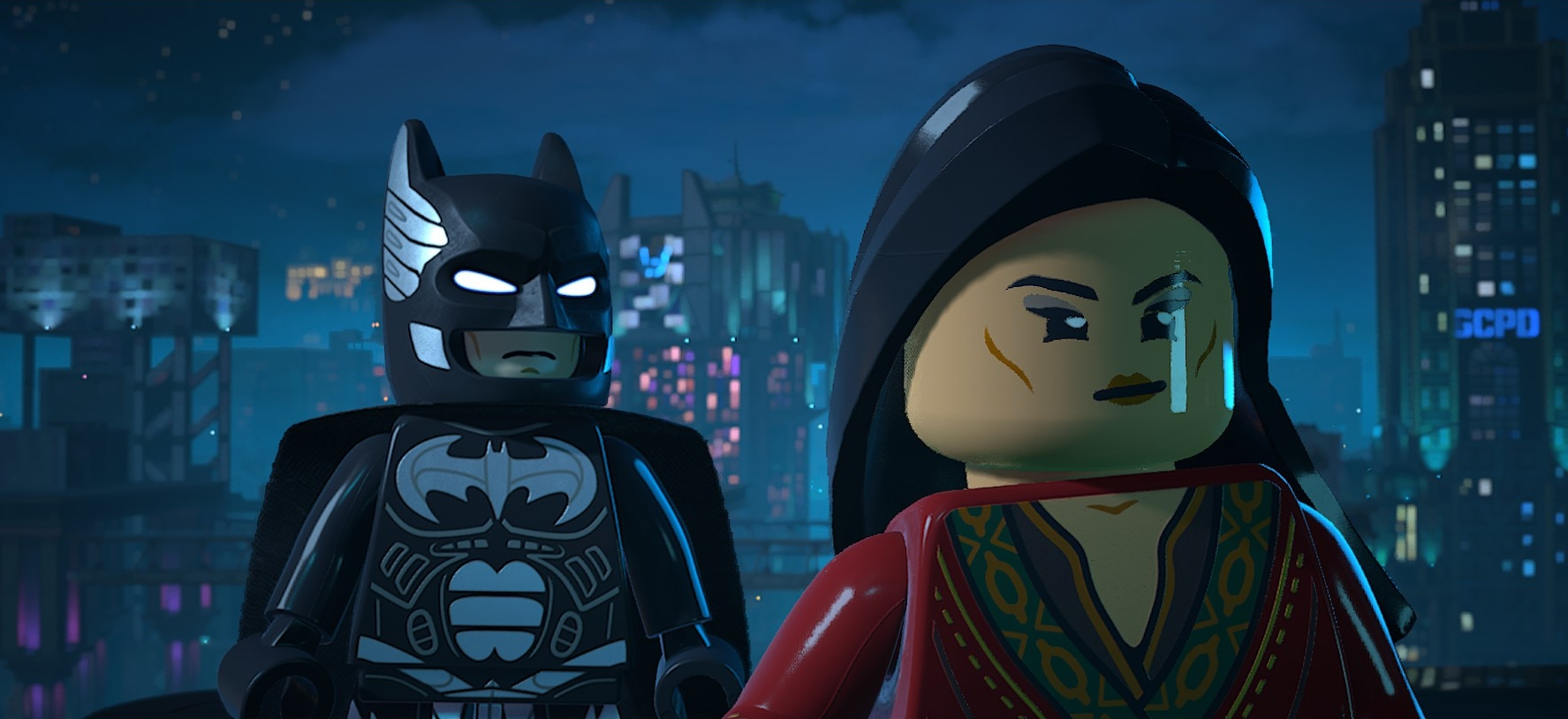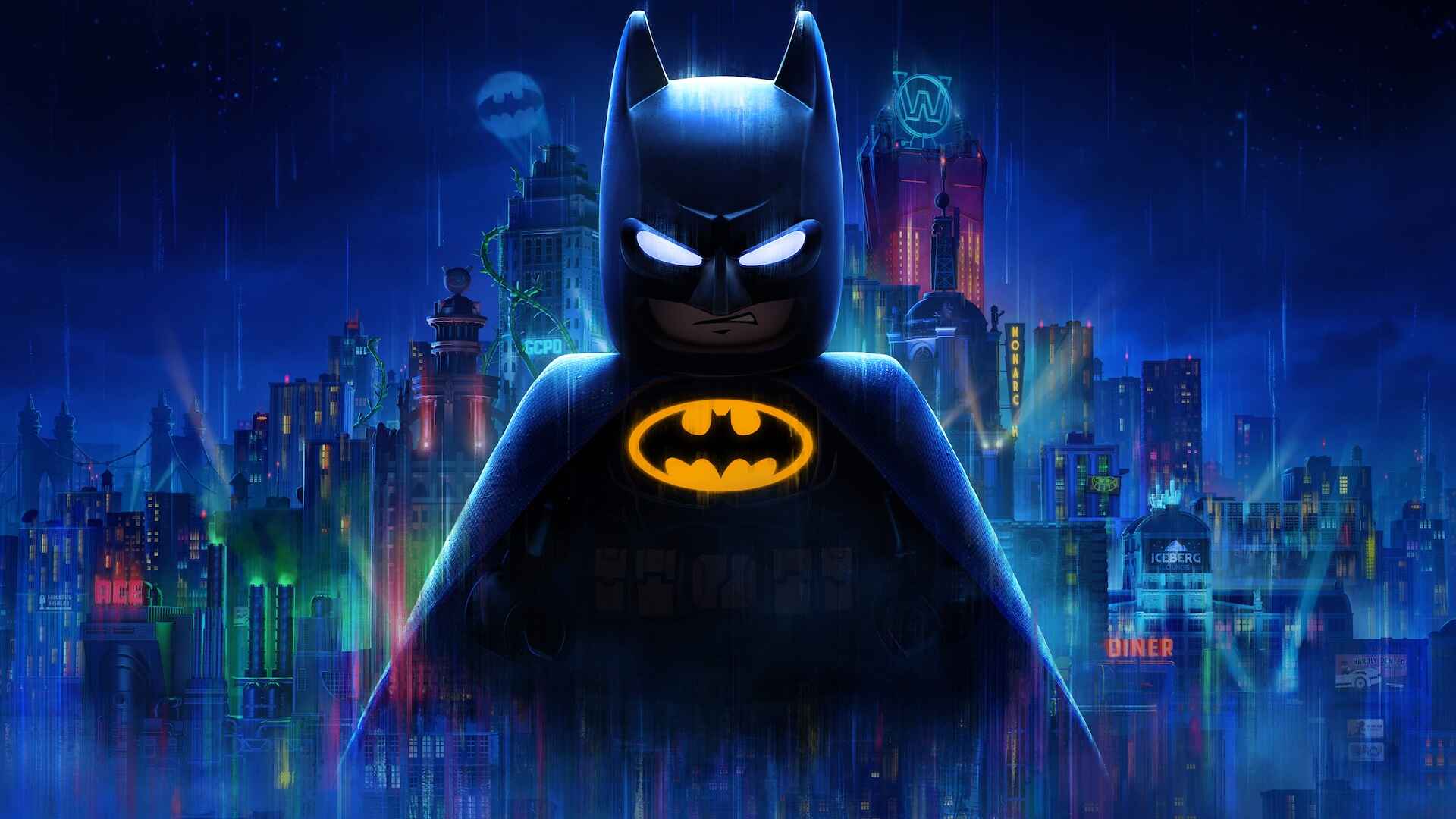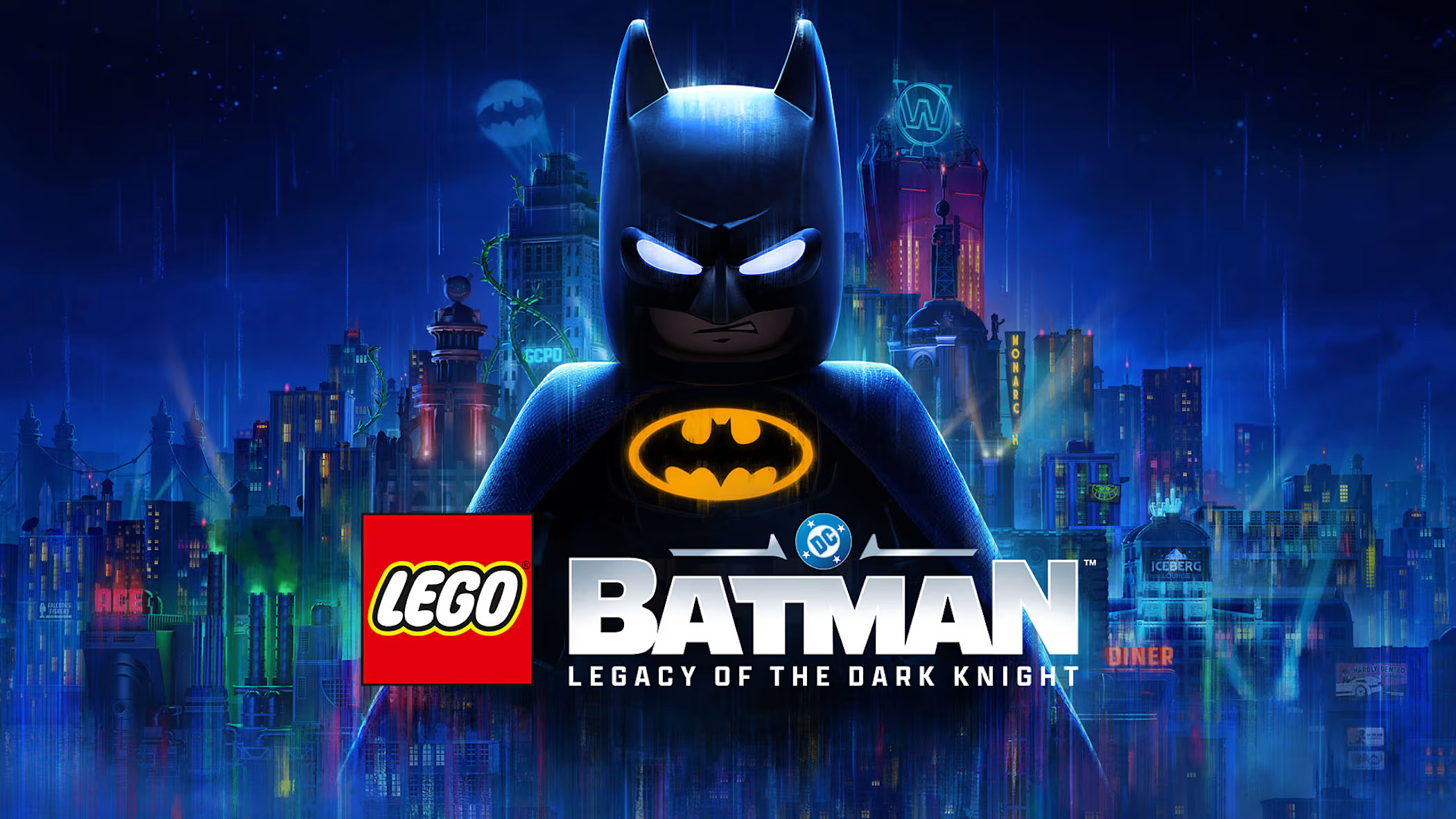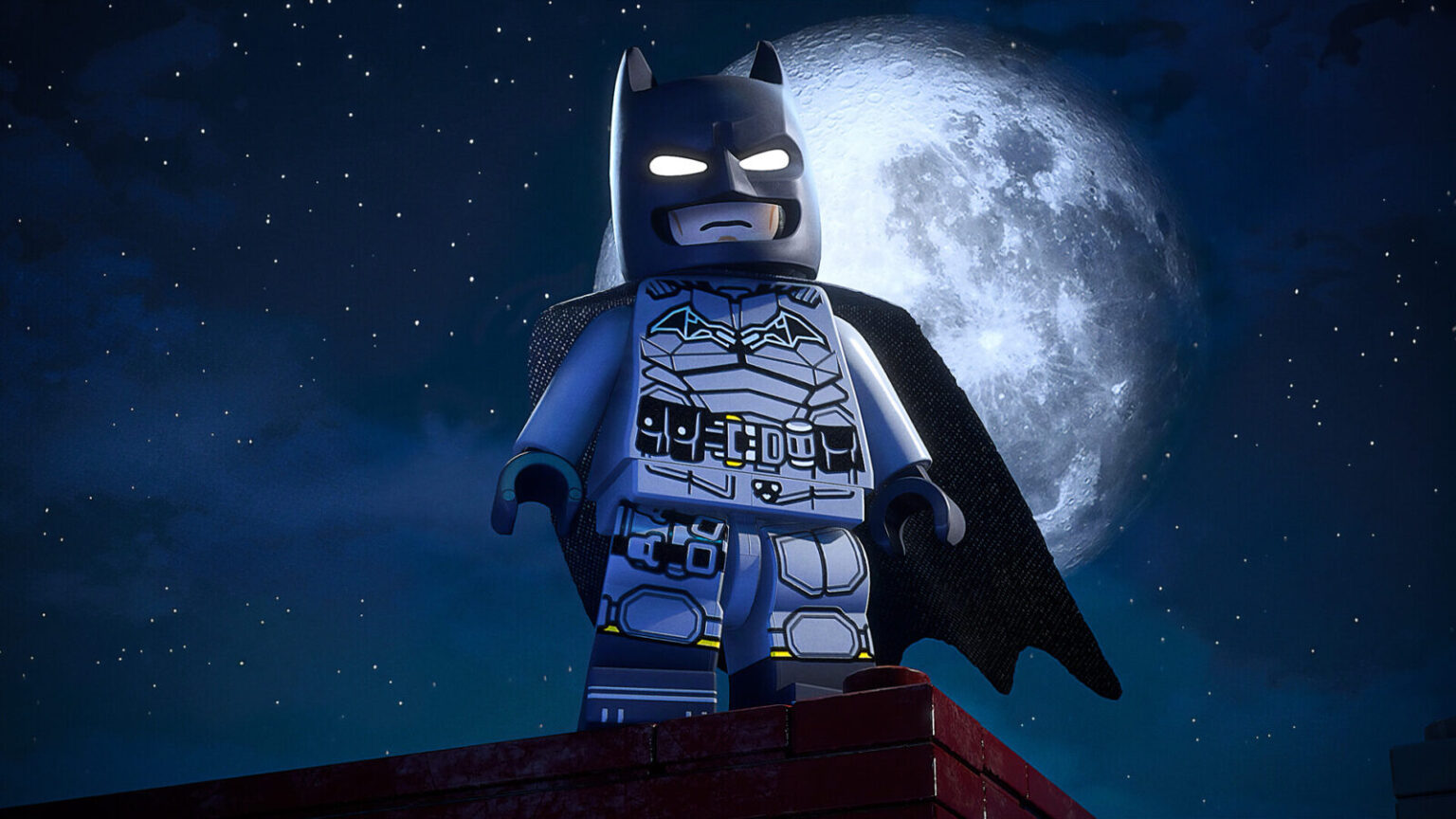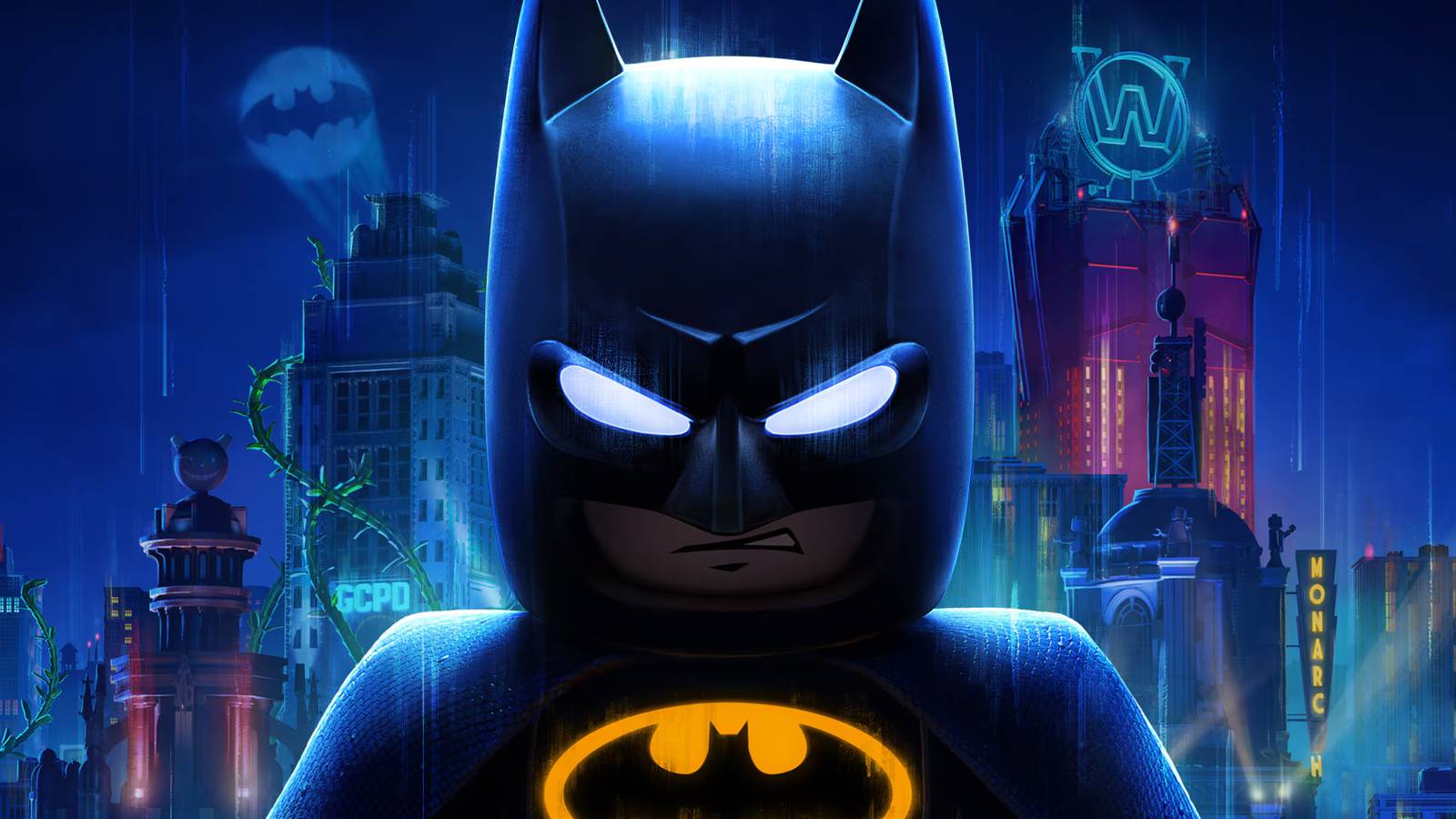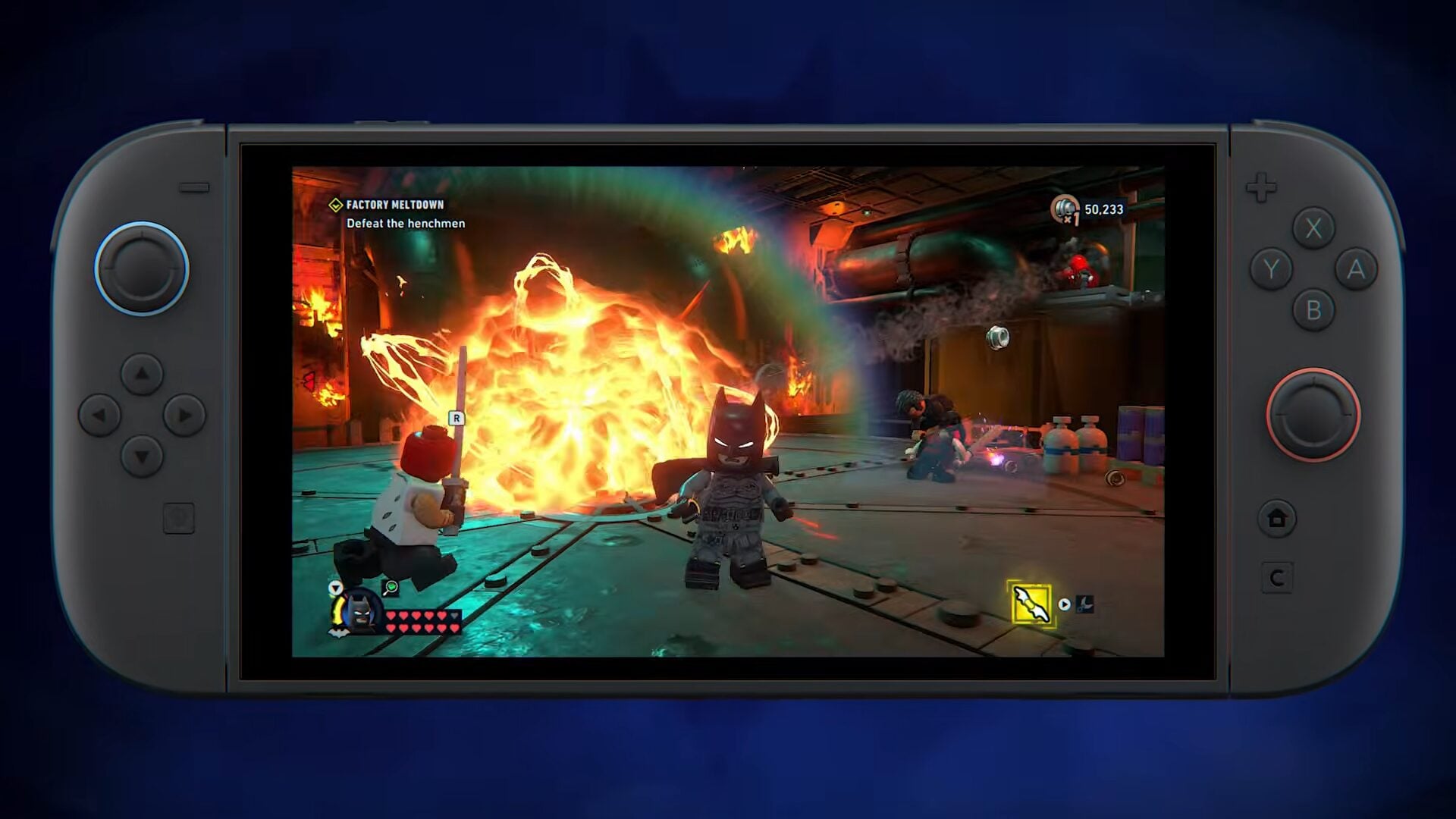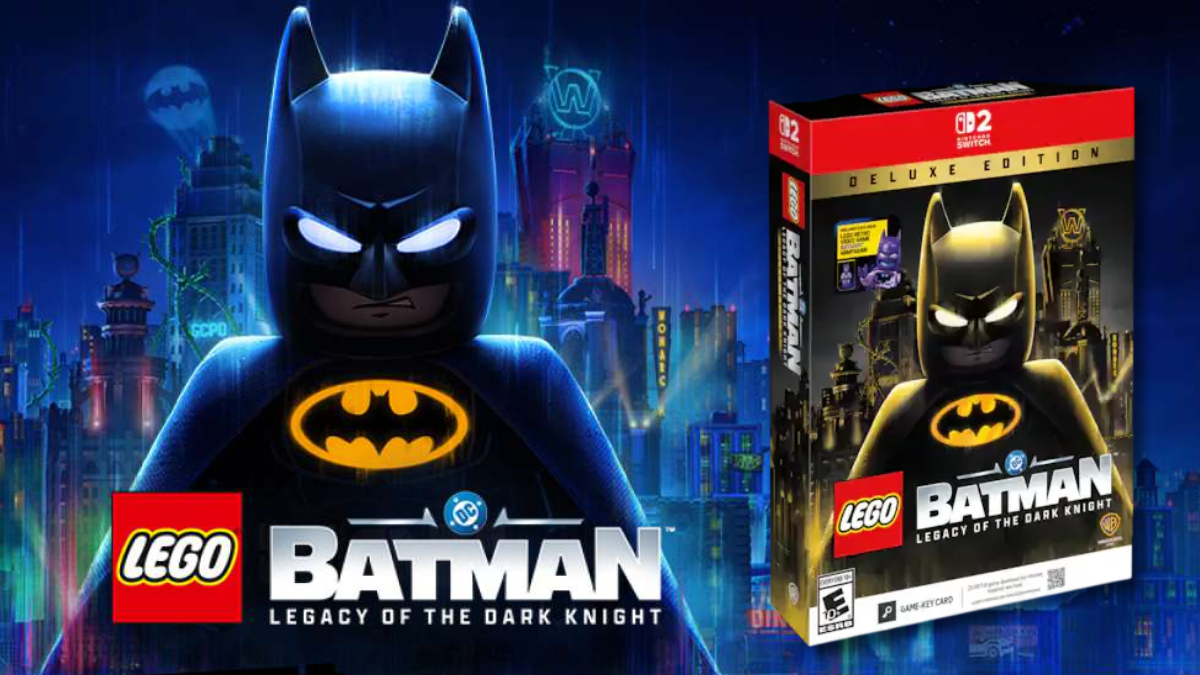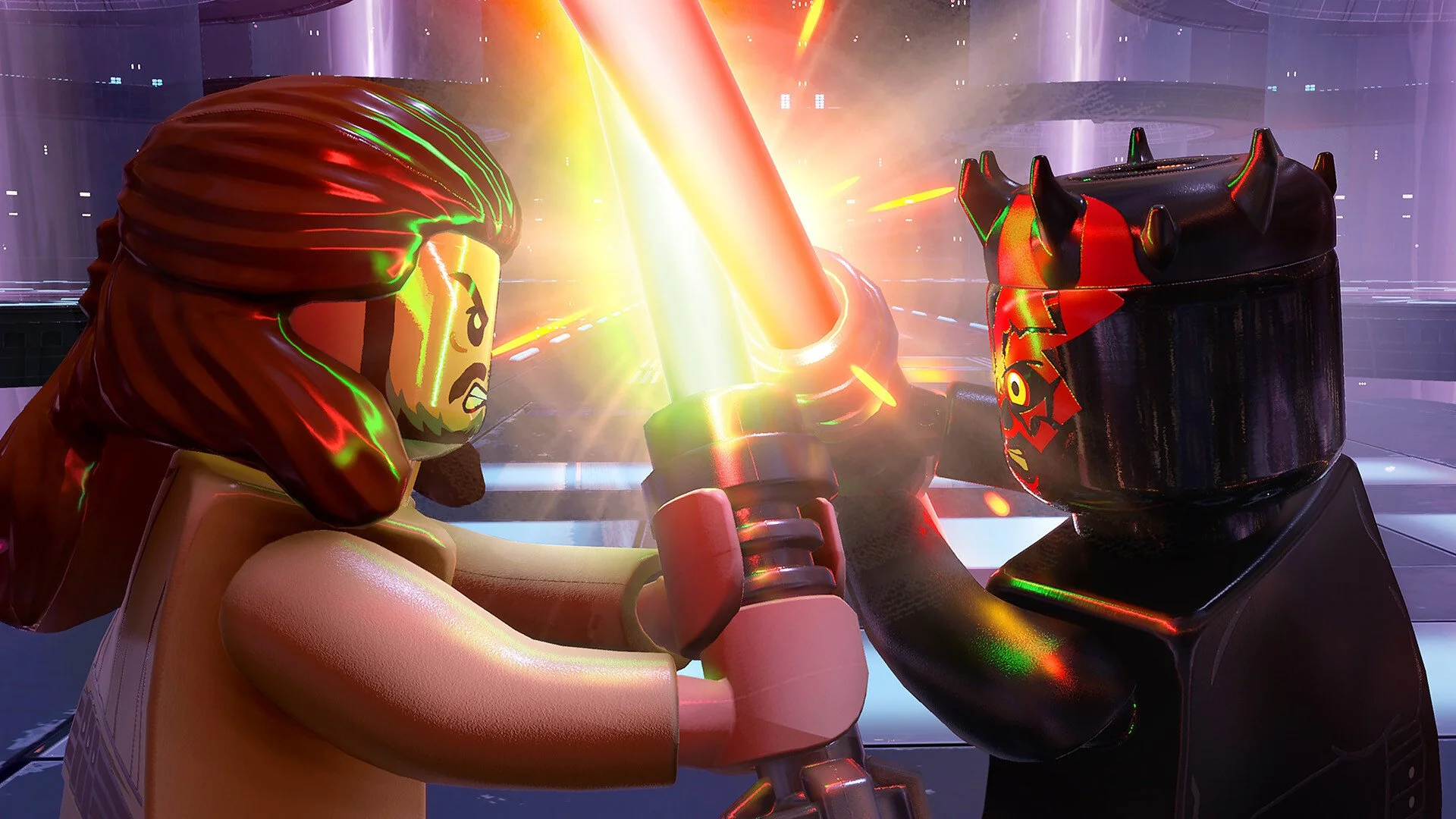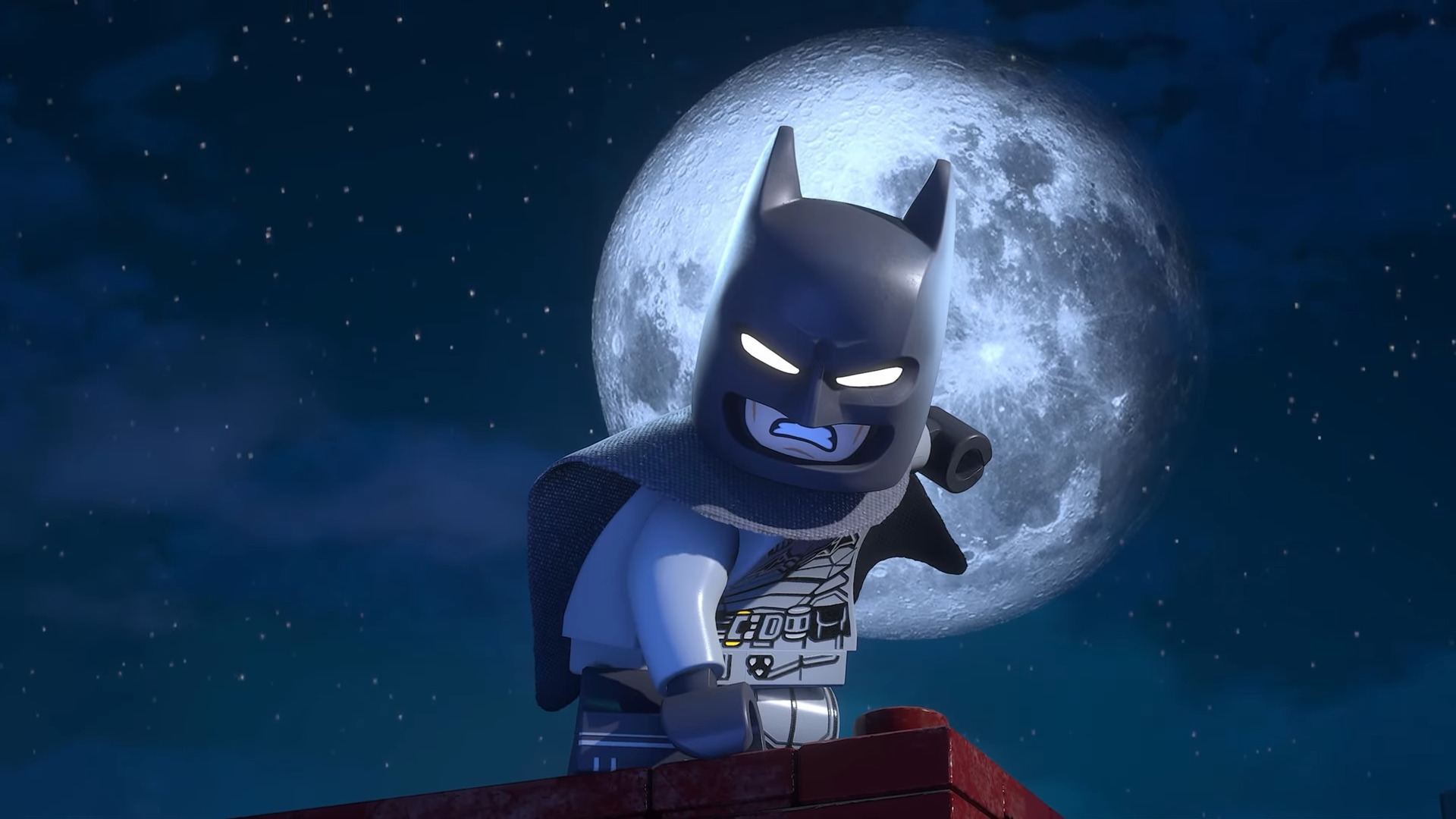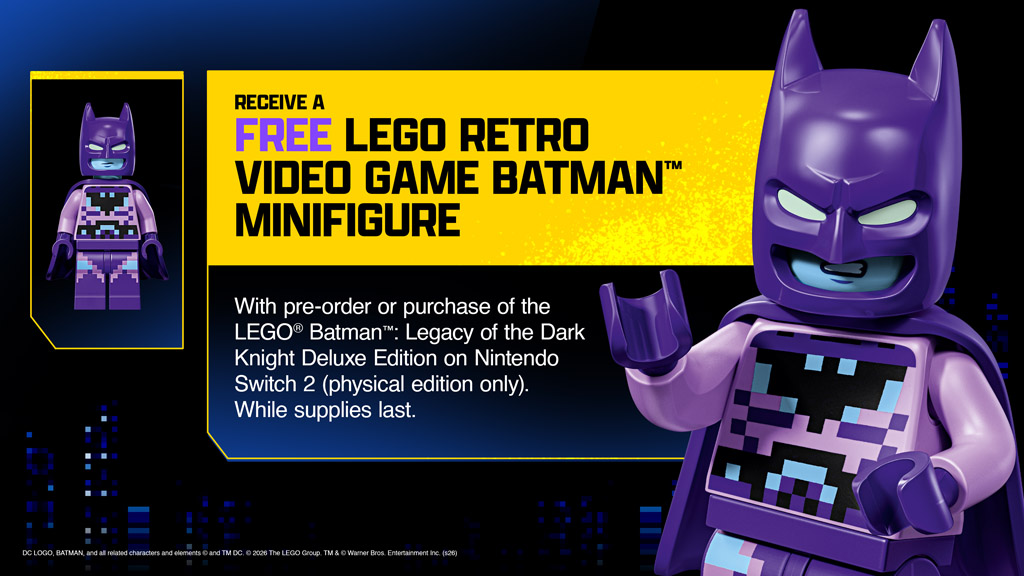
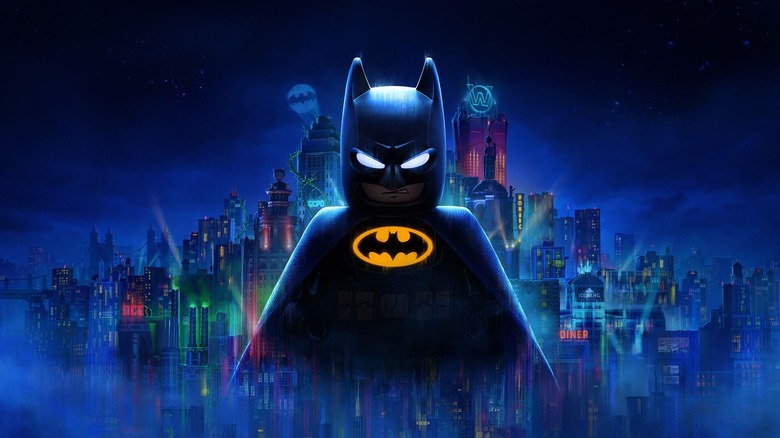


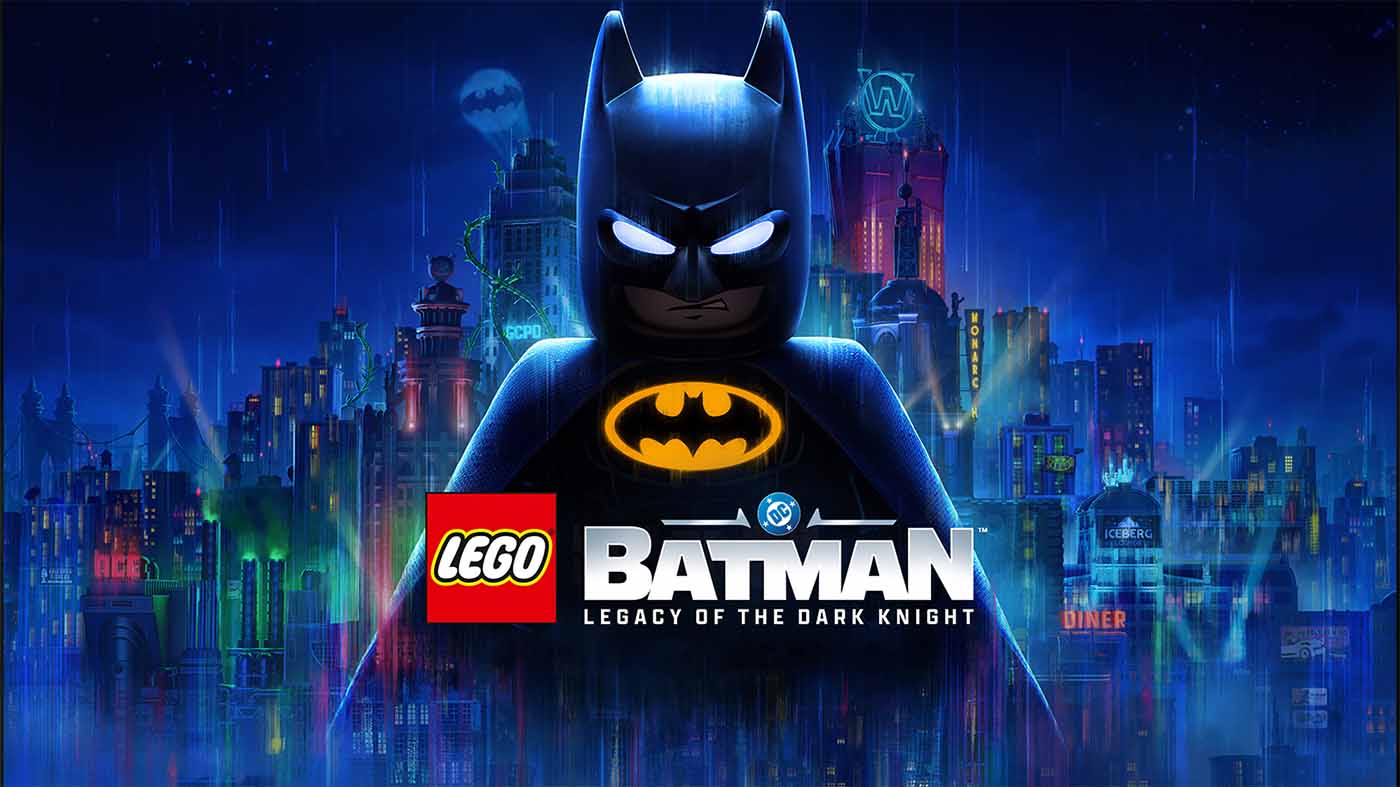
LEGO Batman: Legacy of the Dark Knight's September 18, 2026 Nintendo Switch 2 launch represents a critical validation moment for the new console platform and signals substantial merchandise opportunities for cross-border e-commerce sellers. The game's development by TT Games (creators of LEGO Star Wars: The Skywalker Saga) and publication by Warner Bros. demonstrates continued major publisher confidence in Switch 2's market viability. This announcement directly impacts sellers across multiple product categories: gaming hardware accessories, licensed merchandise, collectibles, and apparel.
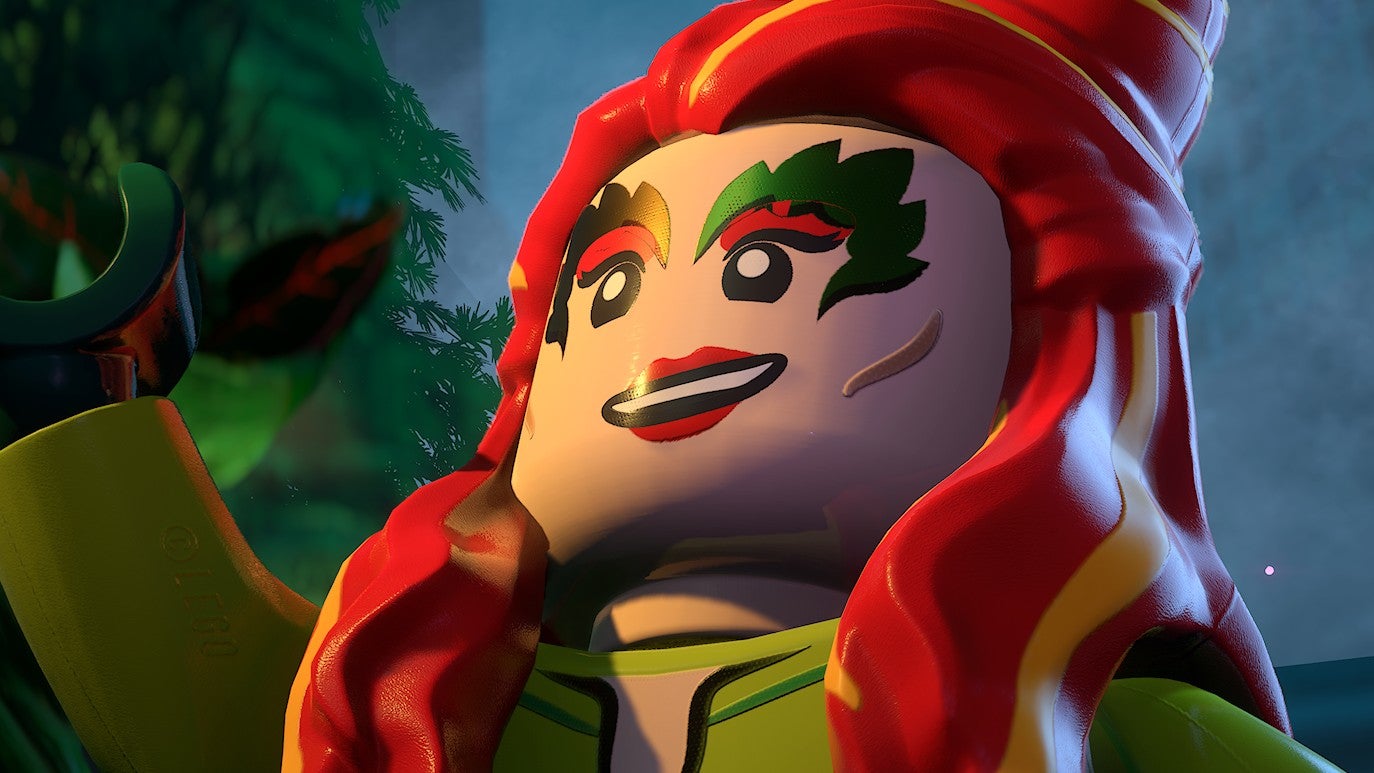
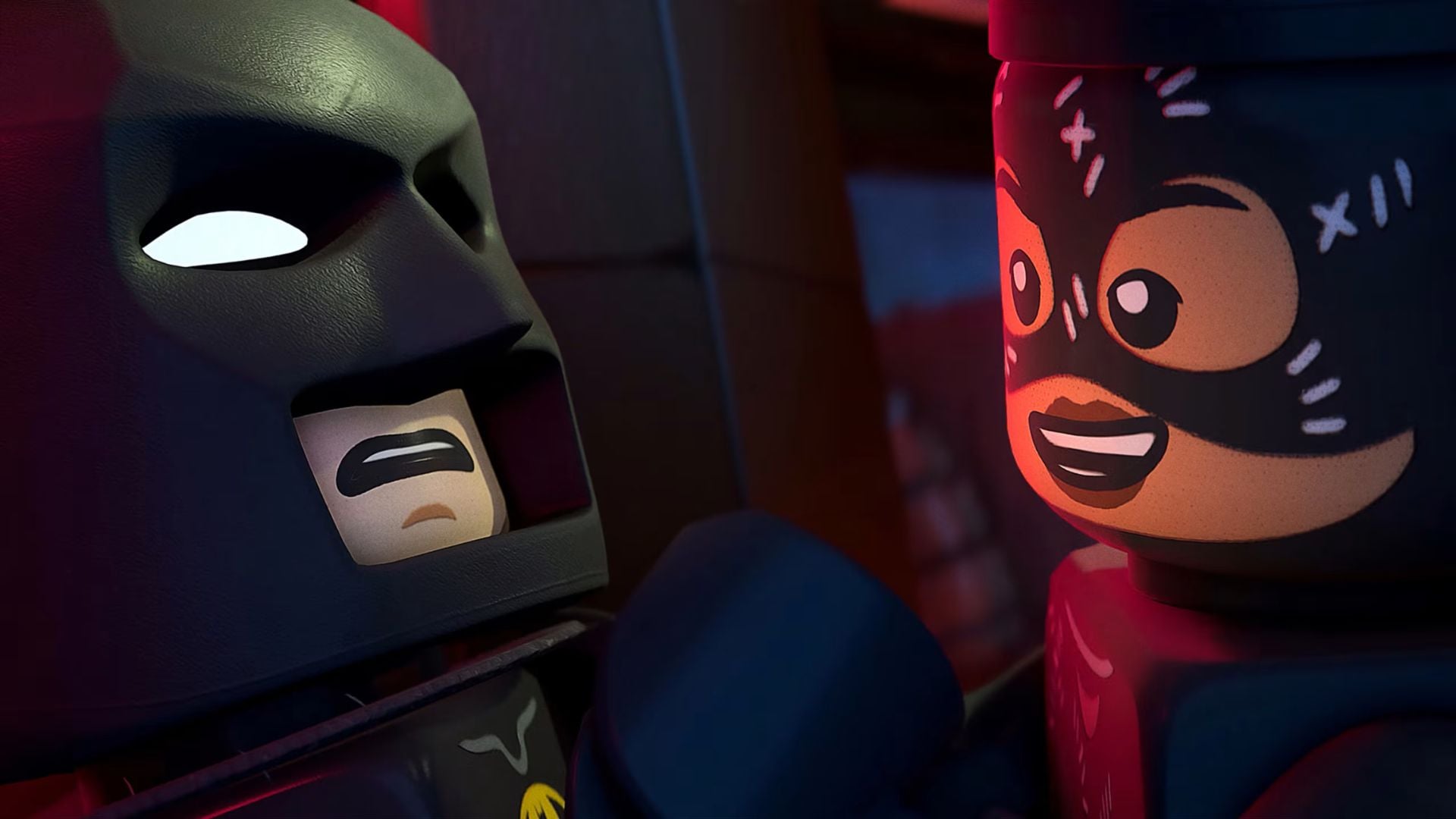
The merchandise opportunity spans multiple seller segments. The game's 86-year Batman legacy, combined with a 20-year narrative arc featuring iconic DC characters (Jim Gordon, Catwoman, Robin, Nightwing, Batgirl) and rogues gallery villains (The Joker, Penguin, Mr. Freeze, Poison Ivy, Bane), creates sustained demand for licensed products. The platinum-rated review praising the "satisfying combat system" and "immersive Gotham environment" signals strong consumer reception, with 10-12 hour main campaign plus 20+ hours of side content extending engagement windows. This extended gameplay duration typically drives 6-9 month merchandise sales cycles, compared to 2-3 months for shorter titles. Sellers in gaming accessories (controllers, cases, screen protectors), collectibles (figurines, art books), and apparel (t-shirts, hoodies featuring Batman/LEGO branding) should expect peak demand during September-December 2026 launch window, with secondary spikes during holiday seasons 2026-2027.
Platform distribution strategy creates inventory planning requirements. The game launches on Nintendo eShop and retail channels simultaneously, indicating dual-channel consumer acquisition. Staggered multi-platform releases (Switch 2 first, then PC/PlayStation/Xbox later) historically extend merchandise relevance across 12-18 months as new player cohorts discover the title. Sellers should monitor platform-specific demand patterns: Nintendo Switch audiences typically skew younger (ages 8-24), driving higher demand for collectibles and apparel; PC/console audiences (ages 18-35) show stronger interest in premium collectibles and art books. Cross-border sellers should prepare inventory by Q2 2026, with particular focus on Asian manufacturing regions (China, Vietnam) for cost-effective LEGO-compatible accessories and licensed merchandise production.
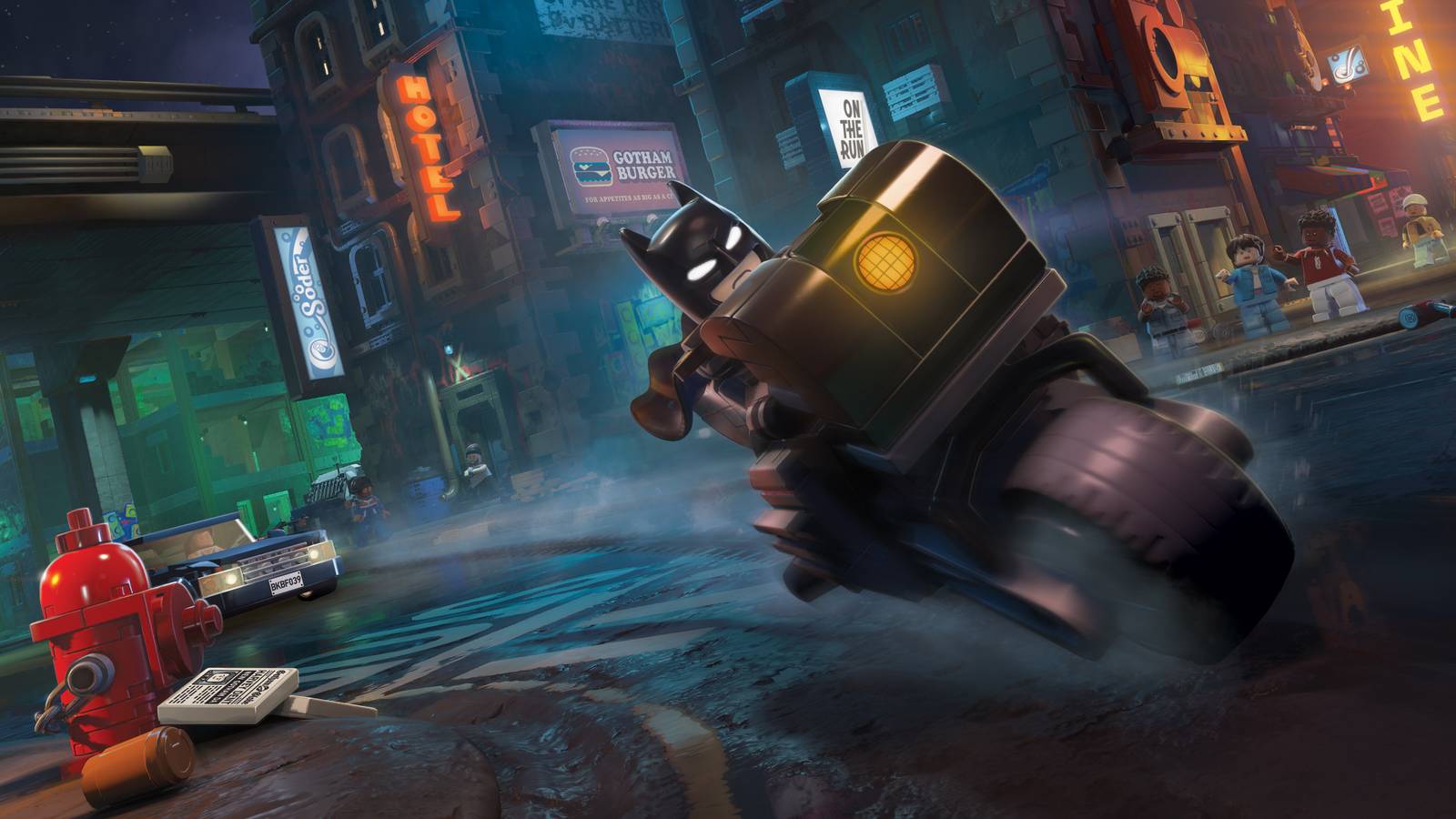
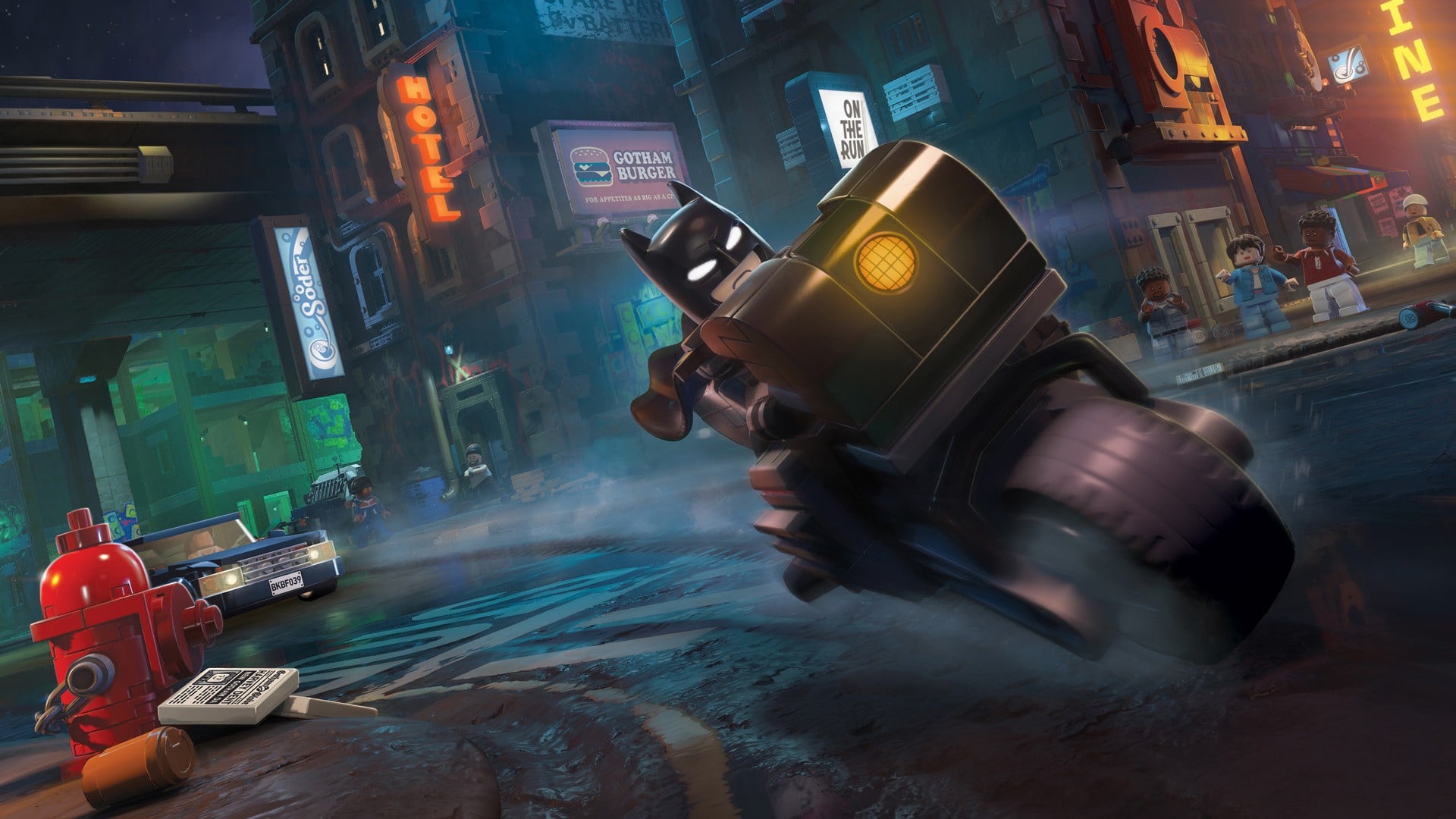
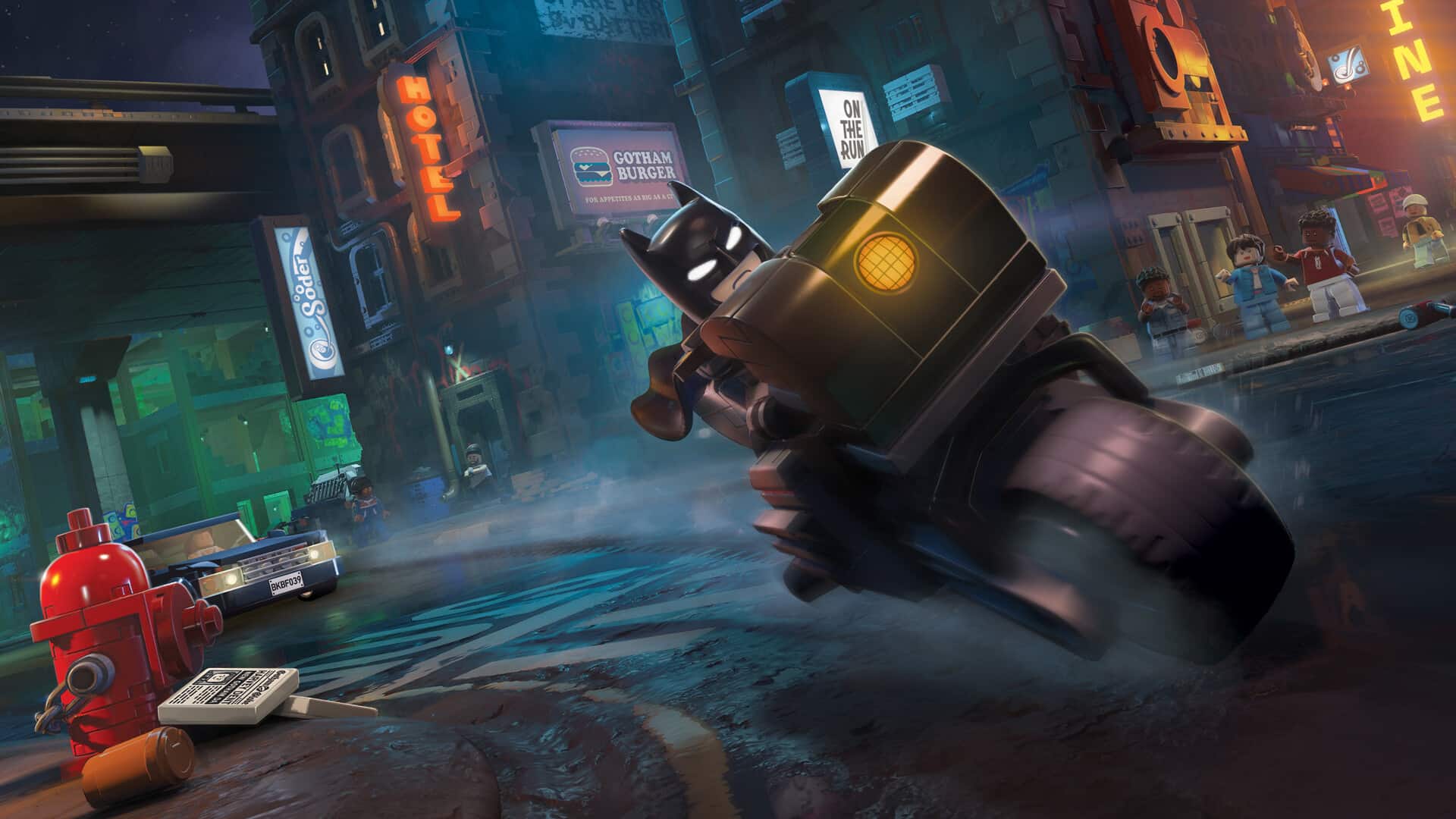
Sellers should prioritize four primary categories: (1) Gaming accessories—Nintendo Switch 2 controllers, protective cases, screen protectors, charging docks (typically 40-60% of launch window revenue); (2) Licensed collectibles—LEGO minifigures, Batman figurines, art books, Gotham City dioramas (25-35% revenue); (3) Apparel—Batman/LEGO branded t-shirts, hoodies, hats targeting ages 8-35 (15-25% revenue); (4) Home décor—posters, wall art, LED lighting featuring Gotham City aesthetics (10-15% revenue). The game's open-world Gotham City environment and vehicle gameplay (Batmobile, Batcycle variants) create additional demand for vehicle-themed collectibles and model kits. Sellers with existing gaming or DC Comics merchandise inventory should prepare cross-promotional strategies.
LEGO Batman: Legacy of the Dark Knight is a narrative-driven action-adventure game launching on Nintendo Switch 2 on September 18, 2026, developed by TT Games and published by Warner Bros. Sellers should care because major franchise launches on new console platforms typically generate 6-9 month merchandise demand cycles worth $50-200M in licensed products globally. The game's 86-year Batman legacy, combined with positive reviews (platinum rating) and 30+ hours of gameplay content, signals sustained consumer engagement that drives merchandise sales across collectibles, apparel, and gaming accessories categories. Cross-border sellers can expect peak demand September-December 2026, with secondary spikes during 2027 holiday seasons as the game releases on additional platforms.
Pricing strategy should reflect demand elasticity across launch phases: (1) Pre-launch (6-12 weeks before): Competitive pricing to build market share and reviews, (2) Launch week: Premium pricing (10-15% above baseline) capitalizing on peak demand and urgency, (3) Post-launch (4-12 weeks): Gradual price reduction as demand normalizes. Historical gaming merchandise data shows sellers maintaining 25-35% gross margins during launch windows despite competitive pressure. Bundle strategies (e.g., Switch 2 controller + Batman case + game) typically achieve 40-50% higher conversion rates than single-item listings, justifying slightly lower per-unit margins for increased volume.
Sellers should execute a three-phase timeline: (1) **Planning Phase (January-February 2026)**—Research product categories, verify licensing requirements, identify manufacturing partners in China/Vietnam, and forecast demand based on comparable LEGO Star Wars: The Skywalker Saga launch (which generated $500M+ in merchandise sales). (2) **Sourcing Phase (March-April 2026)**—Place orders with 90-120 day lead times to ensure inventory arrives by July 2026 for pre-launch fulfillment center stocking. Budget $10-50K for initial inventory depending on seller size and category focus. (3) **Launch Phase (May-September 2026)**—Prepare marketing campaigns, optimize listings, and launch pre-order campaigns 4-6 weeks before September 18 release. Sellers who delay ordering past April 2026 risk missing launch window demand and facing 30-50% lower revenue due to inventory shortages. Early movers (January-March ordering) can capture 40-60% of first-quarter merchandise sales before competitors establish market presence.
Major retailers (Amazon, Walmart, Target, Best Buy) will dominate official licensed merchandise sales, capturing 50-70% of launch window revenue through exclusive partnerships with Warner Bros. and LEGO. Sellers face three primary competitive risks: (1) Price competition—large retailers can undercut independent sellers by 10-20% on official products, forcing sellers toward niche categories (custom collectibles, regional variants, bundle deals); (2) Inventory scarcity—popular items (limited-edition collectibles, exclusive variants) sell out within 2-4 weeks, requiring rapid restocking or pivot to alternative products; (3) Licensing compliance—unauthorized merchandise risks account suspension on Amazon/Shopify and legal action from Warner Bros., requiring sellers to verify licensing agreements before sourcing. Sellers should differentiate through: curated bundles combining multiple product categories, regional exclusives (country-specific variants), custom personalization services, and community engagement (Discord servers, social media groups targeting Batman/LEGO fans). Niche positioning in underserved segments (premium collectibles, international markets, specialized accessories) can yield 25-40% higher margins than competing on official merchandise.
Sellers should implement platform-specific strategies: On **Amazon**, optimize product listings with keywords like 'Nintendo Switch 2 accessories,' 'Batman collectibles 2026,' 'LEGO gaming merchandise' to capture search volume spikes starting August 2026. Launch sponsored product campaigns 4-6 weeks before September 18 release, targeting gaming and collectibles categories with 15-25% ACoS budgets. Create A+ content highlighting game features (Gotham City exploration, 86-year Batman legacy, 30+ hours gameplay) to drive conversion rates 20-30% above category average. On **Shopify**, build dedicated landing pages for LEGO Batman merchandise bundles (e.g., 'Ultimate Batman Fan Bundle' combining game accessories + collectibles) to increase average order value 40-60%. Implement email marketing campaigns to existing gaming/collectibles customers 6-8 weeks pre-launch. Both platforms should emphasize 'Pre-Order' and 'Launch Day Delivery' messaging to capture early adopter demand (typically 30-40% of first-month sales).
Cross-border sellers should source from manufacturing regions offering cost-effective production: China and Vietnam produce 70-80% of global gaming merchandise at 30-40% lower costs than Western manufacturing. Lead times of 90-120 days require ordering by Q1 2026 for September launch. Key logistics considerations include: (1) Customs duties on licensed products (typically 5-15% depending on destination market); (2) Shipping consolidation from Asia to regional fulfillment centers (US, EU, Asia-Pacific) to reduce per-unit costs; (3) Compliance with DC Comics/Warner Bros. licensing agreements (verify seller authorization before importing); (4) Inventory allocation across Amazon FBA, Shopify, eBay, and regional marketplaces based on platform gaming category performance. Sellers should budget 45-60 days for customs clearance and regional distribution, placing orders by March 2026 at latest.
Nintendo Switch 2 launches September 18, 2026, with PC, PlayStation, and Xbox versions releasing several months later (typically Q4 2026 or Q1 2027). This staggered approach extends merchandise relevance across 12-18 months rather than concentrating demand in a single 2-3 month window. Switch 2 launch (September-December 2026) targets younger audiences (ages 8-24), driving collectibles and apparel demand. Subsequent PC/console releases (Q1 2027+) attract older demographics (ages 18-35), shifting demand toward premium collectibles and art books. Sellers should plan inventory in three waves: (1) Q2 2026 pre-launch stock for September release; (2) Q4 2026 holiday replenishment; (3) Q1 2027 inventory for secondary platform launches. This multi-wave approach can increase annual merchandise revenue by 30-50% compared to single-platform launches.
Sellers should prioritize four primary categories: (1) Gaming accessories—Nintendo Switch 2 controllers, protective cases, screen protectors, charging docks (typically 40-60% of launch window revenue); (2) Licensed collectibles—LEGO minifigures, Batman figurines, art books, Gotham City dioramas (25-35% revenue); (3) Apparel—Batman/LEGO branded t-shirts, hoodies, hats targeting ages 8-35 (15-25% revenue); (4) Home décor—posters, wall art, LED lighting featuring Gotham City aesthetics (10-15% revenue). The game's open-world Gotham City environment and vehicle gameplay (Batmobile, Batcycle variants) create additional demand for vehicle-themed collectibles and model kits. Sellers with existing gaming or DC Comics merchandise inventory should prepare cross-promotional strategies.
LEGO Batman: Legacy of the Dark Knight is a narrative-driven action-adventure game launching on Nintendo Switch 2 on September 18, 2026, developed by TT Games and published by Warner Bros. Sellers should care because major franchise launches on new console platforms typically generate 6-9 month merchandise demand cycles worth $50-200M in licensed products globally. The game's 86-year Batman legacy, combined with positive reviews (platinum rating) and 30+ hours of gameplay content, signals sustained consumer engagement that drives merchandise sales across collectibles, apparel, and gaming accessories categories. Cross-border sellers can expect peak demand September-December 2026, with secondary spikes during 2027 holiday seasons as the game releases on additional platforms.
Pricing strategy should reflect demand elasticity across launch phases: (1) Pre-launch (6-12 weeks before): Competitive pricing to build market share and reviews, (2) Launch week: Premium pricing (10-15% above baseline) capitalizing on peak demand and urgency, (3) Post-launch (4-12 weeks): Gradual price reduction as demand normalizes. Historical gaming merchandise data shows sellers maintaining 25-35% gross margins during launch windows despite competitive pressure. Bundle strategies (e.g., Switch 2 controller + Batman case + game) typically achieve 40-50% higher conversion rates than single-item listings, justifying slightly lower per-unit margins for increased volume.
Sellers should execute a three-phase timeline: (1) **Planning Phase (January-February 2026)**—Research product categories, verify licensing requirements, identify manufacturing partners in China/Vietnam, and forecast demand based on comparable LEGO Star Wars: The Skywalker Saga launch (which generated $500M+ in merchandise sales). (2) **Sourcing Phase (March-April 2026)**—Place orders with 90-120 day lead times to ensure inventory arrives by July 2026 for pre-launch fulfillment center stocking. Budget $10-50K for initial inventory depending on seller size and category focus. (3) **Launch Phase (May-September 2026)**—Prepare marketing campaigns, optimize listings, and launch pre-order campaigns 4-6 weeks before September 18 release. Sellers who delay ordering past April 2026 risk missing launch window demand and facing 30-50% lower revenue due to inventory shortages. Early movers (January-March ordering) can capture 40-60% of first-quarter merchandise sales before competitors establish market presence.
Major retailers (Amazon, Walmart, Target, Best Buy) will dominate official licensed merchandise sales, capturing 50-70% of launch window revenue through exclusive partnerships with Warner Bros. and LEGO. Sellers face three primary competitive risks: (1) Price competition—large retailers can undercut independent sellers by 10-20% on official products, forcing sellers toward niche categories (custom collectibles, regional variants, bundle deals); (2) Inventory scarcity—popular items (limited-edition collectibles, exclusive variants) sell out within 2-4 weeks, requiring rapid restocking or pivot to alternative products; (3) Licensing compliance—unauthorized merchandise risks account suspension on Amazon/Shopify and legal action from Warner Bros., requiring sellers to verify licensing agreements before sourcing. Sellers should differentiate through: curated bundles combining multiple product categories, regional exclusives (country-specific variants), custom personalization services, and community engagement (Discord servers, social media groups targeting Batman/LEGO fans). Niche positioning in underserved segments (premium collectibles, international markets, specialized accessories) can yield 25-40% higher margins than competing on official merchandise.
Sellers should implement platform-specific strategies: On **Amazon**, optimize product listings with keywords like 'Nintendo Switch 2 accessories,' 'Batman collectibles 2026,' 'LEGO gaming merchandise' to capture search volume spikes starting August 2026. Launch sponsored product campaigns 4-6 weeks before September 18 release, targeting gaming and collectibles categories with 15-25% ACoS budgets. Create A+ content highlighting game features (Gotham City exploration, 86-year Batman legacy, 30+ hours gameplay) to drive conversion rates 20-30% above category average. On **Shopify**, build dedicated landing pages for LEGO Batman merchandise bundles (e.g., 'Ultimate Batman Fan Bundle' combining game accessories + collectibles) to increase average order value 40-60%. Implement email marketing campaigns to existing gaming/collectibles customers 6-8 weeks pre-launch. Both platforms should emphasize 'Pre-Order' and 'Launch Day Delivery' messaging to capture early adopter demand (typically 30-40% of first-month sales).
Cross-border sellers should source from manufacturing regions offering cost-effective production: China and Vietnam produce 70-80% of global gaming merchandise at 30-40% lower costs than Western manufacturing. Lead times of 90-120 days require ordering by Q1 2026 for September launch. Key logistics considerations include: (1) Customs duties on licensed products (typically 5-15% depending on destination market); (2) Shipping consolidation from Asia to regional fulfillment centers (US, EU, Asia-Pacific) to reduce per-unit costs; (3) Compliance with DC Comics/Warner Bros. licensing agreements (verify seller authorization before importing); (4) Inventory allocation across Amazon FBA, Shopify, eBay, and regional marketplaces based on platform gaming category performance. Sellers should budget 45-60 days for customs clearance and regional distribution, placing orders by March 2026 at latest.
Nintendo Switch 2 launches September 18, 2026, with PC, PlayStation, and Xbox versions releasing several months later (typically Q4 2026 or Q1 2027). This staggered approach extends merchandise relevance across 12-18 months rather than concentrating demand in a single 2-3 month window. Switch 2 launch (September-December 2026) targets younger audiences (ages 8-24), driving collectibles and apparel demand. Subsequent PC/console releases (Q1 2027+) attract older demographics (ages 18-35), shifting demand toward premium collectibles and art books. Sellers should plan inventory in three waves: (1) Q2 2026 pre-launch stock for September release; (2) Q4 2026 holiday replenishment; (3) Q1 2027 inventory for secondary platform launches. This multi-wave approach can increase annual merchandise revenue by 30-50% compared to single-platform launches.
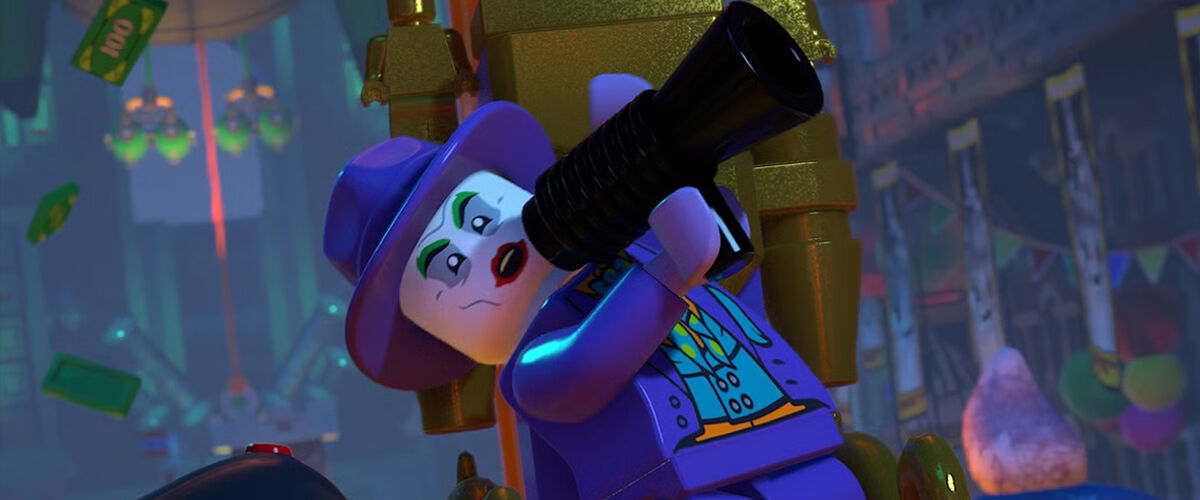
Sellers should prioritize four primary categories: (1) Gaming accessories—Nintendo Switch 2 controllers, protective cases, screen protectors, charging docks (typically 40-60% of launch window revenue); (2) Licensed collectibles—LEGO minifigures, Batman figurines, art books, Gotham City dioramas (25-35% revenue); (3) Apparel—Batman/LEGO branded t-shirts, hoodies, hats targeting ages 8-35 (15-25% revenue); (4) Home décor—posters, wall art, LED lighting featuring Gotham City aesthetics (10-15% revenue). The game's open-world Gotham City environment and vehicle gameplay (Batmobile, Batcycle variants) create additional demand for vehicle-themed collectibles and model kits. Sellers with existing gaming or DC Comics merchandise inventory should prepare cross-promotional strategies.
LEGO Batman: Legacy of the Dark Knight is a narrative-driven action-adventure game launching on Nintendo Switch 2 on September 18, 2026, developed by TT Games and published by Warner Bros. Sellers should care because major franchise launches on new console platforms typically generate 6-9 month merchandise demand cycles worth $50-200M in licensed products globally. The game's 86-year Batman legacy, combined with positive reviews (platinum rating) and 30+ hours of gameplay content, signals sustained consumer engagement that drives merchandise sales across collectibles, apparel, and gaming accessories categories. Cross-border sellers can expect peak demand September-December 2026, with secondary spikes during 2027 holiday seasons as the game releases on additional platforms.