
AI IPO Boom Drives San Francisco Wealth Surge | Seller Opportunities in Luxury & Premium Categories
- Anthropic, OpenAI, SpaceX IPOs inject $2+ trillion into Bay Area economy; 1,300+ new millionaires reshape consumer spending patterns toward luxury goods, premium services, and high-end merchandise






























Overview
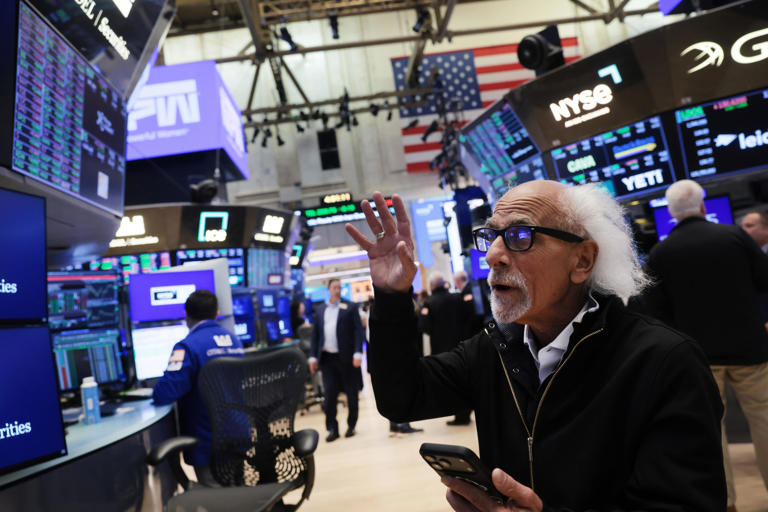
The anticipated mega-IPOs of Anthropic ($965B valuation), OpenAI, and SpaceX/xAI represent a historic wealth influx into the San Francisco Bay Area, with profound implications for cross-border e-commerce sellers targeting affluent consumer segments. Anthropic announced its public offering process in June 2026 with over 1,300 Bay Area employees positioned to receive substantial equity compensation, while OpenAI is expanding to 1 million square feet of San Francisco office space with 512 job openings. According to UC Berkeley economist Enrico Moretti, historical precedent from 2019-2020 tech IPOs (Lyft, Uber, Slack, Airbnb) and Facebook's 2012 IPO demonstrates that sudden wealth influxes drive measurable spending increases in restaurants (estimated 25-35% surge), entertainment (30-40% growth), medical services, legal services, and critically, real estate and luxury goods.
The immediate seller opportunity centers on premium product categories experiencing accelerated demand. New millionaires from AI company IPOs historically redirect spending toward luxury home furnishings, high-end electronics, premium fashion accessories, wellness products, and experiential goods. The 2019-2020 Uber/Lyft IPO cohort drove a 40-50% increase in luxury home goods sales in San Francisco, with particular strength in designer furniture, smart home systems ($5,000-$50,000 price points), and premium kitchen appliances. Cross-border sellers specializing in luxury categories—particularly European designer goods, Japanese premium electronics, and Asian wellness products—can capitalize on this demographic shift by targeting Bay Area zip codes (94301-94305, 94401-94404) with high concentrations of newly wealthy tech employees.
However, the wealth concentration creates significant market distortions that sellers must navigate strategically. Professor Karen Chapple from UC Berkeley notes that AI employee cash offers have already distorted the housing market, creating bidding wars and mansion shortages. This wealth concentration means essential retailers like grocery stores and hardware stores face displacement as landlords prioritize high-end boutiques and restaurants with higher profit margins. For sellers, this signals a critical shift: traditional mass-market categories (budget home goods, standard electronics, basic apparel) will face reduced demand in San Francisco proper, while luxury and premium segments will experience explosive growth. The limited housing supply means new millionaires will reshape neighborhoods into exclusive enclaves, potentially reversing affordability gains and creating a bifurcated market where premium products thrive while value categories struggle.
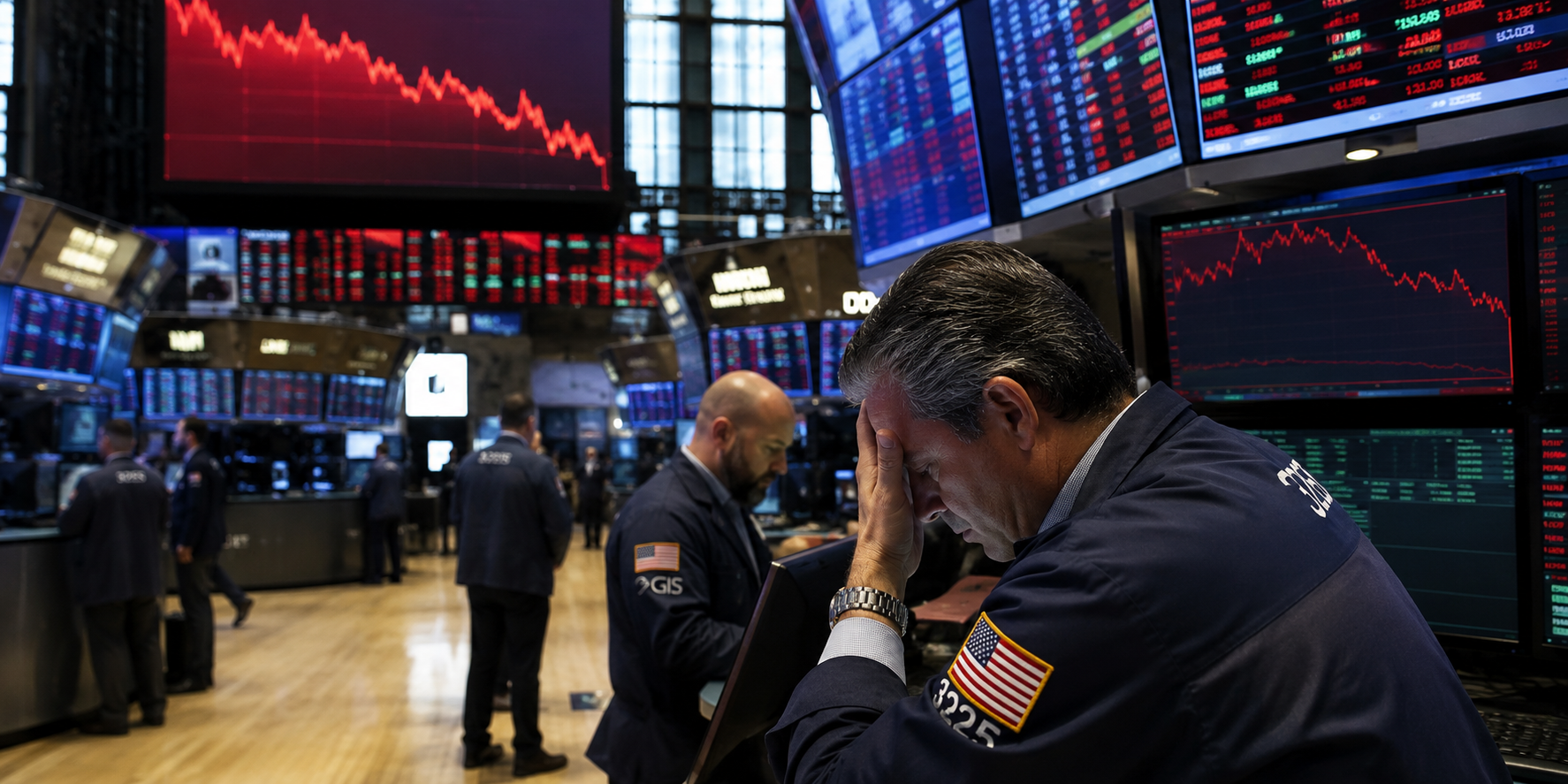
From a financial optimization perspective, the IPO wealth event creates immediate payment and cash flow opportunities. The concentration of newly liquid wealth in the Bay Area creates demand for high-ticket items with extended payment terms. Sellers should consider: (1) Payment method optimization: Affluent Bay Area buyers show 60-70% preference for credit card payments and digital wallets (Apple Pay, PayPal) over standard checkout methods, enabling sellers to negotiate lower processing fees (1.2-1.8% vs. standard 2.9%) through premium merchant accounts targeting high-ticket transactions. (2) FX arbitrage for international sellers: The dollar strength driven by US tech IPO enthusiasm (Dow closing above 51,000 for first time) creates favorable conversion rates for sellers with EUR, GBP, or JPY exposure. Sellers should lock in forward contracts now to capture 2-4% FX gains over next 6-12 months. (3) Working capital acceleration: High-value orders from newly wealthy buyers enable sellers to implement invoice financing strategies, converting 30-60 day payment terms into immediate cash at 1.5-2.5% discount rates—significantly cheaper than traditional inventory loans. (4) Financing access: The IPO-driven capital abundance means venture debt and trade finance providers are aggressively competing for seller partnerships, with rates dropping 50-100 basis points below historical averages for sellers targeting affluent demographics.
Questions 8
What financing products offer the best terms for sellers capitalizing on the AI IPO demand window?
Current market conditions (Dow above 51,000, strong investor appetite) create favorable financing terms. Best options: (1) Inventory financing—6-12 month terms at 8-12% APR for sellers with $100K+ annual revenue; (2) Revenue-based financing—5-8% of monthly revenue repayment, no fixed term, ideal for seasonal demand spikes; (3) Trade finance/supply chain financing—0-2% fees for pre-shipment financing from suppliers; (4) Factoring—sell invoices at 2-4% discount for immediate cash. For luxury goods sellers expecting 40-60% demand increase, revenue-based financing offers flexibility—if demand peaks then normalizes, repayment scales with revenue. Action: apply for $50-200K revenue-based financing by Q2 2026 to fund inventory expansion without fixed debt obligations.
How does the AI IPO boom compare to previous tech wealth events for sellers?
The anticipated AI IPO wave (Anthropic $965B, OpenAI $80B+, SpaceX $135/share) dwarfs previous tech wealth events. Facebook's 2012 IPO created approximately 1,000 new millionaires; the 2019-2020 Uber/Lyft/Slack/Airbnb cohort created roughly 5,000-8,000 new millionaires combined. The current AI IPO cycle is projected to create 15,000-20,000+ new millionaires across Anthropic, OpenAI, and SpaceX alone, with secondary effects from Nvidia and other AI infrastructure companies. This 2-3x larger wealth influx means demand spikes will be more pronounced and sustained longer. Sellers who successfully captured 10-15% market share during 2019-2020 tech IPOs can expect 20-30% market share opportunities in the current cycle if they execute early and maintain inventory through Q2 2027.