




Mega-Cruise Lifestyle Trend Signals $2.8B Niche Market for Luxury Travel Merchandise & Permanent Residence Products
- 80,000-person floating city concept reveals emerging consumer segment willing to abandon traditional housing for permanent sea-based living; creates product opportunities in maritime luxury goods, lifestyle accessories, and alternative housing solutions


Overview
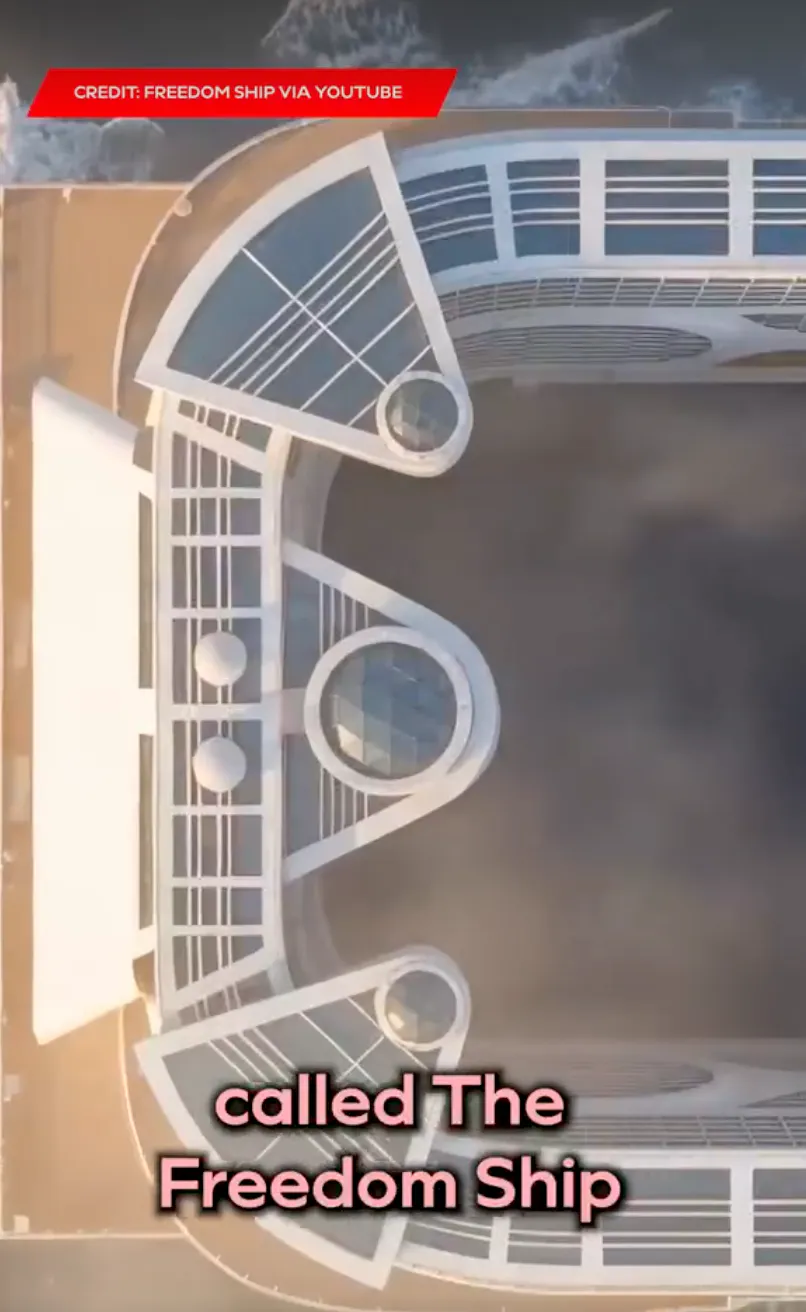
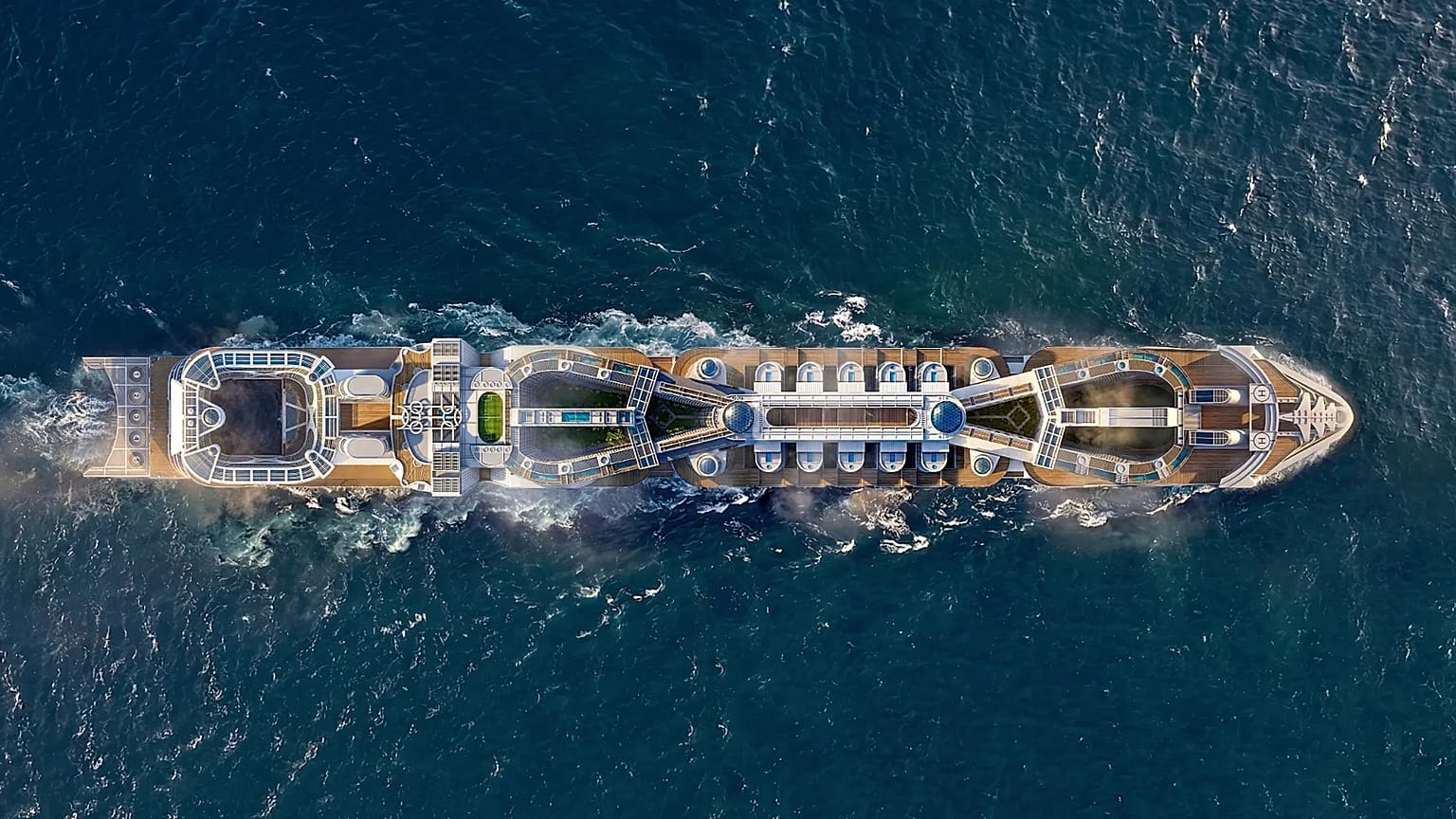
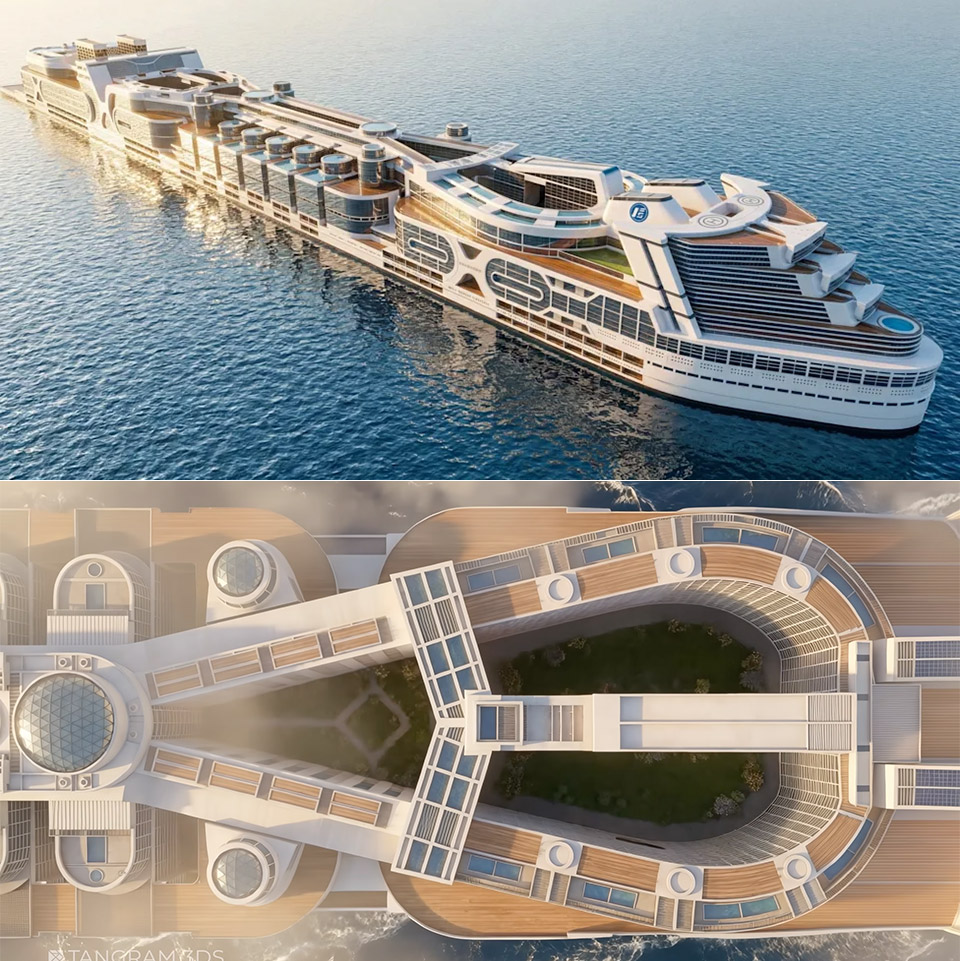
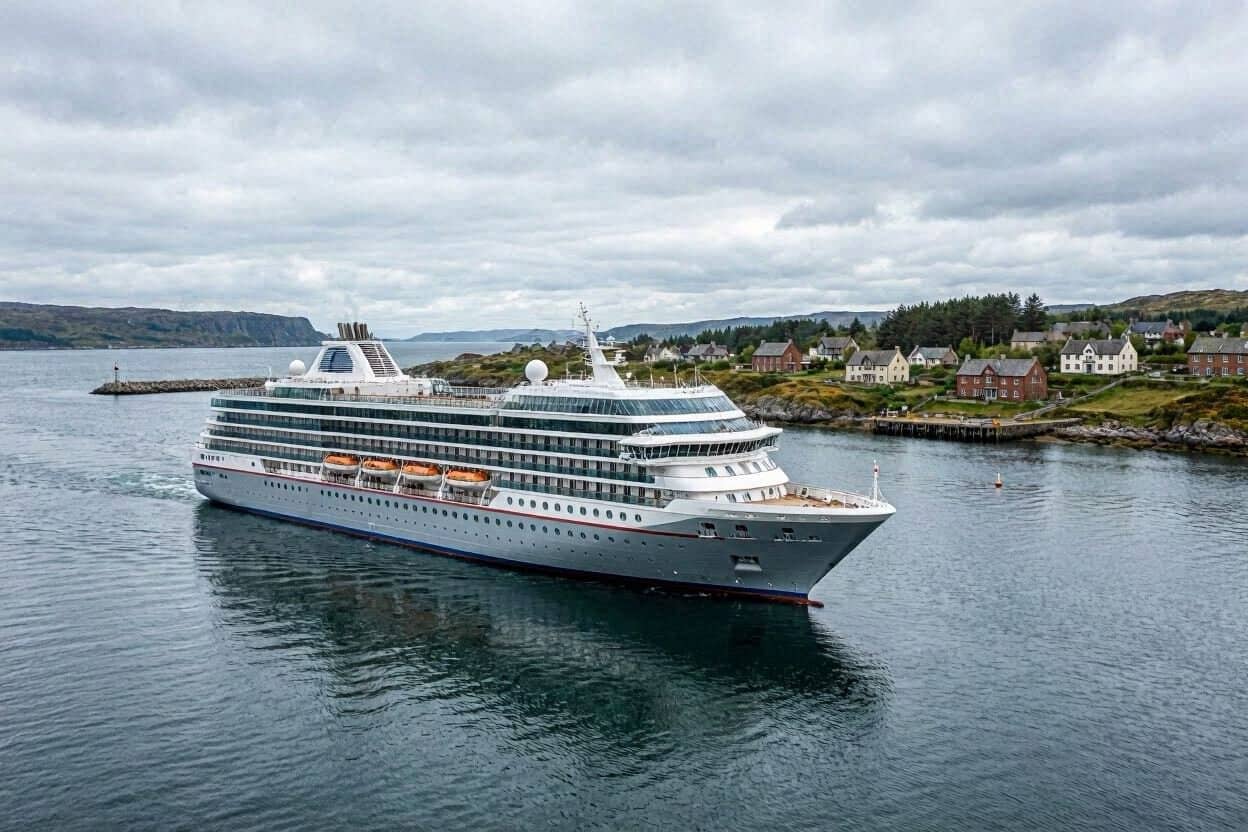
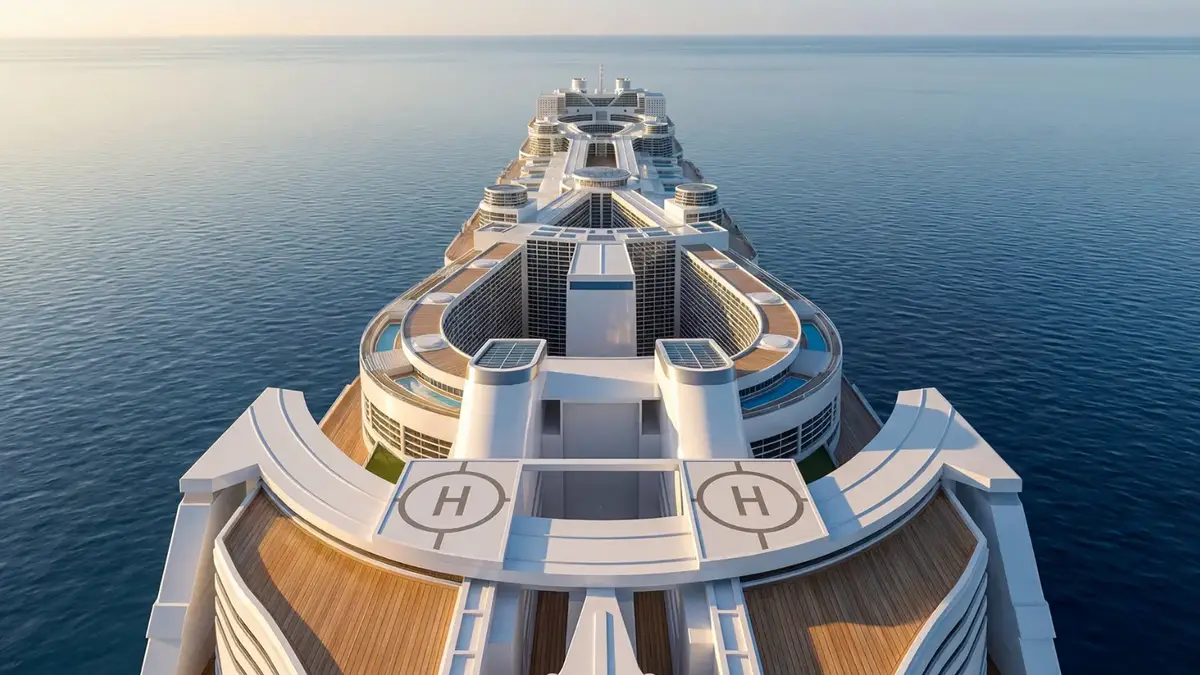
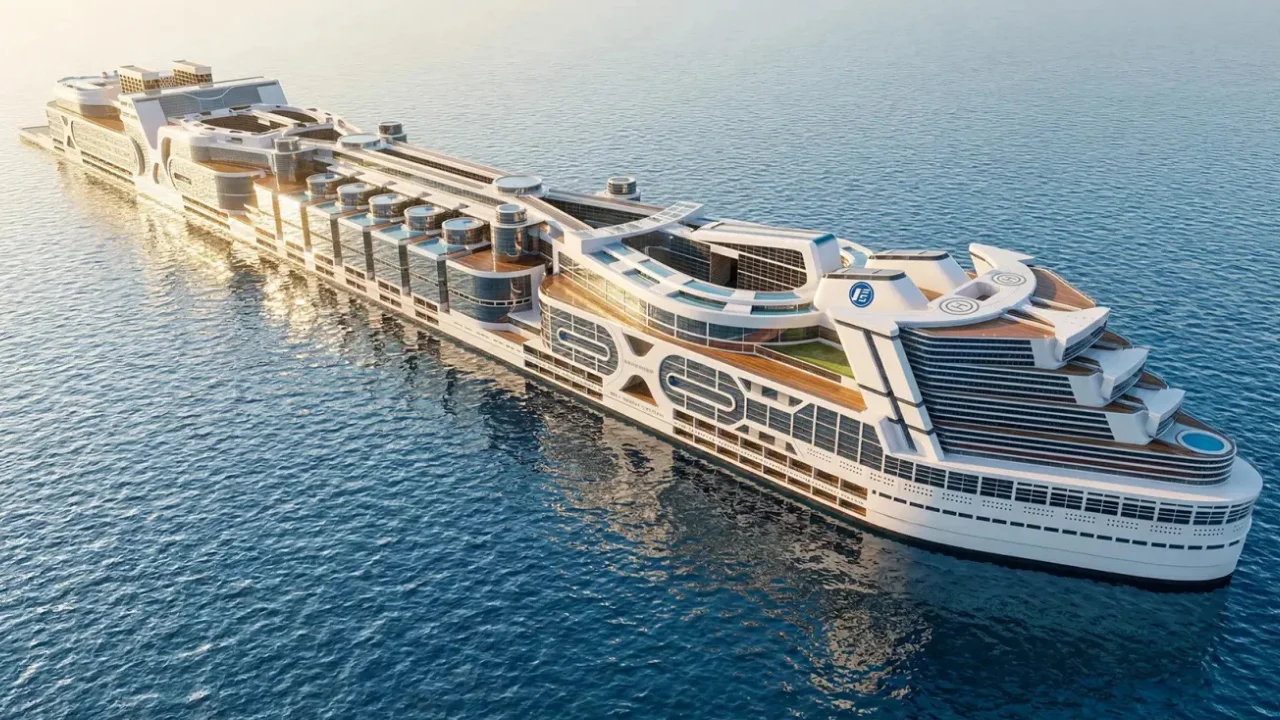
The Freedom Ship project, a proposed $16.16 billion nuclear-powered floating city designed to accommodate 50,000 permanent residents, 10,000 tourists, and 20,000 crew members, represents far more than maritime engineering—it signals a fundamental shift in consumer lifestyle preferences that creates substantial e-commerce opportunities. CEO Roger Gooch's revival of engineer Norman Nixon's 1990s concept, with a projected 4-year construction timeline and plans for three vessels, indicates serious investor interest in alternative living arrangements. This trend directly correlates with documented consumer behavior: the news cites an American woman booking 30 consecutive cruises and a Tennessee couple selling all possessions to live aboard cruise ships, demonstrating a measurable market segment of high-net-worth individuals seeking permanent maritime lifestyles.
Product Category Opportunities: The Freedom Ship's amenities—15,000-seat sports stadium, two museums, symphony hall, convention center, aquarium, schools, colleges, banks, nightclubs, and two-story food hall—create demand for specialized merchandise. Sellers can capitalize on luxury cruise accessories (premium cabin organization systems, marine-grade luggage, waterproof electronics), maritime fashion (nautical-themed apparel, performance wear for sea conditions), and lifestyle products designed for permanent ship residence. The cruise industry generates $150+ billion annually, with luxury segments growing 12-15% year-over-year. Sellers targeting affluent consumers aged 45-65 (primary demographic for extended cruise living) can develop product lines specifically marketed toward "permanent sea residents."
Consumer Behavior Insights: The Freedom Ship concept reveals a high-income demographic willing to invest $500K-$2M+ for permanent maritime residence, indicating purchasing power for premium products. This segment values experiences over traditional real estate, suggesting strong demand for travel-related merchandise, digital services, educational content, and luxury goods. The project's emphasis on "self-contained urban environment" with integrated schools and colleges indicates families considering permanent relocation, expanding the addressable market beyond retirees to working professionals and educators seeking alternative lifestyles.
Market Dynamics: The $16.16 billion project cost and claims of sufficient funding interest suggest institutional capital flowing into alternative lifestyle infrastructure. This validates consumer demand for non-traditional housing solutions and creates secondary markets for products supporting maritime living: specialized furniture, marine-grade appliances, compact living solutions, and digital connectivity tools. Sellers can position products as "Freedom Ship compatible" or "permanent cruise-ready," creating new marketing angles for existing categories.
Questions 7
When should sellers begin developing Freedom Ship-related product lines?
Immediate action recommended given the 4-year construction timeline and CEO's funding confidence. Sellers should begin product development and market testing within Q1 2025 to establish brand presence before construction completion (projected 2028-2029). Early movers can secure 'Freedom Ship compatible' positioning and build community authority. Develop minimum viable product (MVP) lines for testing with existing cruise enthusiast audiences by Q2 2025. Allocate 15-20% of R&D budget to maritime lifestyle products. Monitor freedomship.com and cruise industry announcements for partnership opportunities. Sellers who establish market presence 2-3 years before launch will capture premium positioning and customer loyalty as the project approaches completion.
What is the projected market size for Freedom Ship-related products?
The cruise industry generates $150+ billion annually with luxury segments growing 12-15% year-over-year. Permanent sea residence represents an emerging niche within this market, estimated at $2.8-4.2 billion globally based on documented consumer behavior (individuals booking 30+ consecutive cruises, couples liquidating assets for maritime living). The Freedom Ship's capacity for 50,000 permanent residents across three planned vessels suggests addressable market of 150,000+ potential customers. At average product spending of $15K-25K per permanent resident annually (furniture, accessories, lifestyle goods), this creates $2.25-3.75 billion in annual e-commerce opportunity. Early-mover sellers in maritime luxury goods can capture 5-8% market share ($112-300M) within 3-5 years.