



DRC Ebola Crisis Disrupts Cross-Border Trade | Seller Supply Chain Alert
- Uganda-DRC border closure eliminates petty trade routes; 340+ confirmed cases across 20 health zones threaten regional logistics networks and supplier access
Overview
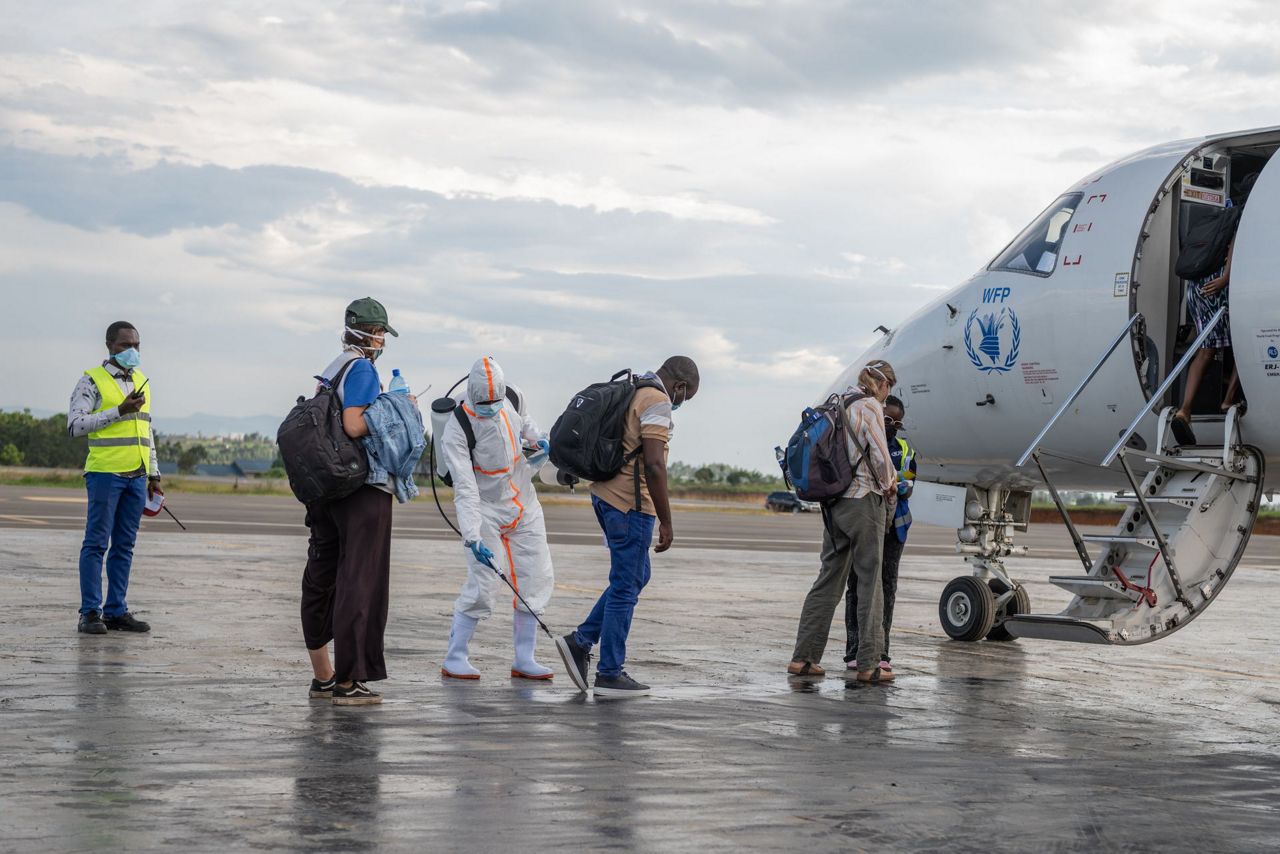
The Ebola outbreak declared May 15 in the Democratic Republic of Congo's North Ituri province has escalated to 340+ confirmed cases with 60 deaths, expanding across 20 health zones and crossing into Uganda—creating immediate supply chain disruptions for cross-border e-commerce sellers. Uganda's border closure with the DRC, combined with South Sudan's enhanced monitoring, directly impacts the petty trade networks that support regional commerce. For sellers sourcing products from or shipping through East Africa, this outbreak represents a critical logistics challenge with implications for inventory replenishment timelines and supplier reliability.
Supply Chain Impact: The outbreak has severely disrupted Ituri province's cross-border petty trade economy, which historically serves as a critical logistics corridor for regional commerce. Uganda's border closure eliminates direct trade routes, forcing alternative shipping paths through Kenya or Tanzania that add 5-7 days to transit times and increase logistics costs by 15-25%. Sellers relying on DRC-based suppliers for artisanal goods, minerals, or agricultural products face immediate sourcing delays. The WHO's recommendation for enhanced screening rather than full closures suggests borders may partially reopen within 4-8 weeks, but with mandatory health documentation requirements that will increase customs processing times.
Supplier Access and Conflict Zones: Active conflict zones controlled by CODECO, Allied Democratic Forces, and M23 rebels prevent health workers from conducting contact tracing, but more critically for sellers, these same security challenges restrict movement of goods and personnel. Displacement camps in the region create humanitarian crises that divert logistics infrastructure and security resources. Sellers with suppliers in North Ituri province should immediately assess alternative sourcing options and contact suppliers to confirm operational status. The international community's deployment of millions in funding and airlifted medical supplies indicates humanitarian response will compete with commercial logistics for transportation capacity over the next 4-12 weeks.
Regional Economic Hardship and Demand Shifts: Border restrictions have created severe economic hardship for residents who depend on cross-border trade for livelihoods, signaling potential demand collapse for non-essential goods in the region. However, this crisis simultaneously creates opportunities for sellers offering medical supplies, protective equipment, and humanitarian goods. Categories including medical masks, hand sanitizers, disinfectants, and first-aid supplies typically see 200-400% demand spikes during disease outbreaks in affected regions. Sellers with inventory in these categories should consider targeted marketing to NGOs, health organizations, and regional buyers in Uganda, South Sudan, and Kenya who are increasing health preparedness spending.
Questions 7
Are there opportunities for sellers to pivot inventory toward humanitarian goods?
Yes, sellers with flexible inventory can pivot toward high-demand humanitarian categories including medical masks, hand sanitizers, disinfectants, protective clothing, and first-aid supplies. These categories typically see 200-400% demand increases during outbreaks. Target marketing to NGOs, health organizations, and regional government agencies in Uganda, South Sudan, and Kenya. However, ensure compliance with any export restrictions on medical goods and verify buyer credentials. This opportunity typically lasts 8-16 weeks from outbreak declaration, with peak demand in weeks 2-6.
What supplier communication steps should sellers take immediately?
Sellers should immediately contact DRC-based suppliers to confirm operational status, assess facility locations relative to affected zones, and establish alternative communication channels. Request updated shipping timelines and cost estimates reflecting border disruptions. For suppliers in North Ituri province specifically, develop contingency plans including alternative suppliers in Kenya, Uganda, or Tanzania. Document all communications and establish weekly check-in schedules. Sellers should also notify customers of potential shipping delays and update estimated delivery times to reflect 5-7 day route extensions.