


Ebola Vaccine Race Accelerates | Medical Supply & Health Product Opportunities for Cross-Border Sellers
- $60M emergency funding fuels vaccine development; creates demand surge for protective equipment, diagnostic kits, and health supplies across DRC, Uganda, and global markets
Overview
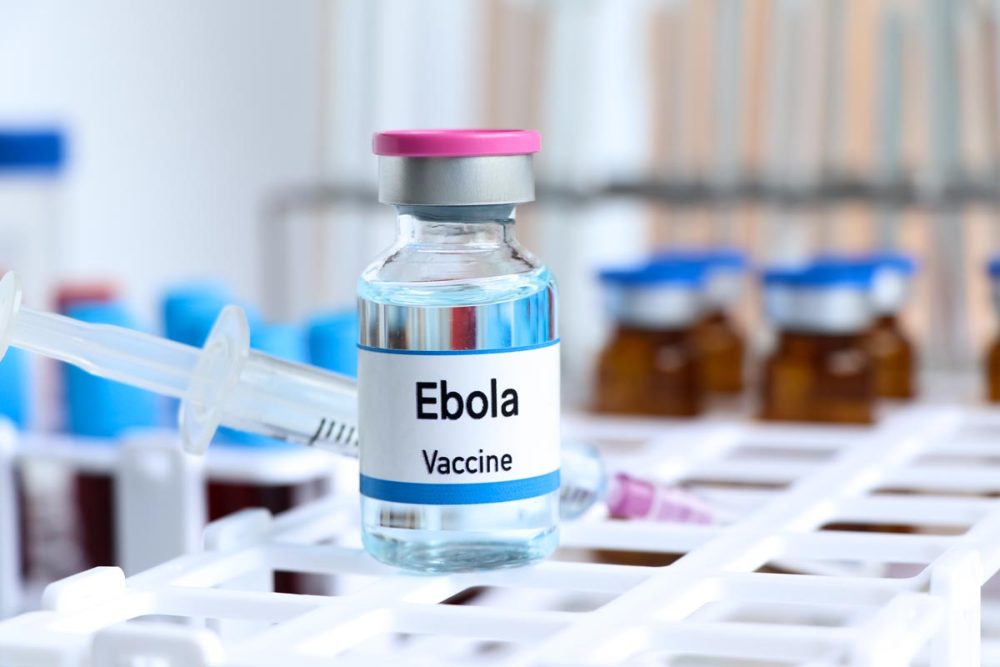
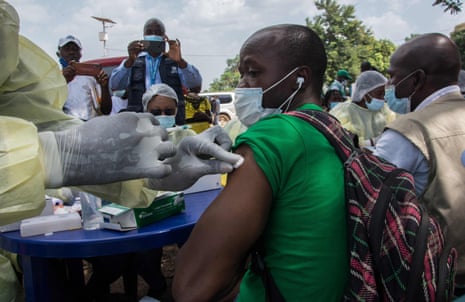
The urgent global response to the Bundibugyo Ebola outbreak spreading across the Democratic Republic of the Congo and Uganda is creating significant commercial opportunities for cross-border e-commerce sellers in the medical supply and health products categories. The Coalition for Epidemic Preparedness Innovations (CEPI) has awarded $60 million in emergency funding to accelerate vaccine development timelines, with three major candidates in advanced stages: IAVI's rVSV vaccine (7-9 months to clinical trials), Oxford University's ChAdOx1 vaccine partnered with Serum Institute of India (2-3 months), and Moderna's mRNA-based vaccine (months to trial readiness with up to $50 million CEPI commitment).
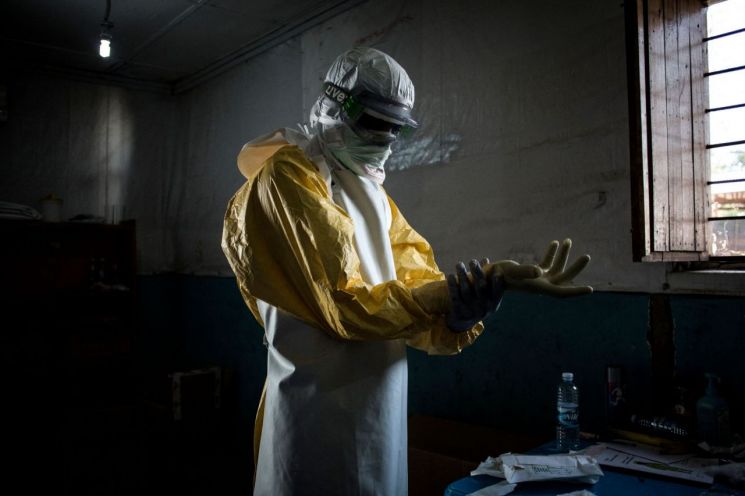
This outbreak-driven demand creates immediate product opportunities for sellers. The security challenges and operational complexity in conflict-affected regions—including militia attacks on treatment centers—are driving urgent procurement of personal protective equipment (PPE), diagnostic testing kits, medical-grade masks, hand sanitizers, and isolation equipment. Sellers specializing in health and safety products can capitalize on the surge in institutional and individual demand across African markets and international healthcare organizations. The Partners trial and regulatory approval processes in DRC and Uganda require extensive supply chain support, creating B2B opportunities for medical equipment suppliers.
Supply chain implications extend beyond vaccines to preventative health products. The first-ever prevention drug trial using obdeldesivir—demonstrating up to 100% protection in animal models when administered within 24 hours of exposure—signals growing demand for antiviral treatments, prophylactic medications, and contact-tracing support infrastructure. Sellers in the health and wellness category should monitor emerging demand for immune-support supplements, telemedicine equipment, and remote monitoring devices as healthcare systems in affected regions scale up response capacity. The 7-9 month timeline to clinical trials creates a sustained procurement window for medical supplies, making this a 3-6 month opportunity window for sellers to establish supplier relationships with NGOs, healthcare providers, and international relief organizations operating in DRC and Uganda.
Regional market dynamics favor sellers with African market expertise. The operational challenges—security instability hampering contact identification and follow-up—indicate that local and regional sellers with established logistics networks in Central Africa will have competitive advantages. Sellers should consider expanding product lines to include not just medical supplies but also operational support products: communication equipment for healthcare workers, solar-powered refrigeration for vaccine storage, and supply chain tracking systems. The involvement of major pharmaceutical players (Moderna, Oxford, Serum Institute) and international health organizations creates B2B wholesale opportunities for sellers with existing relationships in the pharmaceutical supply chain.
Questions 8
What product categories see demand spikes during Ebola outbreak responses?
Medical supply demand surges across multiple categories: personal protective equipment (N95 masks, face shields, gowns), diagnostic testing kits, hand sanitizers, disinfectants, and isolation equipment. The news reports that CEPI's $60 million emergency funding and the urgent vaccine development timeline are driving procurement across DRC and Uganda healthcare systems. Healthcare organizations and NGOs operating in affected regions require immediate supplies, creating B2B opportunities for sellers with medical product inventory. Sellers should prioritize fast-shipping options and bulk order capabilities to serve institutional buyers during the 7-9 month vaccine development window.
How do security challenges in conflict zones affect medical supply logistics?
The news specifically mentions militia attacks on treatment centers and security instability hampering contact identification in DRC and Uganda. These operational challenges create demand for specialized logistics solutions: secure cold-chain storage for vaccines, communication equipment for healthcare workers in remote areas, and supply tracking systems. Sellers with experience in conflict-affected region logistics or partnerships with established NGO supply chains have competitive advantages. The security constraints also increase demand for local and regional suppliers who can navigate complex operational environments, potentially favoring African-based sellers over distant international suppliers.